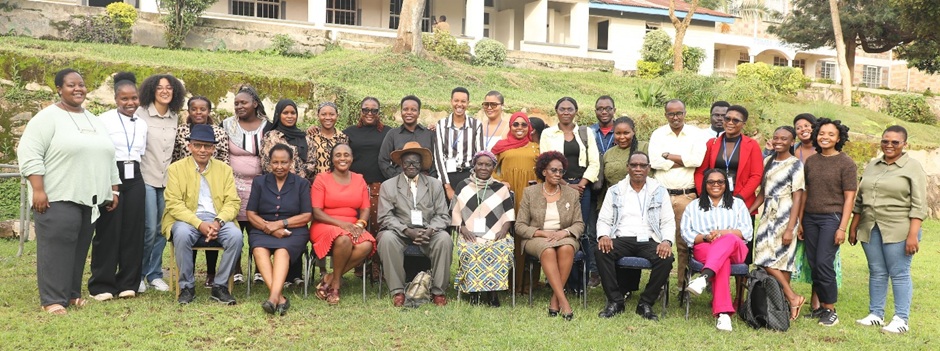
Dr. Pricillah Migiro Advocates for a Hybrid Healthcare Future for Africa as Fellows Assess Integration of Western and Traditional Healing Practices
As African nations strive towards the 2030 goals for Universal Health Coverage, a critical question has emerged: Can Western biomedicine and traditional healing systems coexist? During the MMUST AFRIAK Hub residency, Dr. Pricillah Migiro, a distinguished paediatrician and one of the Hub’s visiting mentors, on 26th March 2026, presented a compelling case for the integration of these two systems. She argued that the future of African healthcare lies not in choosing one over the other, but in creating a synchronized, ‘people-centred’ health system.
In her presentation titled, ‘Can we Integrate Western and Traditional Healing Practices’, Dr. Migiro highlighted the foundational similarities between the two. She noted that both systems operate rigorous apprenticeship models where seniors mentor novices, and both rely on medicines derived from the same natural reservoirs of plants, minerals, and animals. Dr. Migiro also revealed that both systems have developed specialized treatments for different demographics and that they also constantly navigate the challenge of professional integrity, distinguishing genuine practitioners from unqualified ‘quacks.’
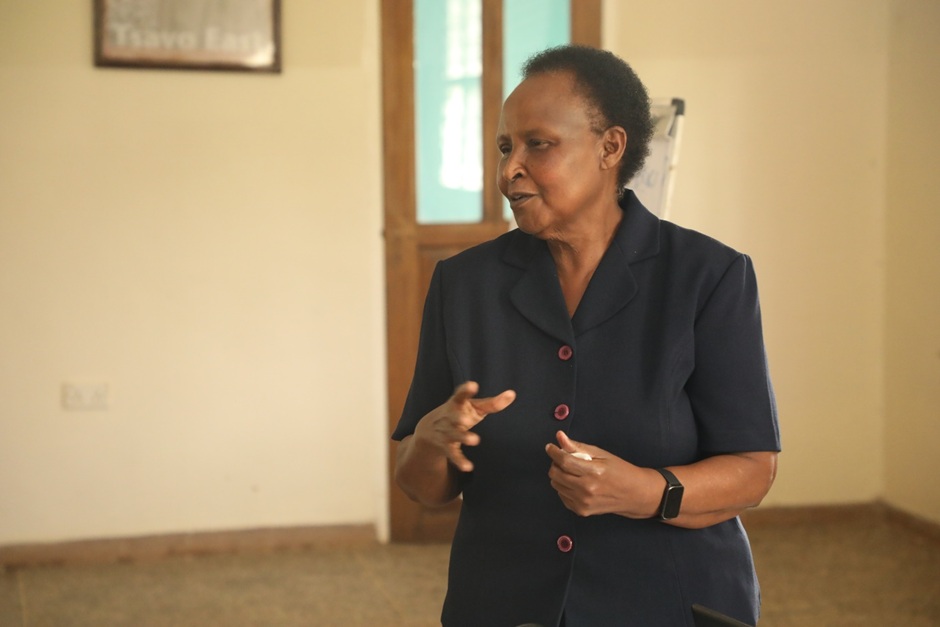
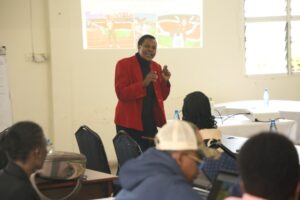
Dr. Pricillah Migiro, a distinguished paediatrician and one of the Hub’s visiting mentors engaging the fellows.
Despite these commonalities, Dr. Migiro acknowledged significant operational differences. While biomedicine utilizes clearly defined training periods and strict legal sanctions for mistakes, traditional medicine often lacks these standardized benchmarks. She observed that traditional medicine treats a patient holistically through a single practitioner, whereas biomedicine is highly compartmentalized, often requiring multiple referrals for a single case.
To elevate the uptake of traditional medicine, she outlined a roadmap focused on trust, documentation, and policy. She emphasized the need to recognize the role of traditional medicine in health by creating trust between practitioners, communities and government systems. “We must create platforms to establish rules of practice, which will lead to formal policy and laws. In addition, we need to be precise in documenting what works, including preparation methods, precise measurements of remedies, contraindications and demographic-specific requirements,” she explained.
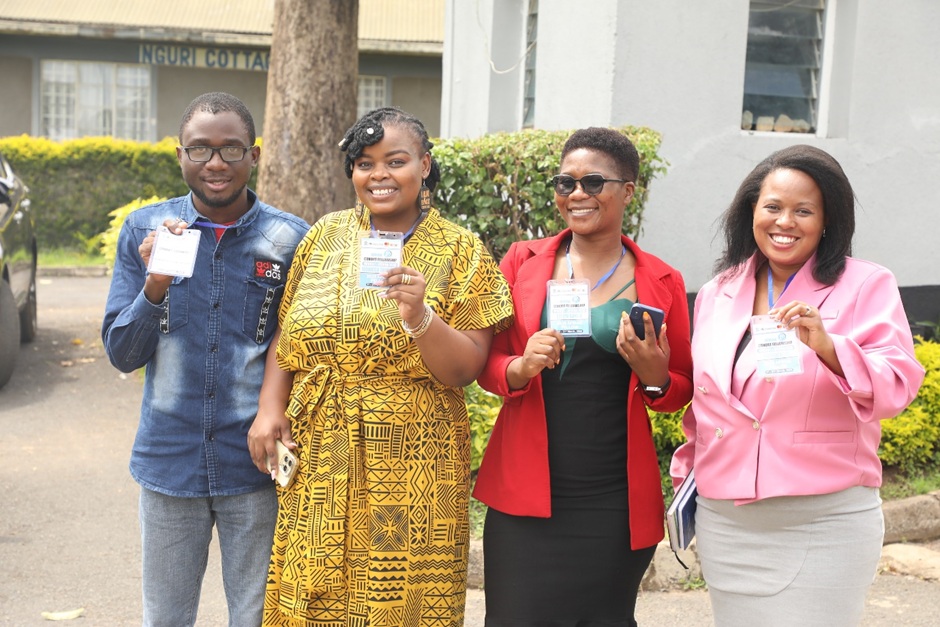
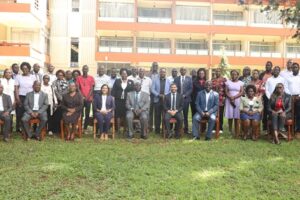
A section of fellows share a moment after the day’s engagements.
Further, she pointed to the World Health Organization’s (WHO) 2019 report, which advocates for policies, laws and national offices for traditional and complementary medicine. To date, 88% of WHO member states have adopted such national policies.
Her presentation also highlighted South Africa as a gold standard. Through its Indigenous Knowledge Systems Policy (2004) and the Indigenous Knowledge Act (2019), she noted that South Africa created a platform for traditional practitioners to self-regulate, accredit members, and define qualifications in a manner similar to the biomedical field.
“Kenya is following this trajectory with the Traditional and Alternative Medicine Bill of 2025, which aims to provide a legal framework for indigenous knowledge,” she stated.
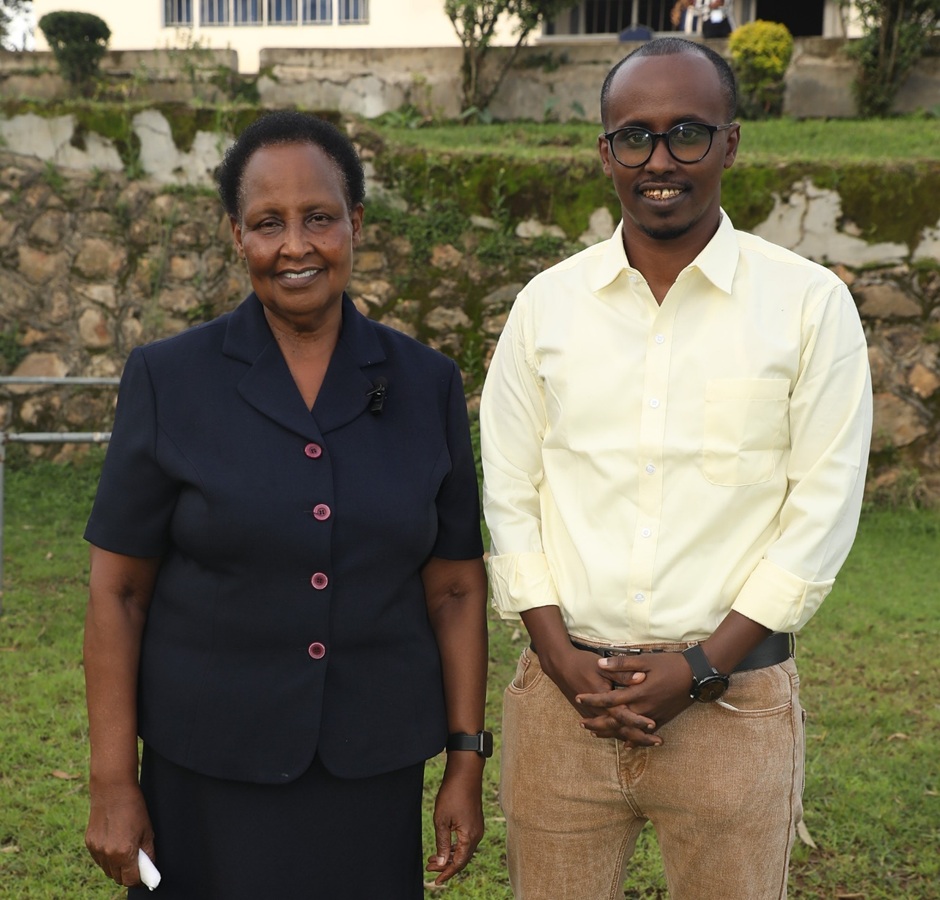
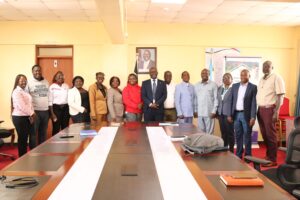
Dr. Migiro (left) with her mentee, Mohamed Ahmed.
Further, she argued that integration requires looking beyond differences to finding areas of convergence in order to tackle the unique health challenges of the 21st century. According to Dr. Migiro, in an ideal world, traditional medicine would be a standard option by a well-functioning, people-centred health system that balances curative and preventive care through mutual cross-referrals.
“This is an exciting time for Africa! With our young researchers, we can document this knowledge into tools for policy, laws, strategies, and guidelines. It is not a ‘one-shoe-fits all’ approach, but by learning from each other, we can build a healthcare system that is both scientifically sound and culturally sensitive,” she remarked.
Certainly, there is a need to professionalize our own indigenous knowledge, and turn ancient wisdom into evidence-based medicine for tomorrow!
By Caren Nekesa
Photos by Shiundu Masafu