MMUST AFRIAK Fellows Engage His Royal Majesty King Mumia II on Ancestral Wisdom and Indigenous Knowledge
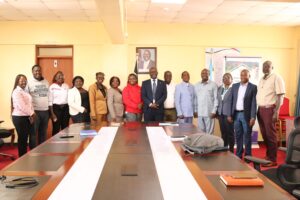
In an effort to explore and preserve African heritage, academic fellows from the Masinde Muliro University of Science and Technology’s AFRIAK CODESRIA program, on 16th March, 2026, visited the Nabongo Cultural Center, a shrine of the Wanga Kingdom of the Luhya people in Kenya. Led by the Deputy Director MMUST Institute of Indigenous Knowledge, Cultural Studies and Climate Change, Dr. Lucy Mandillah, who is also the MMUST AFRIAK Project Coordinator, the fellows engaged in intensive discussions with His Royal Majesty King Peter Mumia II on the ancestral wisdom and governance of the Kingdom. This rare, first-hand interaction, provided the fellows with deep insights into the intricate spiritual rites and indigenous knowledge systems that have sustained the Kingdom for centuries.
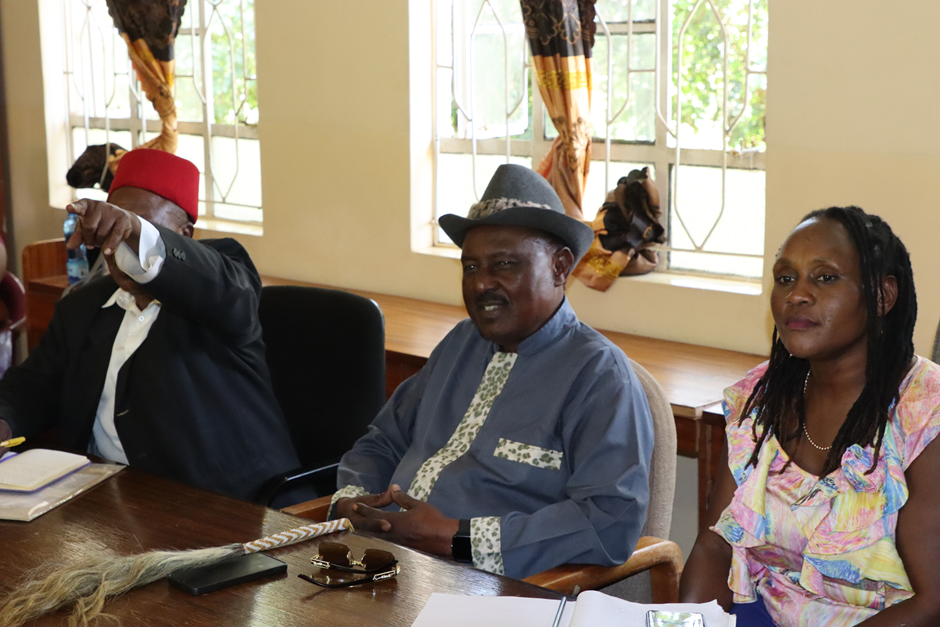
MMUST AFRIAK Program Coordinator, Dr. Lucy Mandillah (right); His Majesty King Peter Mumia II (centre); and the Secretary General of the Council of Elders, Mr. Ali Wamanya during the event.
Speaking during the meeting, His Royal Majesty King Peter Mumia II, the 14th King of the Nabongo Kingdom, noted that traditional monarchies remain the primary custodians of indigenous knowledge. Addressing contemporary challenges with a blend of ancient wisdom and modern realism, the King revealed an ongoing digitization program in partnership with the National Museums of Kenya, aimed at preserving these traditions for future research.
“My work is cultural. I do not perform administrative duties of the government, but I am frequently consulted when advice is required on cultural issues or any programme involving heritage at both the county and national levels,” he stated.
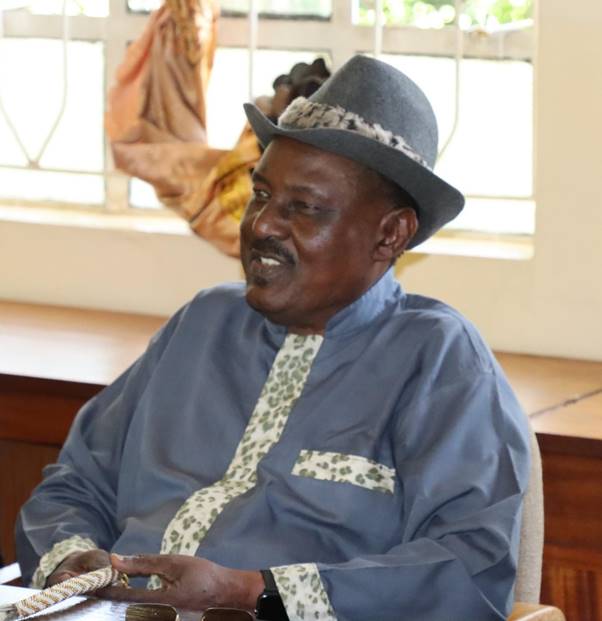
His Majesty King Peter Mumia II, the 14th King of the Nabongo Kingdom.
During the interactive session, the fellows engaged the King and his Council of Elders on a broad spectrum of issues ranging from social ethics and mental health support systems to the indigenous science of traditional diets.
Addressing the subject of diplomacy, the King explained that the practice of polygamy was a strategy for regional peace. He revealed that by marrying several wives from the neighbouring Luo community, his predecessors successfully built relationships that prevented inter-ethnic conflict. “It was a strategic necessity that ensured the majority of the people shared a common lineage. This guaranteed safety and unity,” he explained. The dialogue further delved into the vastness of indigenous knowledge. The King cautioned that it is not merely a subject for a day’s discussion but a life-long discipline, noting that it had taken them three months to compile their current documentation on practical traditions.
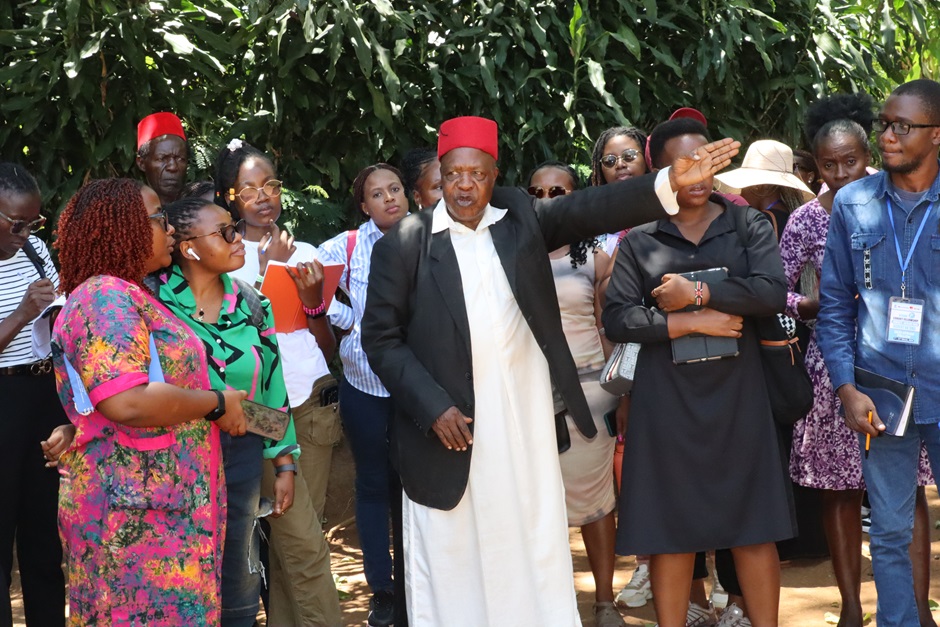
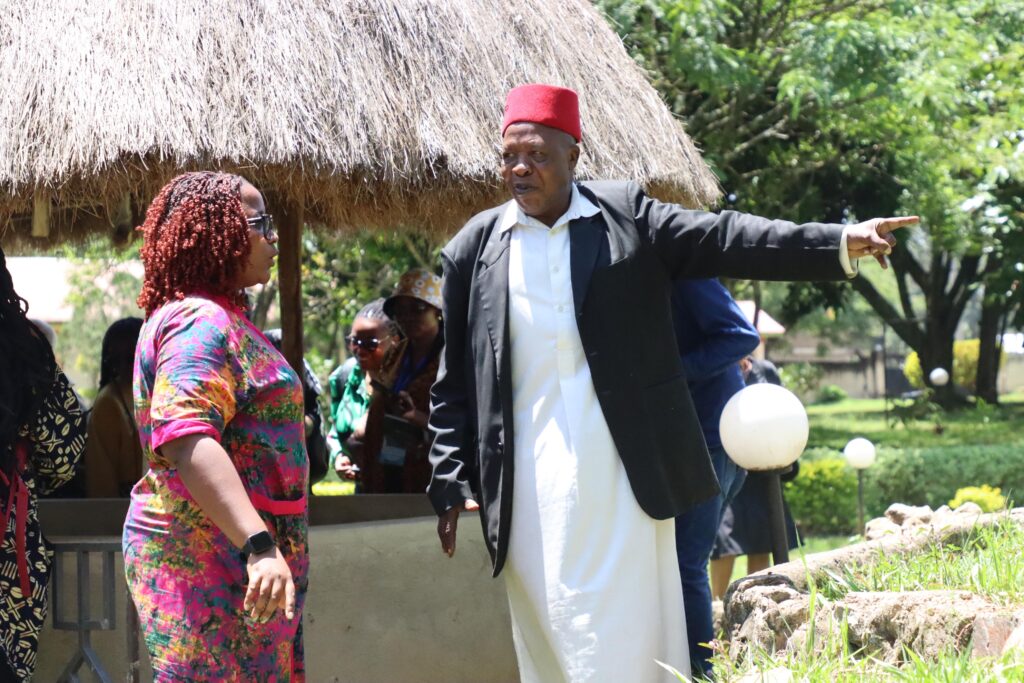
The Secretary General of the Kingdom’s Council, Mr. Ali Wamanya engaging the fellows during the tour at the shrine.
Discussing the Kingdom’s succession laws, the Secretary General of the Kingdom’s Council, Mr. Ali Wamanya pointed out that the appointment of a successor is usually a matter of absolute secrecy between the King and his elders. “Not even the immediate family knows the chosen one until after the King has passed on,” said Mr. Wamanya, adding that the Council of Elders maintain the right to vet the King’s choice, ensuring that the predecessor meets the high standards required to guide the community.
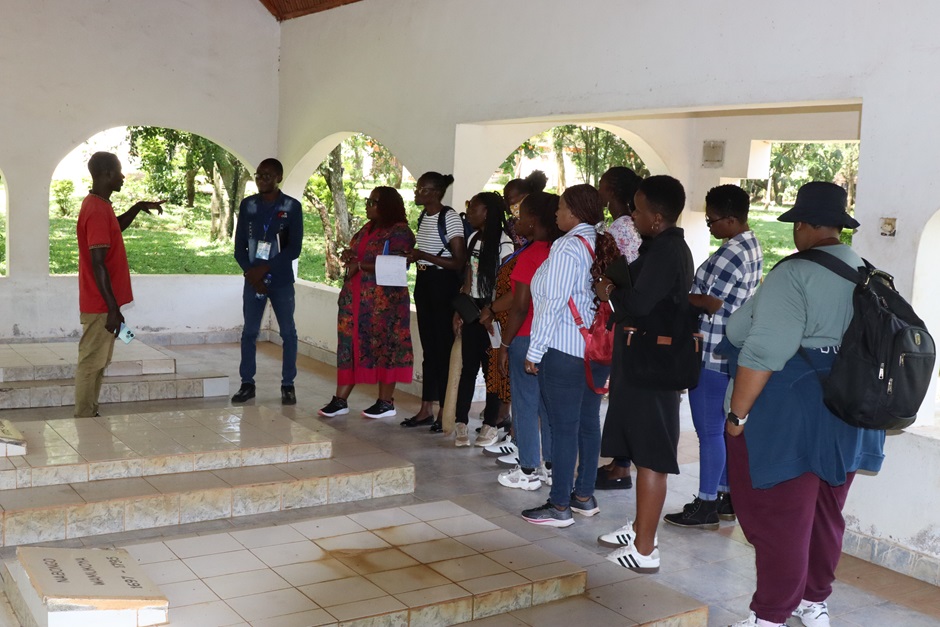
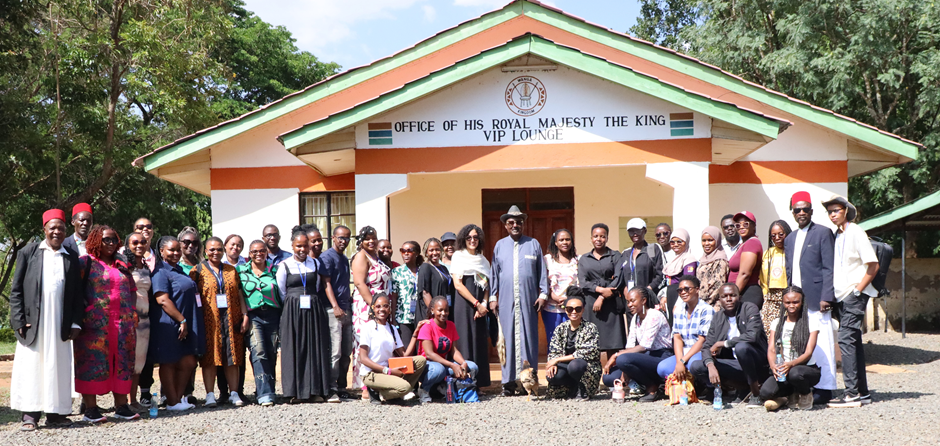
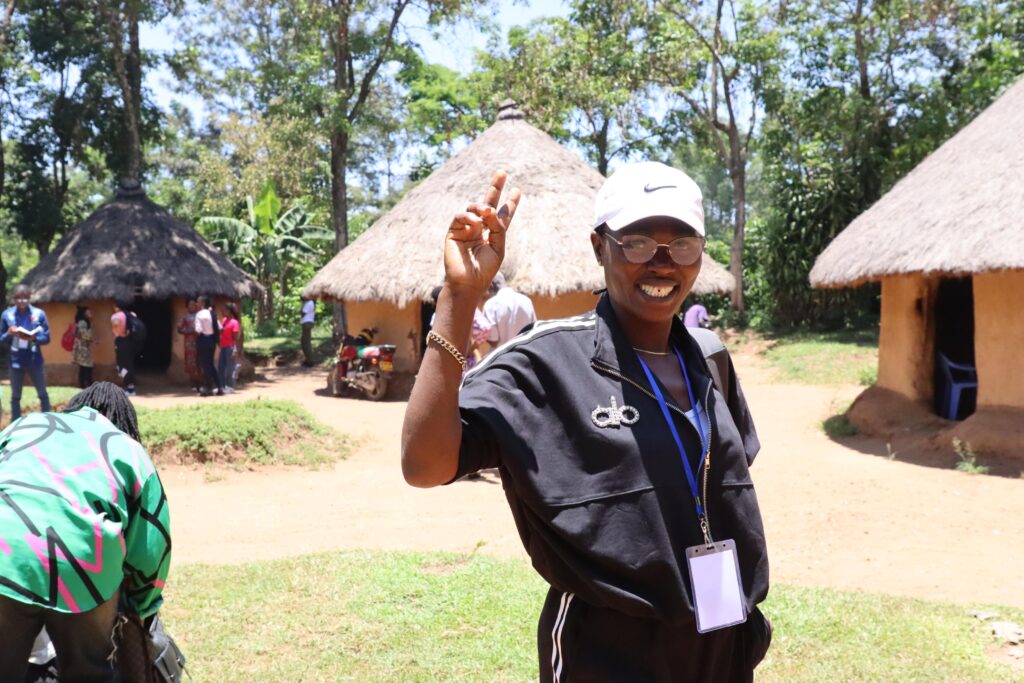
A section of the fellows at the mausoleum, Nabongo Cultural Centre.
Notably, the fellows had a tour of the Nabongo Museum, where they interacted with vast artefacts from iron ore farm equipment and grinding stones to ceremonial drums and pottery. The fellows also had the opportunity to visit the royal mausoleum, the final resting place of His Royal Majesty King Nabongo Wanga and his successors, including Nabongo Mumia and Nabongo Shitawa. Here, the fellows learnt the strict protocols of royal burials. Interestingly, the elders revealed that only those who died natural deaths were interred within the mausoleum, while those who met ‘unusual’ ends were buried where they fell, and queens were traditionally laid to rest at their matrimonial homes.
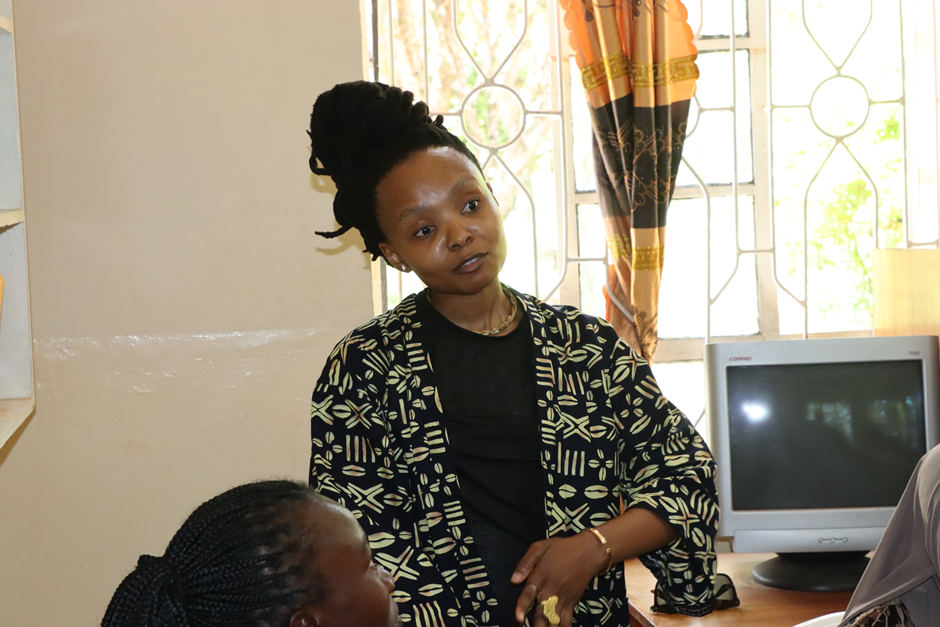
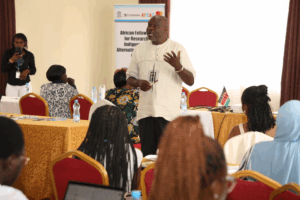
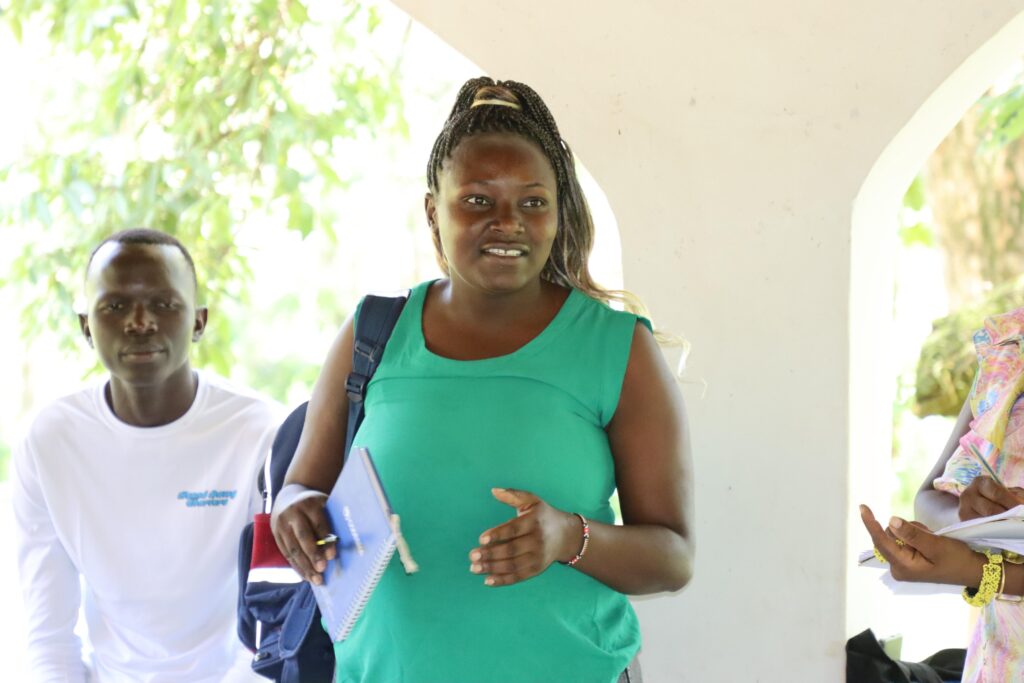
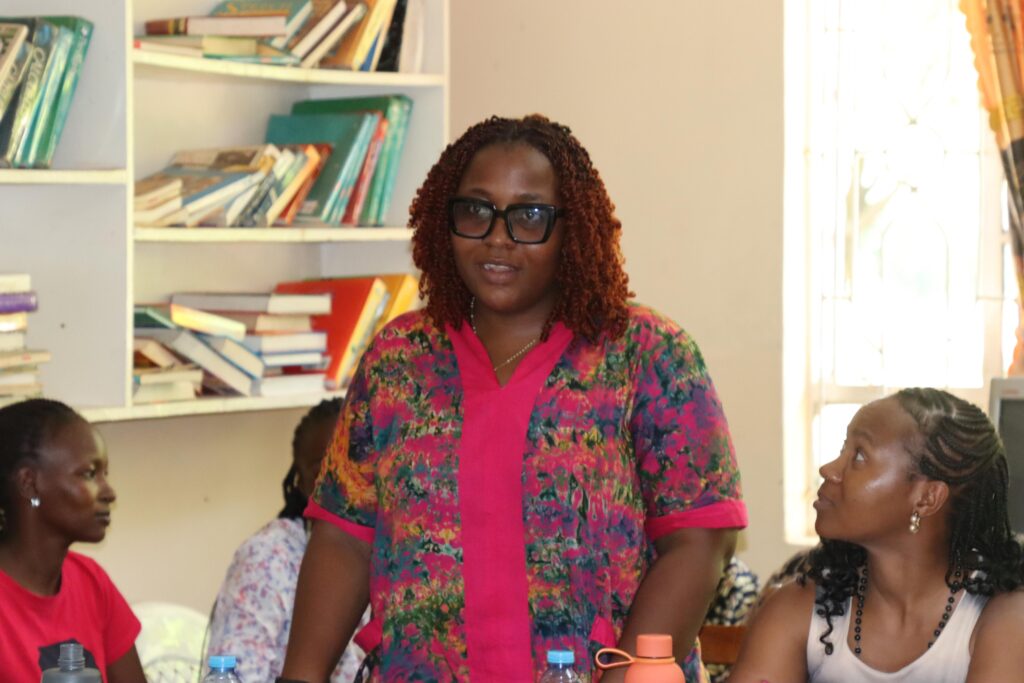
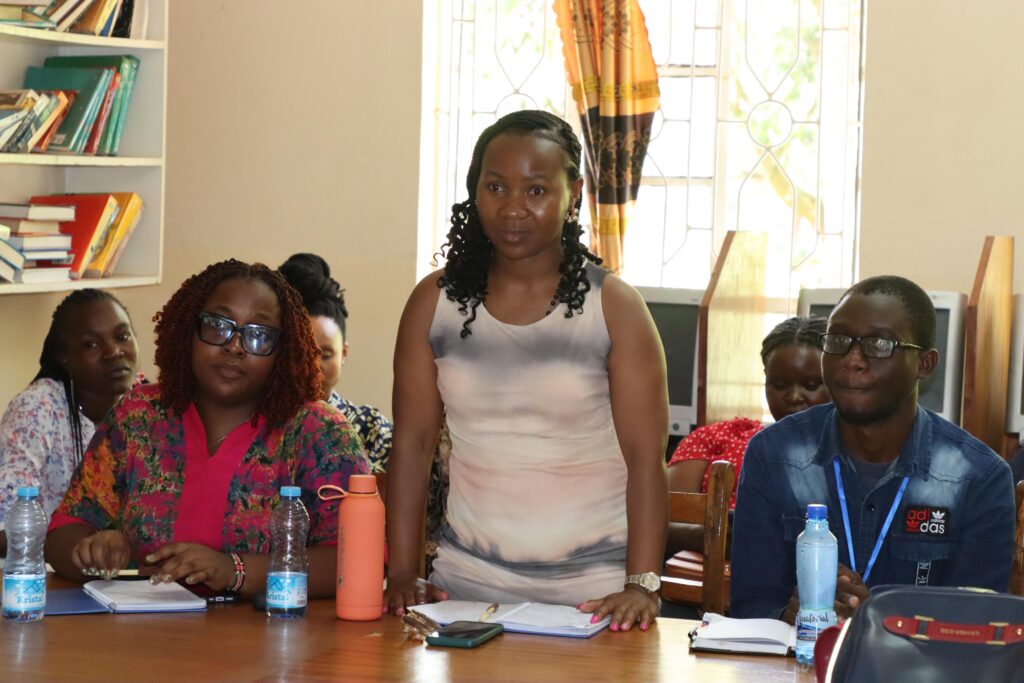
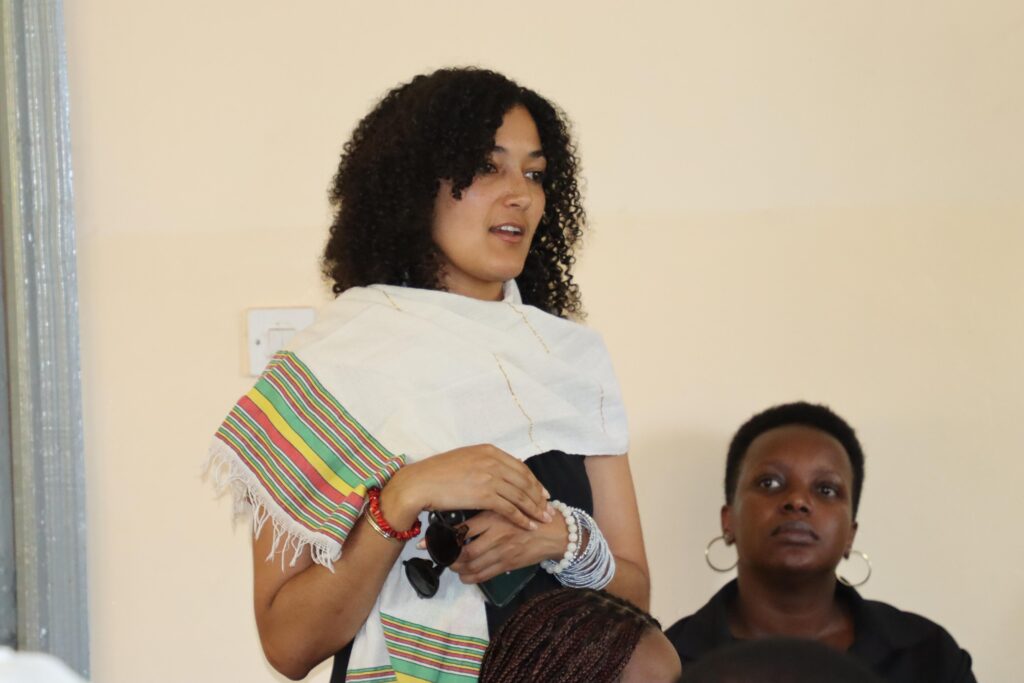
One of the fellows presenting a view during the discussions.
Mary, the female representative of the fellows, thanked the King for granting the fellows the opportunity to learn from his kingdom. “This is beyond mere knowledge for us. We will use these insights for research that does justice to the depth of African tradition.”
Despite its historical weight, the Kingdom operates as a private entity without direct donor funding, relying on partnerships with organizations like the Kakamega County Government. King Mumia II, who also serves as the Secretary General of the Forum for Kings and Traditional Leaders in Africa, continues to lobby for the formal recognition of traditional leadership within Kenya’s administrative framework.
By Caren Nekesa
Photos by Shiundu Masafu