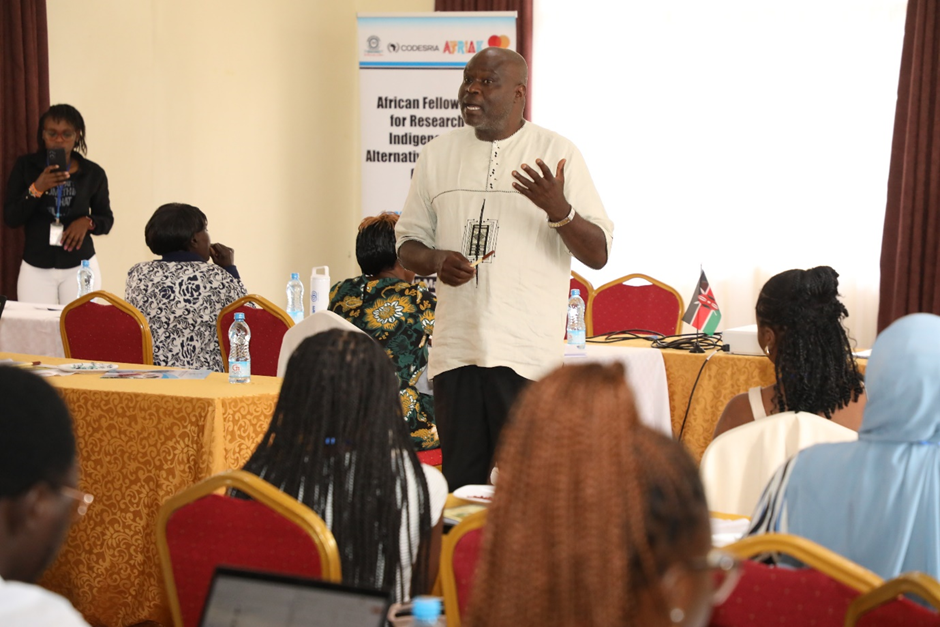
MMUST AFRIAK Hub Mentor, Prof. Kenneth Simala Unpacks CODESRIA’s 53-Year Quest for Epistemic Liberation, Commissioning Fellows as Advocates for African Knowledge!!
MMUST-AFRIAK Hub Mentor, Prof. Kenneth Simala, on 23rd March 2026, unpacked the 53-year intellectual legacy of CODESRIA, charging the first cohort of fellows to move beyond ‘research for publication’s sake’ and become soldiers in the liberation of African knowledge systems. His presentation was inspired by the strategic objective of CODESRIA’s 2023-2027 Strategic Plan: to increase the contributions of Africans to the task of understanding, interpreting and addressing the key challenges of the continent. This session and the entire residency formed a core part of CODESRIA’s strategy to strengthen the capacity of African scholars in the social sciences and humanities by empowering them to understand, interpret and produce knowledge that is relevant to our self-understanding and development.
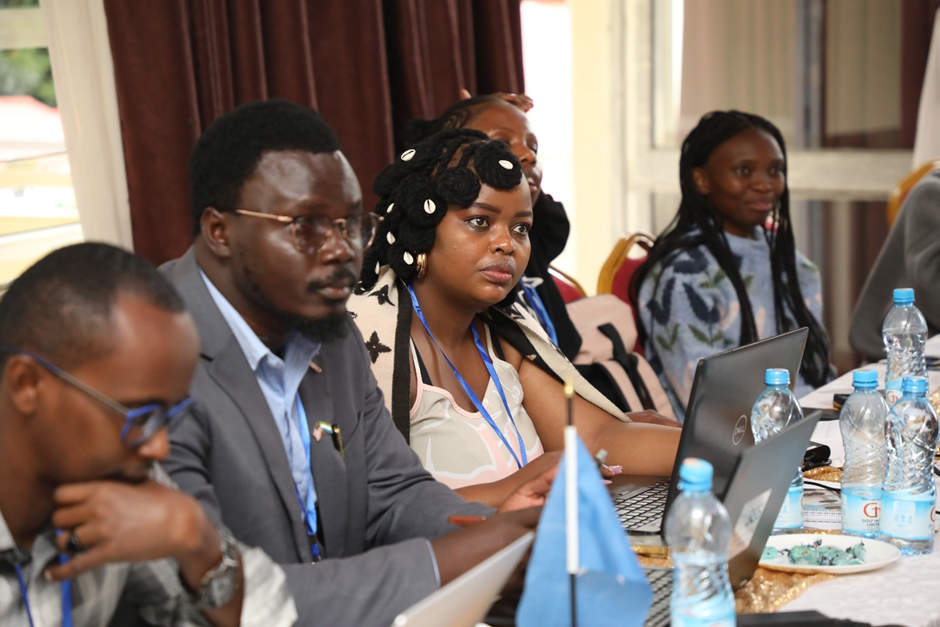
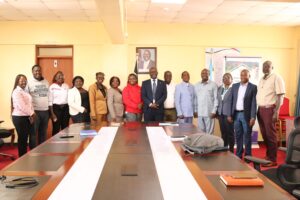
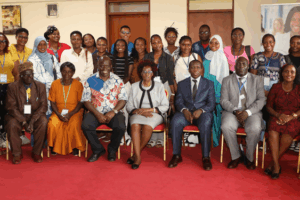
A section of the fellows keenly following the presentations.
In his address, Prof. Simala revealed that since its inception, CODESRIA’s agenda has remained steadfastly focused on African Development, undergoing critical reviews, including the refinement of its Intellectual Agenda to upscale the Council’s global scholarly impact. He challenged the fellows to situate their projects within the broader context of development by defining how their work contributes to the advancement of Africa, their respective countries, institutions, and communities.
“The research that you are engaging in now, and the work you will do after your fellowship, must contribute to you as an individual, the institution you are affiliated with, and your country. Beyond this, you need to think about how you can engage in policy dialogues. Your work must also offer recommendations to those in power, the policymakers and implementers, to ensure your findings contribute meaningfully to the continent and, ultimately, to humanity,” stated Prof. Simala.
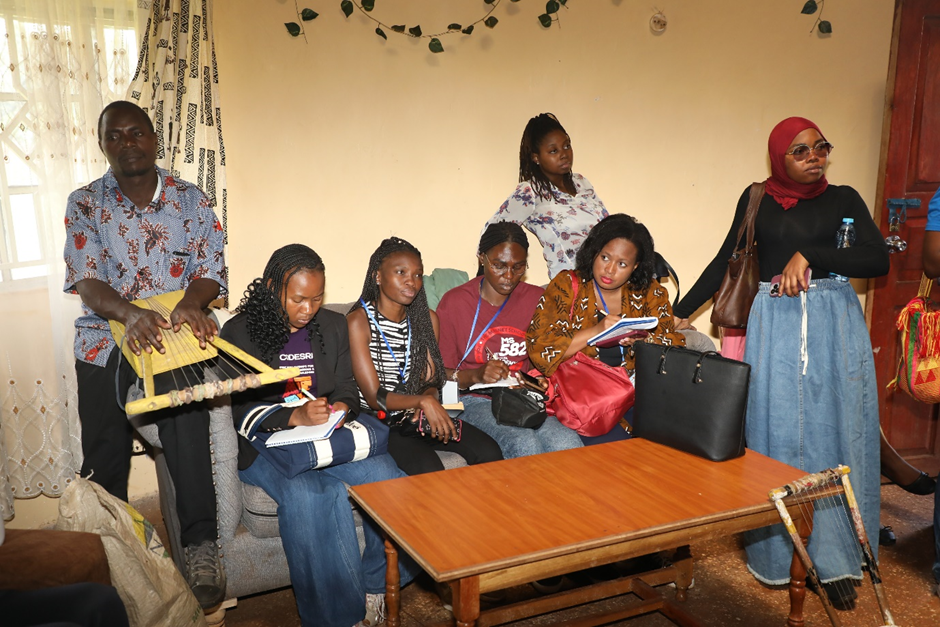
A section of fellows exploring the bukusu heritage at the Bukusu Cultural Centre during one of the field trips.
Speaking on development in Africa, Prof. Simala noted that historically, it was a top-down imposition, informed by Western theories and paradigms that failed to resonate with the continent’s social structure, culture, and indigenous knowledge systems. As a result of this, the prevailing argument has been that Western ‘experts’, view development as something to be ‘given’ to the local population, a mindset that birthed the concept of empowerment. “Your research is vital because it is fundamentally about culture. You can only succeed if you are truly convinced that indigenous knowledge has intrinsic value. I urge you to take a critical look at your research through this lens,” he noted.
In addition to this, Prof. Simala urged the fellows to adopt a specific theoretical orientation; decolonial theory and African epistemologies. “Africa has a role to play in global knowledge production and dissemination as well as theory building. You must argue for the value of indigenous knowledge systems and technologies,” he said, encouraging fellows to adopt mixed methods in their methodology as social science is both qualitative and quantitative.
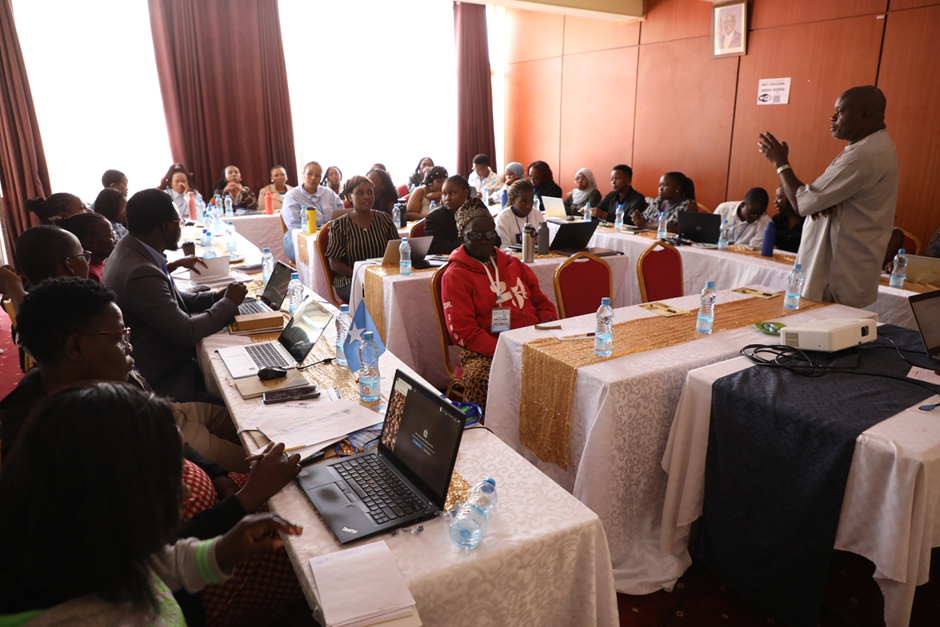
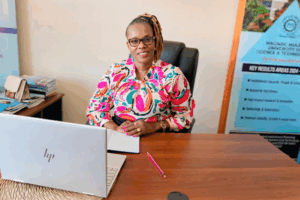
Prof. Kenneth Simala facilitating in a previous session.
Reflecting on CODESRIA’s long-standing tradition, Prof. Simala asserted that no knowledge is superior to another, positioning knowledge as a vital tool for unity and Pan Africanism. “CODESRIA seeks to liberate knowledge, and you are soldiers in this war of epistemic liberation. Let us work in service of Africa without looking at each other’s origin.”
Further, he expressed hope that this mentorship would transform the fellows into future directors and resource persons for the institution.
By Caren Nekesa
Photos by Shiundu Masafu