African Scholars Urged to Reclaim Indigenous Knowledge Systems to Solve Modern Challenges!
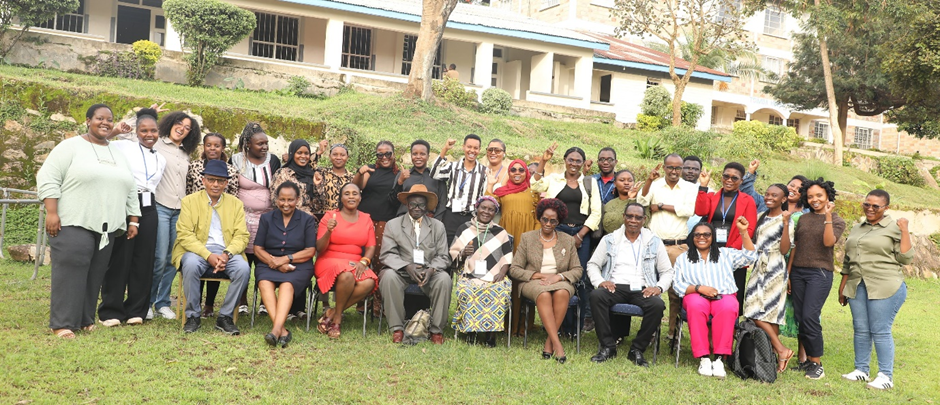
Renowned Professor of Literary Communications, Prof. Egara Kabaji has urged young African researchers to conduct more research on folklore and cultural studies as a tool for continental development. Speaking to the MMUST AFRIAK Hub fellows during their residency at MMUST on 26th March 2026, Prof. Kabaji argued that Africa’s future depends on its ability to tap into its own historical archives of memory and philosophy.
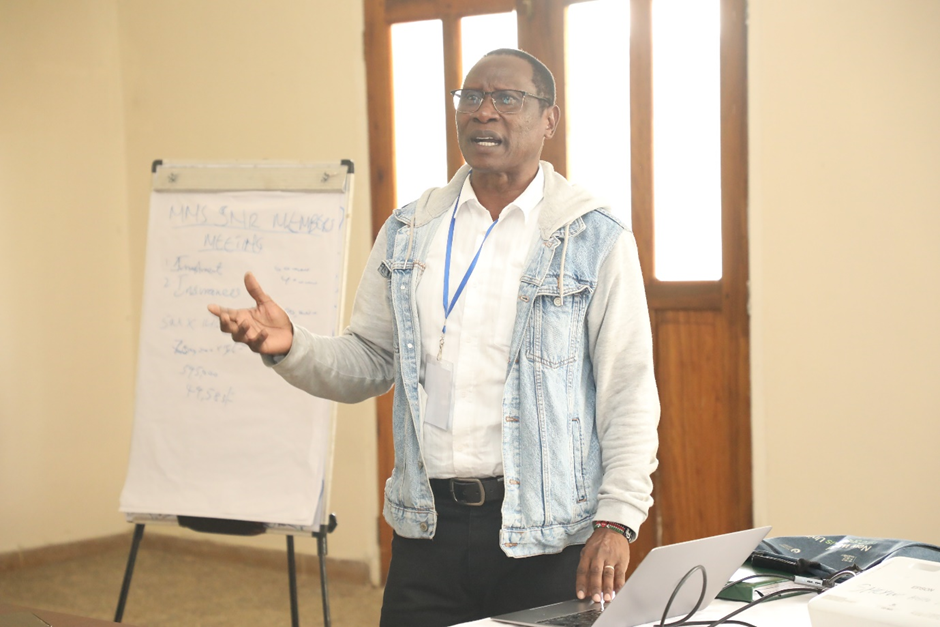
Professor of Literary Communications, Prof. Egara Kabaji makes his presentation.
While many dismiss folklore as mere storytelling, Prof. Kabaji redefined it as a sophisticated ecosystem of knowledge. “Folklore is more than oral literature. It is an archive of knowledge that has guided our societies for centuries, encompassing naming systems, marriage negotiations, agricultural practices, and community governance. To move Africa to the next level, we must direct our research into these critical areas,” he explained.
Illustrating the practical power of indigenous systems, Prof. Kabaji pointed to the aftermath of the 1994 Rwandan Genocide. When conventional legal systems were overwhelmed by the sheer volume of cases, Rwanda turned to its cultural roots, utilizing the Gacaca (traditional community courts) to process justice and foster reconciliation.
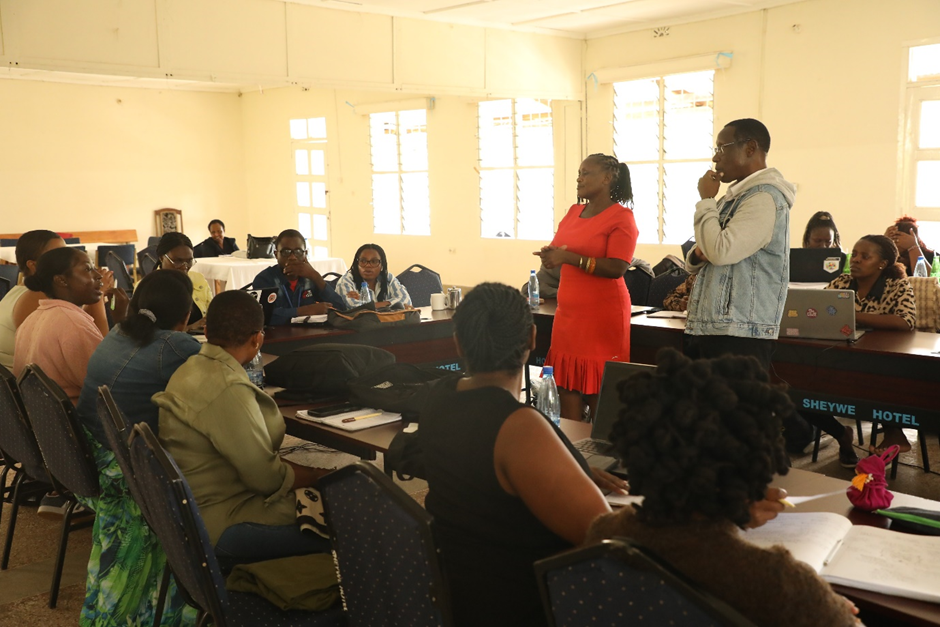
Prof. Egara Kabaji and Dr. Lucy Mandillah engage the fellows in discussions.
He noted that the dismissal of such cultural practices as ‘backward’ in favour of exclusive science and technology is a mistake that leads to a loss of identity. “A society that abandons its culture loses its memory and its direction,” he warned.
Prof. Kabaji challenged the young scholars to think beyond conventional academic silos. He identified several key areas where indigenous knowledge can provide modern solutions, including, conflict resolution, environmental conservation, medicine, community responsibility governance, and education. “For us as Africa to move to a position where we discuss issues regarding our development on our own, we need to understand ourselves. This is only possible through understanding our folklore and culture,” stated Prof. Kabaji.
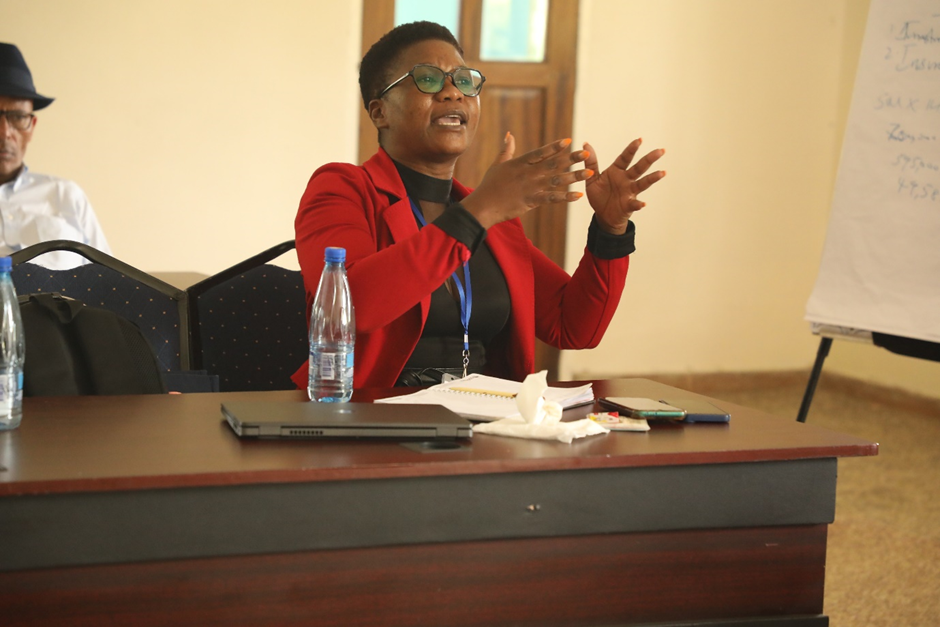
One of the fellows, Ms. Evelyn Bayani from Malawi contributes to the discussions.
As the conversations around indigenous knowledge systems continue, the challenge remains for young scholars to bridge the gap between ancient heritage and modern policy. Folklore is no longer just a window into the past, but a blueprint for a self-reliant African future.African future.
By Caren Nekesa
Photos by Shiundu Masafu