MMUST’s School of Engineering and Built Environment Engages Industry Experts to Review Its Programs in Tandem with Competency Based Education
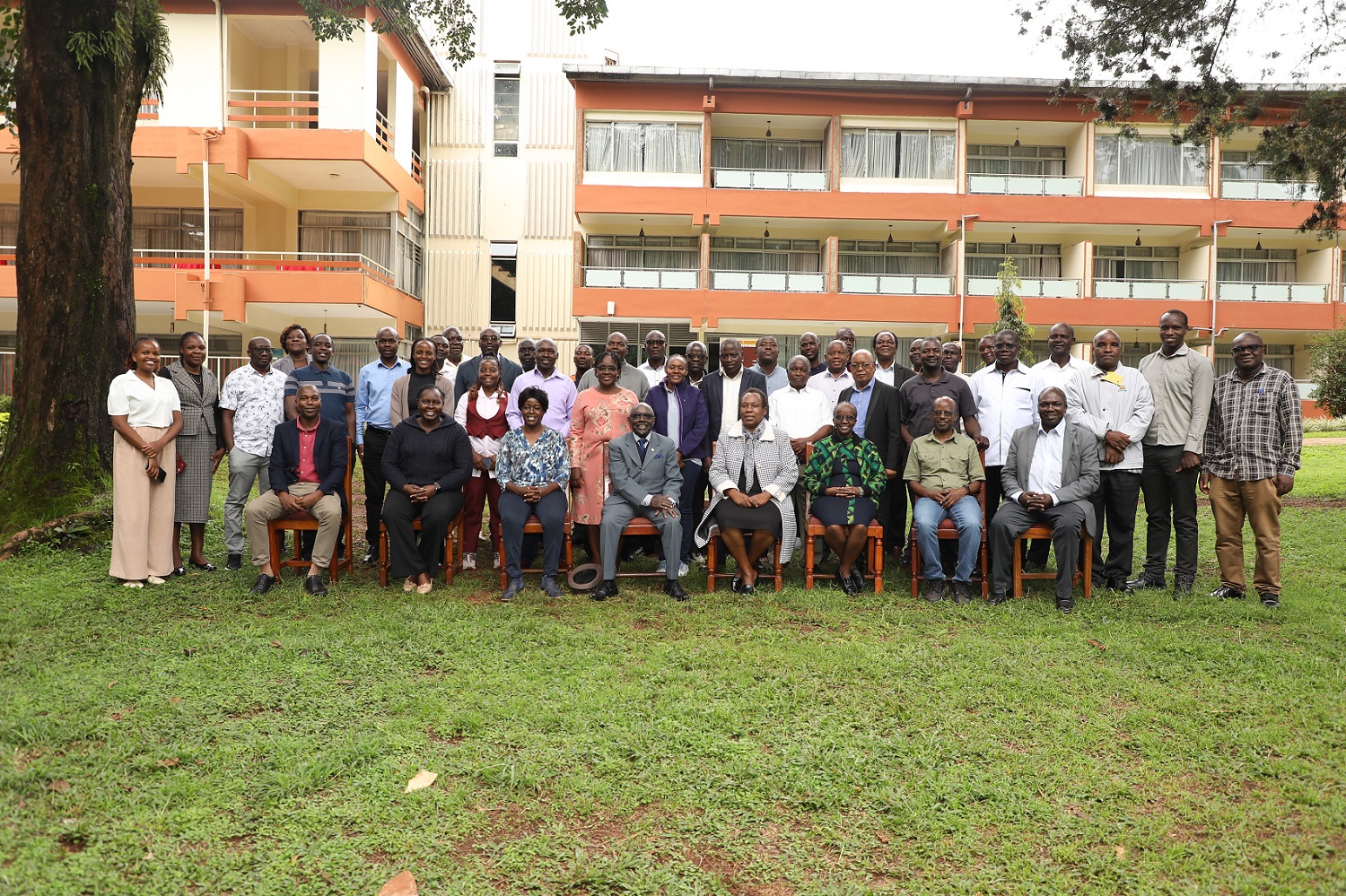
Masinde Muliro University of Science and Technology’s (MMUST) School of Engineering and the Built Environment (SEBE) on 3rd to 6th March 2026, conducted an intensive curriculum review workshop aimed at strengthening its academic programmes and aligning them with the Competency-Based Education framework. The week-long workshop brought together engineering scholars, curriculum specialists, and industry players to critically review and refine the existing six undergraduate programmes offered within the School. The engagement sought to ensure that engineering training at the institution remains relevant, practical, and responsive to the rapidly evolving demands of the engineering profession.
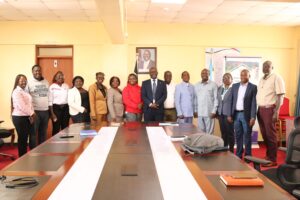
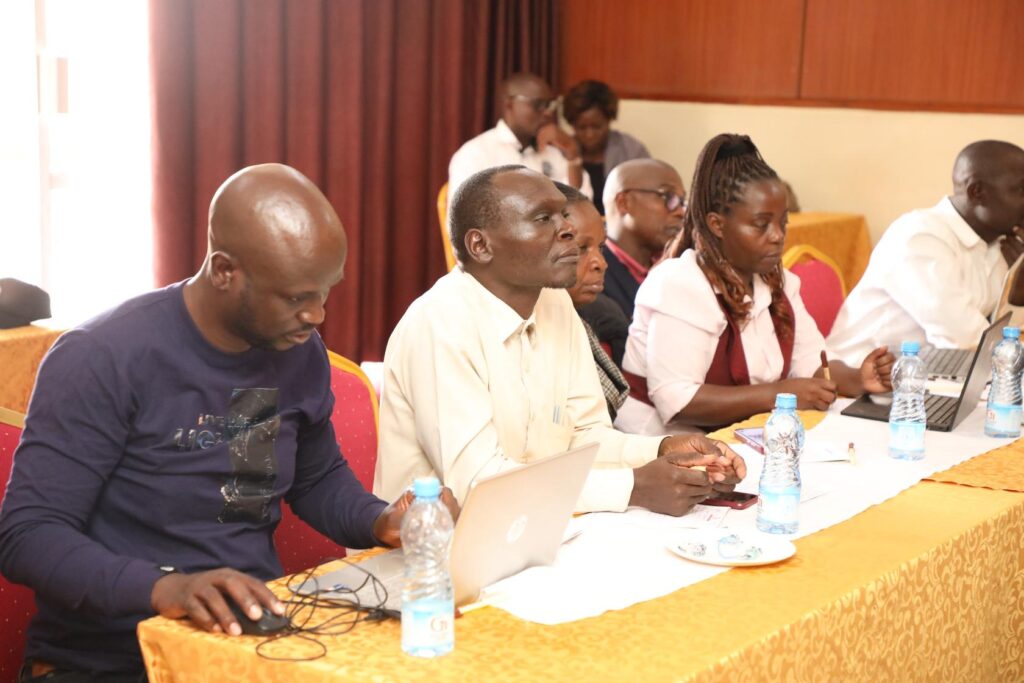
A section of the participants.
This workshop, organized by SEBE led by the Dean, Prof. Eng. Bernadette Sabuni in collaboration with the Director of Curriculum Review and Development, Dr. Teresa Okoth took place at Golf Hotel- Kakamega. Participants focused on integrating industry-driven competencies, emerging technologies, and innovative teaching methodologies that emphasize hands-on skills and problem-solving abilities.
The event was officially opened by the Deputy Vice-Chancellor (Academics and Student Affairs), Prof. Hussein Golicha, who emphasized the importance of continuous curriculum review in maintaining the quality and relevance of university programmes. He noted that institutions of higher learning must regularly evaluate and update their academic programs to keep pace with rapid technological advancements and the evolving needs of the job industry.
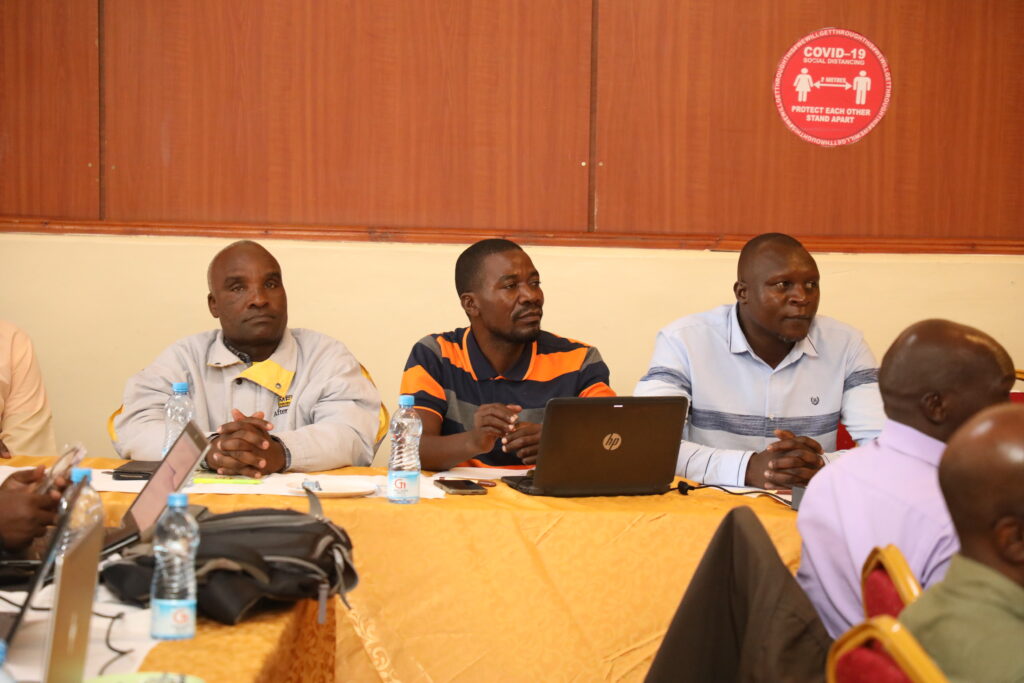
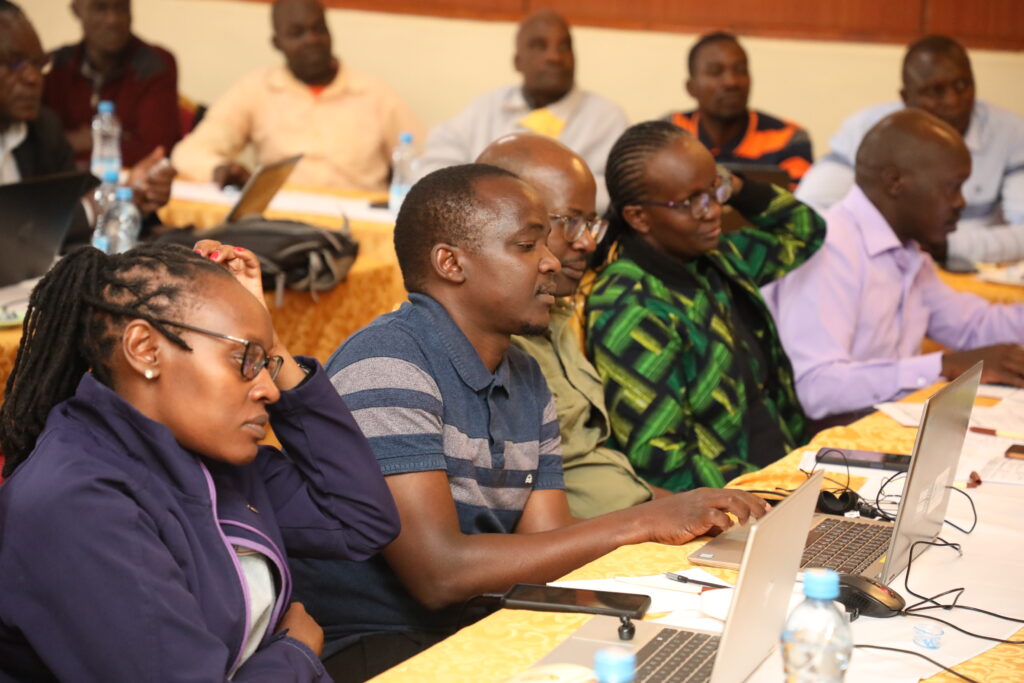
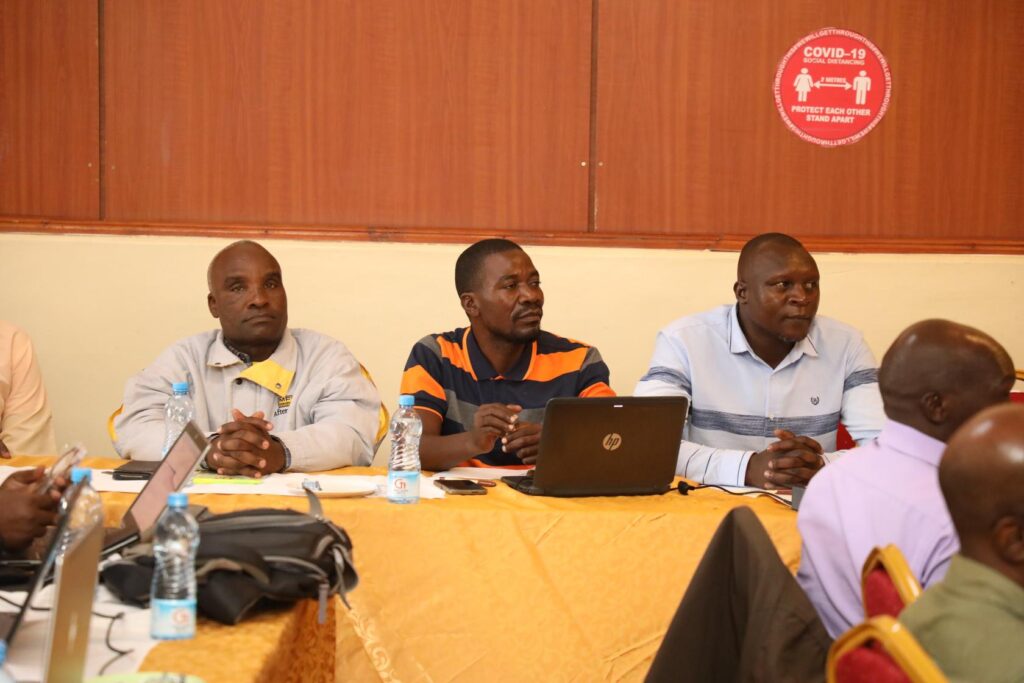
A section of the participants. at the workshop.
Reiterating the DVC ASA, the Registrar in charge of Academic Affairs, Prof. Judah Ndiku commended the School of Engineering and the Built Environment for taking a proactive approach in engaging industry experts and curriculum specialists in the review process.
Speaking during an interview with the DCCM team, Prof. Sabuni underscored the significance of the workshop, noting that the curriculum review process is a critical step in ensuring that the School’s programmes remain relevant, competitive, and aligned with current industry demands and global engineering standards. “As a School, we are keen on ensuring that our programmes remain relevant and responsive to the changing needs of the engineering industry. In order to achieve this, it is important that every member of staff takes part in this process because the successful implementation of any curriculum depends on the people who deliver it,” said Prof. Sabuni.
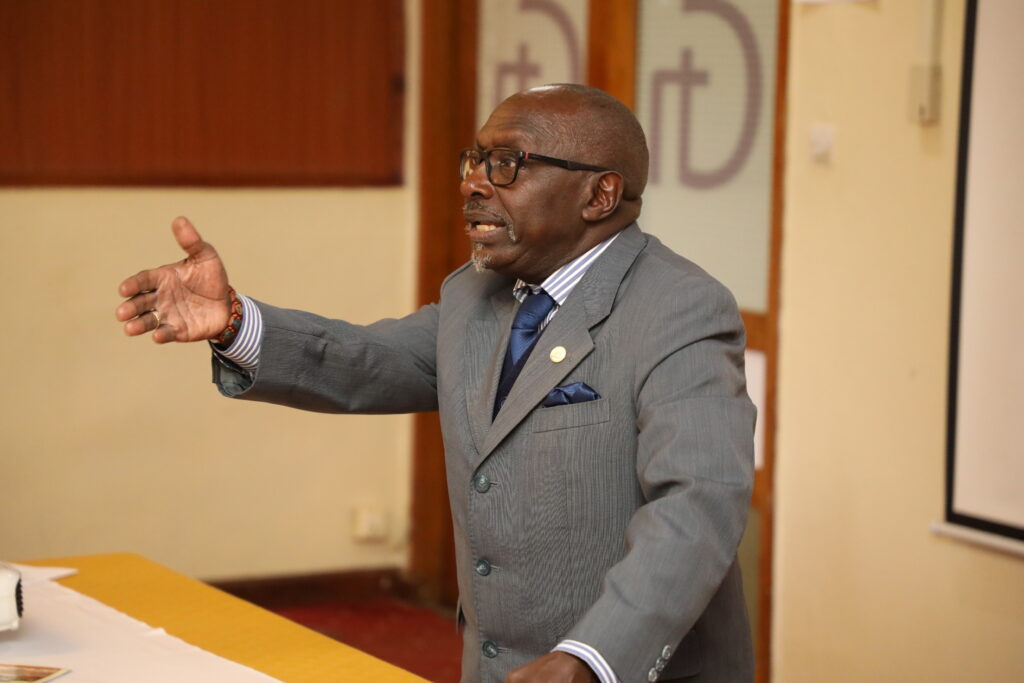
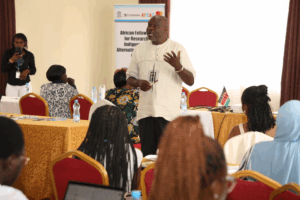
Eng. Martin Nzomo makes a presentation during the workshop.
Presenting on ‘Defining and Delivering a Biomedical Engineering Curriculum that Balances Technical Competence with Professional Skills,’ Eng. Martin Nzomo from Kenyatta University advised that it is important to design biomedical engineering programmes that integrate strong technical foundations with essential professional and interpersonal skills. According to Eng. Nzomo, these professional skills are increasingly critical in the healthcare technology sector, where engineers work closely with medical practitioners, researchers, and regulatory bodies.
Another presentation on ‘Future Trends in the Built Environment’ by Dr. Arch. Judy Kebenei from Kenyatta University highlighted the need for academic programmes to adapt to emerging technologies, sustainable design practices, and evolving professional standards in architecture and construction. Dr. Kebenei noted that the built environment sector is experiencing rapid transformation driven by digital tools such as Building Information Modelling (BIM), smart infrastructure, and green construction technologies which graduates must be well conversant with during their practice.
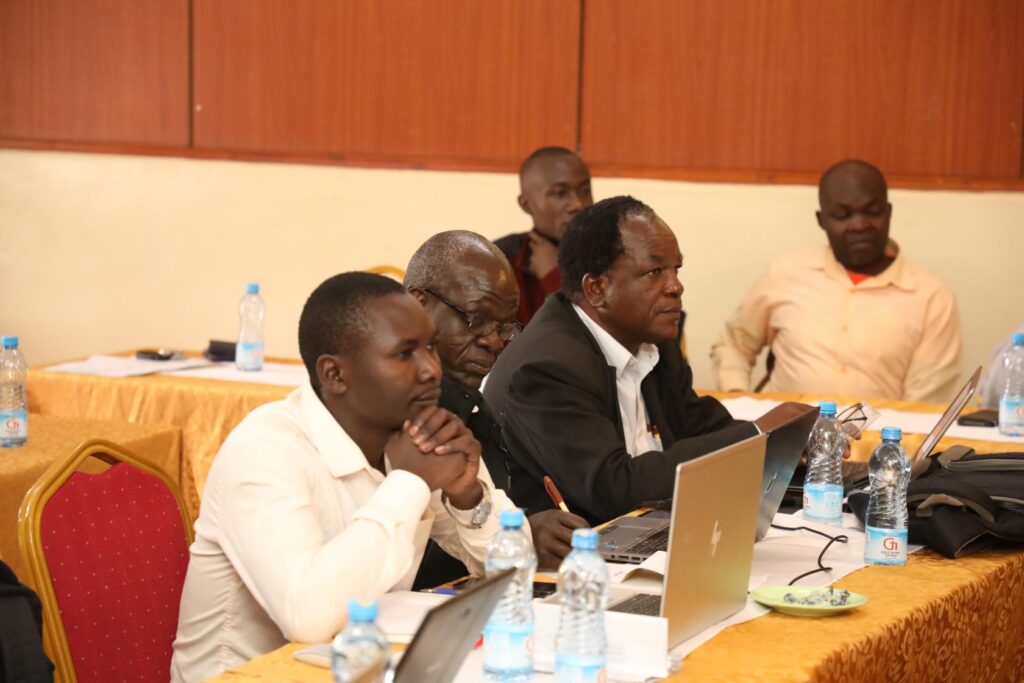
The engineers at the event.
Industry players also underscored the importance of strengthening collaboration between universities and emerging innovation hubs such as Konza Technopolis, noting that partnerships between academia and industry are essential in preparing students for real-world engineering challenges.
As part of the workshop outcomes, the School of Engineering and the Built Environment is set to launch four new programmes including Bachelor of Science in Biomedical Engineering, Bachelor of Science in Mechatronic Engineering, Bachelor of Science in Mining and Mineral Processing, and Bachelor of Science in Architecture. These programmes are expected to respond to emerging technological fields and the growing demand for specialized engineering expertise.
Certainly, the outcomes of the workshop will inform the development of revised curricula that will enhance the quality, relevance, and competitiveness of engineering training at MMUST. Similarly, the rolling out of the new programs will further expand opportunities for students and strengthen MMUST’s role in producing skilled, industry-ready engineering professionals.
By Linet Owuor
Photos by Shiundu Masafu