MMUST’s School of Arts and Social Sciences Undertakes Comprehensive Capacity-Building Exercise in Competency-Based Education Ahead of 2029 CBC Cohort
MMUST’s School of Arts and Social Sciences (SASS) has undertaken a comprehensive capacity-building exercise in Competency Based Education (CBE) in preparation for the anticipated first cohort of CBC learners expected in 2029. The week-long training, which was held from 16th to 20th February 2026 at Golf Hotel, Kakamega, was facilitated by Prof. Judith Orogun, a Curriculum and Program Quality Consultant at Mohawk College of Applied Arts and Technology-Canada. The training which brought together SASS academic staff for a rigorous and consultative exercise, is part of a project funded by Academics Without Borders (AWB) titled ‘Needs Assessment for the Revision of School of Arts and Social Sciences Programs to Suit the New National Competency Based Curriculum Requirements.’ AWB is a global organization dedicated to supporting higher education in developing regions to expand and improve their existing institutions’ programs.
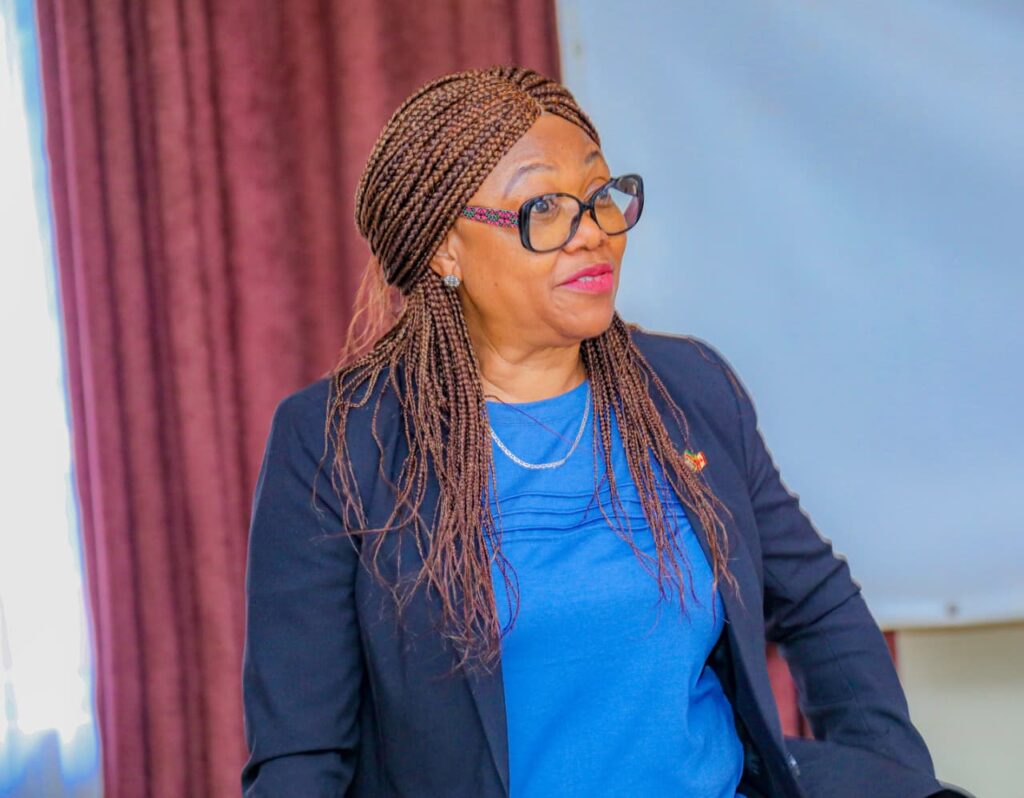
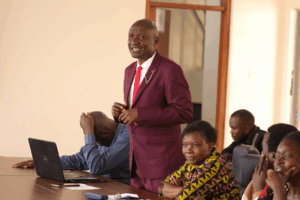
Prof. Judith Orogun speaks at the workshop.
Prof. Orogun, an AWB ambassador, is renowned for her global impact in advancing curriculum innovation and program quality. Speaking during an interview, she commended MMUST for taking a proactive approach in preparing for the 2029 CBC cohort. Prof. Orogun advised the University to identify and train a select team of staff with Competency-Based Curriculum (CBC) skills to serve as Trainer of Trainers (ToT). The team, she noted, should pilot the implementation in selected programmes before cascading the training to the rest of the faculty.
Addressing participants, Prof. Orogun underscored that CBE is not merely a structural reform but a transformative shift in teaching philosophy. She called on faculty to embrace innovative pedagogical strategies, continuous assessment methods, and experiential learning opportunities that align with global best practices.
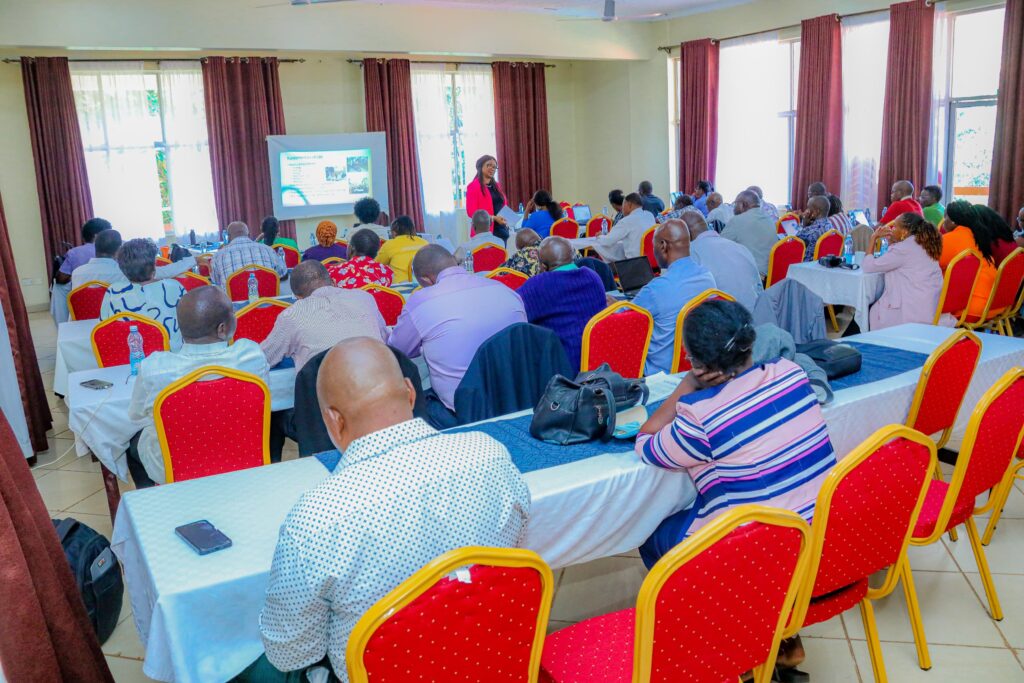
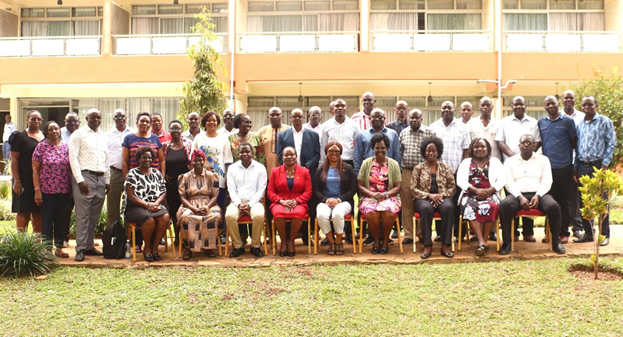
A section of the participants.
Presenting on the ‘Purposes of Assessment,’ she highlighted the key components of effective assessment, including diagnostic, formative, and summative approaches, noting that each serves a distinct yet complementary function within the learning process.
“Diagnostic assessment helps identify learners’ prior knowledge and gaps at the onset of instruction; formative assessment provides continuous feedback to guide improvement during the learning journey; while summative assessment evaluates overall achievement at the end of a course or programme. Jointly, these approaches promote reflective practice, continuous improvement, and the development of competencies that promote lifelong learning,” she explained.
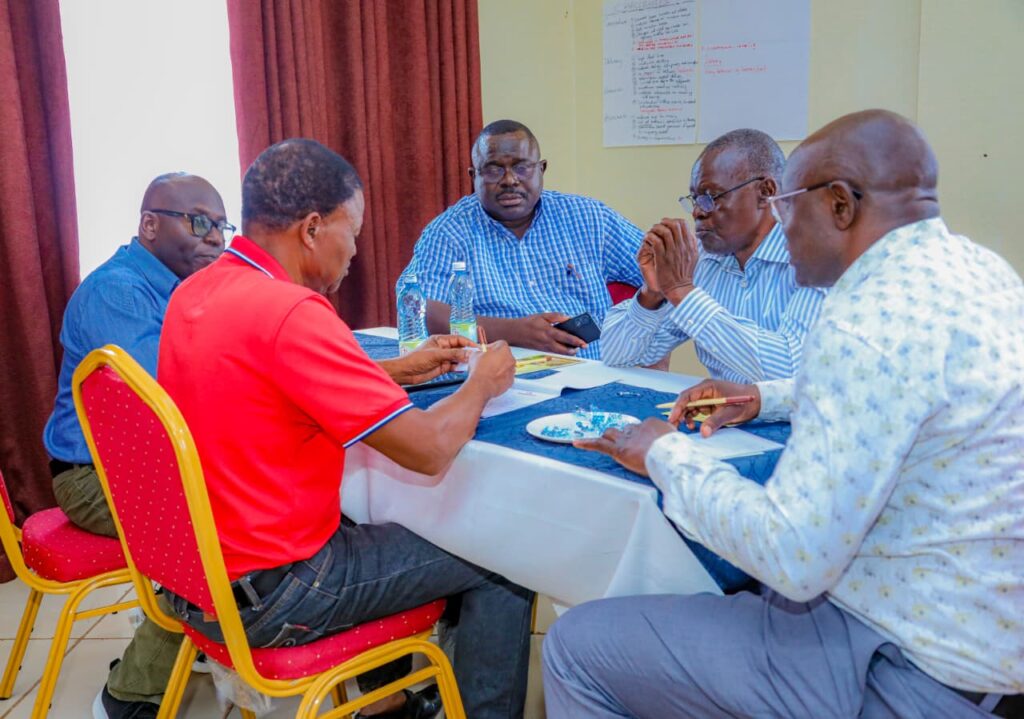
A section of SASS faculty members during a group discussion.
During one of the reflective sessions, faculty members cast their minds back to reflect on their best and worst assessment experiences during their time in the university. By revisiting their personal experiences, faculty members were able to critically reflect on the emotional and academic dimensions of assessment, further informing the curriculum review. This session provided valuable insights into how assessment practices impact learners. This helps in the designing of fair, inclusive, and meaningful evaluation methods under the CBE framework.
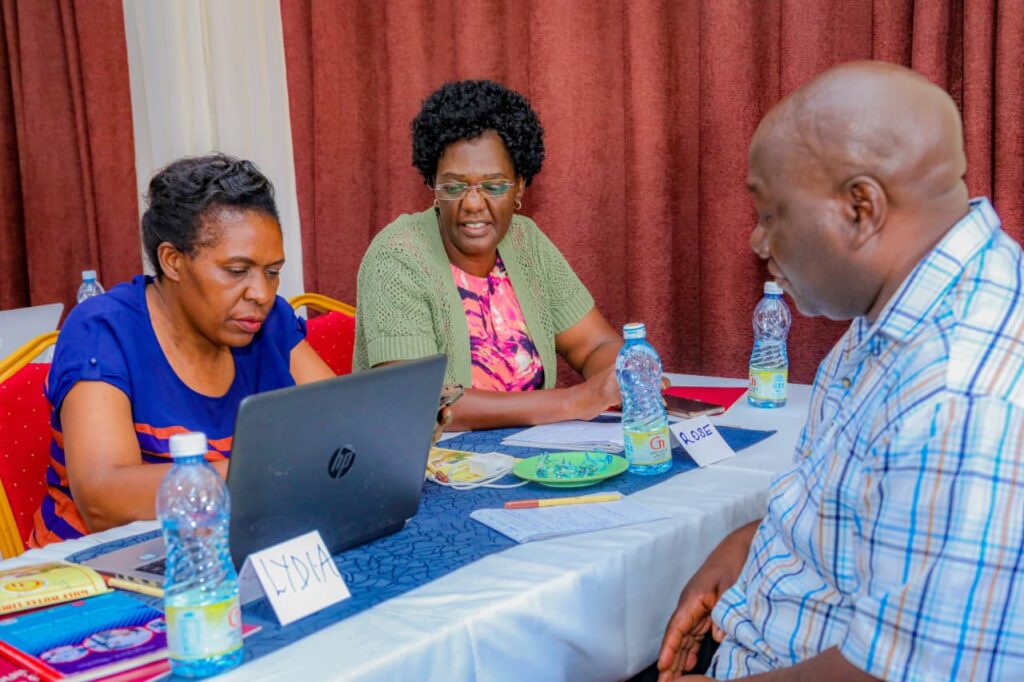
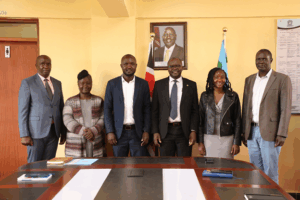
Dean SASS- Dr. Rose Auma, Dr. Joyce Kasili and Dr. David Wanina at the workshop.
“As a School we have taken steps to ensure that our lecturers have requisite skills for the implementation of CBE. This workshop has provided a platform for SASS academic staff to engage in sessions that focus on integrative curriculum design, formulation of CBC-aligned learning outcomes, vertical alignment across academic programmes, and the development of authentic, standards-based assessment strategies. This is vital in our preparedness,” said Dr. Rose Auma- Dean SASS.
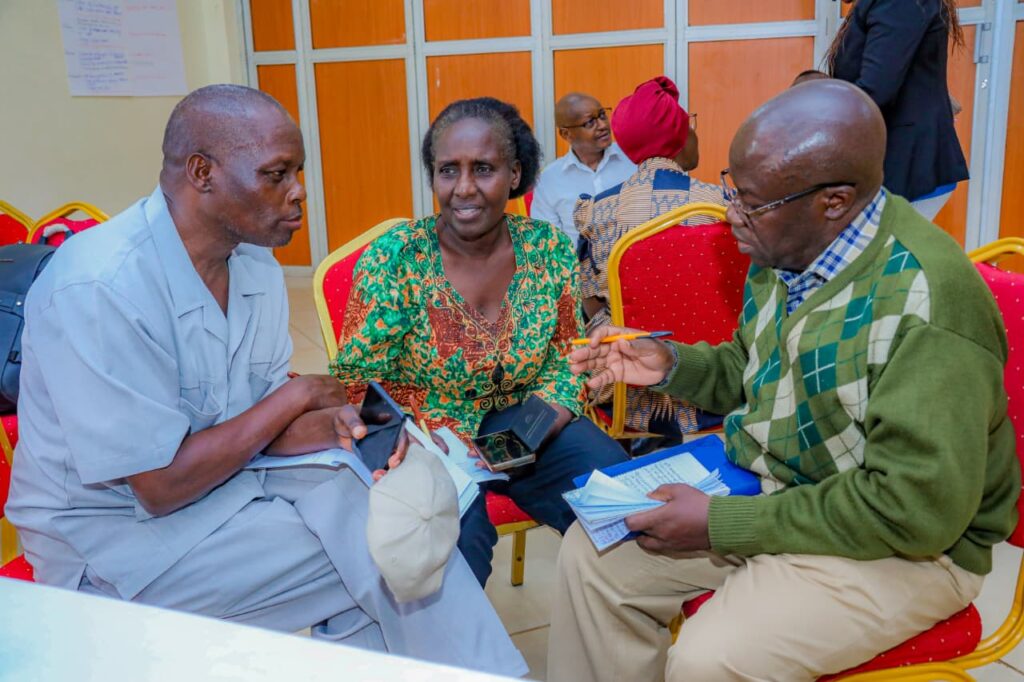
A section of SASS faculty members during a group discussion.
Reiterating the Dean, the Associate Dean, SASS, Dr. David Barasa, emphasized that the workshop is both strategic and timely, noting that the first cohort of Competency-Based Curriculum (CBC) graduates is expected to join the University in 2029. He underscored the importance of equipping faculty and staff with the necessary skills and insights to effectively support and engage this new generation of learners.
MMUST scholars working on this project ‘Needs Assessment for the Revision of School of Arts and Social Sciences Programs to Suit the New National Competency Based Curriculum Requirements,’ include Dr. Rose Auma, Dr. Lydia Anyonje, Dr. Joyce Kasili and Dr. Bernard Mudogo. The workshop was also attended by the First lady of Kakamega County, Prof. Janet Kassily Barasa, a faculty member in the School.
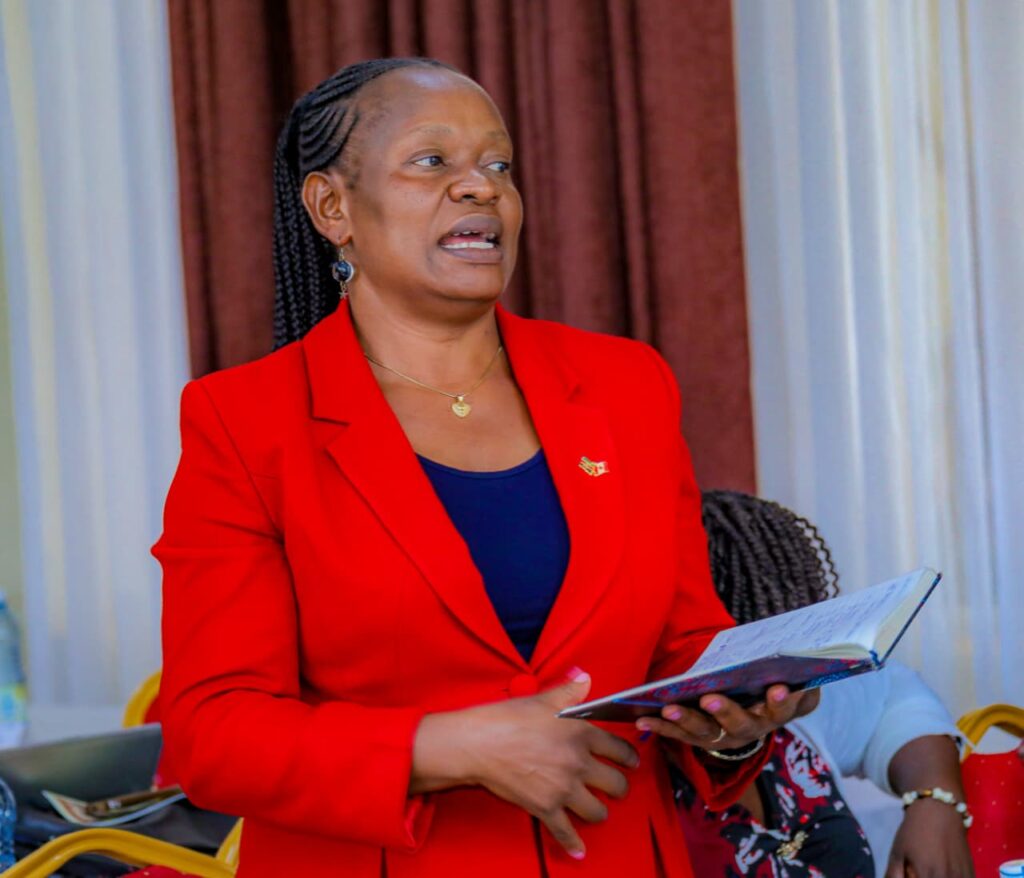
The First lady of Kakamega County, Prof. Janet Kassily Barasa gives her remarks during the workshop.
Notably, the workshop recommended that the University should immediately begin the phase-out for existing programmes that do not meet the CBC level of practicality. Additionally, it was emphasized that there is a need for strategic preparation to ensure that upcoming student intakes seamlessly align with the three-year CBC university programme structure.
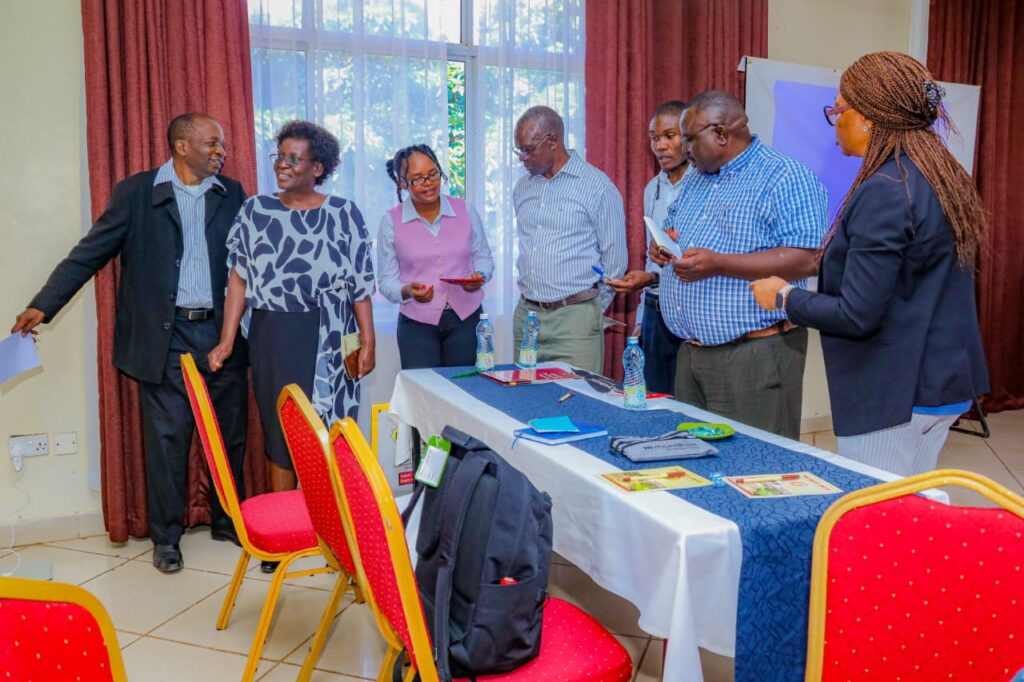
A section of SASS faculty members during a group presentation.
As SASS continues to position itself at the forefront of curriculum transformation and learner-centered education, Prof. Judith Orogun’s expertise provided strategic direction to the School in re-positioning its academic programs to meet contemporary educational demands.
By Linet Owuor and Caren Nekesa
Photos by Wangari Wambugu