Experts Call for Non-Extractive Research Models in Africa to End ‘Helicopter’ Research!
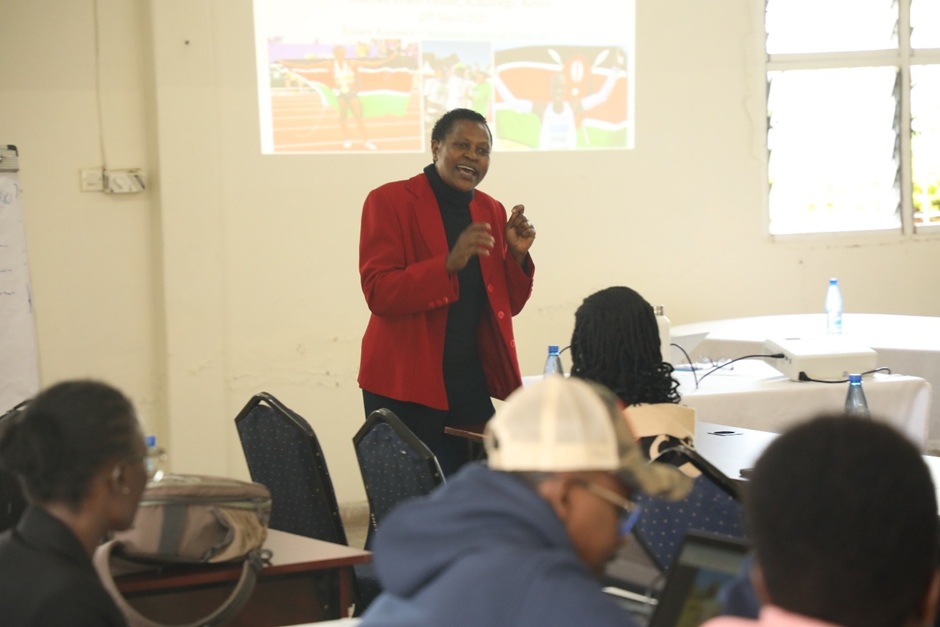
Academic experts are calling for a shift towards non-extractive research models in Africa to address the long-standing history of ‘helicopter research’. This call for reform was made by Prof. Eunice Kamaara, a renowned scholar on indigenous knowledge at Moi University during her keynote presentation ‘Ethical Non-Extractive Indigenous Knowledge Research: A Right-Based Approach to African Indigenous Knowledge’, at the MMUST-AFRIAK residency.
In her address, Prof. Kamaara challenged scholars to ensure that research is conducted for the benefit of the community. “I expect you, after these sessions, to have unsettled minds and hearts seeking self-retrospection and self-awareness. We must grow beyond extractive research toward a foundation of justice and honesty,” asserted Prof. Kamaara.
She dissected the tension between the dominant global worldview and indigenous knowledge systems, arguing that the dominant way inherently fuels helicopter practices. Prof. Kamaara noted that this model perceives knowledge as a mere ‘object’ or ‘data point’, treats the researcher as a detached ‘neutral observer’, and views data as a currency to be competed for, for individual profit.
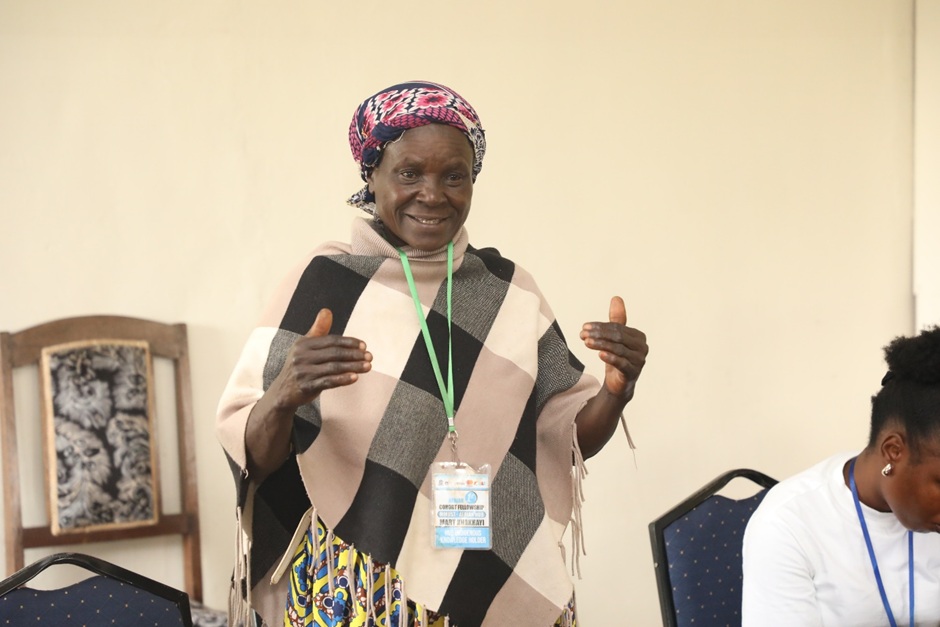
One of the indigenous knowledge holders, Ms. Mary Khakhayi makes a contribution to the discussions.
In contrast, she urged researchers to adopt the indigenous approach, which centres on the sanctity of human connection. “In indigenous research, knowledge is defined by relationships. We gain knowledge through interaction, and how we interact determines the quality of what we find. We must protect these relationships because that is what knowledge is truly about,” she explained.
Prof. Kamaara further emphasized that the indigenous model perceives the researcher as a relational participant seeking contextual wisdom rather than universal claims. Under this framework, data is not an object but a manifestation of life relationships that must be protected. “The more we serve others, the more we serve ourselves. We need to rethink why we are doing research and what contribution we are making through it,” she added.
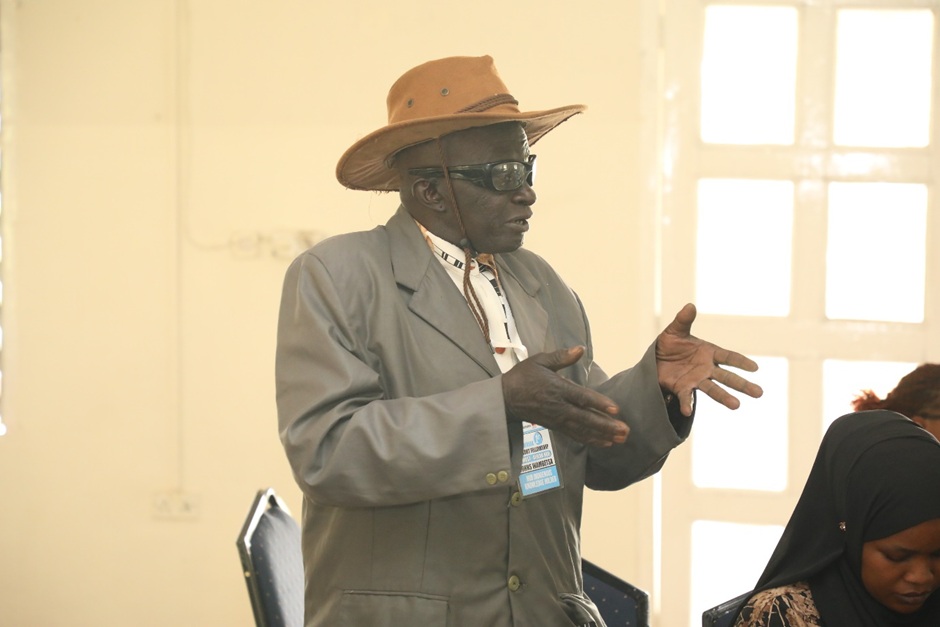
Knowledge holder, Mr. Johns Wambetsa makes his contribution.
Speaking on ethics and justice, Prof. Kamaara revealed that while Kenya is among the few African nations with a robust research ethics infrastructure, many countries on the continent have only established institutional ethics within the last 5 years. However, she warned that existing regulations dictated by international bodies frequently reduce ethics to a box-ticking exercise rather than genuine consent. “We need to think beyond ethics and toward justice. Justice is about integrity, which is an individual’s conviction that they are doing the right thing.”
She outlined three critical issues that arise when research lacks a foundation of justice, including extractive benefit, where the community gains nothing; epistemic injustice, where Western frameworks silence indigenous voices; and ontological distortion, where local knowledge is warped to fit foreign contexts.
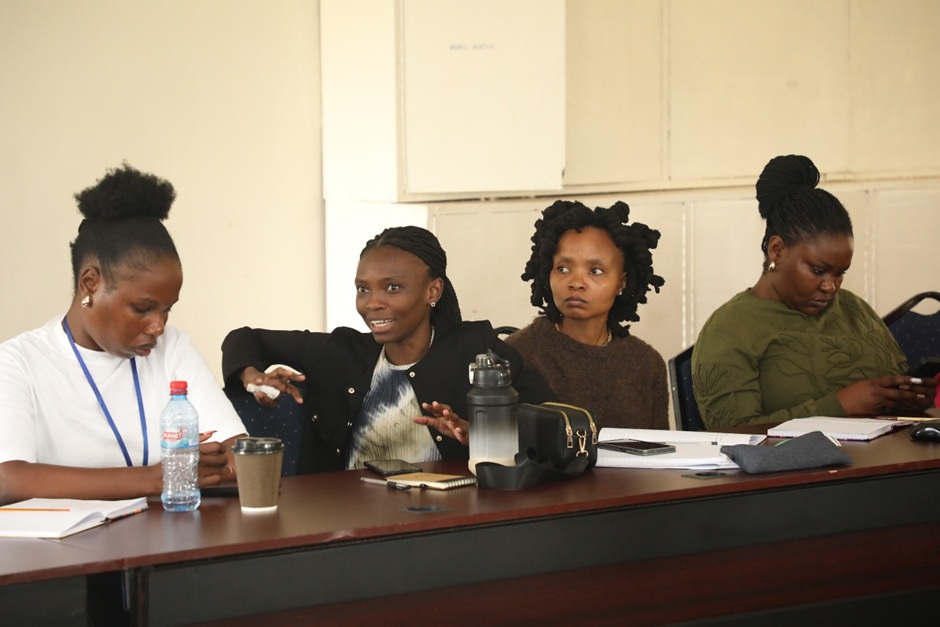
Fellows contributing to the discussions.
“Anything that yields benefits to a researcher and not to the researched is extractive. To achieve true justice, we must move beyond silencing indigenous knowledge systems through epistemic injustice and avoid the ontological distortion that warps local truths into modern scientific boxes. A balanced view recognizes that both systems have something to offer, and only by integrating them can we stop producing distorted findings that serve neo-colonial interests rather than the community,” she clarified.
To move beyond these failures, Prof. Kamaara proposed a rights-based approach to indigenous knowledge research; a model which asserts that communities have an inherent right to own their knowledge, a right to give continuous consent, and a right to cultural integrity.
“No culture is better than the other, it depends on time and place. We must respect the culture of the people we study.” As a practical step toward justice, she urged scholars to publish locally. By doing so, research findings remain accessible to the communities that provided the data, allowing them to track the impact and claim the solutions as their own.
By Caren Nekesa
Photos by Shiundu Masafu