MMUST Undergoes Institutional Monitoring and Evaluation Ahead of Co-CAT Climate Adaptation and Resilience Project Completion
Masinde Muliro University of Science and Technology has undergone institutional Monitoring and Evaluation (M&E) ahead of the completion of the CO-CAT CLARE project. Launched in 2025 across twenty (20) Universities in Africa, the project, ‘Understanding African Universities’ Capacity for Climate Adaptation Research’ (CLARE), focused on co-creating and piloting the implementation of a Climate-focused Organizational Capacity Assessment Tool (CO-CAT). It also aimed at strengthening organizational capacities for high-impact climate adaptation research across the continent. The 2-day M&E exercise, conducted from 1st to 2nd October, 2026, was spearheaded by Mr. Frank Asefuar, alongside Dr. Lorraine Dongo, who were representing the lead implementers of the project (Association of African Universities and Association of Commonwealth Universities respectively). The two guests were officially welcomed to MMUST by the Deputy Vice Chancellor (Planning, Research and Innovation)-Prof. Christopher Ngacho, standing in for the Vice Chancellor-Prof. Solomon Shibairo.
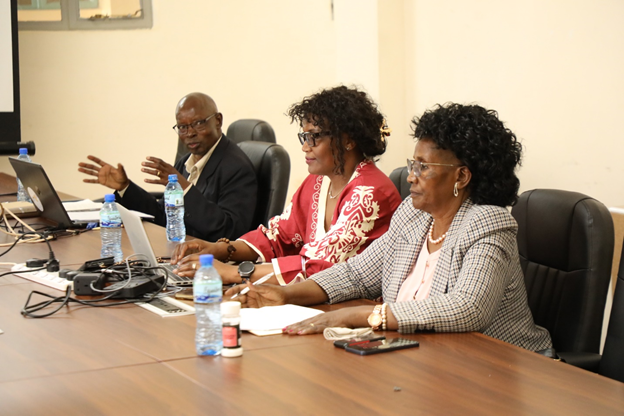
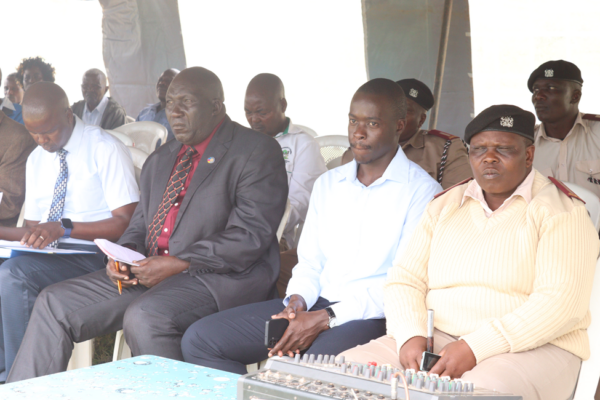
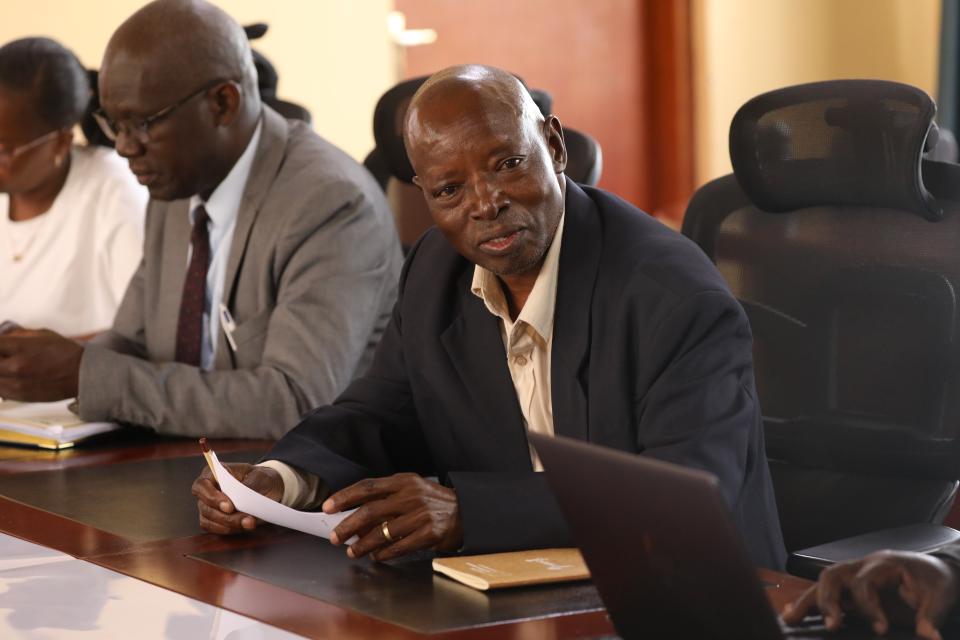
MMUST CO-CAT CLARE Principal Investigator, Dr. Edward Mugalavai, speaks during the M&E exercise.
The MMUST CO-CAT CLARE research team is led by the Principal Investigator (PI), Dr. Edward Mugalavai, and Co-PI, Prof. Josephine Ngaira. Since the inception of the project, MMUST has been at the forefront, driving several key activities. The University hosted the first CO-CAT CLARE regional Workshop, which convened representatives from the 20 Universities, as well as research institutions across Africa. In addition, MMUST participated in piloting the Climate-focused Organizational Capacity Assessment Tool and successfully submitted the results. As part of the project’s deliverables, the institution engaged in an exchange programme by hosting Dr. Oliver Moses from the University of Botswana’s Okavango Research Institute, while MMUST’s Dr. Betty Opilo was hosted by the University of Lagos. As the project nears completion, Dr. Mugalavai is set to represent the University at the upcoming regional Workshop in Algiers, Algeria.
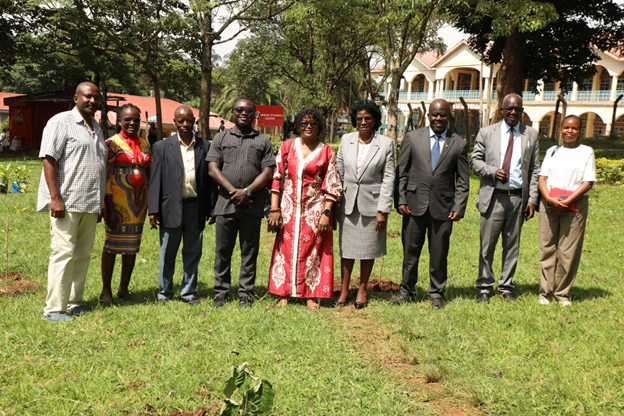
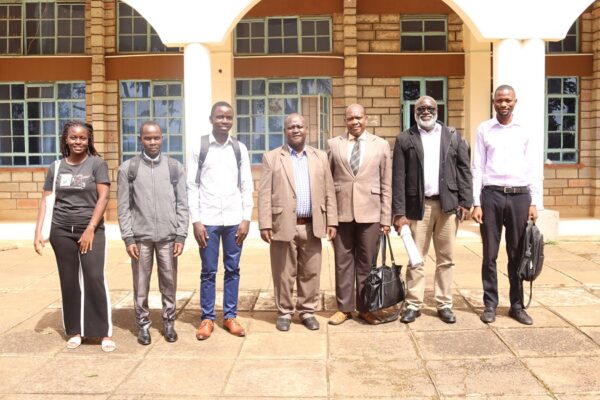
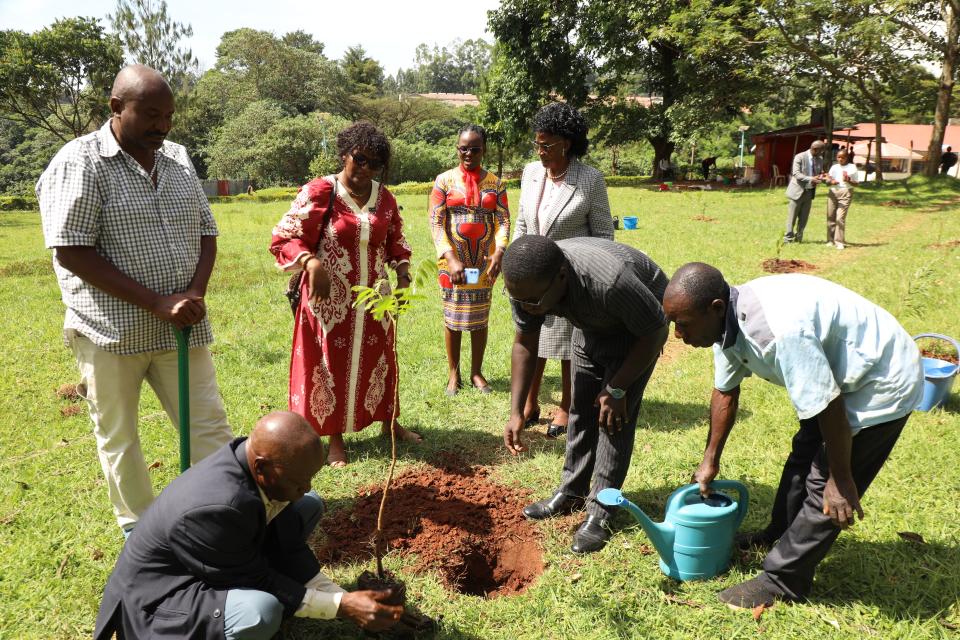
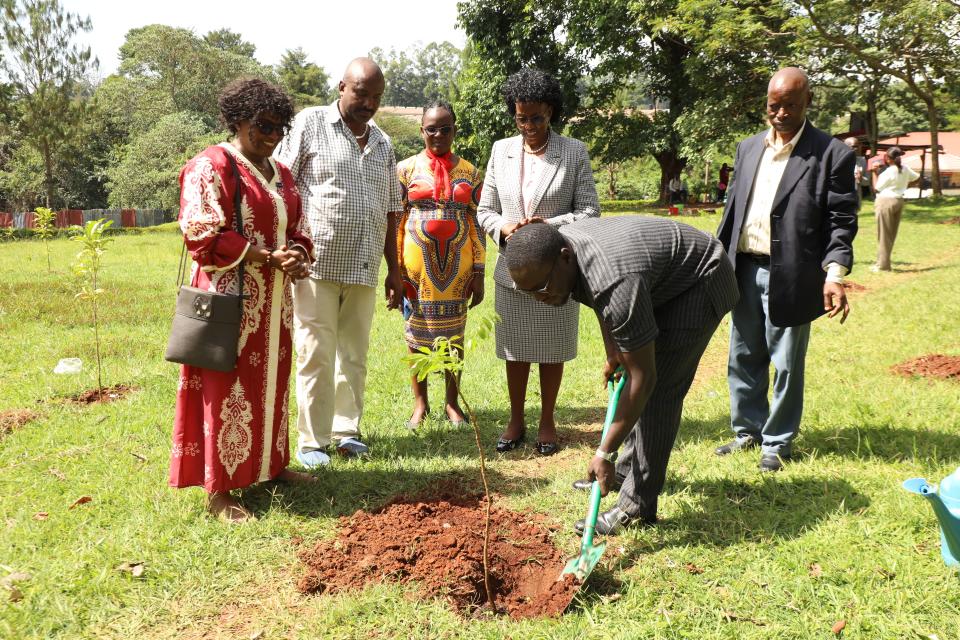
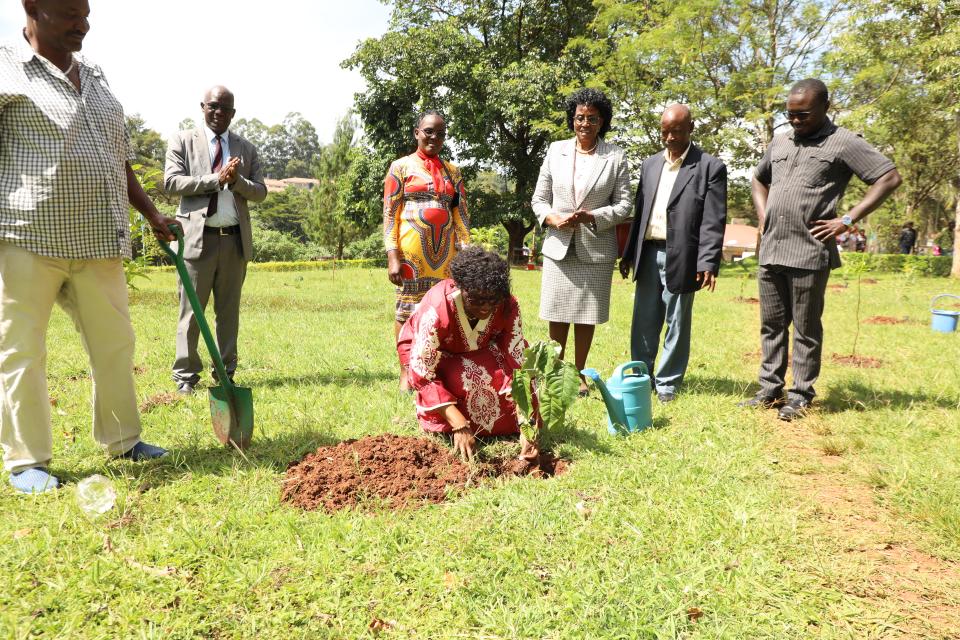
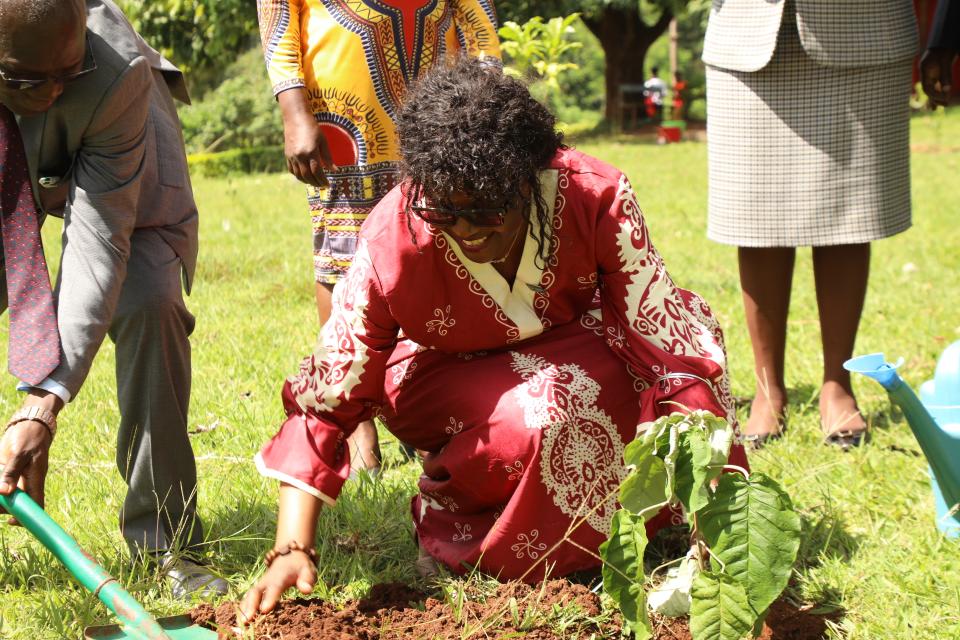
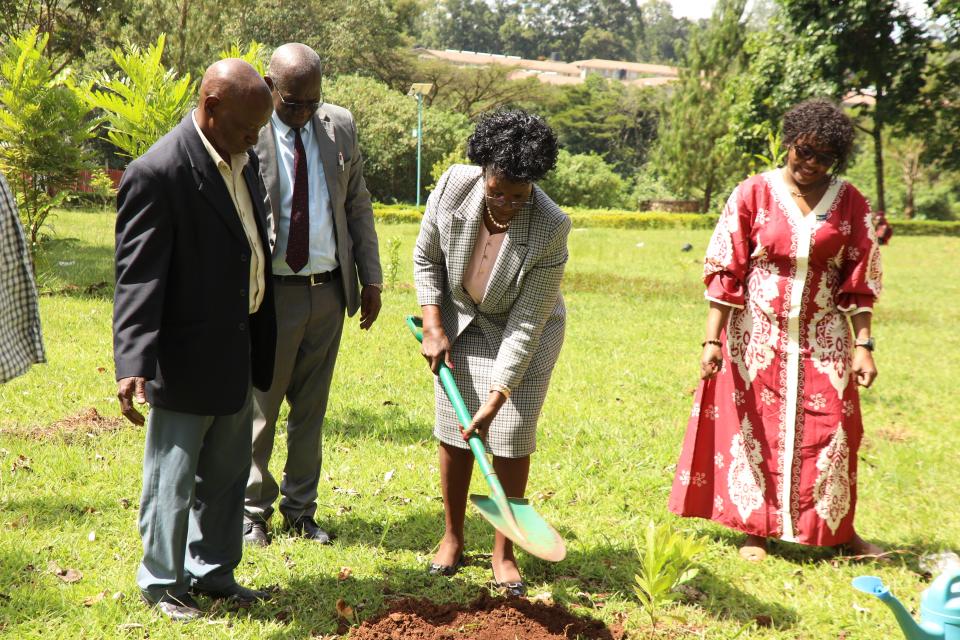
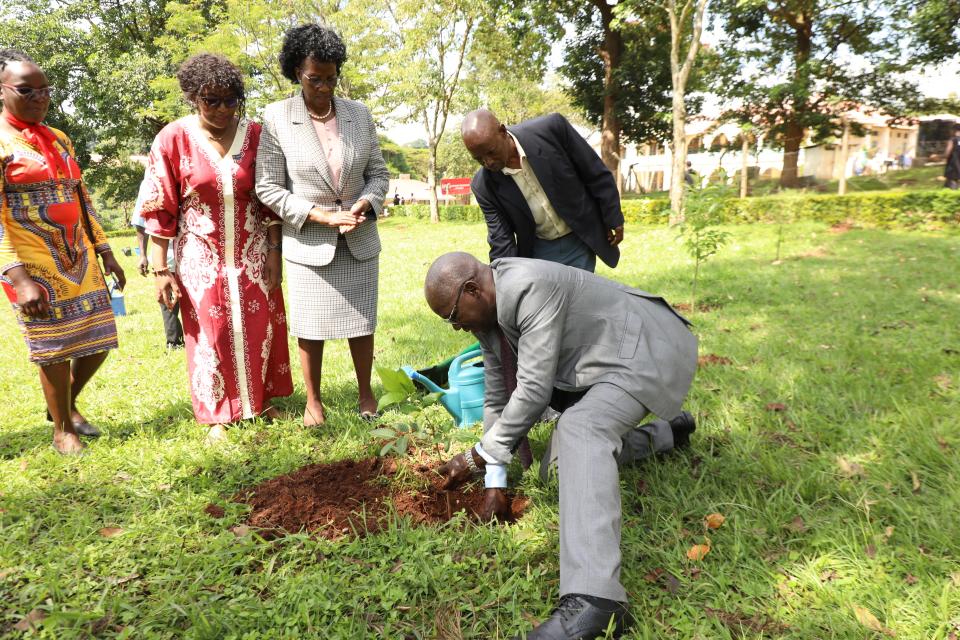
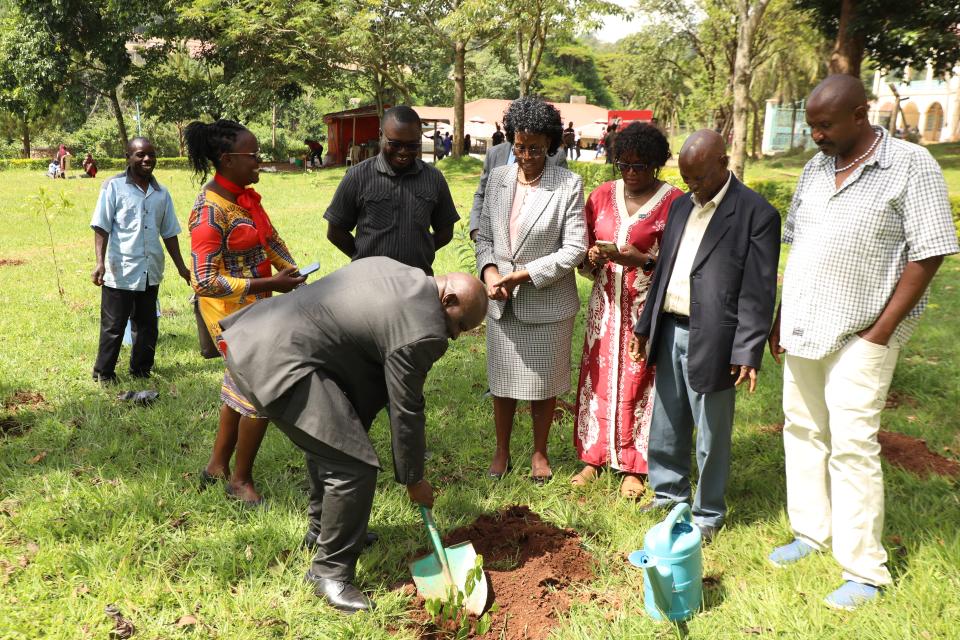
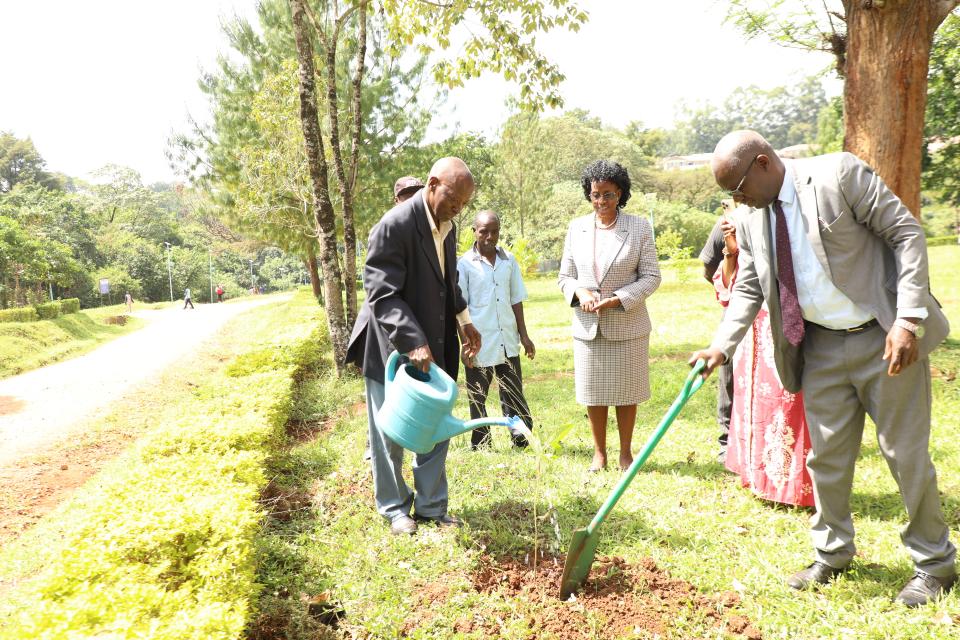
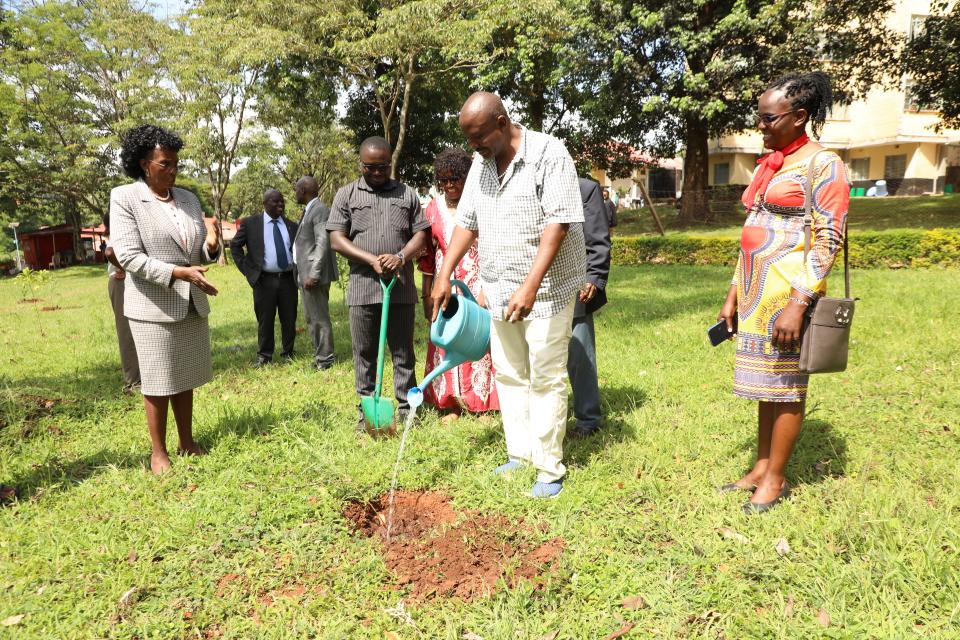
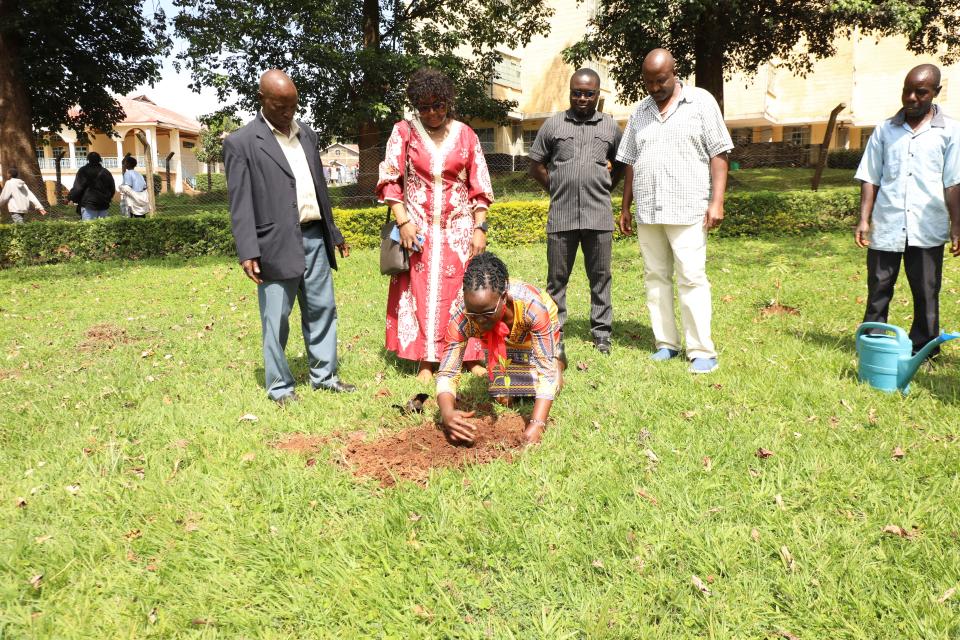
Members of the CO-CAT CLARE project with other participants after a tree planting exercise at MMUST.
During the M&E exercise, MMUST was evaluated on its overall project participation, implementation of the CO-CAT tool, and action plan progress to date. This evaluation was supported by documentation, such as the completed CO-CAT assessment report, institutional action plan, and Workshop training records. The exercise engaged the University CO-CAT project team members, including Dr. Mugalavai, Prof. Ngaira, Prof. Peter Bukhala, Dr. Ferdinand Nabiswa and Dr. Betty Opilo. It also involved other key climate adaptation and resilience stakeholders, including researchers from the School of Disaster Management and Humanitarian Assistance (SDMHA), as well as representatives from the Kakamega County Disaster Risk Management Department; MMUST’s Institute of Indigenous Knowledge, Cultural Studies and Climate Change (IIKCSCC); and the School of Engineering and Built Environment (SEBE).
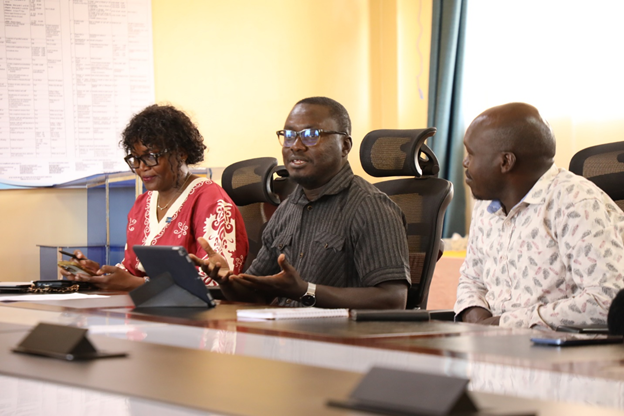
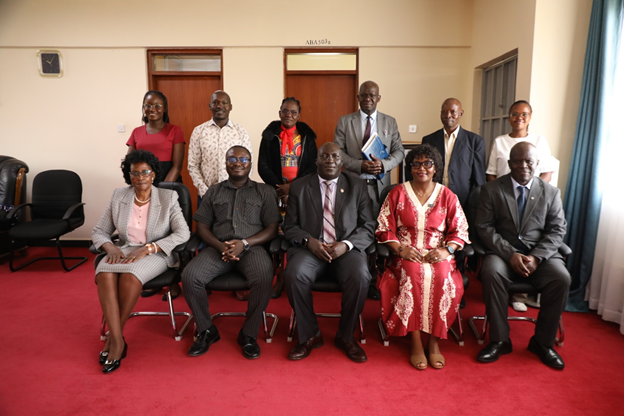
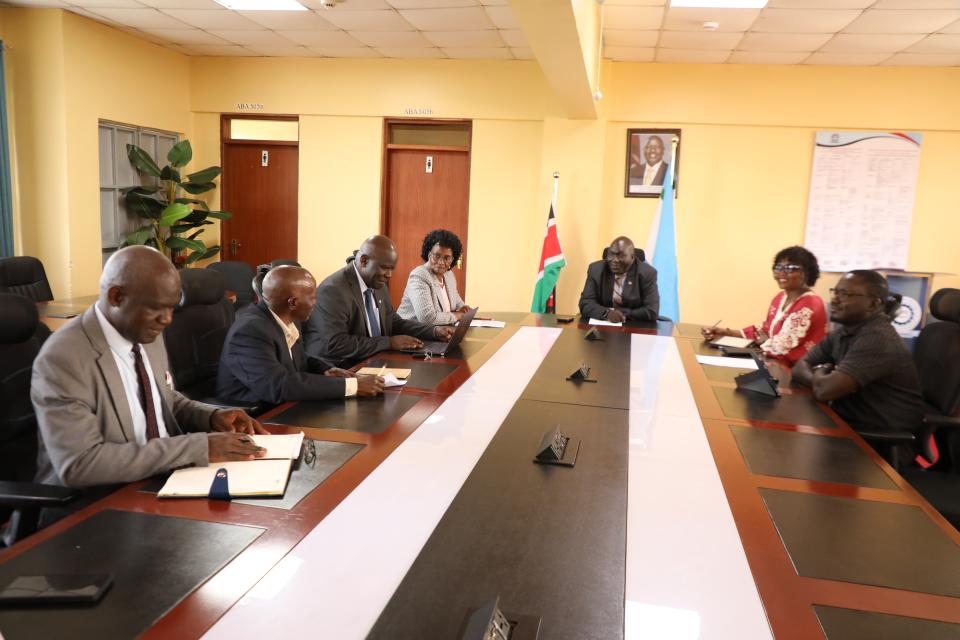
Mr. Frank Asefuar speaks during the courtesy call meeting at the Vice Chancellor’s boardroom.
Throughout the project, MMUST demonstrated strong institutional capacity in climate adaptation and resilience research. This was noted by Mr. Asefuar of the Association of African Universities, who commended MMUST for its exceptional performance across all CO-CAT CLARE project parameters. Discussions during the M&E exercise also explored future collaboration between MMUST and the Association of Commonwealth Universities, an international network that connects higher education institutions to promote global collaboration, academic excellence and sustainable development.
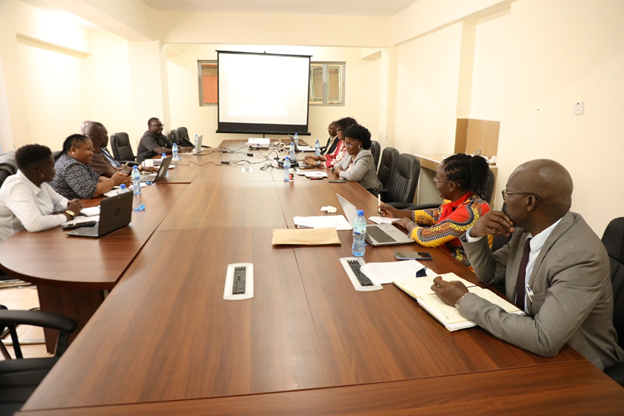
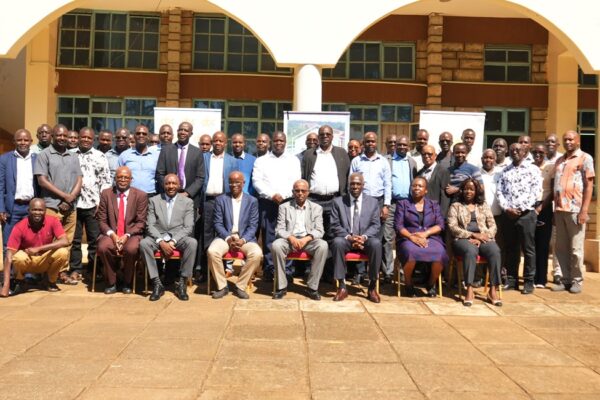
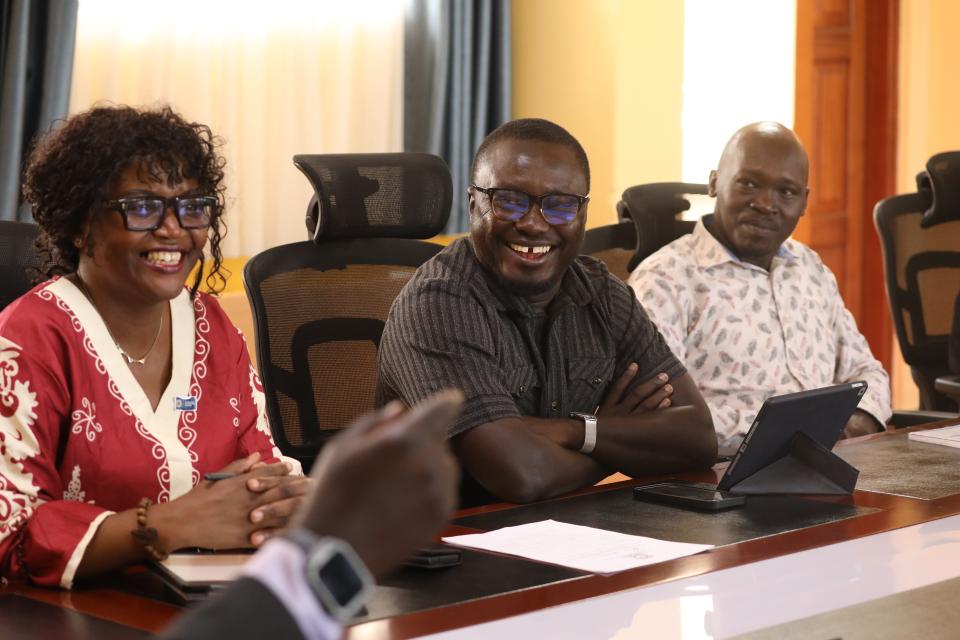
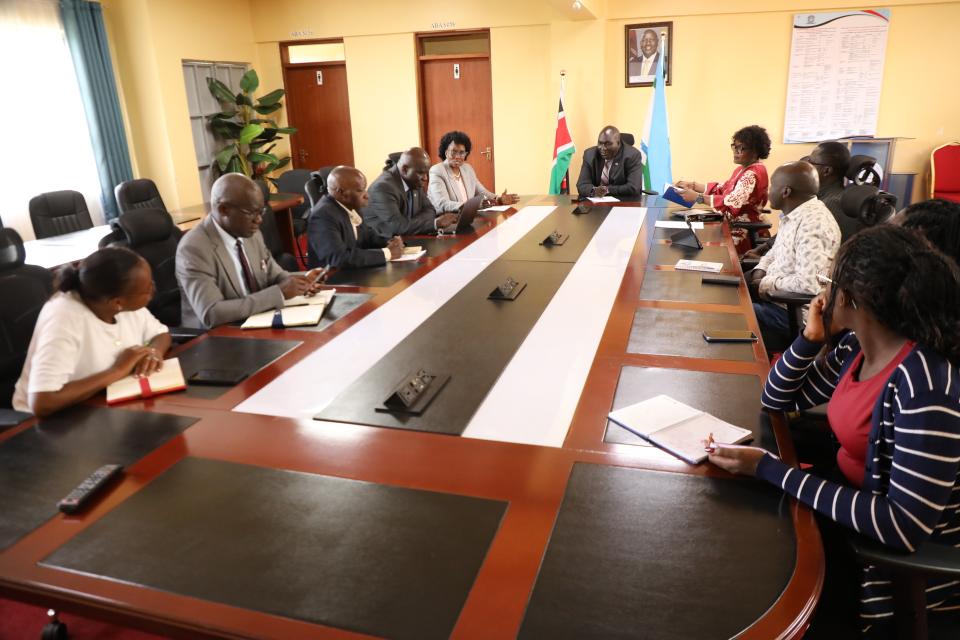
Participants during the M&E exercise at MMUST.
As the CO-CAT CLARE project comes to an end, MMUST is certainly well-positioned to leverage the partnerships established through the initiative to expand its influence in regional climate adaptation and resilience. The successful completion of the monitoring and evaluation exercise marks a significant milestone for MMUST, validating its capacity in both climate adaptation research and cross-border collaboration.
By Wangari Wambugu
Photos by Shiundu Masafu