Vice Chancellor, Prof. Solomon Shibairo Challenges Managers To Move MMUST From ‘Risk-Aware’ To ‘Risk-Enabled’ As The Audit And Enterprise Risk Management Training Concludes
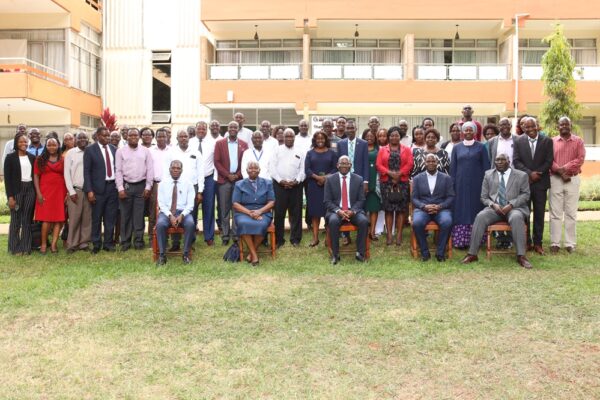
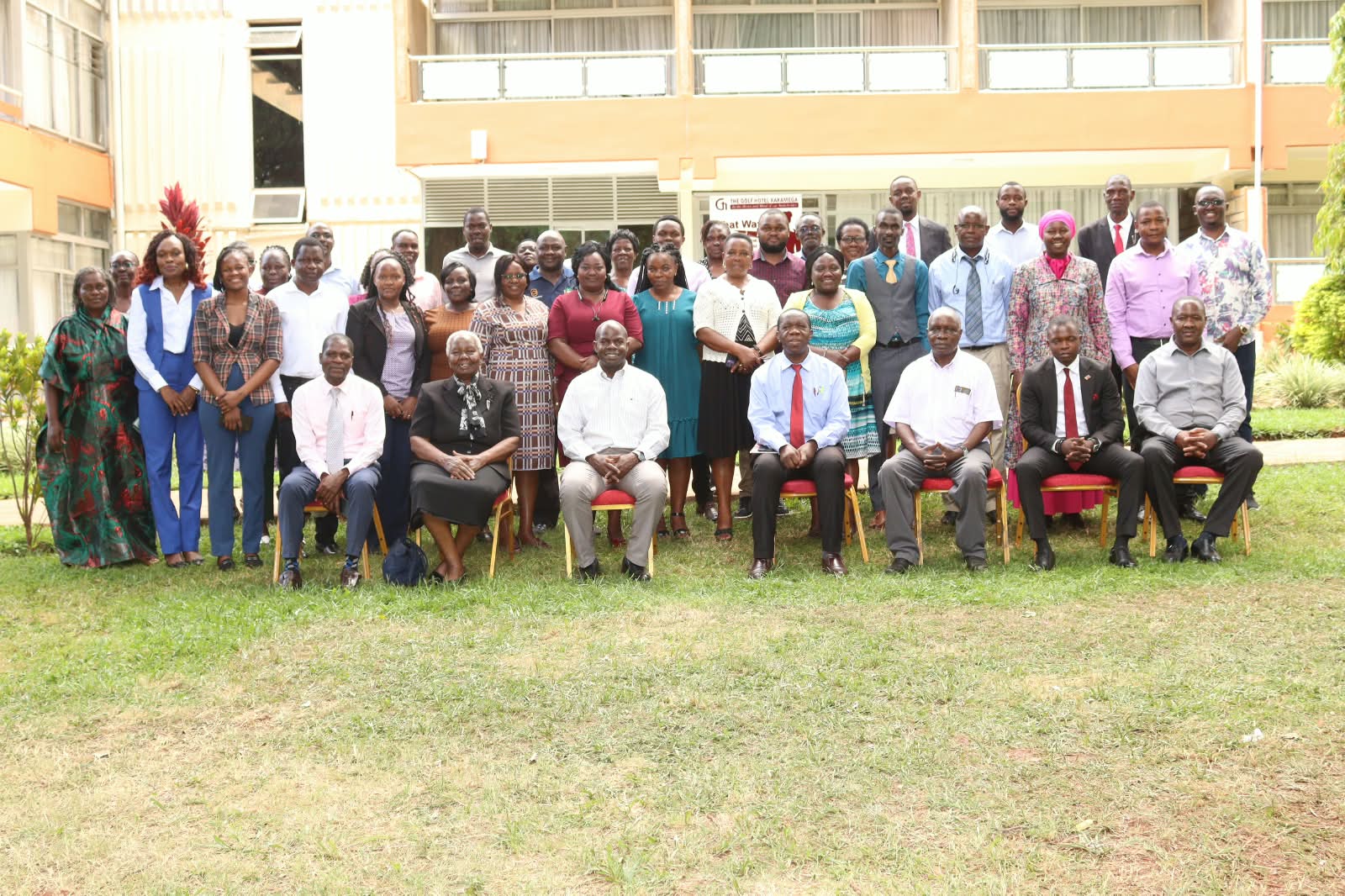
The Vice Chancellor, Prof. Solomon Shibairo has challenged Heads of Cost Centres to take ownership of risk management within their respective areas, and ensure that risk considerations are integrated into their day-to-day operations so as to move MMUST from a ‘risk-aware’ to a ‘risk-enabled’ institution. This was during the culmination of an intensive three-day training on Audit and Enterprise Risk Management (ERM) for the University’s managers, which closed today 8th October 2026. Today’s session saw the participants interact with a myriad of issues including practical exercises on risk matrix; information, communication and reporting risks; and practical application of risk reporting.
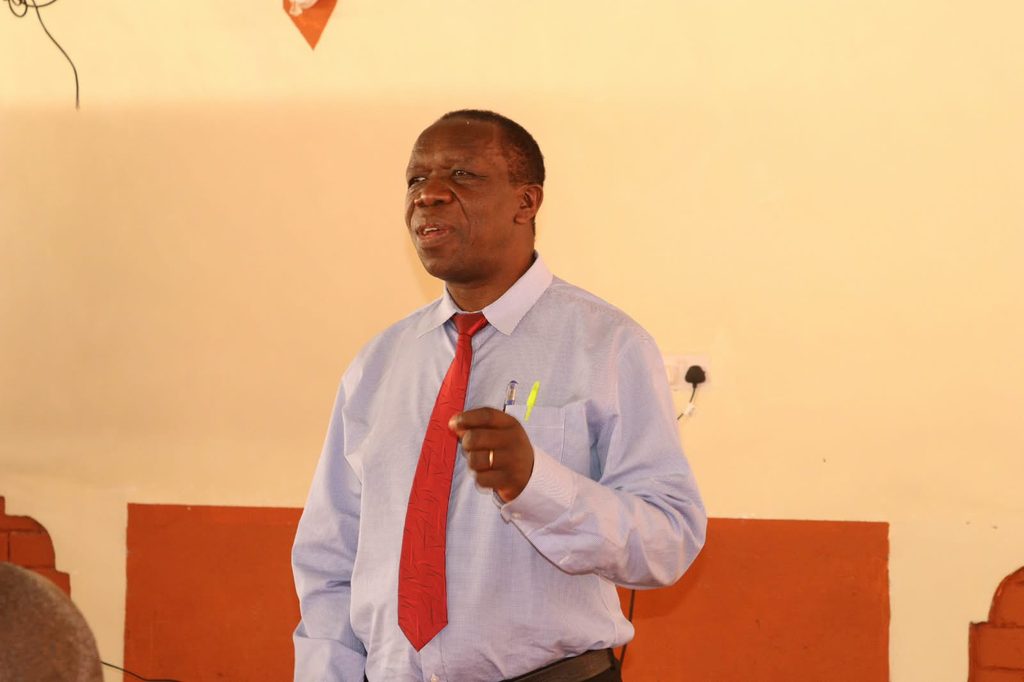
The Vice Chancellor, Prof. Solomon Shibairo speaks at the training.
Addressing the Heads of Cost Centres, Prof. Shibairo pointed out the danger of an institution operating while unaware of its risks. He called upon the University managers to deliberately identify, assess and manage risks. He noted that risks must be infused into key institutional documents, including the Strategic Plan, and that identified mitigation measures should be fully implemented. “We need to move from being risk-aware to being risk-enabled as an institution. Let us be deliberate in defining our risks and chart a plan on how to manage our risks,” he said.
Commenting on the importance of the exercise, Prof. Maurice Vincent Omolo thanked the participants for taking a keen interest in the training. He noted that the knowledge acquired from this training should trickle down to the rest of the University’s staff because risk management is a concerted effort.
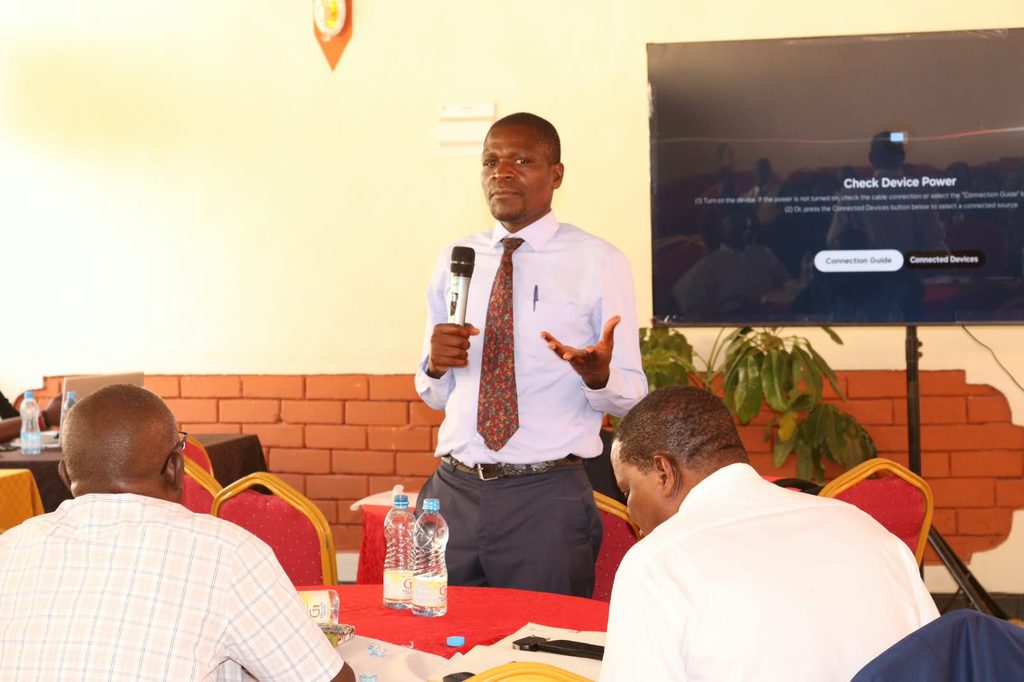
Prof. Maurice Vincent Omolo addressing the participants.
The Lead facilitator, Dr. Constatine Barasa from the Institute of Internal Audit (IAA), Kenya, emphasized the importance of adopting an integrated approach to Risk management across the University. He encouraged participants to promptly report issues and challenges affecting their operations and ensure that corrective measures address the root causes of identified problems to prevent the recurrence of similar challenges and promote continuous improvement.
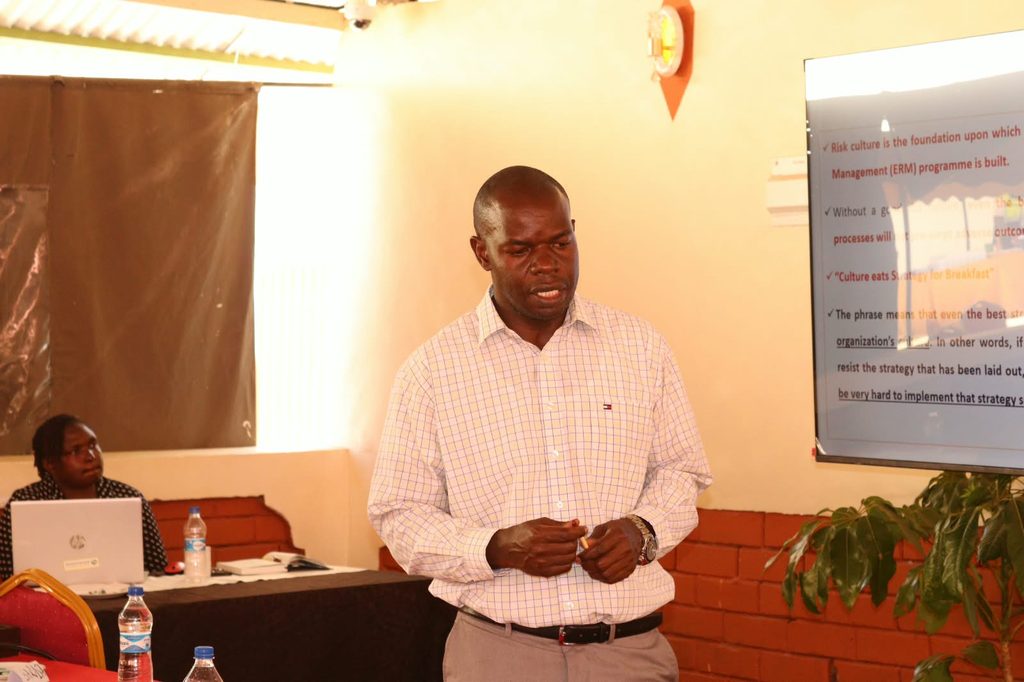
The Lead facilitator, Dr. Constatine Barasa engaging the participants.
Dr. Barasa urged the managers to undertake a thorough situation analysis of their respective sections and departments to establish their current position, set realistic targets for improvement and deliberately work towards achieving them through gradual and sustained progress to ensure effective service delivery and institutional performance .
“We are here to make you better managers. Let’s make good use of the knowledge we have gained to better ourselves. In the process, we will make MMUST a better institution,” he stated.
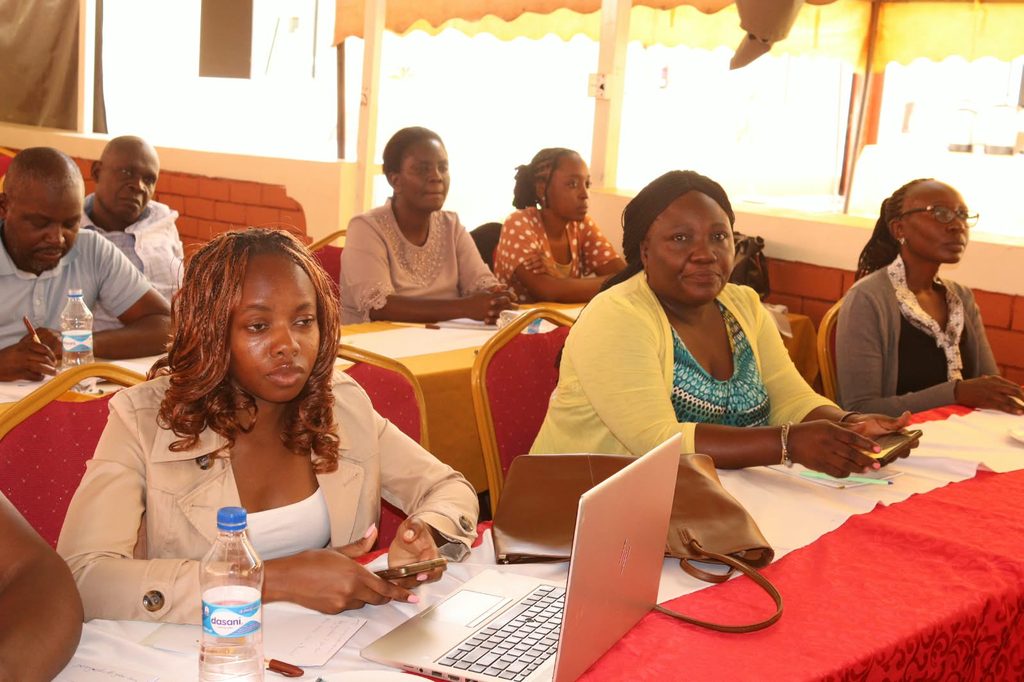
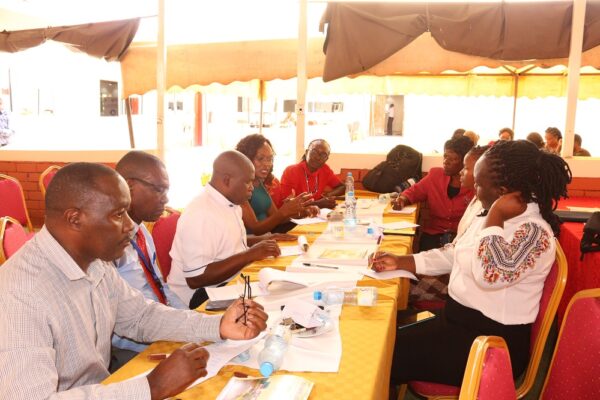
A section of the participants during the training.
The practical training is expected to enhance risk awareness, preparedness and informed decision-making across the institution.
By Linet Owuor and Caren Nekesa