
Integrity Starts With You
Promoting ethical conduct, transparency and accountability throughout the University.
Integrity Starts With You Campaign
The University’s ethics and integrity campaign for staff and students runs from 2 November to 9 December 2026. Each week: one theme, a Weekly Integrity Sheet and an Ethical Dilemma of the Week, ending with Integrity Day on 9 December.
HAVE YOUR SAY
Ethics and Integrity Awareness Survey
Anonymous · About 15 minutes · No name, staff or admission number required.
HAVE YOUR SAY
Week 1: Integrity starts with you
Integrity means being honest and consistent in what we do, whether or not anyone is watching.
Integrity means being honest and consistent in what we do, whether or not anyone is watching. Each of us shapes the university’s reputation through small, everyday decisions.
Download this week’s Integrity Sheet (PDF)
| Week 1 | 2–6 Nov | Integrity starts with you |
| Week 2 | 9–13 Nov | Fair and honest assessment |
| Week 3 | 16–20 Nov | Declare it: conflicts of interest |
| Week 4 | 23–27 Nov | A gift or a favour? |
| Week 5 | 30 Nov–4 Dec | Care for what we share |
ETHICAL DILEMMA OF THE WEEK
What would you do and why?
After a three-day workshop, you notice that your claim lists four days of allowances. The form is already signed and payment is due tomorrow. No one is likely to notice.
Responses close Friday, 6 November 2026. Responses will be judged without names, and the best entry will be recognised on Integrity Day.
INTEGRITY DAY
International Anti-Corruption Day. Join us as we celebrate integrity, recognise commitment to ethical conduct and renew our collective responsibility to promote transparency and accountability throughout the University.
Policies and Documents
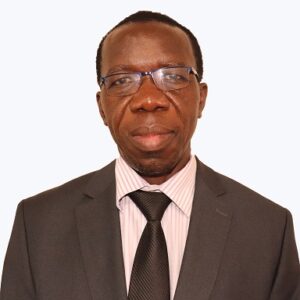
Prof. Solomon I. Shibairo
Vice Chancellor and Chairperson, Corruption Prevention Committee
The worth of a Masinde Muliro University of Science and Technology (MMUST) degree rests on trust. Students, parents, employers and the public trust that our admissions are fair, our marks are earned, and every shilling entrusted to us serves its purpose. That trust is built or lost in everyday decisions: in the examination room, the procurement office and the way we treat one another.
As Vice Chancellor and Chairperson of the Corruption Prevention Committee, I commit to leading by example. I will ensure that integrity guides how we make decisions, allocate resources and appoint and reward people. I will also ensure that those who raise concerns in good faith are heard and protected.
I invite every student, member of staff and partner to join the Integrity Starts With You campaign. Reflect on the weekly dilemmas, share your views through the survey, and help us build a University where doing the right thing is the expected thing, even when no one is watching.
Our Commitment to Integrity
Masinde Muliro University of Science and Technology (MMUST) is committed to an institutional environment in which its functions and resources are managed with integrity, transparency and accountability.
The University has a zero-tolerance position towards bribery and corruption in all its activities, operations and relationships. The University prohibits the offering, promising, giving, soliciting, requesting, receiving or accepting of bribes
or any other improper advantage, whether directly or indirectly. This applies to all members of the University community and to third parties acting for, on behalf of, or in their dealings with the University.
All allegations of bribery and corruption are handled promptly, fairly, confidentially and in accordance with the law and University policies. No person shall suffer retaliation, victimisation or intimidation for making a report in good faith or for cooperating with an authorised inquiry.
About The Integrity Assurance Unit
The Integrity Assurance Unit coordinates the University’s work to prevent bribery and corruption and to promote ethics and integrity. It implements the Bribery and Corruption Prevention Policy (MMU/POL:4000156(12)) and sits within the Vice Chancellor’s Division
The Unit works through four structures:
- Corruption Prevention Committee (CPC): chaired by the Vice Chancellor. It oversees the Policy, receives reports and reviews progress at least quarterly. The Coordinator of the Unit is its Secretary.
- Integrity Assurance Committee: trained Integrity Assurance Officers who support risk assessment, awareness activities and monitoring.
- Integrity Champions: appointed in each cost centre to support implementation of the mitigation plan in their units.
- Student Integrity Club: promotes integrity among students.
The Unit reports quarterly to the CPC and to the Ethics and Anti-Corruption Commission (EACC) on the University’s Bribery and Corruption Risk Mitigation Plan

Dr. Everlyne N. Morema, PhD Coordinator, Integrity Assurance Unit and Secretary, Corruption Prevention Committee
Welcome. Integrity is not only about avoiding wrongdoing. It is about the everyday choices that make our grades, our services and our use of public resources worthy of trust. Each of us, as students, staff and partners, shapes that trust.
This year we invite you to join the Integrity Starts With You campaign. Take the survey, reflect on the weekly dilemmas, and share your ideas on how we can do better. If something concerns you, speak up; every report is handled confidentially.
Policies and Documents
How to Report
Anyone – staff, students, suppliers or members of the public – can report suspected bribery or corruption involving the University. You may report anonymously.
Report to the University
Channel Details
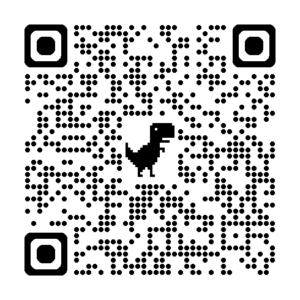
Online Reporting: Submit a report using the online reporting form: https://docs.google.com/forms/d/e/1FAIpQLSfZEkbJ8UOEUPUqBIYODaoevsXiFj3r0uVBg6K25z0KyNxrQg/viewform or scan the QR code below.
Email: integrity@mmust.ac.ke
Reporting Boxes: Available at the Main Campus (ABA), as well as the ECA, Butula, Webuye and Bungoma campuses.
In Person or in Writing: Integrity Assurance Unit, Room 504, ABA Building.
Report to the Ethics and Anti-Corruption Commission (EACC)
Anonymous Online Reporting: Visit the EACC website.
Toll-Free Hotline: 1551
Telephone: 020 2717468, 0715 007700, 0783 777700
Email: report@integrity.go.ke
In Person: Visit any EACC office, including EACC desks at Huduma Centres.
What happens after you report
Your report is received, acknowledged and recorded confidentially.
The report is submitted to the University’s Corruption Prevention Committee and to the EACC (if it warrants).
The matter is inquired into by the appropriate University structure, which makes recommendations.
The University determines the appropriate action in line with its policies and procedures, and informs the EACC of the outcome.
Where you have given contact details, you receive feedback on the action taken.
When reporting, please give as much detail as possible: what happened, when and where, who was involved, any amounts or advantages involved, and any witnesses or documents. A report is more likely to be acted on if it contains specific, verifiable information.
Confidentiality and Protection
The identity of whistleblowers, informants and witnesses is kept strictly confidential.
Access to case information is restricted to those who need it; coded identifiers are used instead of names.
Officers handling reports sign confidentiality and non-disclosure undertakings.
Retaliation, victimisation or intimidation of a person who reports in good faith is not tolerated, and can be reported through any of the channels above.
Under the Bribery Act, 2016, it is an offence to harass, intimidate, demote or dismiss a whistleblower or witness, or to knowingly or negligently disclose their information.
Reports must be made in good faith. Knowingly making false or malicious reports may attract disciplinary action.
Integrity activities
Planned and ongoing activities for 2026/2027 include:
- Bribery and corruption risk assessment and a University-wide mitigation plan covering 14 functional areas, reported quarterly to the EACC.
- Implementation and reporting with support from Integrity Champions in cost centres,
- Ethics and integrity awareness campaigns for students and staff.
Establish students’ Integrity Club. - Integrity Day, Wednesday 9 December 2026 (International Anti-Corruption Day)
- Training of Integrity Assurance Officers, Integrity Champions and Corruption Prevention Committee members.
Frequently Asked Questions
Offering, promising, giving, requesting, agreeing to receive or receiving an advantage – money, gifts, favours, employment or any other benefit – to induce or reward the improper performance of a duty.
Anyone: staff, students, parents, suppliers, partners or members of the public.
Yes. You do not have to give your name. If you do, it will be kept confidential.
Report it. It is better to raise a concern in good faith than to stay silent. The Unit will assess it.
Yes. Retaliation against anyone who reports in good faith is prohibited, and the law protects whistleblowers and witnesses.
Members of the University are expected to report suspected bribery and corruption promptly. The University Policy requires reporting within 24 hours of discovery.
Yes. You may report to the University, to the EACC, or both.
See “Policies and documents” above.
Contact us
Office: Integrity Assurance Unit
Location: ABA, Room 504, Main Campus
Email: integrity@mmust.ac.ke
Office hours: Monday–Friday, 8:00 a.m.–5:00 p.m. Reports received around the clock.
Ethical Conduct
Upholding professional standards and ethical principles.
Honesty
Truthfulness and openness in all our activities.
Accountability
Taking responsibility for our actions and decisions.
Respect and Fairness
Treating everyone with dignity and impartiality.