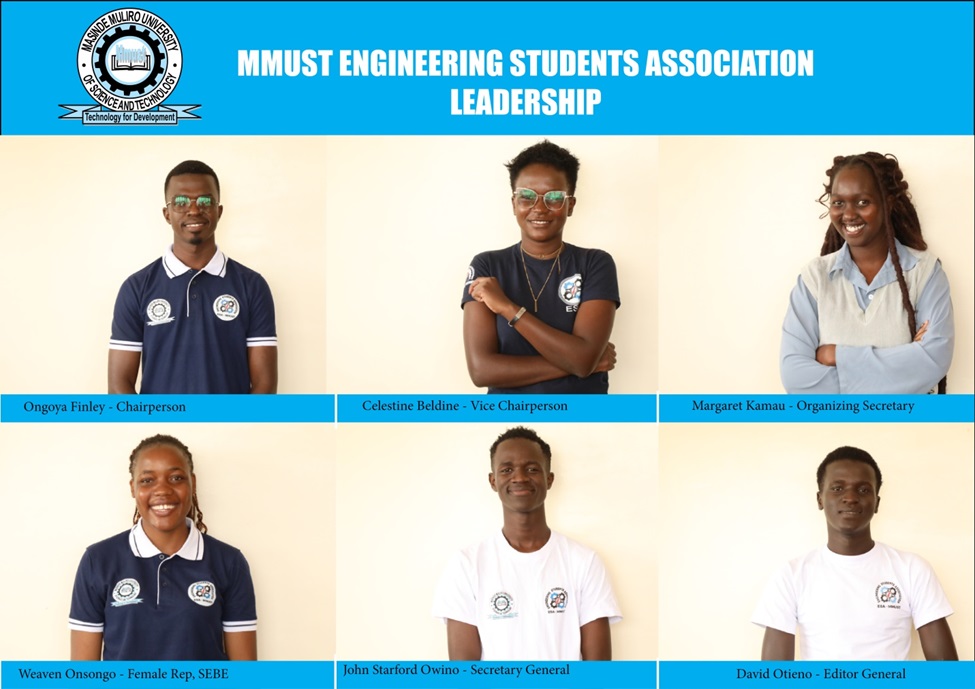
MMUST’s Engineering Students Association Cuts a Niche as They Support Learners to Go Beyond Lecture Halls to Innovate and Tackle Real Community Challenges!!
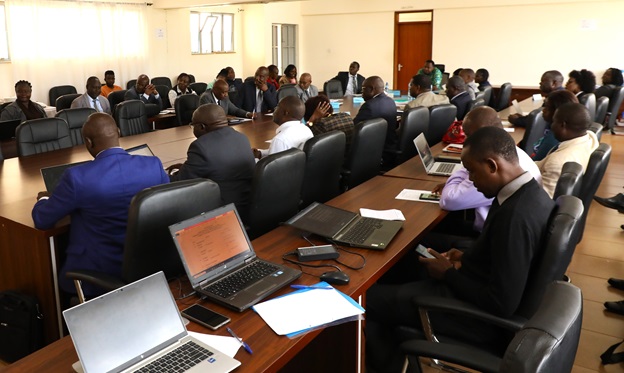
Masinde Muliro University of Science and Technology (MMUST) has cut a niche in the higher education sector for its engineering students. Contrary to previous assumptions that Engineering is associated with calculations, complex designs, machines and the technical ability to solve problems, MMUST has proved that trainee engineers can go beyond lecture halls to innovate and tackle real community challenges. This was evident in the recently concluded Mentorship Program by Engineering Students Association (ESA)-MMUST Chapter which brought together key industry stakeholders: Institution of Engineers of Kenya (IEK), Association of Consulting Engineers of Kenya (ACEK) FIDIC Future Leaders, Energy and Petroleum Regulatory Authority (EPRA) RoadHub. The highly successful program was attended by Eng. Elvis Alwala and Eng. Robert Ogallo, who mentored our students on academic excellence, career growth, and the future of engineering.
Giving an overview of the mandate of ESA, the Patron of the ESA MMUST Chapter, Dr. Willis Awandu revealed that the ESA is one of the most vibrant Associations in the University. “I am the newly appointed Patron of ESA MMUST Chapter and can confidently say that their future is bright in terms of innovation and exhibitions. I commend the students for their self-initiative in organization of activities and linkages with industry. More involvement in career and community activities will enrich their portfolio and future as an Association,” he stated.

The Patron of the ESA MMUST Chapter, Dr. Willis Awandu.
Speaking to the Directorate of Corporate Communications and Marketing crew, the ESA leadership, led by its Chairperson, Mr. Ongoya Finley shared how the University has deliberately supported the Association in introducing engineering students to the professional world long before graduation. “Our journey towards becoming engineers does not begin and end in the classroom, but rather, extends to mentorship sessions, professional engagements, innovation competitions, community outreach activities and the relationships we build with those who have walked the same path before us. ESA is here to ensure this is achieved,” he noted.
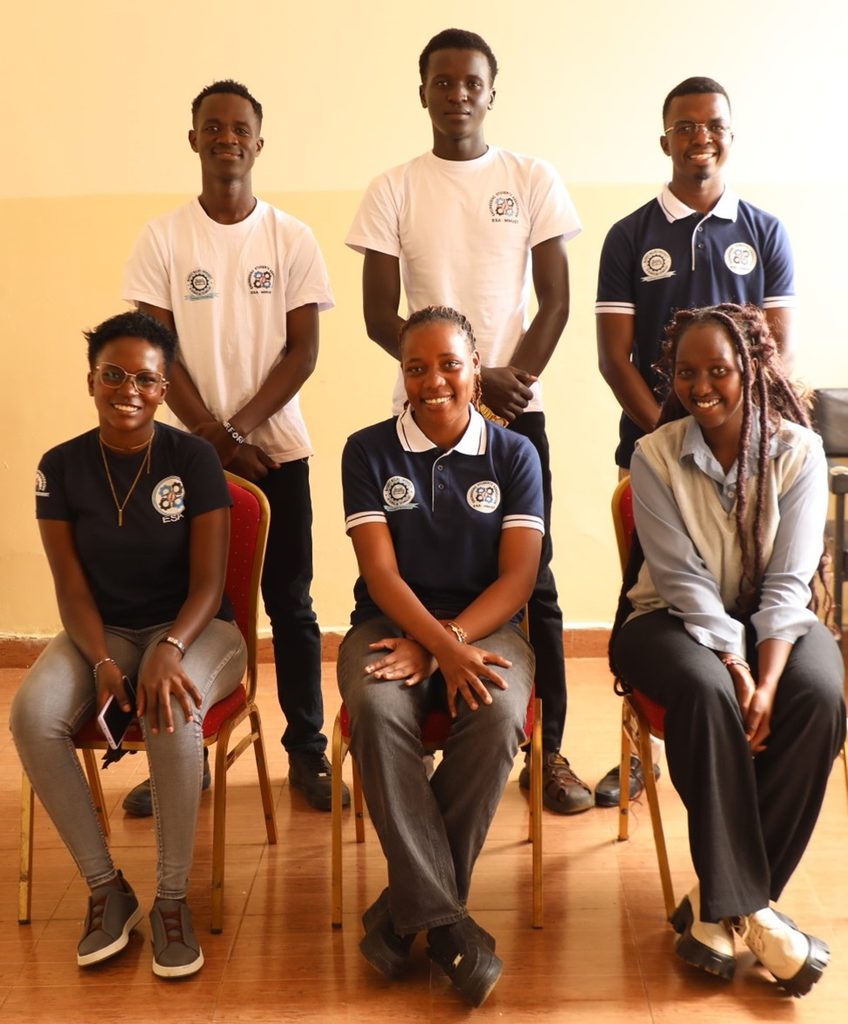
A section of the Engineering Students Association (ESA)-MMUST Chapter after their interview with DCCM.
Recognizing the importance of learning outside the traditional conventional methods, the leaders shared that they have grown to embrace the peer learning model where students who are further along in their studies mentor and train their junior colleagues. In its quest to ensure that their members sharpen their technical skills, the Association has also intentionally sought mentorship and guidance from the alumni of the School.
“As a leadership we recognize that our former students, alumni, are an important resource particularly because many are willing to volunteer their time and expertise in support of us who are still pursuing our studies as part of giving back to their alma mater,” stated the ESA Secretary General, John Starford Owino, adding, “we are keen on tapping into this readily available pool of talent as a way of building capacity while making the most of available resources”.
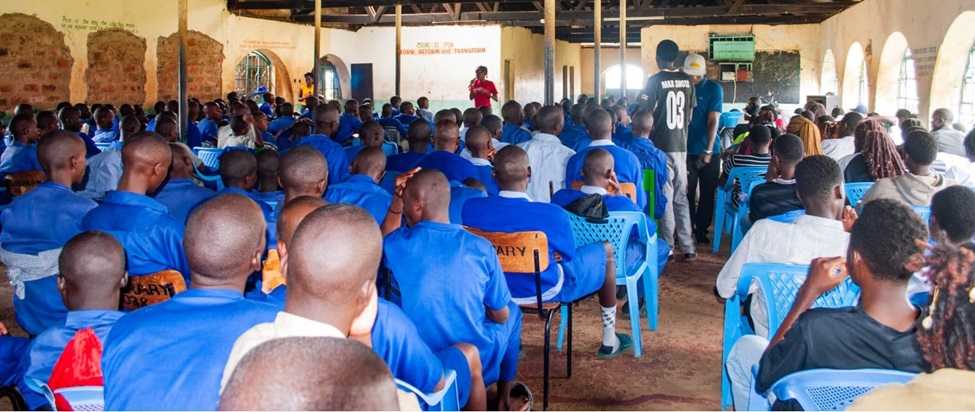
ESA MMUST Chapter during an outreach at the Shikusa Borstal Institution, juvenile section.
Beyond tapping into internal expertise, ESA MMUST Chapter has also established working relationships with professional bodies, including the Association of Consulting Engineers of Kenya (ACEK), particularly its Future Leaders initiative, the Institution of Engineers of Kenya (IEK) and the Engineers Board of Kenya (EBK). Through these engagements, students get opportunities to interact with practicing engineers, ask questions about professional expectations, career pathways, networking and the competencies required to navigate the industry and prepare accordingly, for life after campus.
Indeed, ESA’s understanding of engineering extends beyond professional advancement. The Association believes that the knowledge and skills students acquire should also translate into meaningful contributions to society. This is reflected in its community outreach activities, including charity visits to orphanages and juvenile correctional centres. In collaboration with health-related faculties, the association has also participated in breast cancer awareness initiatives, advocating for early screening and greater public awareness.
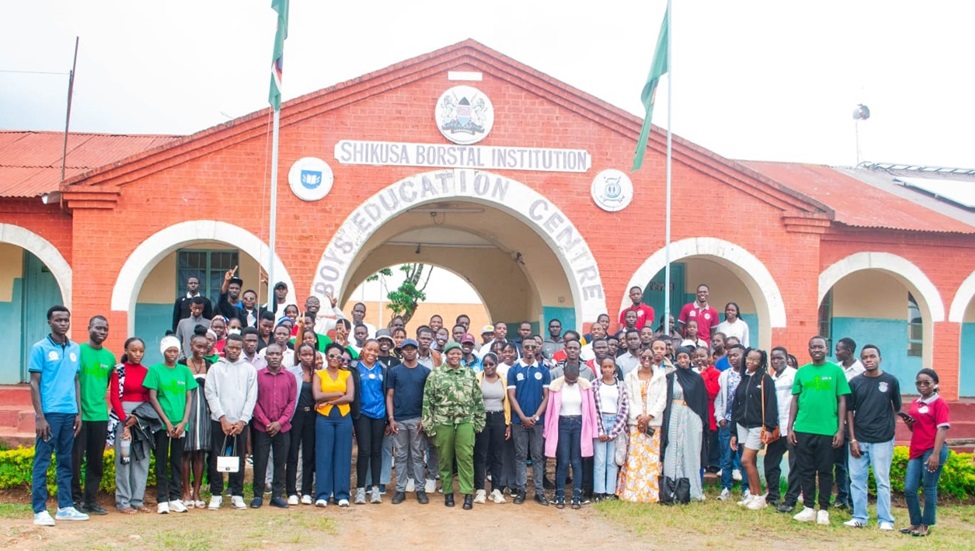
ESA MMUST Chapter during an outreach at the Shikusa Borstal Institution, juvenile section.
Closer home, the Association recognizes the importance of creating a sense of belonging, particularly among new students. This year, ESA held its first annual first-year students’ retreat, which gave the fresh men and women the opportunity to interact with senior students, build friendships and familiarize themselves with the engineering fraternity. Other engagements, including its annual gala dinner and interactions with engineering associations from other universities, provide additional opportunities for networking, collaboration and social development.
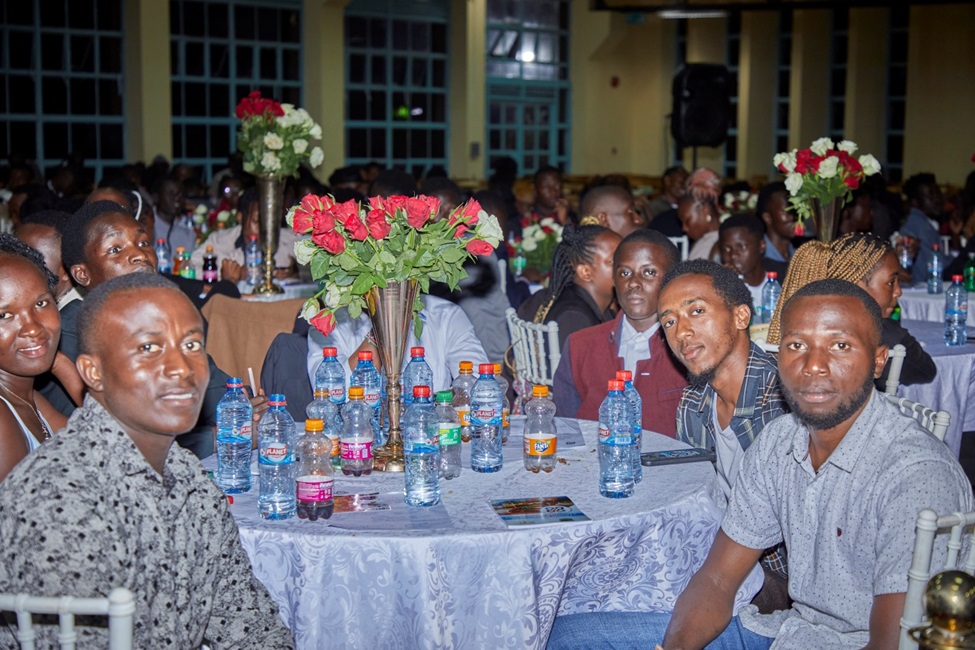
One of the ESA MMUST Chapter gala dinners.
One of the most exciting aspects of ESA’s work is its growing focus on innovation. Through innovation championships and other competitions, the Association encourages and challenges students to move beyond theoretical knowledge and develop practical solutions to challenges facing society. These platforms have also opened doors for students to engage, compete and exchange ideas with their counterparts from across the globe, broadening their exposure and perspectives.
More importantly, ESA has been intentional about making innovation inclusive, recognizing that students bring different strengths, abilities and perspectives to the table. Rather than expecting everyone to excel in the same way, the Association encourages teamwork, allowing students to complement one another’s skills in developing and refining ideas. It is this appreciation of diverse talents and personalities that informs its interest in multidisciplinary collaboration, where students from different fields bring together their knowledge and expertise to develop solutions with a wider societal impact.
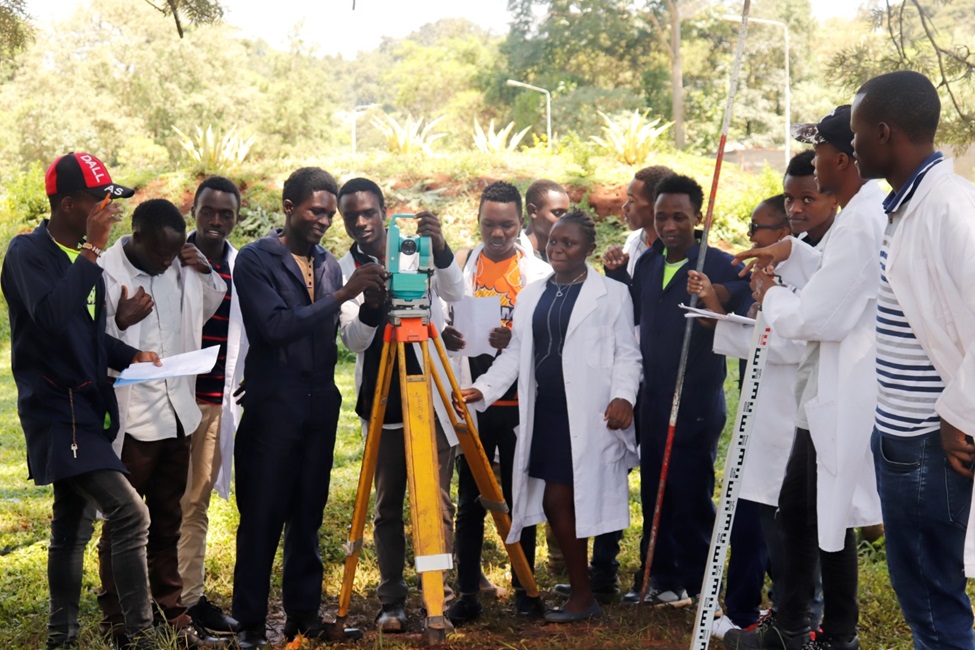
A section of engineering students during a practical session.
Looking ahead, the Association plans to organize a multidisciplinary expo in collaboration with other faculties in the coming year, which will provide students with the opportunity to showcase their talents, innovations and creativity. Its other priorities include expanding membership, developing a digital system to support membership management, increasing participation in innovation activities and encouraging more female students to embrace engineering by challenging the stereotypes surrounding the discipline.
Notably, ESA was established as a non-profit student association that serves as a bridge between engineering students and professionals in the industry. With its mandate extending beyond representing students’ interest to addressing their welfare, the Association helps engineering students to navigate the challenges that come with pursuing engineering and ensuring they have access to opportunities that enrich their academic and professional experiences.
Clearly, the Engineering Students Association (ESA) is deliberately nurturing engineers from MMUST by creating opportunities for students to grow beyond their academic pursuits and prepare for the realities of professional life. Such is what is expected of a modern institution of higher learning!
By Dr. Lydia Anyonje and Caren Nekesa
Photos by Shiundu Masafu