
MMUST Hosts Clare Co-Cat Regional Workshop of Over 20 Universities and Research Institutions Across Africa to Strengthen Capacity in Climate Adaptation Research
Masinde Muliro University of Science and Technology has just hosted the CLARE CO-CAT regional workshop of over 20 universities and research institutions across Africa. The collaborative workshop, which brought together key stakeholders in climate adaptation research aimed at strengthening capacity, co-creating, and piloting the implementation of a Climate Adaptation Research focused Organizational Capacity Assessment Tool (CO-CAT). The three days event, took place from 11th to 13th March, 2026, at the Nairobi Safari Club hotel, and was officially opened by MMUST’s Vice Chancellor, Prof. Solomon Shibairo.
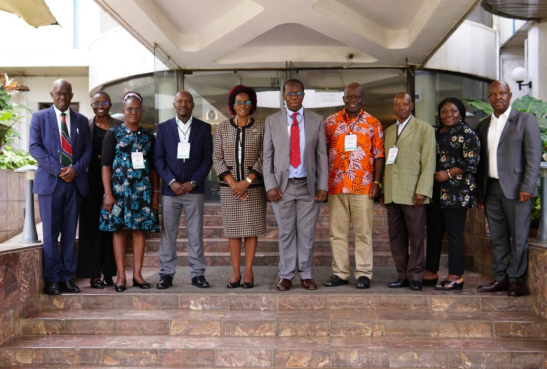
MMUST team at the event.
The 24 month Project, ‘Understanding African Universities’ Capacity for Climate Change Adaptation Research’, is using a Living Labs Approach to co-create and implement a Climate Adaptation and research-focused Organizational Capacity Assessment Tool (CO-CAT). It is funded by the International Development Research Centre (IDRC) and the UK Foreign, Commonwealth and Development Office (UK FCDO). The Project is under the Climate Adaptation and Resilience (CLARE) programme, a flagship of the UK Canada partnership promoting social inclusive and sustainable approaches to strengthening climate resilience across Africa and the Asia-pacific. CLARE is currently implemented in CLARE is currently implemented in Algeria, Benin, Botswana, Burundi, Cameroon, Democratic Republic of the Congo, Egypt, Ethiopia, Ghana, Kenya, Morocco, Namibia, Nigeria, Tanzania, Togo, Tunisia, Uganda, Zambia.
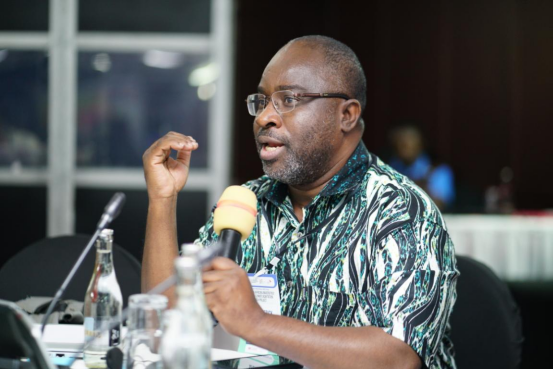
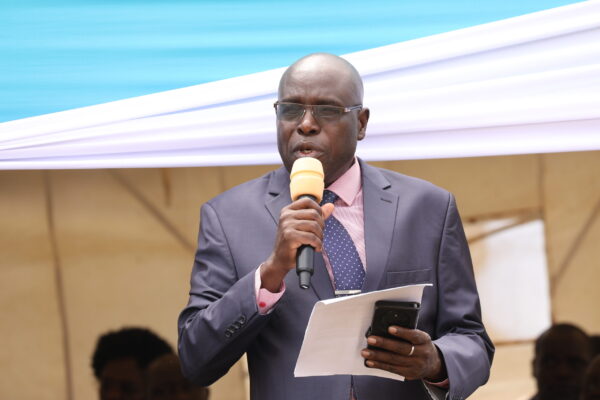
The Director of Research and Programs at AAU, Prof. Frederick Ato Armah makes a point at the workshop.
The Lead implementor of the project is the Association of African Universities (AAU), while the other partners include Association of Commonwealth Universities (ACU) and Liverpool School of Tropical Medicine. Commenting on the importance of institutional support for research in the universities, the Director of Research and Programs at AAU, Prof. Frederick Ato Armah revealed that universities are bringing on board large pool of knowledge that they have garnered while working with communities for many years.
“We are using the information to build collaborations among universities and to make sure we are breaking disciplinary boundaries in the way they conduct climate adaptation research. We are also piloting the CO-CAT tool to help universities identify their strengths and weaknesses in climate change adaptation. This tool also assists them locate which areas require improvement and the steps they can take to address these challenges from an institutional point of view,” said Prof. Armah.
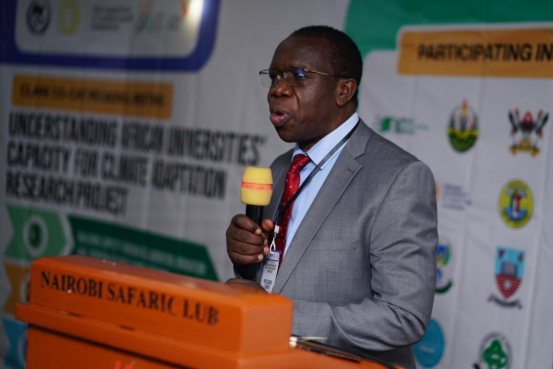
MMUST Vice Chancellor, Prof. Shibairo gives his remarks.
In his welcome address, the MMUST Vice Chancellor, Prof. Shibairo pointed out that climate change is no longer an abstract global discourse but an everyday African reality that threatens livelihoods, food systems, water security, infrastructure, ecosystems, and public health.
“Climate change is experienced differently across gender, age, ability, and socio-economic status. Adaptation research that fails to integrate inclusive perspectives risks reinforcing inequalities. Embedding Gender Equality and Inclusion into governance systems, research design, stakeholder engagement, and leadership structures is not optional but it is essential to producing legitimate and transformative knowledge. MMUST is determined to be part of this journey for Africa and the world,” stated Prof. Shibairo.
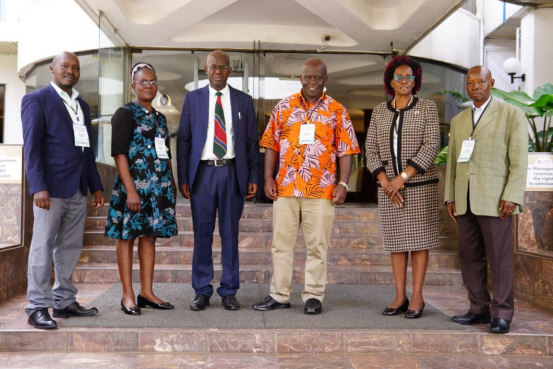
A section of the MMUST CO-CAT project team at the event.
The MMUST CO-CAT project team, who are also the local organizing committee includes Prof. Josephine Ngaira, Prof. Peter Bukhala, Dr. Ferdinand Nabiswa, Dr. Edward Mugalavai (Project Lead), Dr. Collins Matemba, Dr. Betty Opilo and Dr. Edwin Kanda.
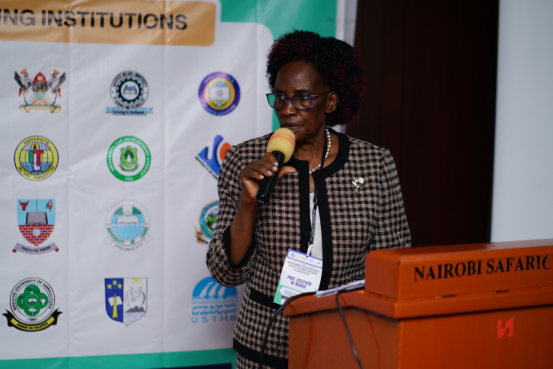
Prof. Josephine Ngaira, a member of the team and a leading Climatologist in Africa speaks at the event.
Prof. Josephine Ngaira, a member of the team and a leading Climatologist in Africa lauded the initiative saying that research in climate adaptation must incorporate inclusive methodologies. Such methodologies must take into account key considerations such as age, gender, race, and socio-economic status of members of a community. “I urge scholars conducting climate adaptation research projects to be intentional in identification of their research problems and methodologies to accommodate the needs of the community. Let us continue to build the capacities of both researchers and postgraduate students at the universities,” added Prof. Ngaira.
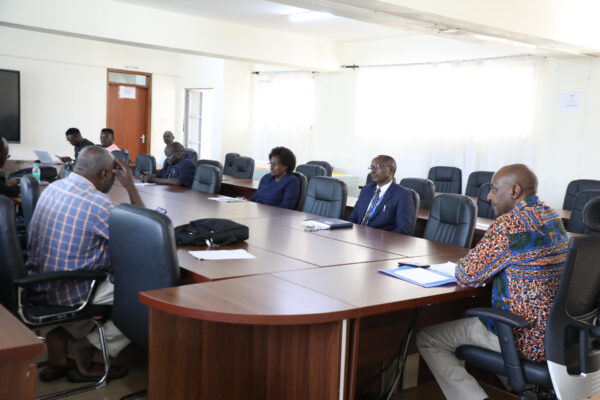
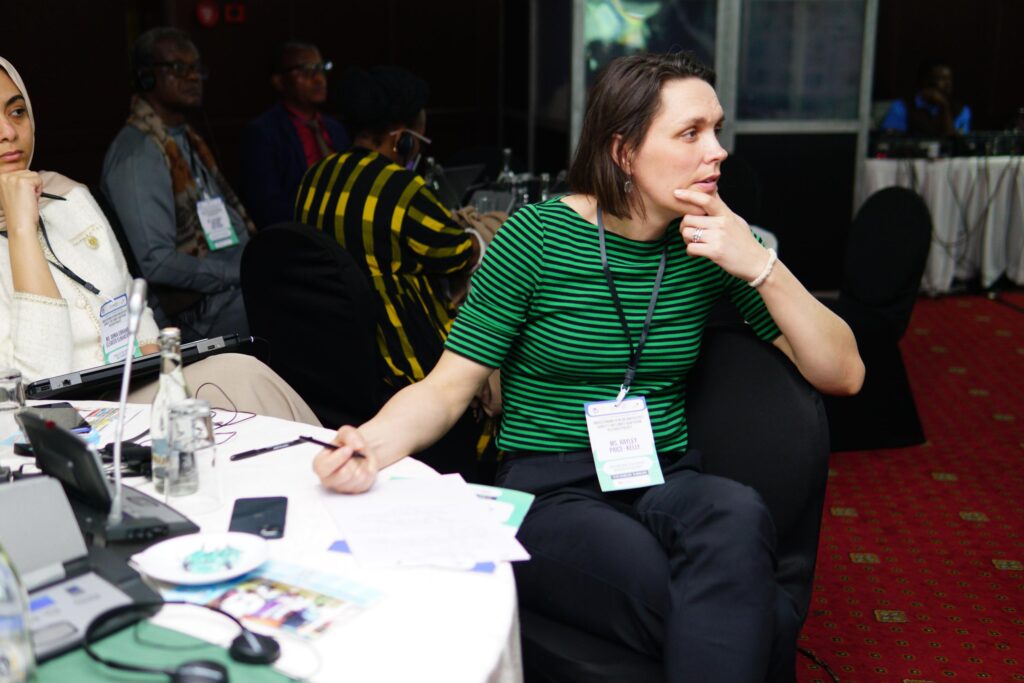
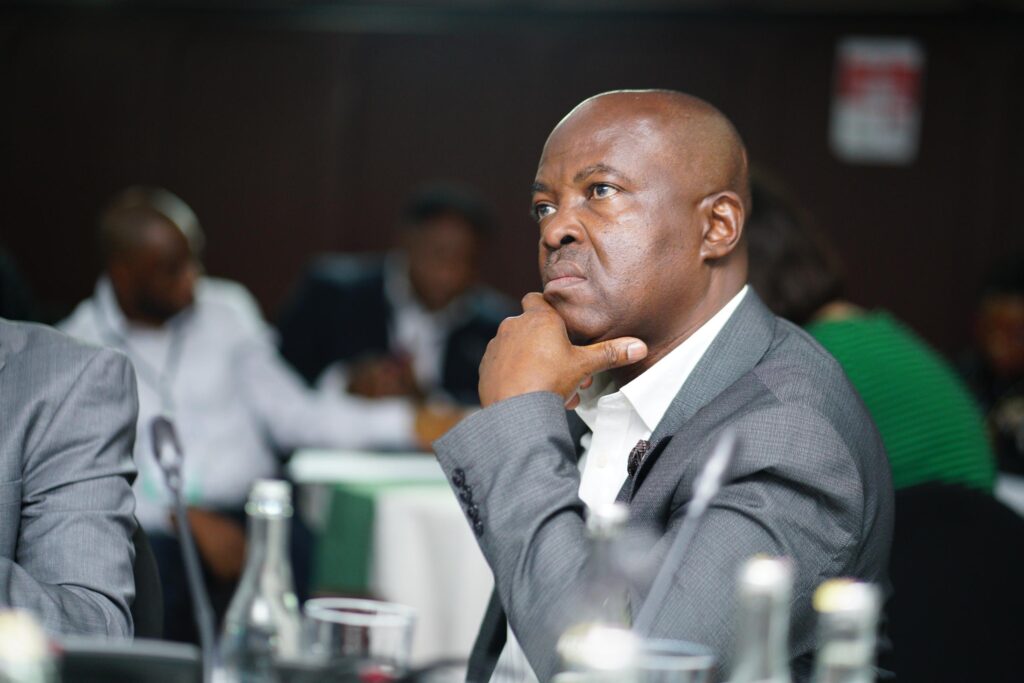
A section of participants at the workshop.
The Project Lead, Dr. Edward Mugalavai noted that MMUST is proud to be part of the 20 African universities and institutions selected to participate in the Understanding African Universities’ Capacity for Climate Adaptation Research. “This workshop has provided the entire team the necessary skills and tools to undertake a gendered and inclusive climate adaptation research project. It has also given us the platform to share experiences with other researchers from other countries in Africa,” remarked Dr. Mugalavai.
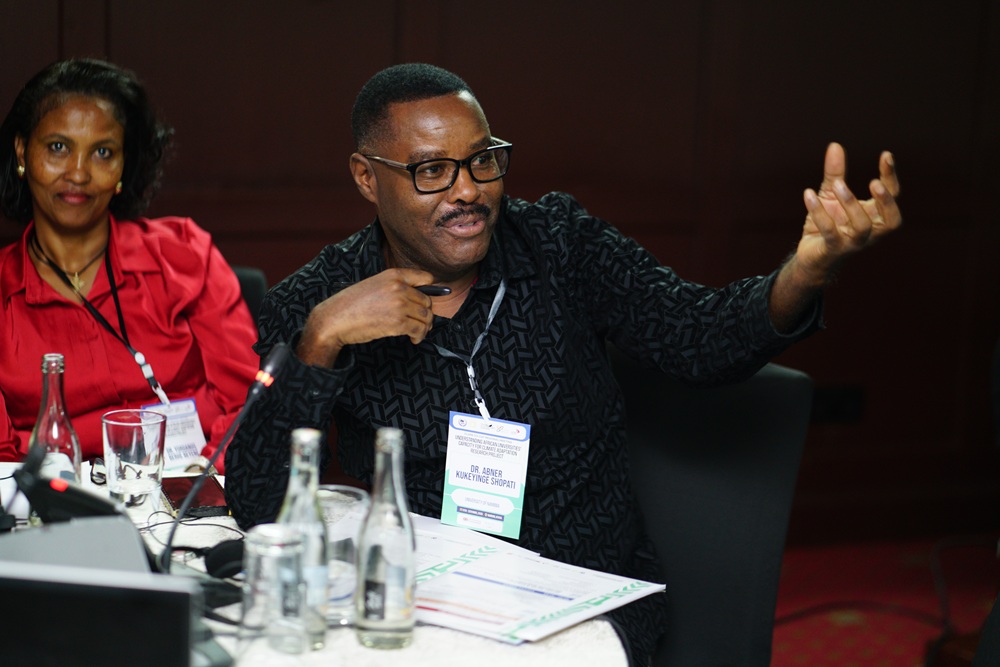
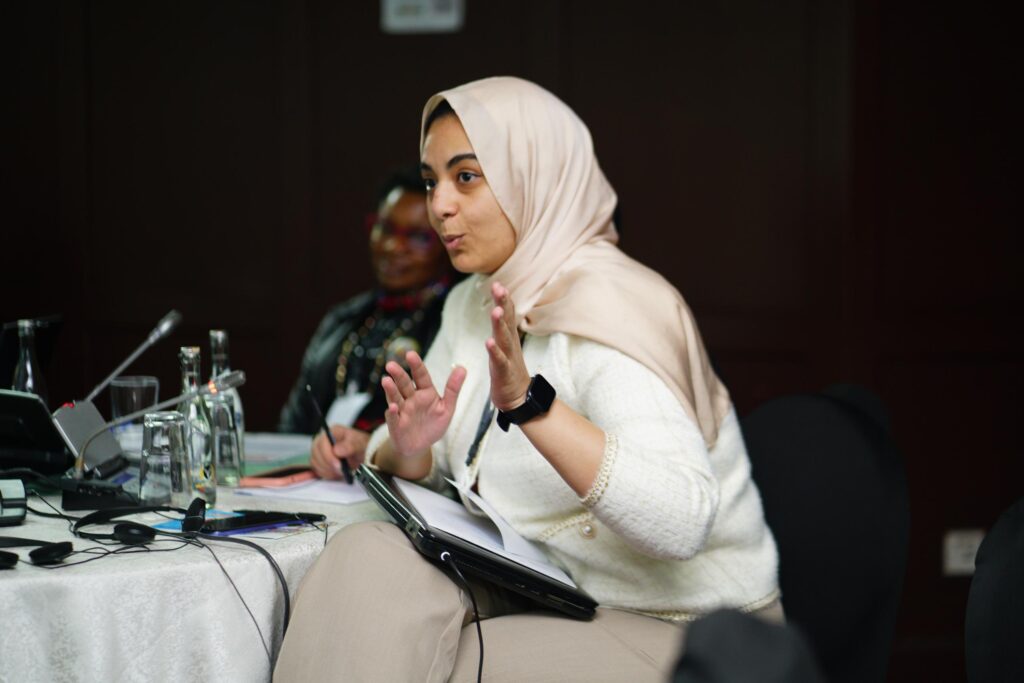
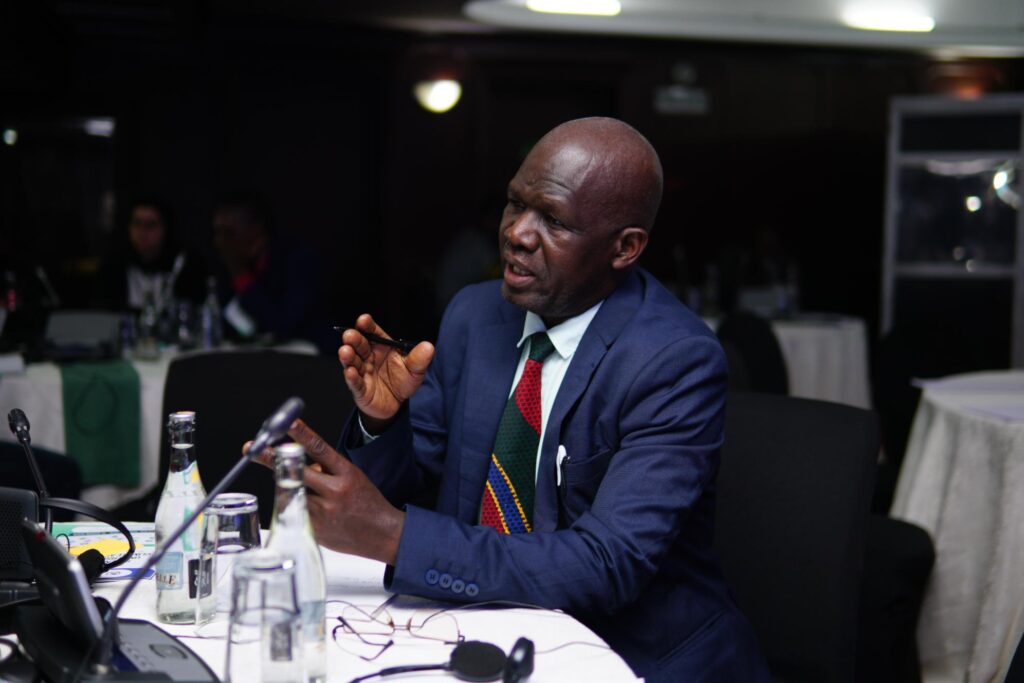
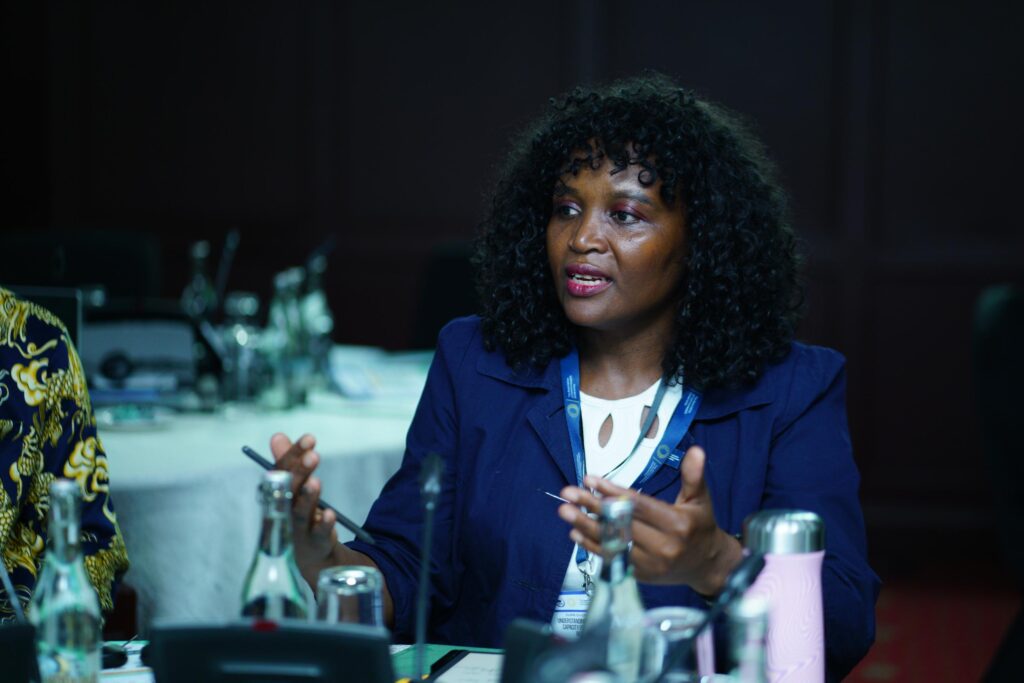
One of the participants makes a point.
The workshop covered different topics including ‘Theory of Change’ and ‘IDRC Research Quality Plus (RQ+) Framework’ by Prof. Frederick Ato Armah; ‘Research Capacity Strengthening’ by Dr. Justin Pulford LSTM; ‘Conceptual Grounding’ and ‘Power, Positionality and Ethics’ of Gender Equality and Social inclusion by Prof. Angela Akorsu. She also presented on ‘African Case Studies Lab’; ‘Climate Adaptation Research Cycle’; ‘The Inclusive Research Design Studio’ and ‘Methods that Don’t Silence’ in Gender Equity and Social Inclusion.
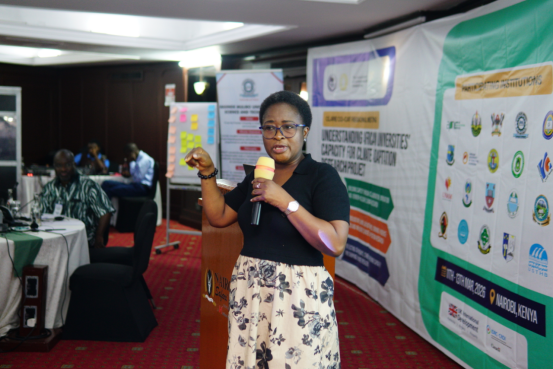
Prof. Angela Akorsu makes her presentation.
The workshop will end tomorrow with more capacity building in ‘Data Analysis and Interpretation’; ‘Beyond the Individual Researcher, Research Governance Simulation, Action Planning Lab, and Commitment’; ‘Conceptual Architecture , Theoretical Dimensions and Methodological Limits of the CLARE CO-CAT Tool’.
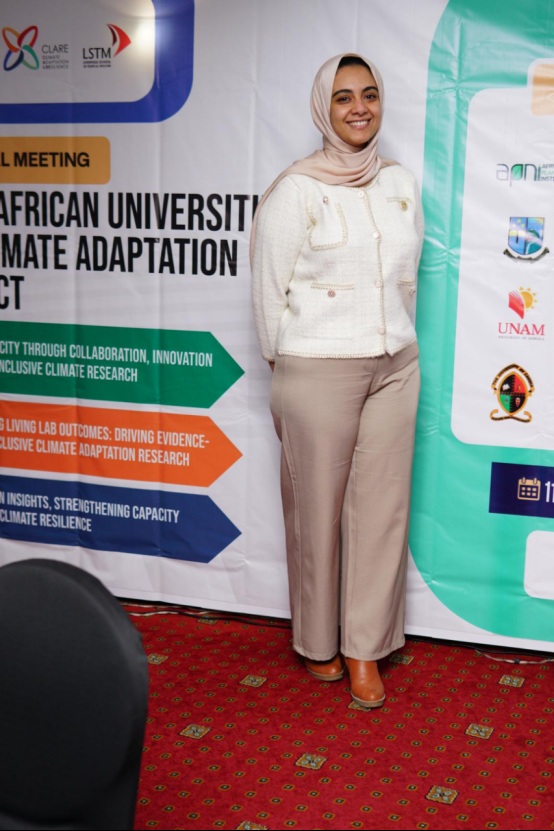
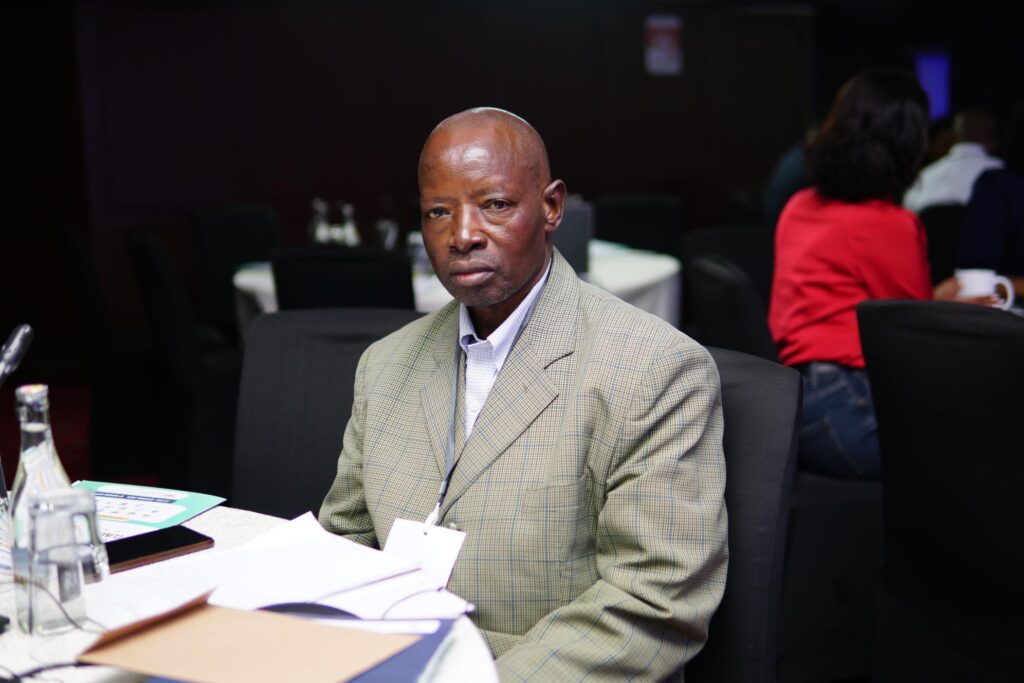
One of the participants at the event.
It is anticipated that the project will produce user guidelines, case studies and lessons on how to strengthen institutional capacities for climate adaptation research for impact. Indeed, this capacity building exercise has equipped participants with requisite skills to conduct effective and impactful climate adaptation research projects. This should be the trend in all universities in Africa and elsewhere in the world.
By Dr. Lydia Anyonje and Caren Nekesa