Scholars Call for a Return to African Indigenous Knowledge Systems Amid Diverse World Views, as MMUST AFRIAK Fellows Engage Local Experts
Scholars are calling for a courageous return to African Indigenous Knowledge systems as a vital framework for navigating today’s diverse world views. This call to action emerged during one of MMUST AFRIAK’s fellowship workshops held on Wednesday, 11th March,2026, at the University. The session highlighted the essence of the ongoing field engagement of the fellows with local experts and featured thought-provoking presentations from renowned scholars Prof. Kukubo Barasa, Hon. Silverse Anami and MMUST’s Rev. Fr. Dr. Kizito Muchanga Lusambili.
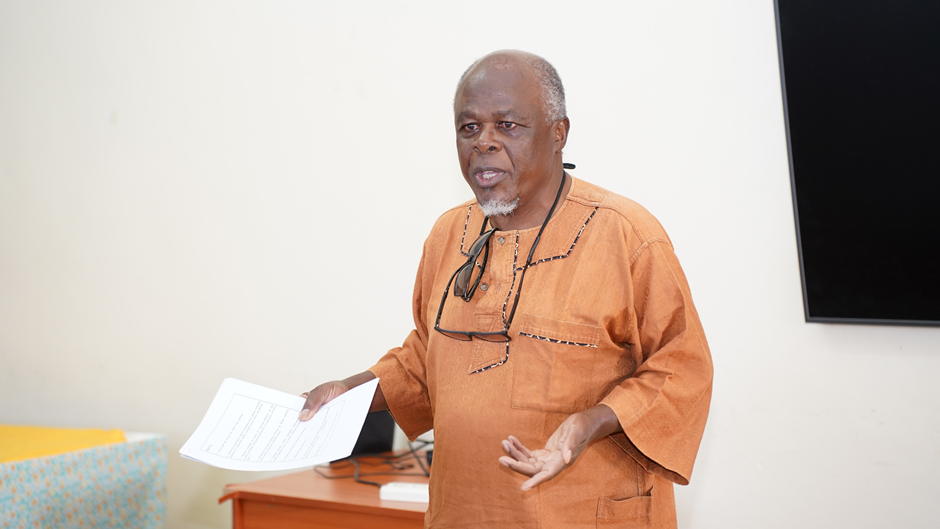
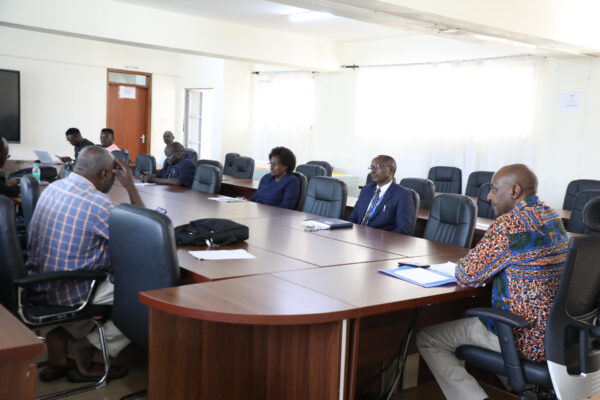
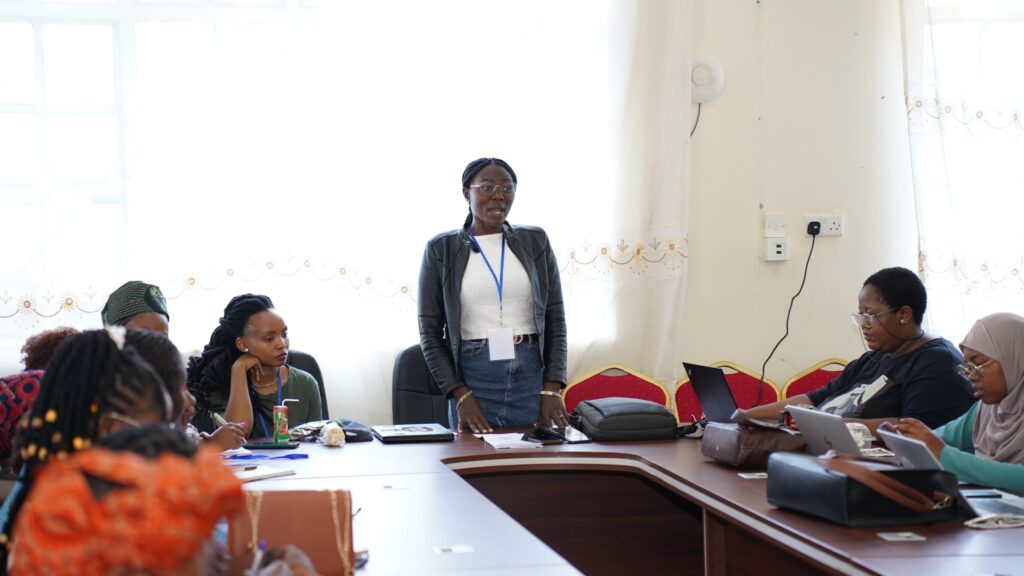
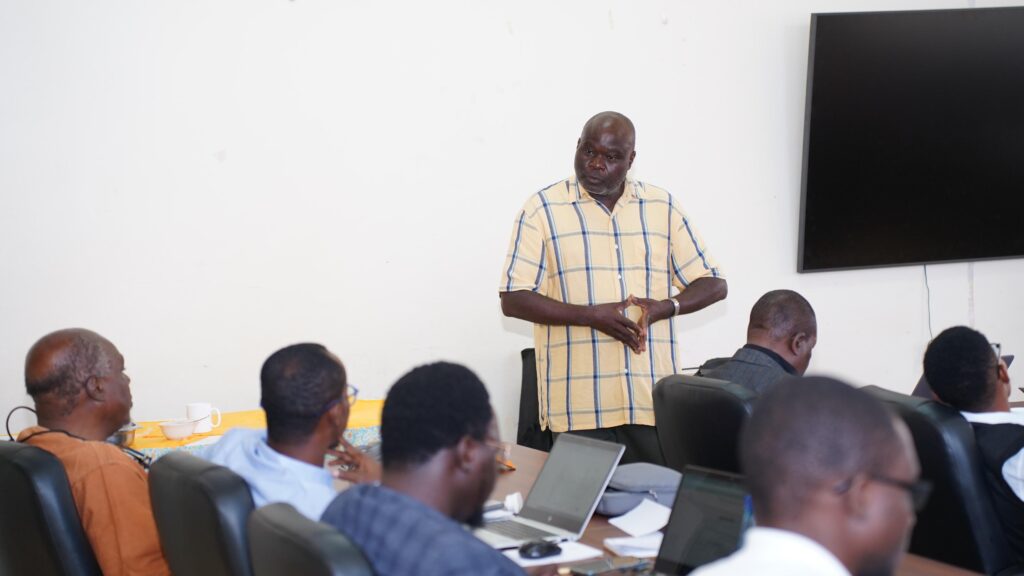
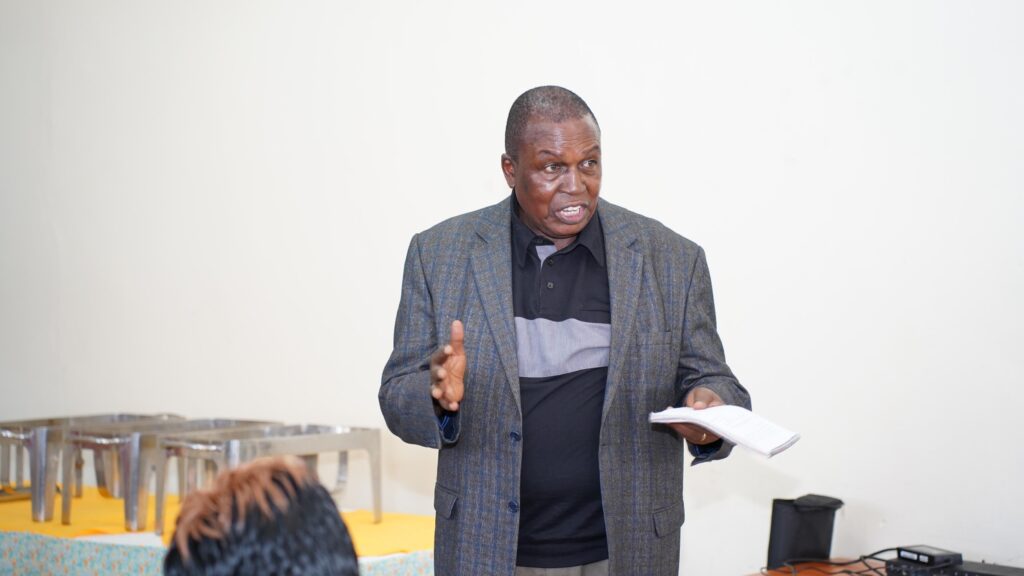
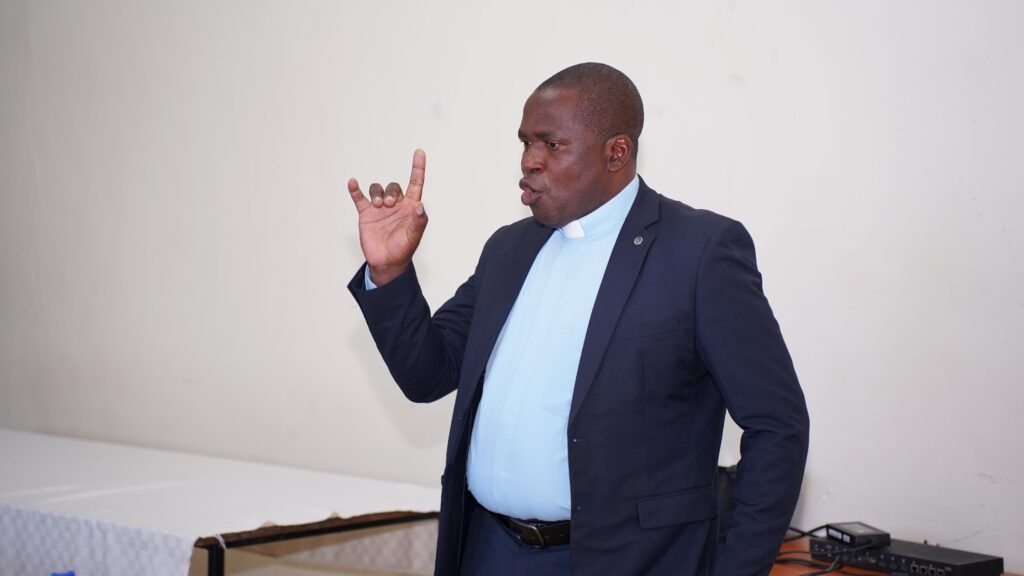
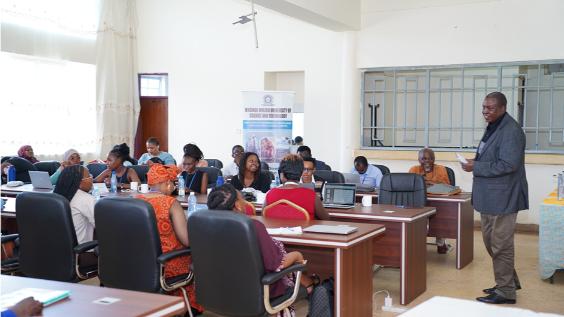
One of the experts, Prof. Kukubo Barasa making his presentation.
Speaking to the fellows, Prof. Barasa, Hon. Anami and Dr. Kizito delivered a spirited defense of traditional systems, arguing that while the world looks towards the West for solutions, the keys to Africa’s future may already lie in its past.
In his presentation, Prof. Barasa emphasized the importance of indigenous knowledge, debunking the myth that it is merely superstition but strategic and critical. “The world comes from another,” he said, explaining that modern principles must be understood within their historical context. Prof. Barasa further delved deeper, highlighting the practicality of indigenous knowledge systems. He pointed out that they do not just exist in theory but played a key role in enforcing community rules and upholding social order.
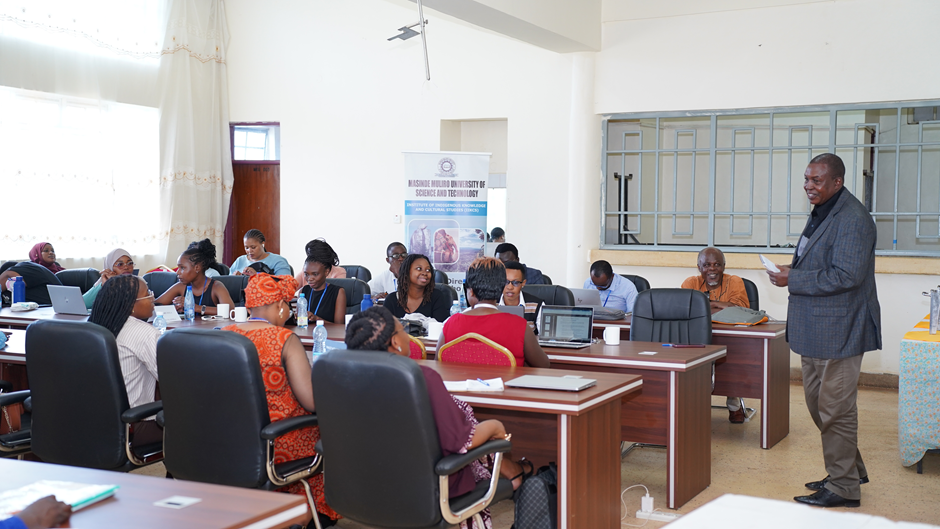
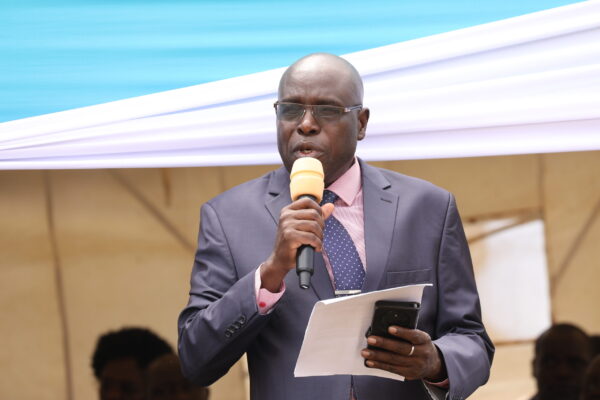
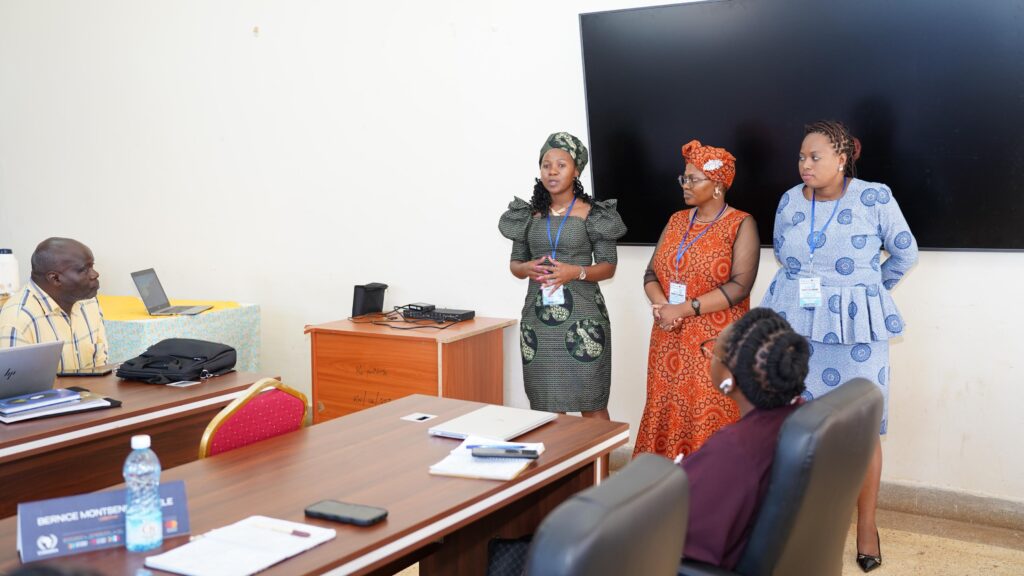
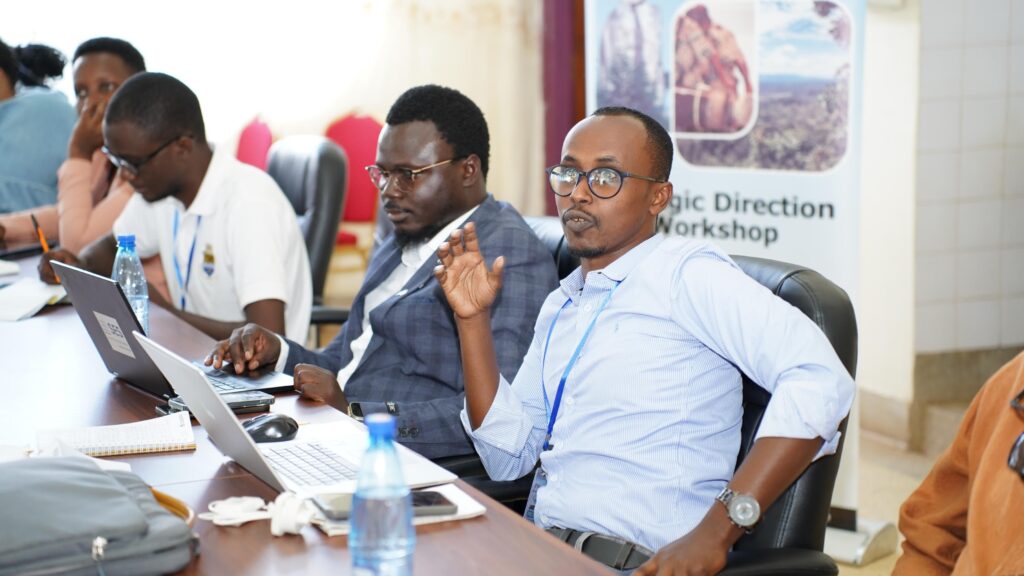
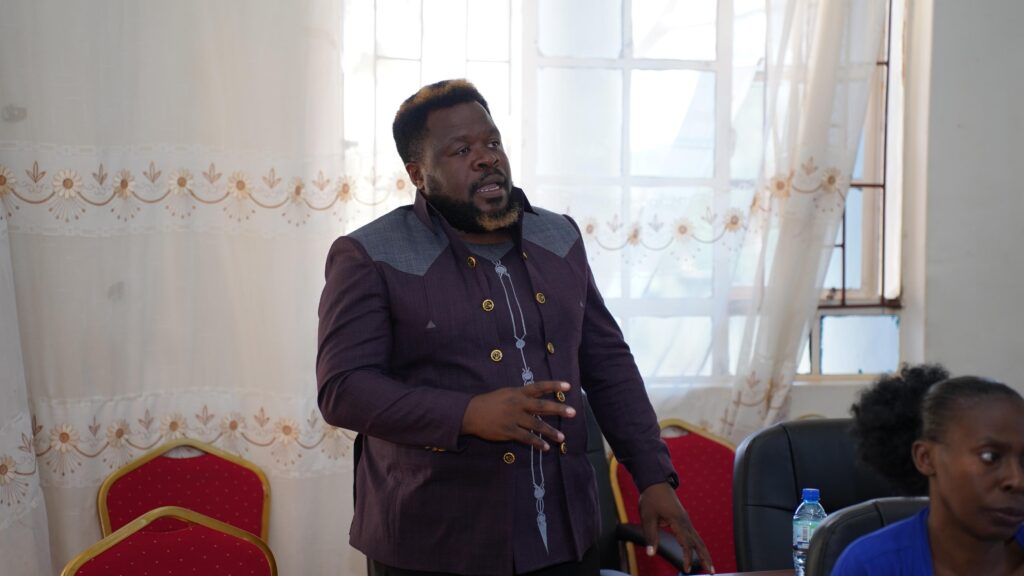
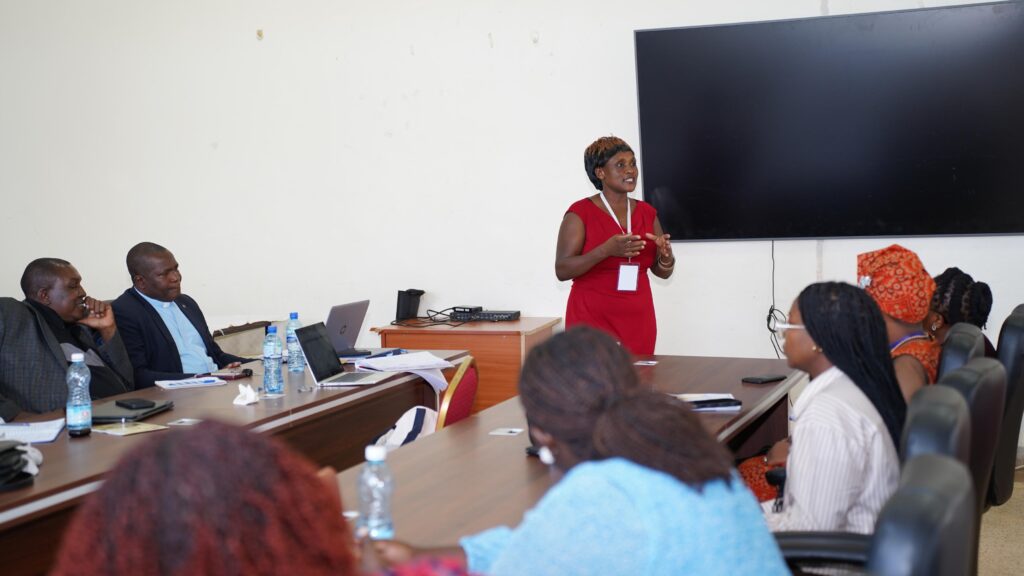
Hon. Silverse Anami making his presentation.
Similarly, Hon. Silverse Anami made a detailed presentation on ‘Understanding African Indigenous Knowledge Systems: Philosophical Foundations and Domains,’ where he shed light on the impact of European modernity on African Indigenous Knowledge systems. Hon Anami urged the fellows to champion African IK in their home countries.
Challenging coloniality of power and knowledge, he asserted that Western perspectives do not hold monopoly on universal truth. “We must be courageous and unapologetic in our defense of African Indigenous Knowledge. Let us have the courage to challenge European dominance and embrace our unique world views. Let our research be assertive, grounded in our roots, and free from the shadow of intellectual dependency,” he advised.
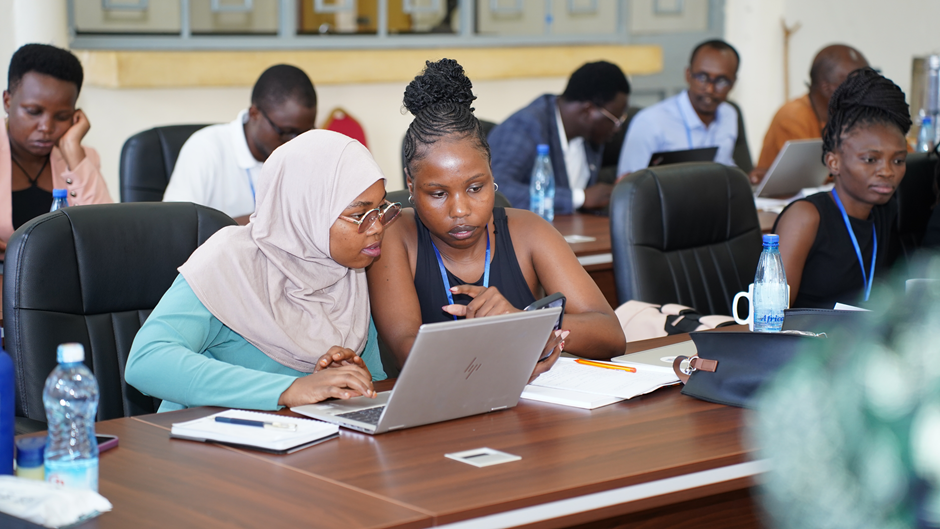
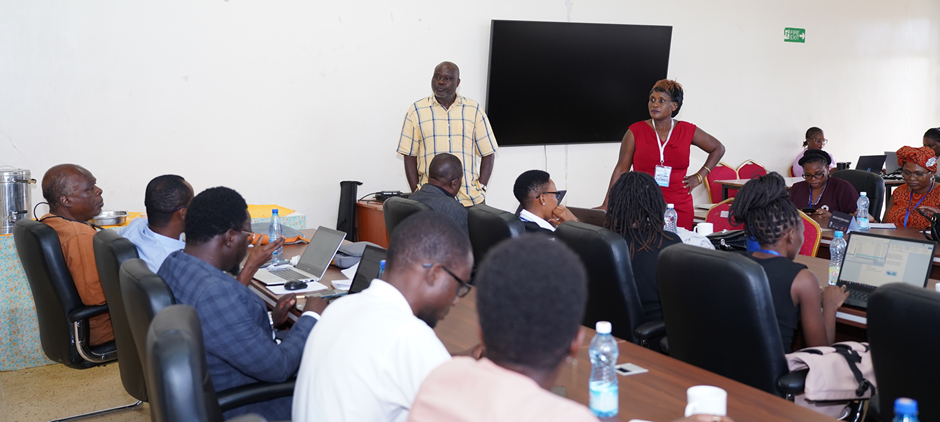
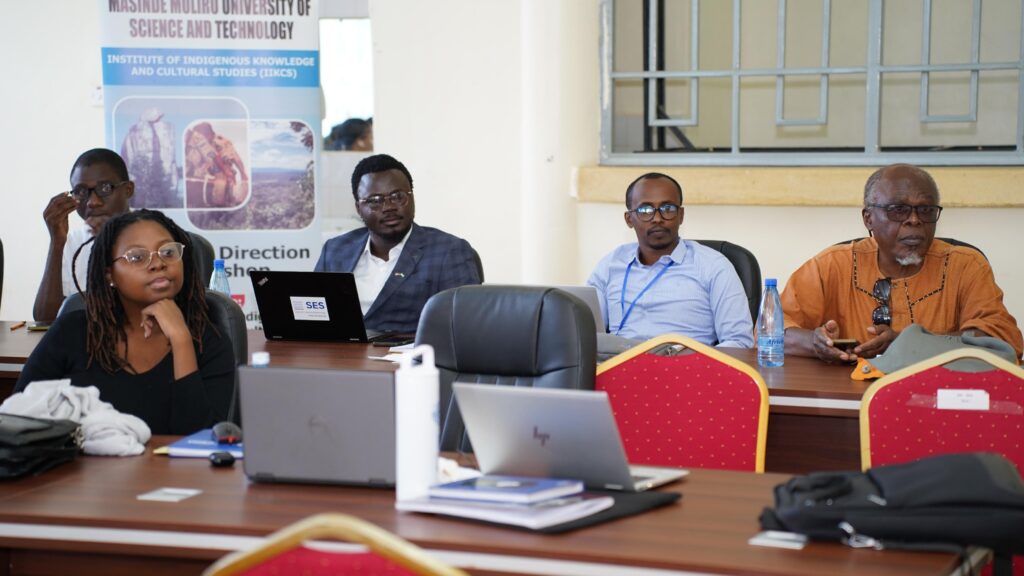
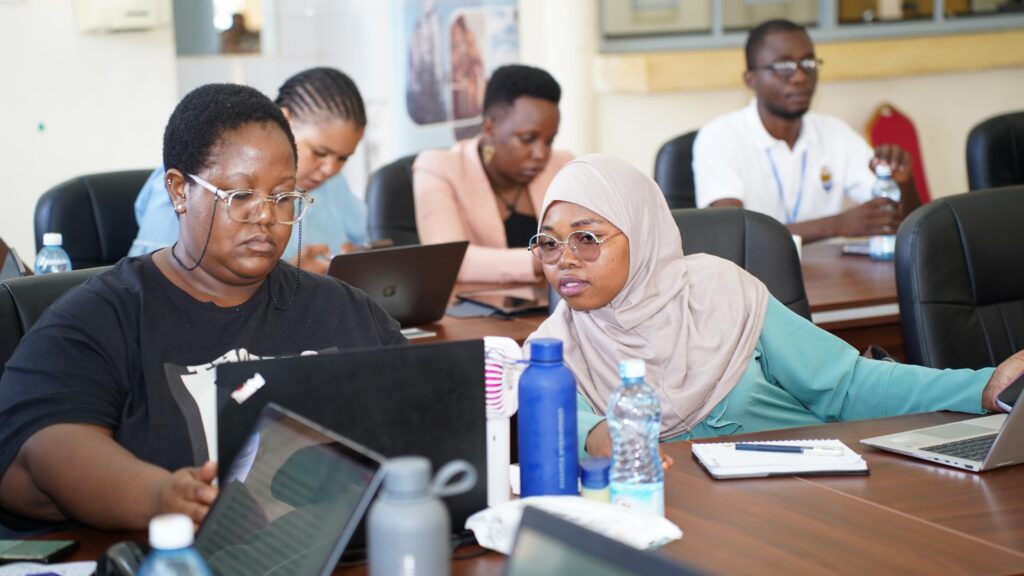
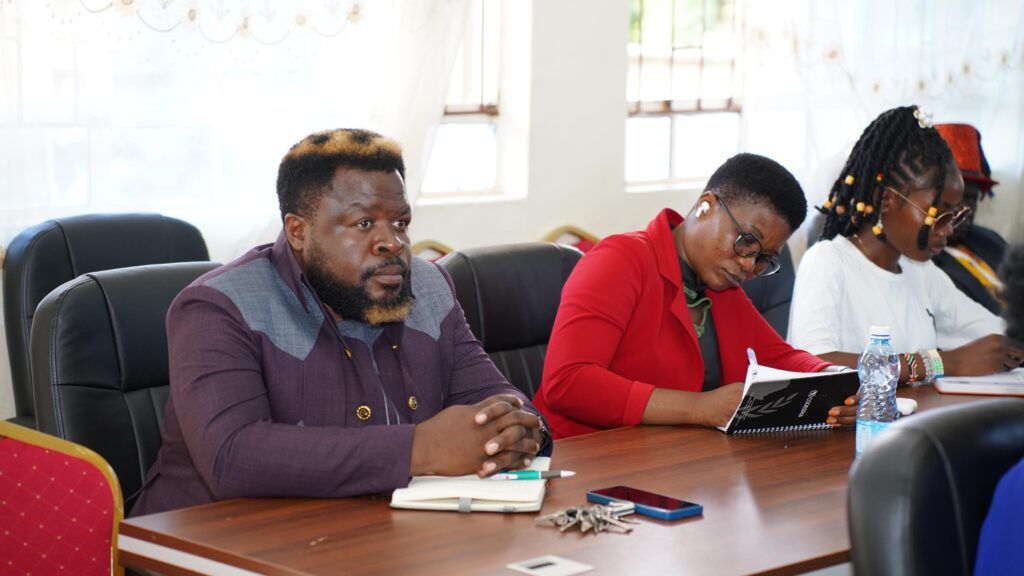
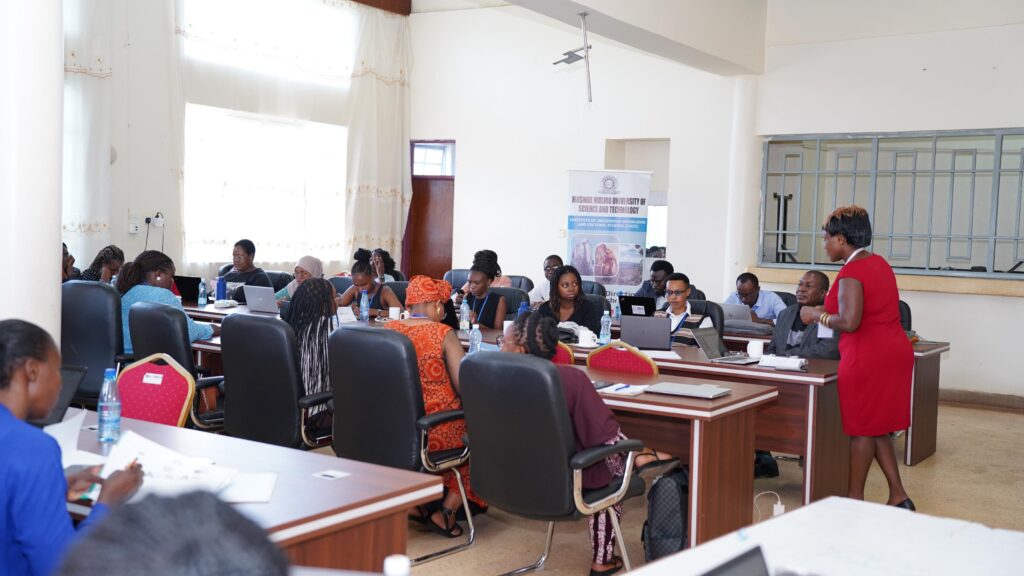
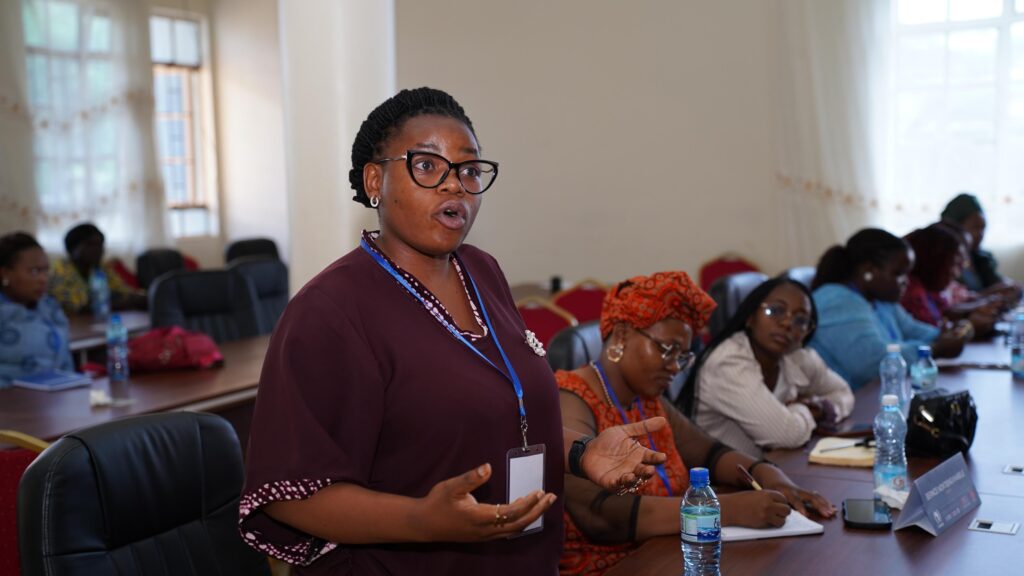
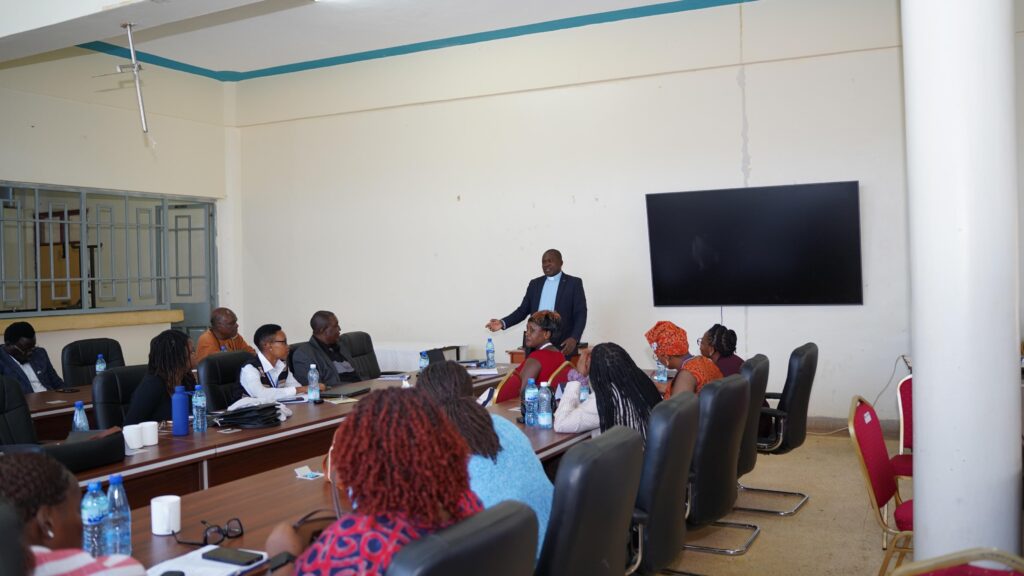
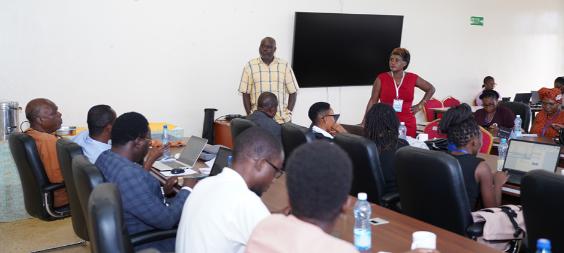
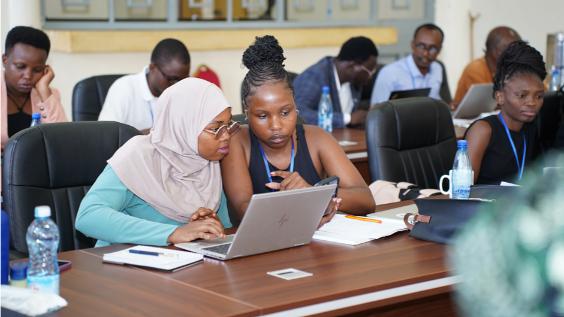
Fellows sharing ideas during one of the sessions.
The day’s deliberations attracted other key presentations including, ‘African IK and National Policy Processes: Translating IK into policy’, ‘IK Keeper’s perspectives on IK and Research (Policy, Dialogue Discussion)’, ‘Ethical, non-extractive IK research; a rights-based approach to African IK’. Central to these discussions was the ‘safeguarding’ of our cultural heritage. The scholars argued that such heritage is only truly secure when it is actively practiced. That, beyond preservation, a living cultural heritage guarantees a community’s identity and continuity, fosters mutual respect, global awareness and a framework for international cooperation.
To safeguard our African Indigenous knowledge, the experts stressed the need to build community inventories to help archive our heritage. The continued existence of African generations is living proof that indigenous knowledge systems are indeed effective. As we advance technologically, we must ensure that we do not lose track of our African solutions!
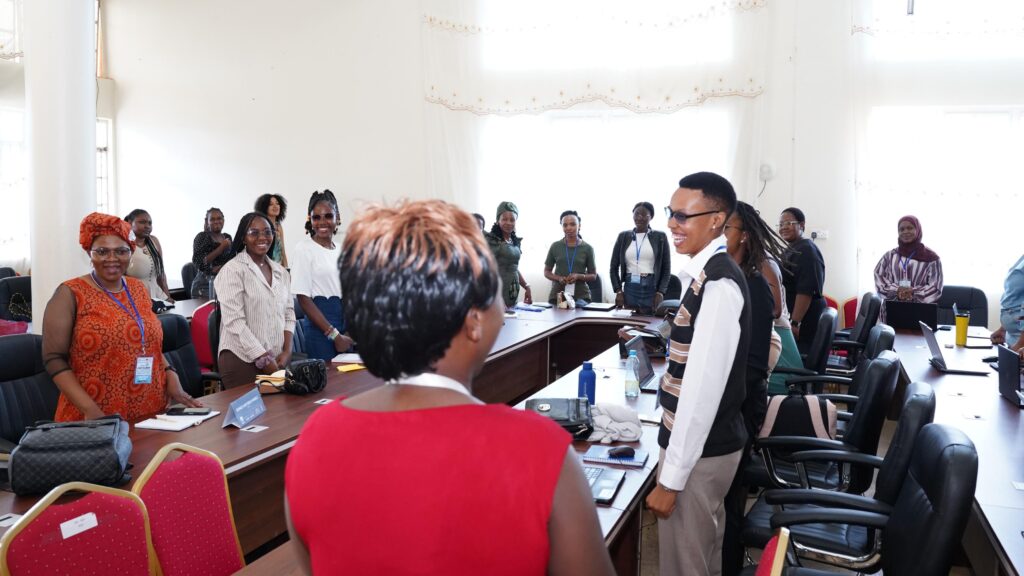
By Caren Nekesa and Diana Juliana.
Photos by Gabriel Juma