MMUST Establishes Comprehensive SGBV Referral Pathway to Enhance Responsiveness and Survivor Support Mechanisms
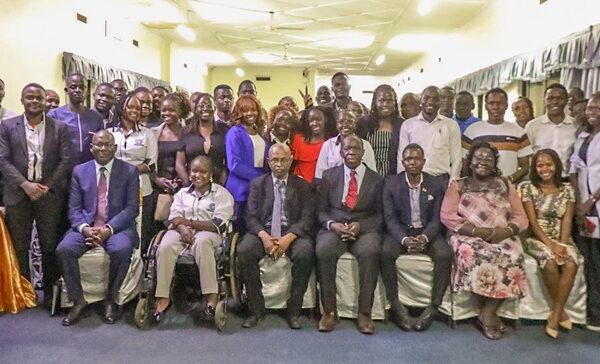
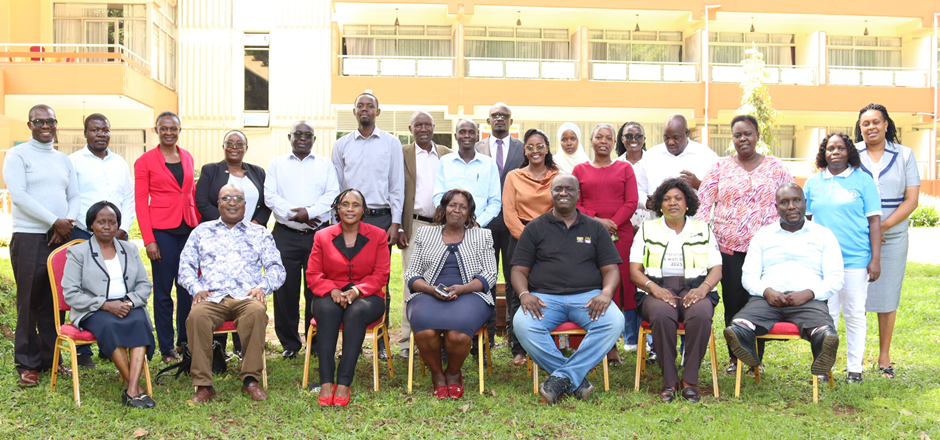
In an effort to enhance the University’s responsiveness and survivor support mechanisms, Masinde Muliro University of Science and Technology (MMUST) has established a comprehensive Sexual Gender-Based Violence (SGBV) referral pathway. This was achieved during a two-day stakeholders’ workshop held from 20th to 21st May, 2026, at the Golf Hotel in Kakamega. The workshop brought together key stakeholders, including the National Gender Equality Commission (NGEC), the County Government of Kakamega’s Department of Gender, Youth, Sports, Culture, and Social Services, and the MMUST Gender Mainstreaming Committee. The event was officially opened by the Director Research and Postgraduate Support, Prof. Francis Orata.
Speaking during the event, Prof. Francis Orata noted that SGBV remains one of the most pervasive human rights violations and systemic social challenges affecting institutions globally. He emphasized the need for collective action in establishing effective prevention and response mechanisms. “It is our collective responsibility to put in place robust preventive measures that will ensure timely referrals, accountability and survivor-centred justice pathways,” stated Prof. Orata.
Additionally, Prof. Orata commended the collaborative efforts by stakeholders, observing that the establishment of a clear and reliable referral pathway will address systemic underreporting, which he identified as one of the single greatest challenge in handling SGBV cases. According to Prof. Orata, eliminating bureaucratic delays, institutional opacity, and fear of stigmatization will help restore confidence in reporting and referral mechanisms. “The integration of NGEC, the County Government, our internal security and medical directorates, as well as the AIDS Control, Gender and Disability Mainstreaming Unit (ACGDMU), will ensure that the outcome of this workshop is practical, operational and responsive to the needs of survivors,” he noted.
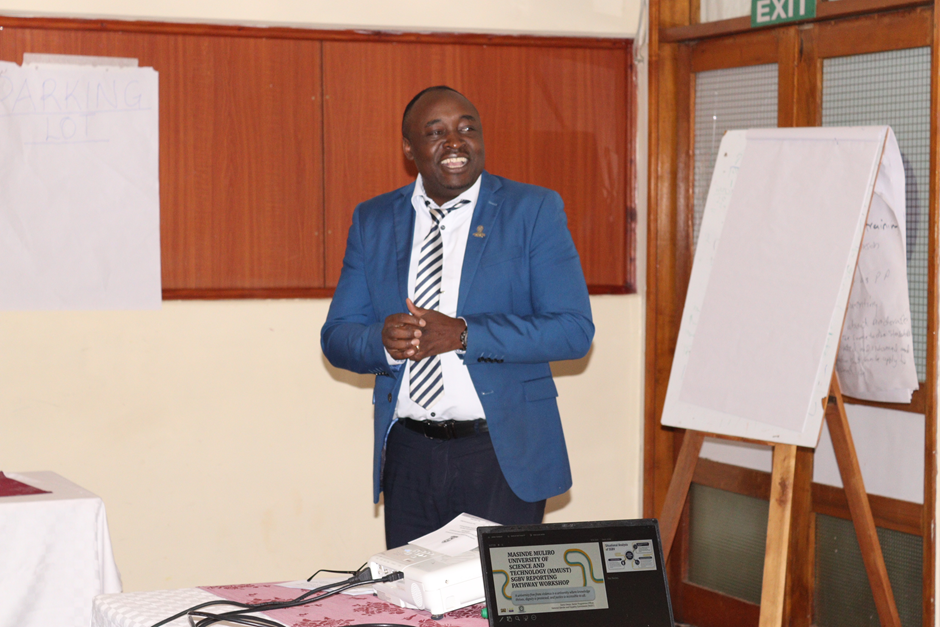
The Director Research and Postgraduate Support, Prof. Francis Orata addresses the participants during the official opening of the event.
The Deputy Director ACGDMU, Dr. Reuben Rutto noted that MMUST maintains a zero tolerance stance on SGBV, saying that the University continues to strengthen its systems and structures to ensure survivors are treated with dignity while upholding institutional integrity. “Developing this referral pathway is a critical milestone in enhancing the University’s responsiveness and survivor support mechanisms. The proposed referral pathway should adopt a survivor- centered approach that prioritizes the rights, safety, dignity and well-being of survivors throughout the entire process,” he said, stressing the importance of coordinated action among stakeholders in ensuring timely reporting, referral and access to essential support services for survivors.
The Chairperson Gender Mainstreaming Committee, Dr. Lucy Mandillah, highlighted some of the barriers that survivors face, including, fear of stigmatization, limited awareness of reporting channels, delayed response systems, fragmented support services, and uncertainty about where to seek help. “It is important for MMUST to establish a clear, coordinated, survivor-centred, confidential and accessible referral pathway that will guide and support survivors, while enabling stakeholders to respond effectively whenever such cases arise,” remarked Dr. Mandillah.
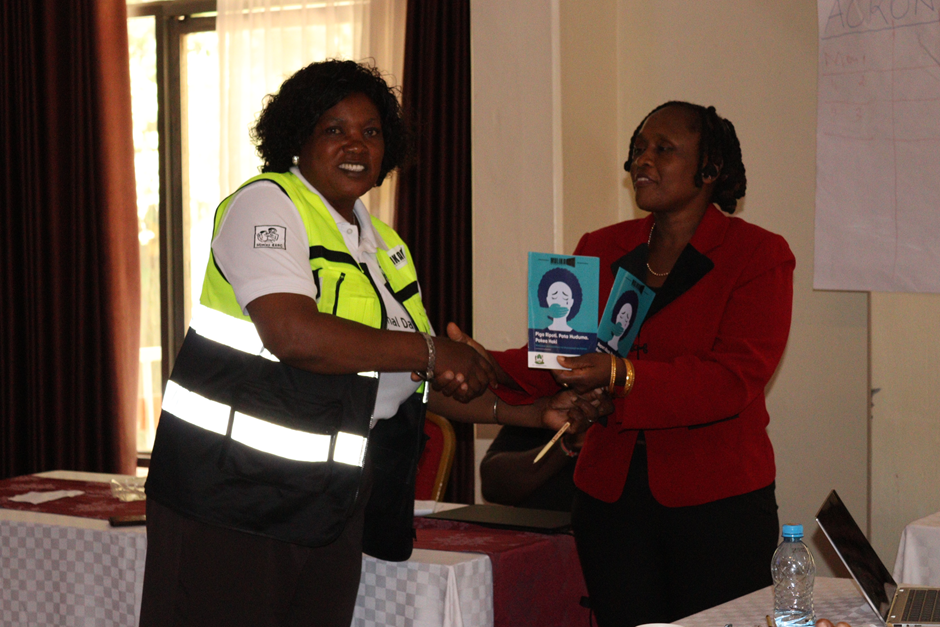
The Chairperson Gender Mainstreaming Committee, Dr. Lucy Mandillah (right) receives donated books from the Director of Gender-kakamega County, Mrs. Joyce Wafukho.
Speaking to DCCM crew in an interview, the expert facilitator and Senior Programme Officer from NGEC, Mr. Davis Ochieng, emphasized that the MMUST SGBV referral pathway should serve as a comprehensive framework that effectively responds to the complex and often diverse needs of survivors of sexual violence, while addressing existing gaps in service delivery and coordination. “A University free from violence is one where knowledge thrives, dignity is safeguarded, and justice remains accessible to all. Our focus, both as a country and as MMUST, should be on ensuring the availability of quality services that comprehensively address the medical, psychosocial and legal needs of survivors of sexual violence in both stable and humanitarian settings,” he said.
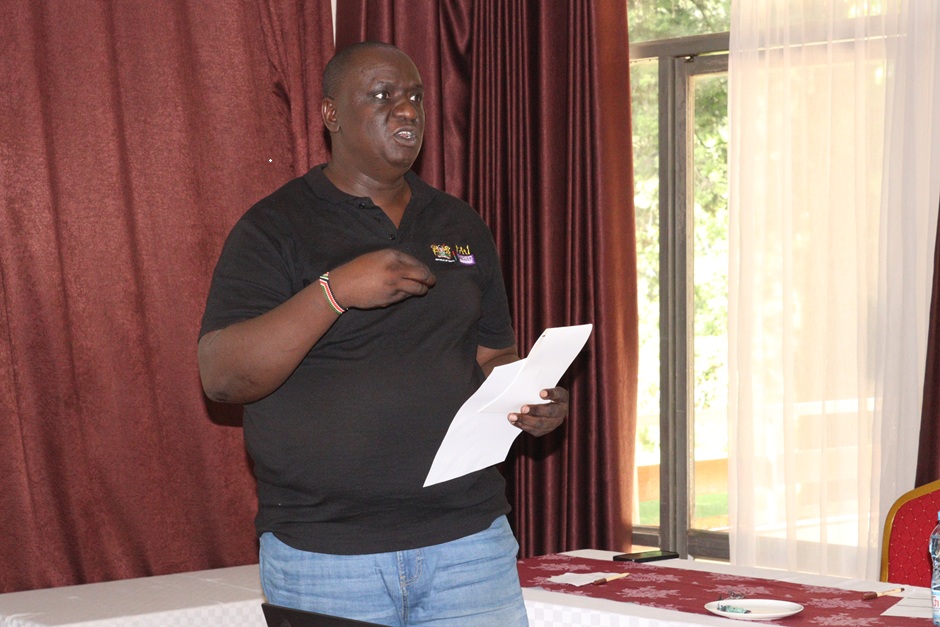
The expert facilitator and Senior Programme Officer, NGEC, Mr. Davis Ochieng makes a presentation during the workshop.
“The Ministry continues to support MMUST through Coordinated multi-sectoral interventions aimed at reducing HIV infections, teenage pregnancies, and gender based violence. Collaborative partnerships among institutions, government agencies and communities are critical in addressing the interconnected challenges affecting young people and vulnerable populations,” said the Director Gender-County Government of Kakamega, Mrs. Joyce Wafukho.
Notably, several key thematic areas were explored during the workshop, including, the ‘SGBV Response Landscape, Trends and Reporting Challenges in MMUST’; as well as ‘Designing the SGBV Reporting and Referral Pathway; Roles and Responsibilities of Stakeholders’. Other section-based presentations were delivered by representatives from the Medical Department, Security Services, Student Affairs Office, as well as the Legal Office.
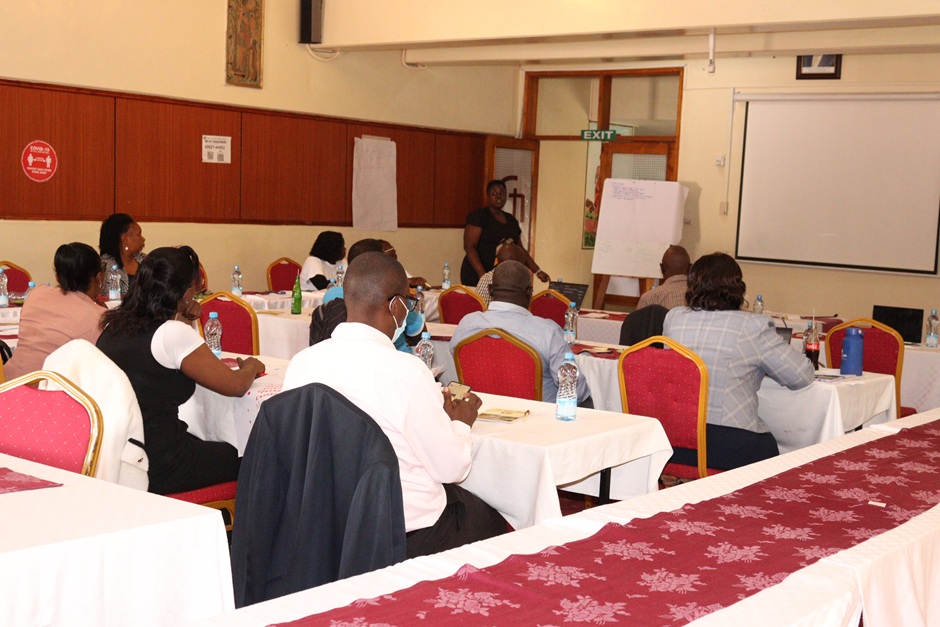
Ms. Selpher Sabatia engaging participants during group presentations.
Undoubtedly, this initiative aligns with ongoing national efforts aimed at enhancing prevention, response and survivor support mechanisms for SGBV across institutions and communities. This newly established MMUST SGBV referral pathway will certainly go along way in streamlining coordination among service providers, enhancing access to psychosocial, legal and medical support services, and strengthening institutional as well as community accountability in the management of SGBV cases.
Story by Caren Nekesa and Sarah Mulyungi
Photos by Wangari Wambugu