MMUST Hosts Kenya Universities’ Consortium Of Medical Physics Teaching And Training To Establish A Coordinated National Framework For MSc In Medical Physics Training
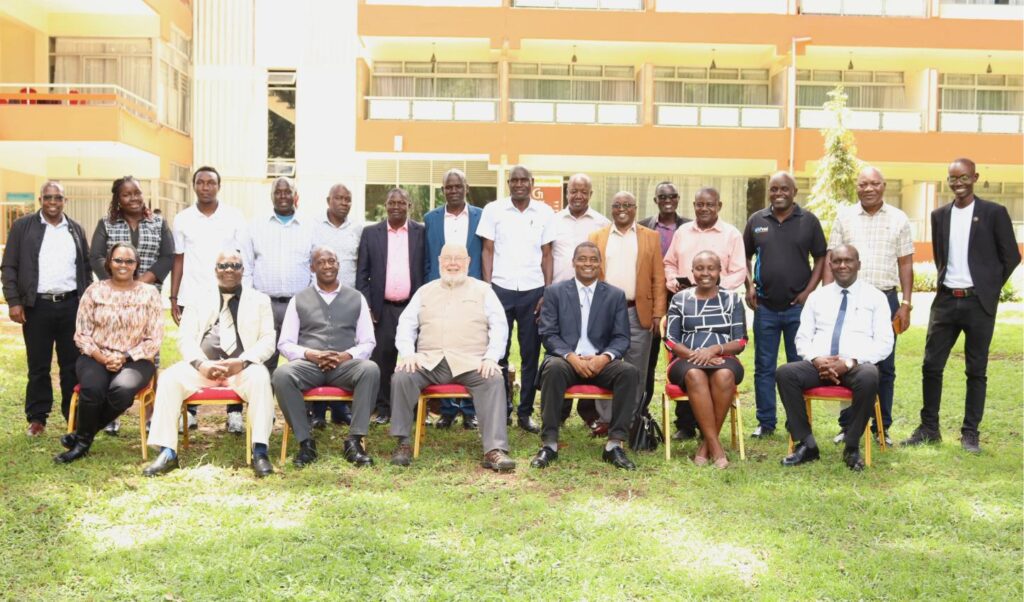
Masinde Muliro University of Science and Technology (MMUST) has hosted the Kenya Universities’ Consortium of Medical Physics Teaching and Training (KUC-MPTT) stakeholders’ Workshop, which took place from 13th to 15th April, 2026. The three-day Workshop was aimed at establishing a coordinated national framework for MSc in Medical Physics training in Kenya, through curriculum harmonization, resource sharing, governance structuring and sustainable collaboration. The event, facilitated by a representative of the Academics Without Borders (AWB), Prof. John Schreiner, brought together participants from the five (5) Universities in the Consortium, Medical Physics for World Benefits (MPWB), and Association of Medical Physicists of Kenya (AMPKen). It was a follow up of the successful launch of KUC-MPTT by the Vice Chancellors of the member Universities.
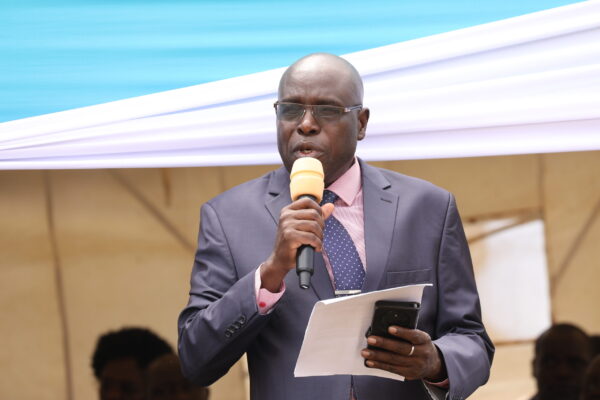
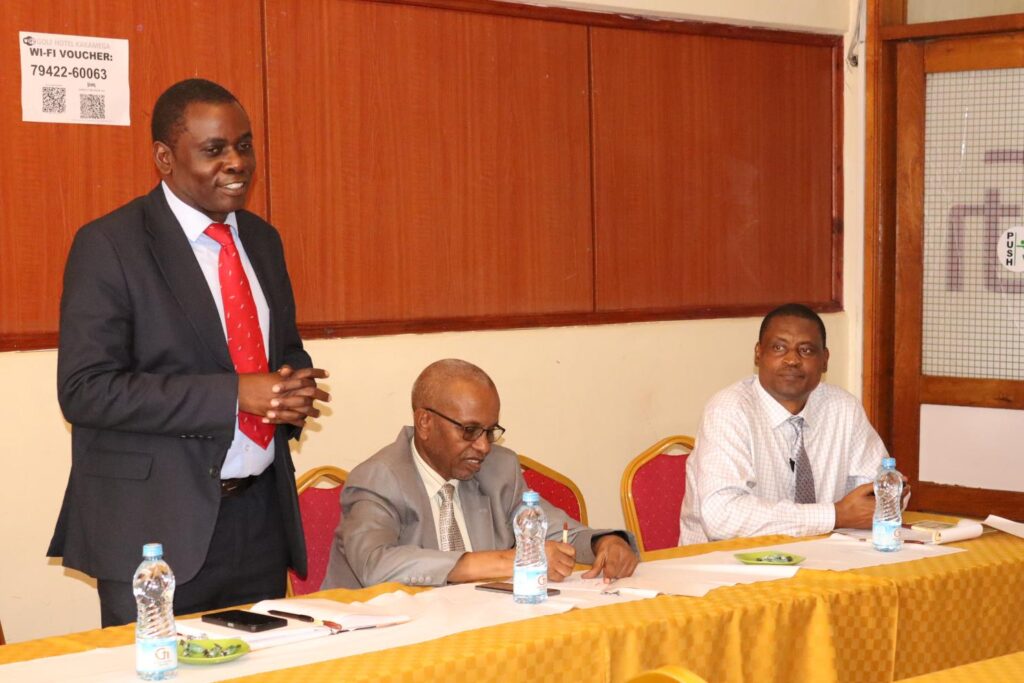
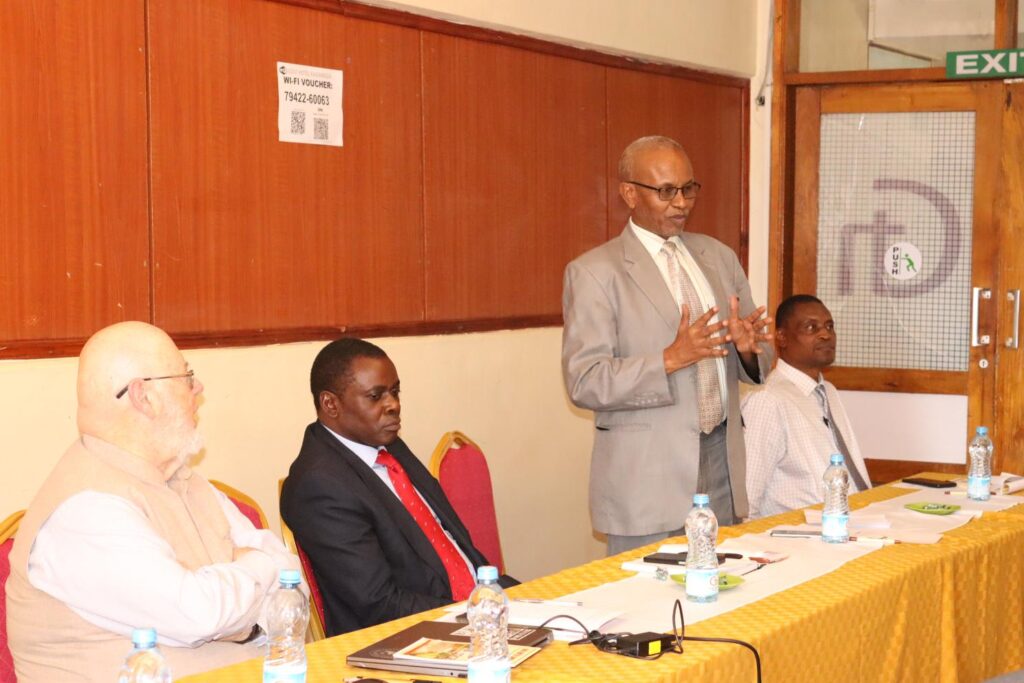
“Medical physics is not merely a support function, it is a cornerstone of modern medicine, directly ensuring the safety and effectiveness of radiotherapy and diagnostic imaging. This stakeholders’ Workshop serves as the inaugural phase of the Consortium. It establishes the programme’s strategic outlook, defines frameworks for collaboration and aligns priorities to ensure formal student training. The key focus areas include curriculum design and the shared mobilization of resources and expertise,” said the Deputy Vice Chancellor (Academic and Student Affairs)-Prof. Hussein Golicha, while officially opening the event.
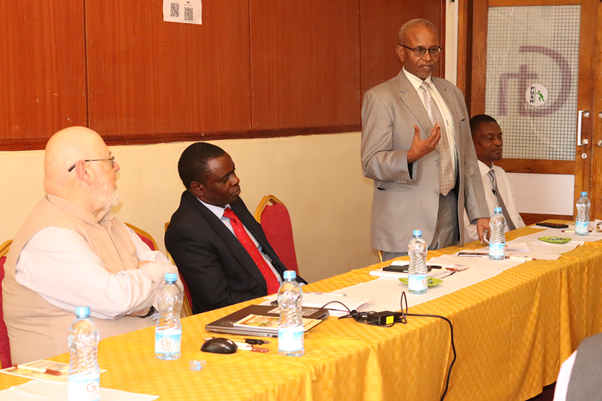
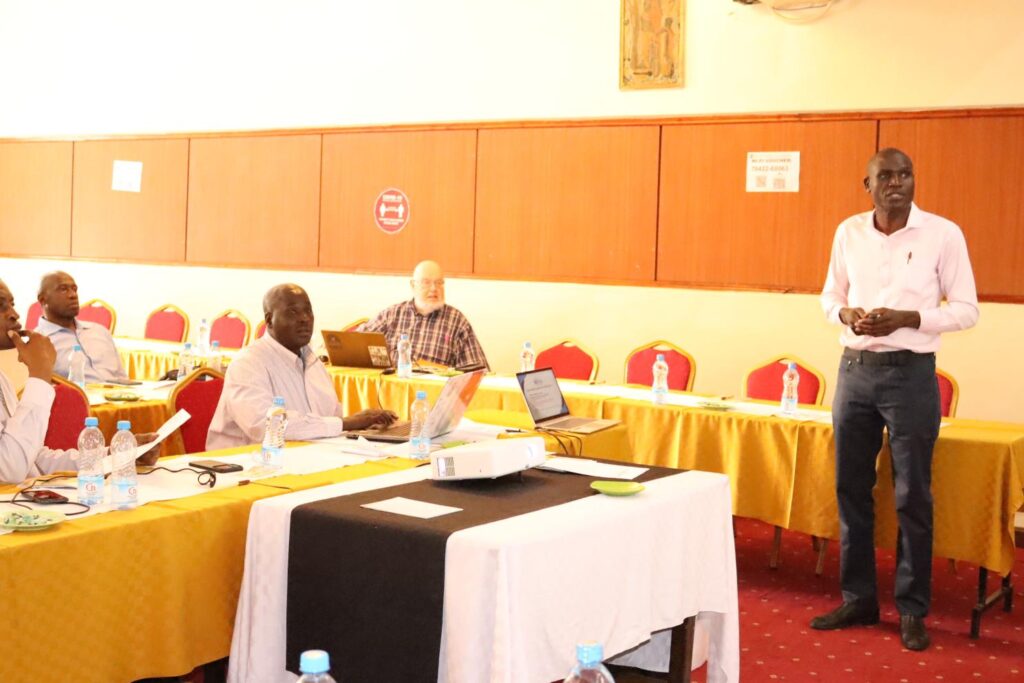
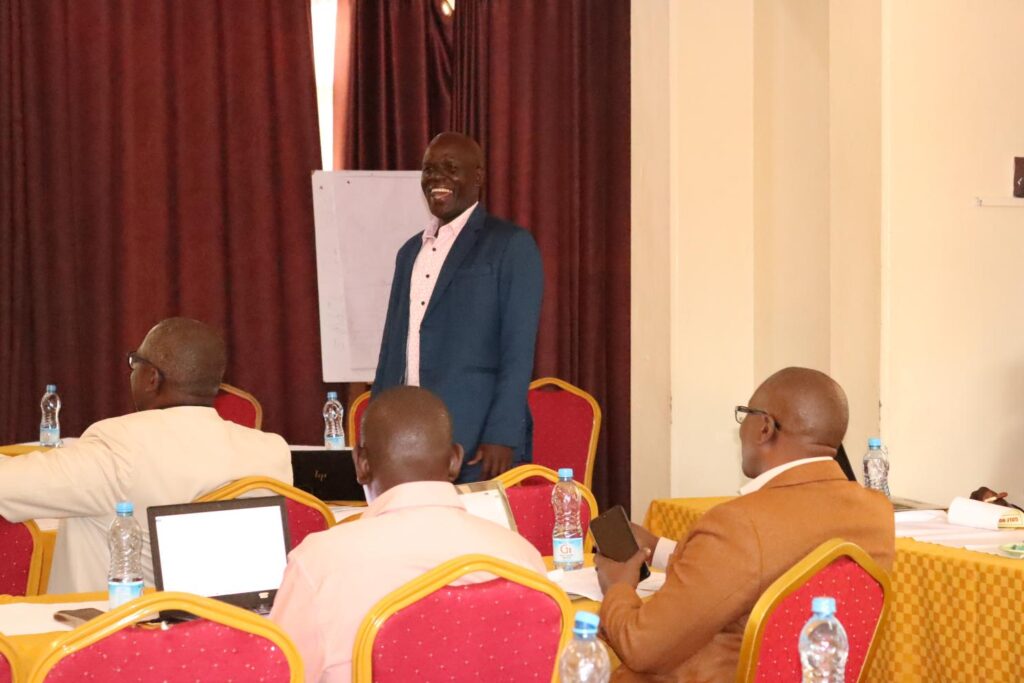
The Deputy Vice Chancellor (Academic and Student Affairs), Prof. Hussein Golicha, speaks at the KUC-MPTT stakeholders’ Workshop.
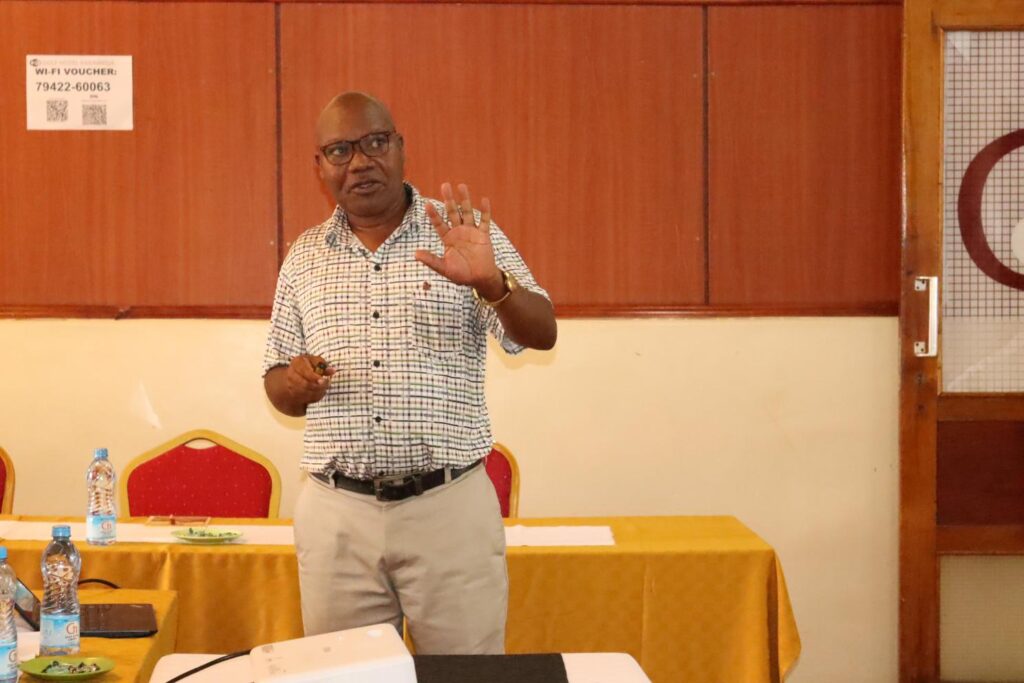
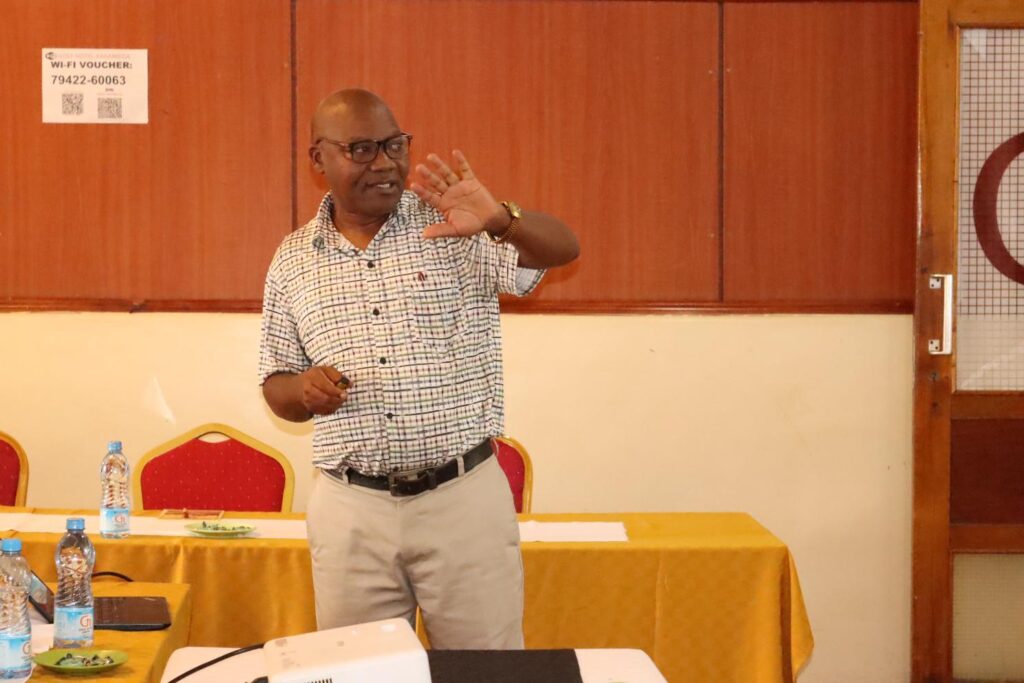
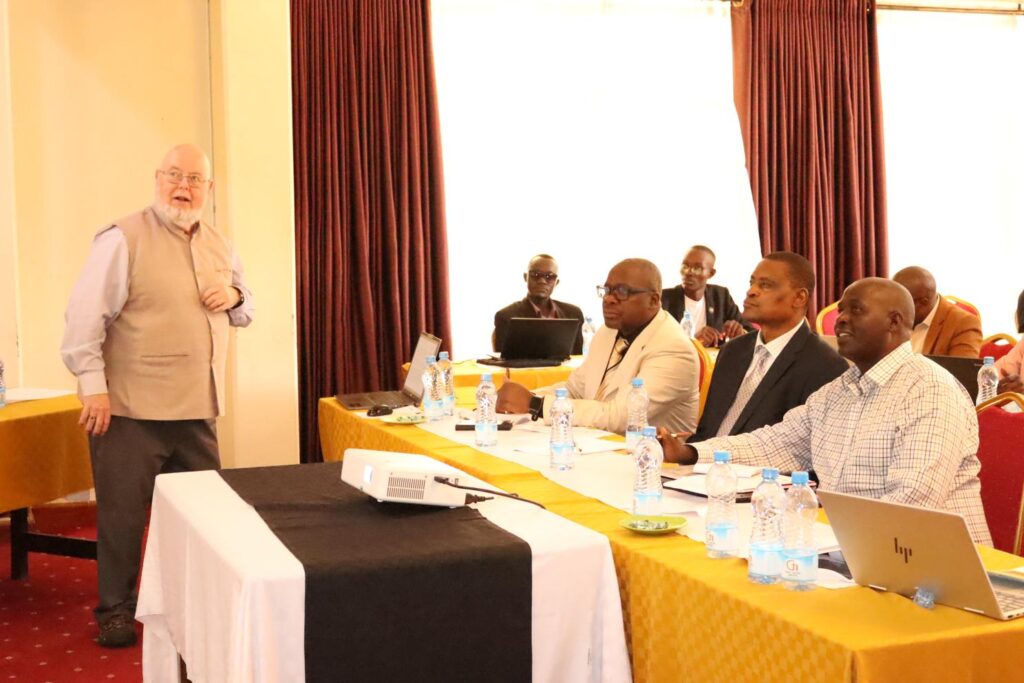
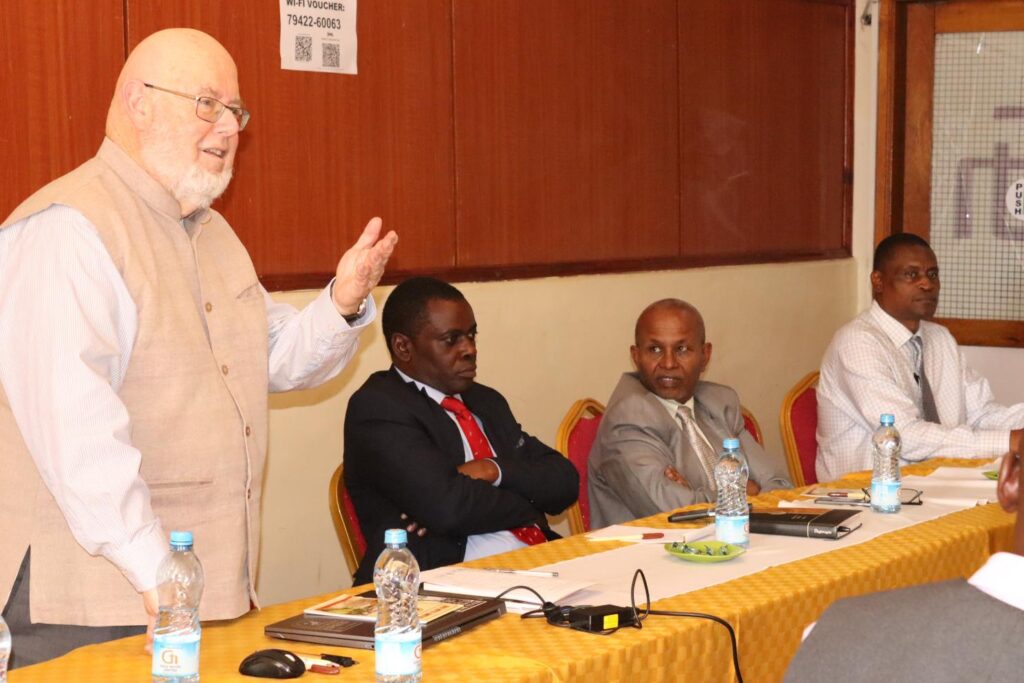
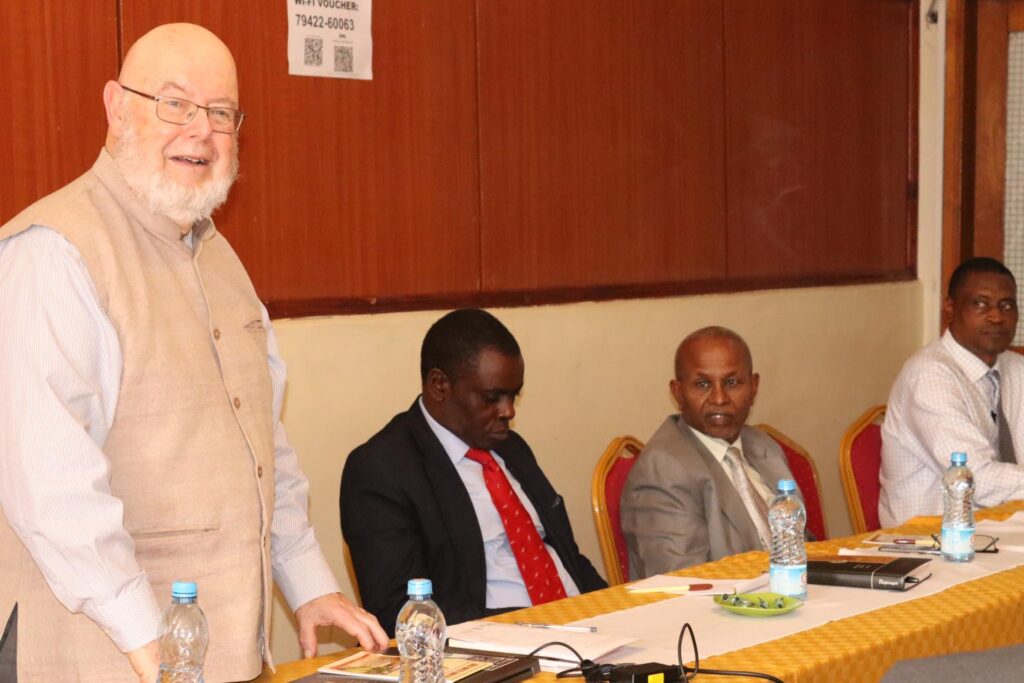
Recalling the start of his involvement with this project in 2020, the Professor Emeritus of Medical Physics at Queens University, Prof. Schreiner, noted that he was excited to see the programme come into fruition. He pointed out that the programme has a lot of promise for the future and that it will benefit students and patients in Kenya. “The demand for medical physicists is rising, particularly in oncology, radiation safety and diagnostic imaging. To meet this need, there is a need to train more professionals in this area,” stated Prof. Schreiner. Commenting on the national framework for MSc in Medical Physics training in Kenya, he added, “the consensus is clear, that Universities acting alone face the risk of resource burnout and persistent faculty shortages. Instead of a system where a few institutions succeed at the expense of others, or engage in constant talent poaching, the proposal to establish a coordinated national framework will ensure a sustainable growth for the profession.”
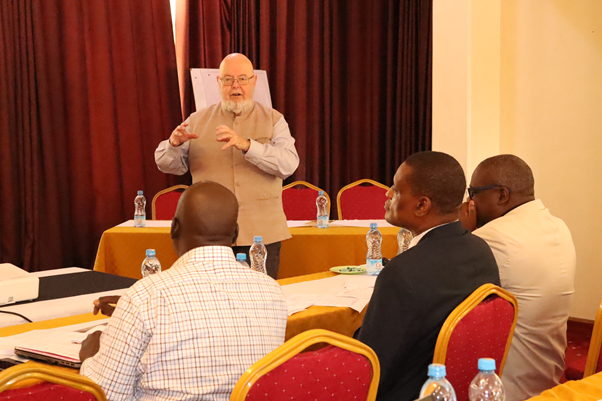
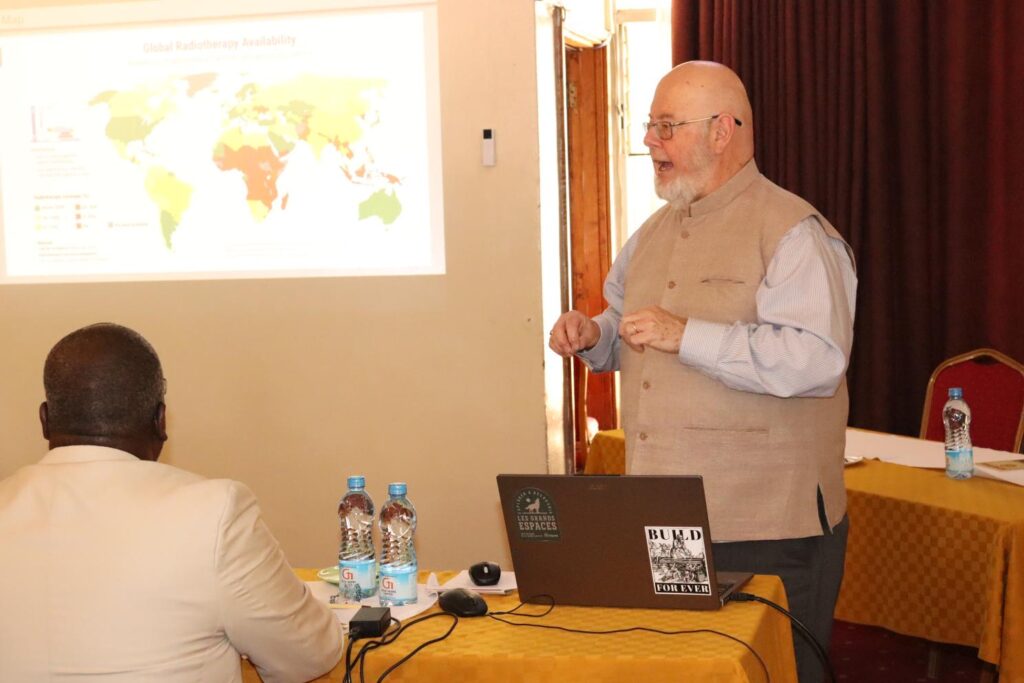
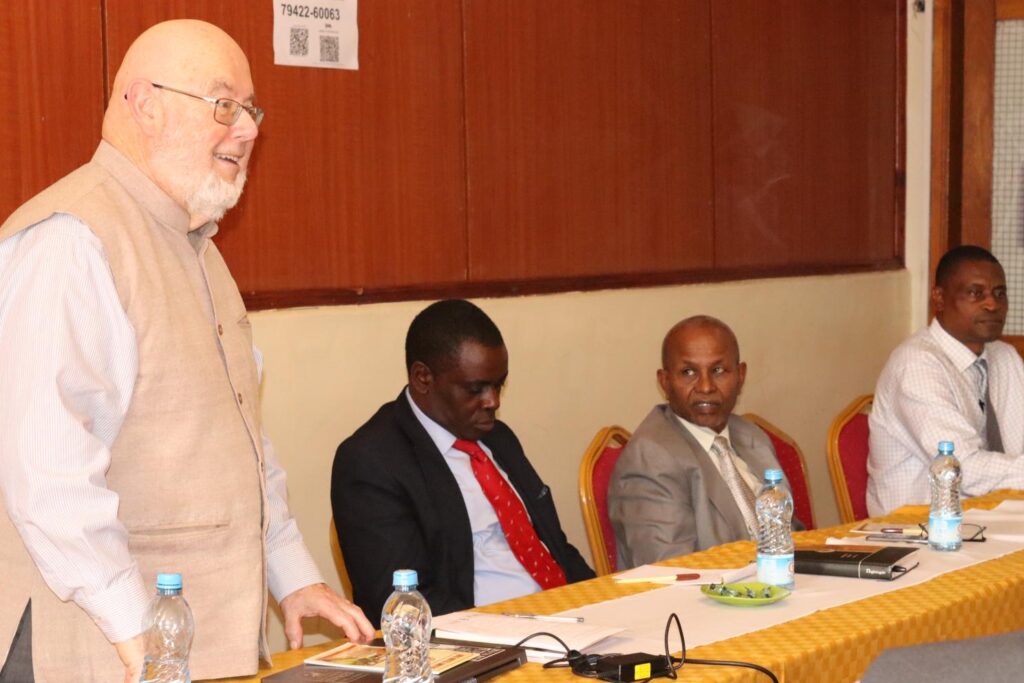
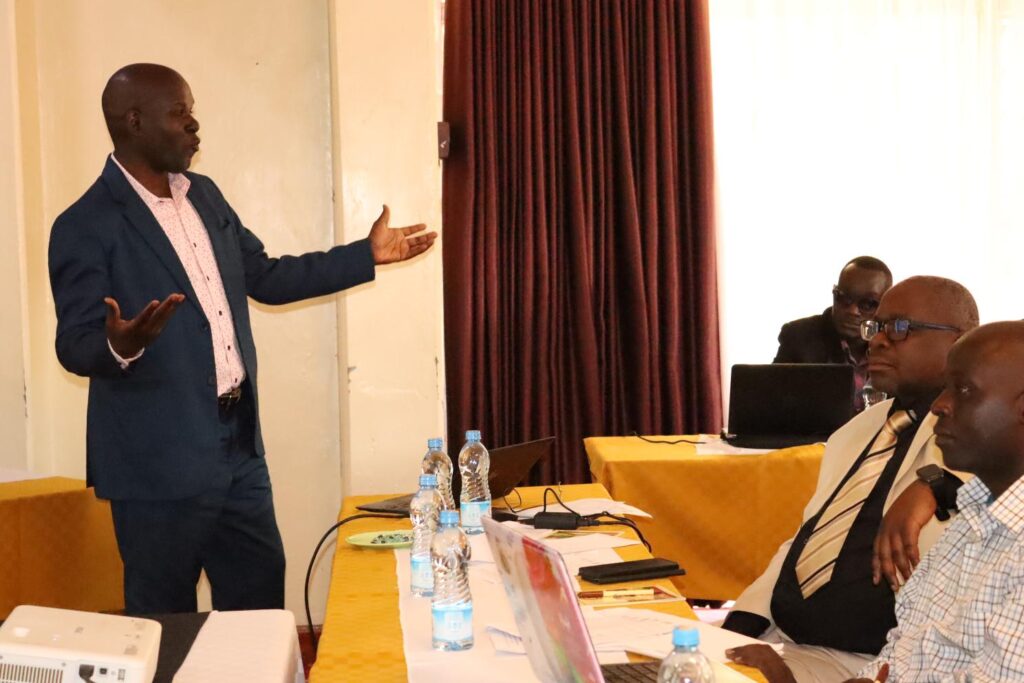
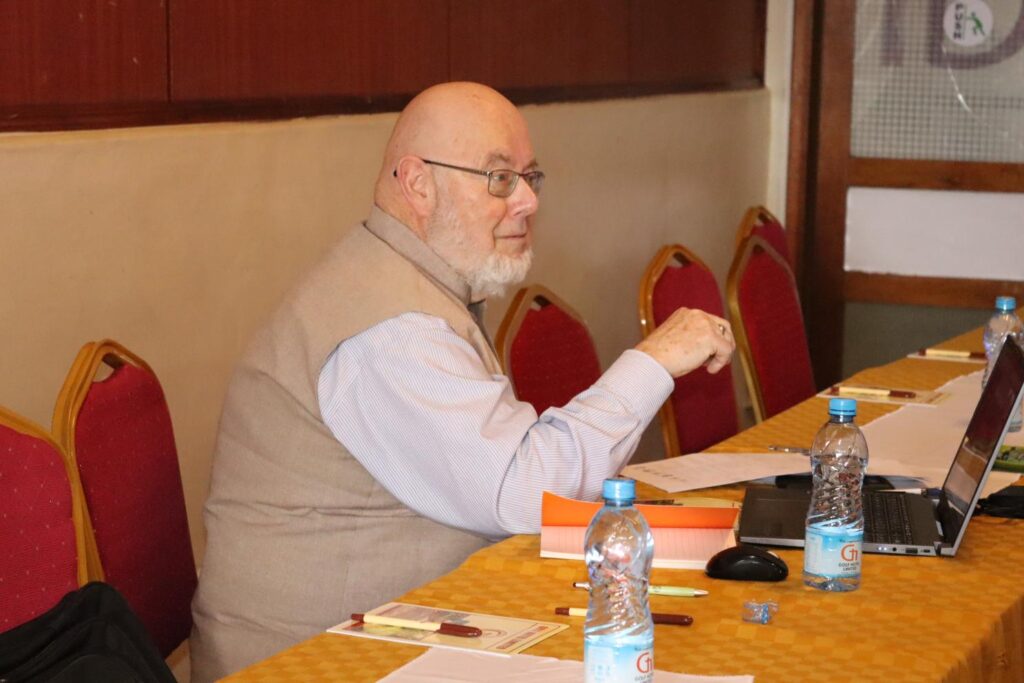
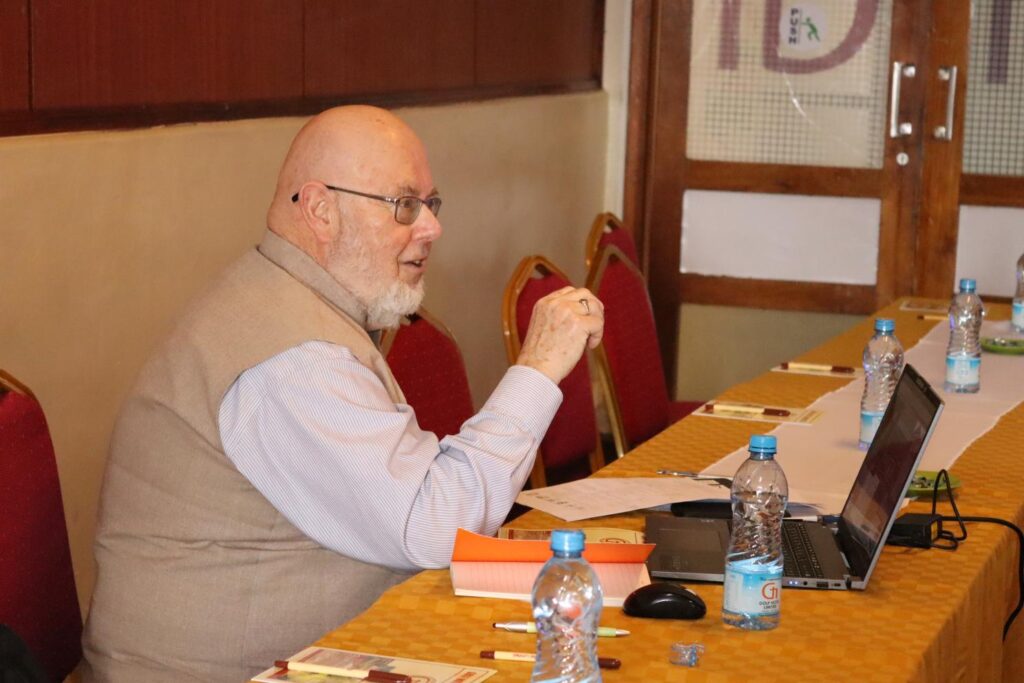
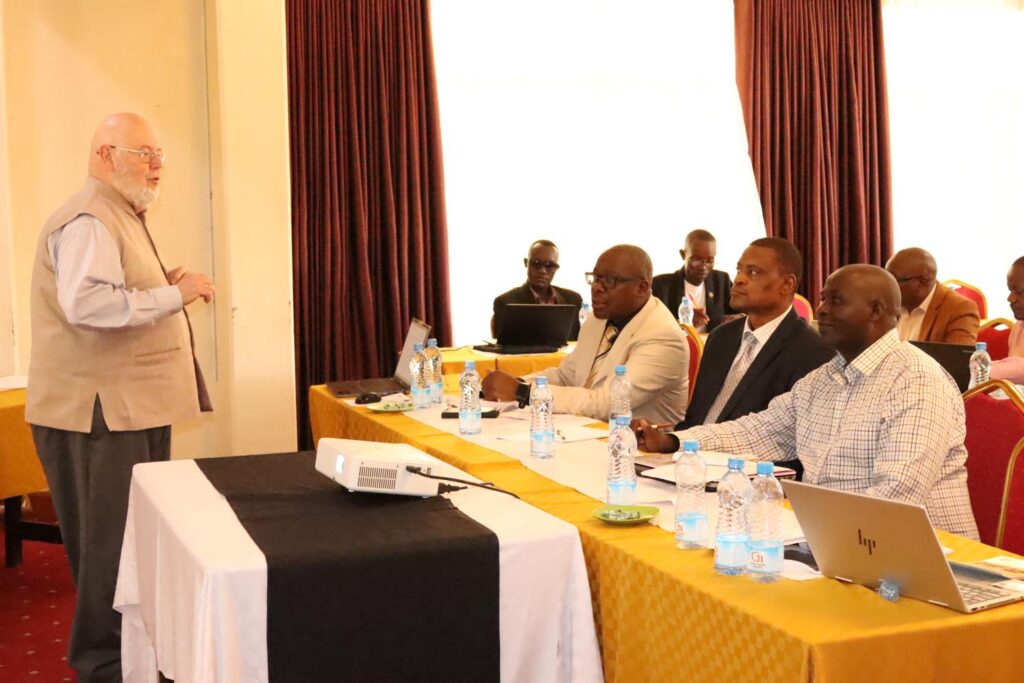
Prof. John Schreiner makes a presentation during the event.
The Dean School of Natural Sciences (SONAS), Dr. Joseph Owino, noted that the MSc in Medical Physics, once rolled out at MMUST, will be housed in the Department of Physics. He clarified that each participating University will maintain its own harmonized curriculum but there will be collective sharing of faculty and equipment. “We are excited about this programme and we hope that it will contribute towards addressing the major challenges we are facing in the health sector, especially in relation to early diagnosis and effective treatment of cancer,” remarked Dr. Owino.
In an interview with DCCM, the Chairperson-Department of Physics, Dr. Maxwell Mageto, who is also the interim Chair of the Consortium, revealed that MMUST is the lead coordinating University in this Association. “The Consortium involves 5 Universities, that is MMUST, Meru University of Science and Technology, Chuka University, Kabarak University and Pwani University. It is supported by Academics Without Borders, MPWB, and AMPKen. We are grateful to our partners for their support in helping us to harmonize our MSc Medical Physics curricula, to ensure that it meets the standards by the Commission for University Education and International Atomic Energy Agency guidelines,” stated Dr. Mageto. He added that the Jomo Kenyatta University of Agriculture and Technology has expressed interest to join the Consortium.
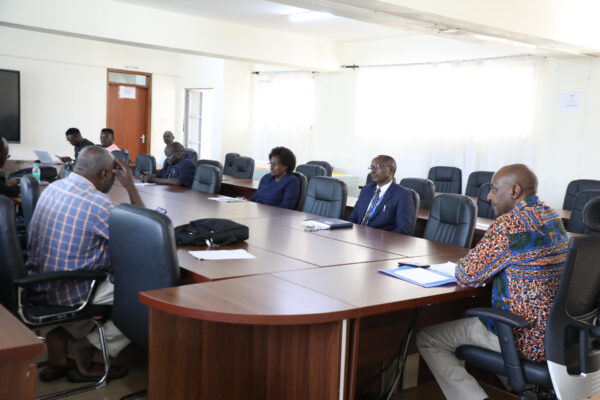
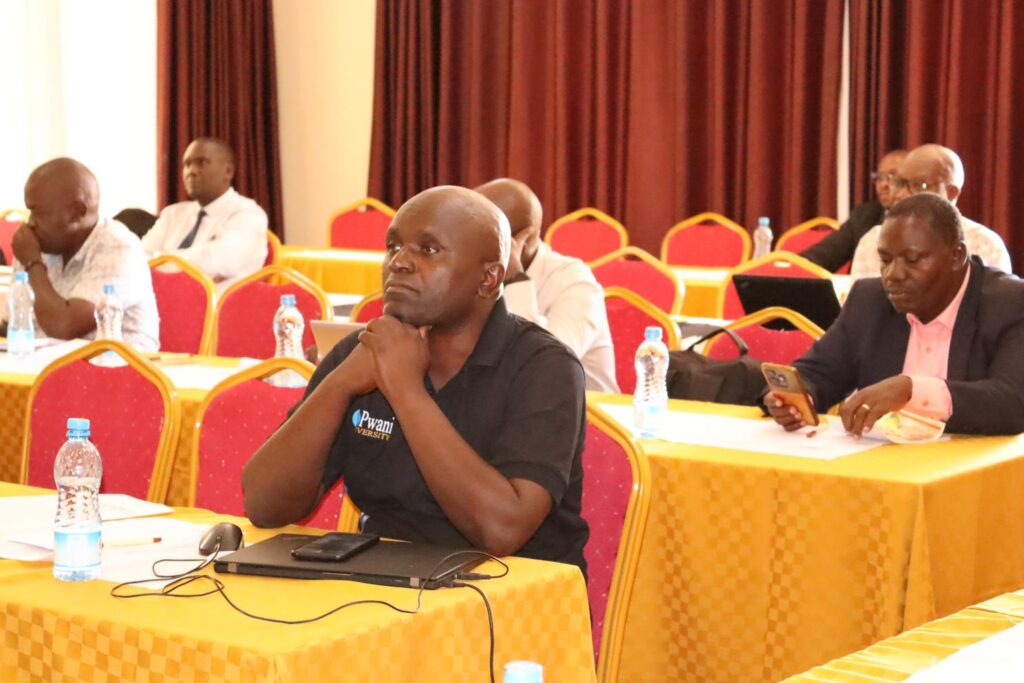
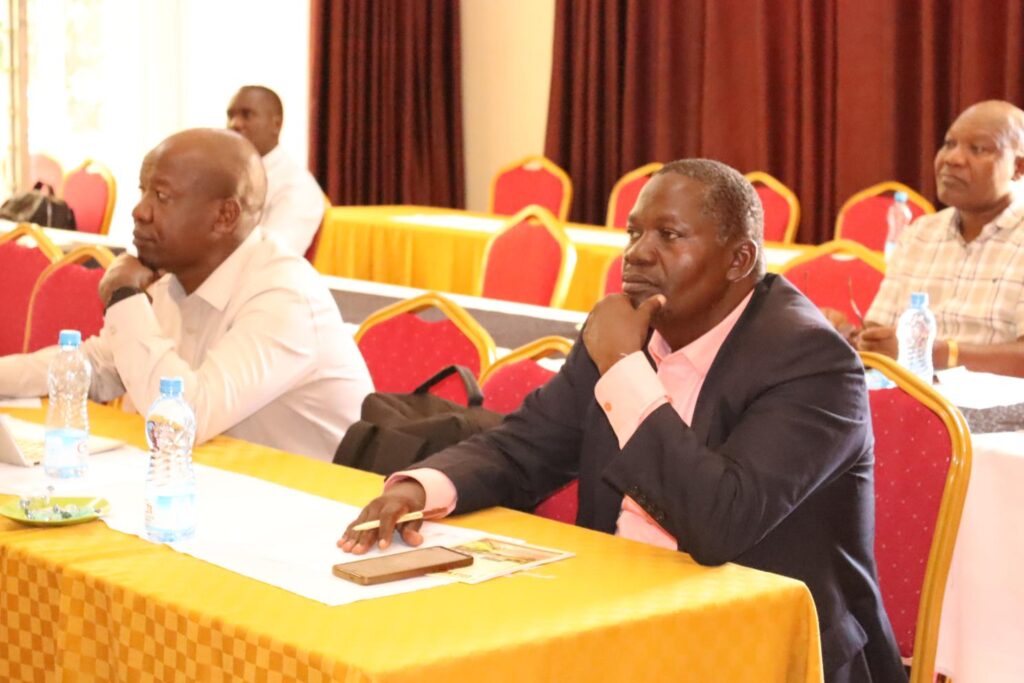
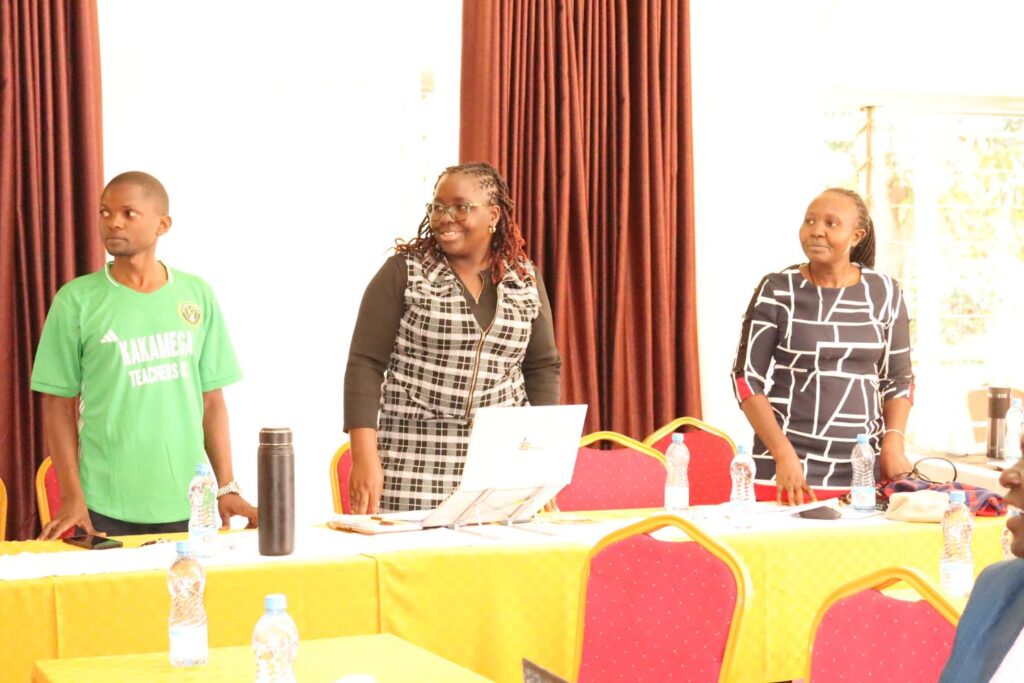
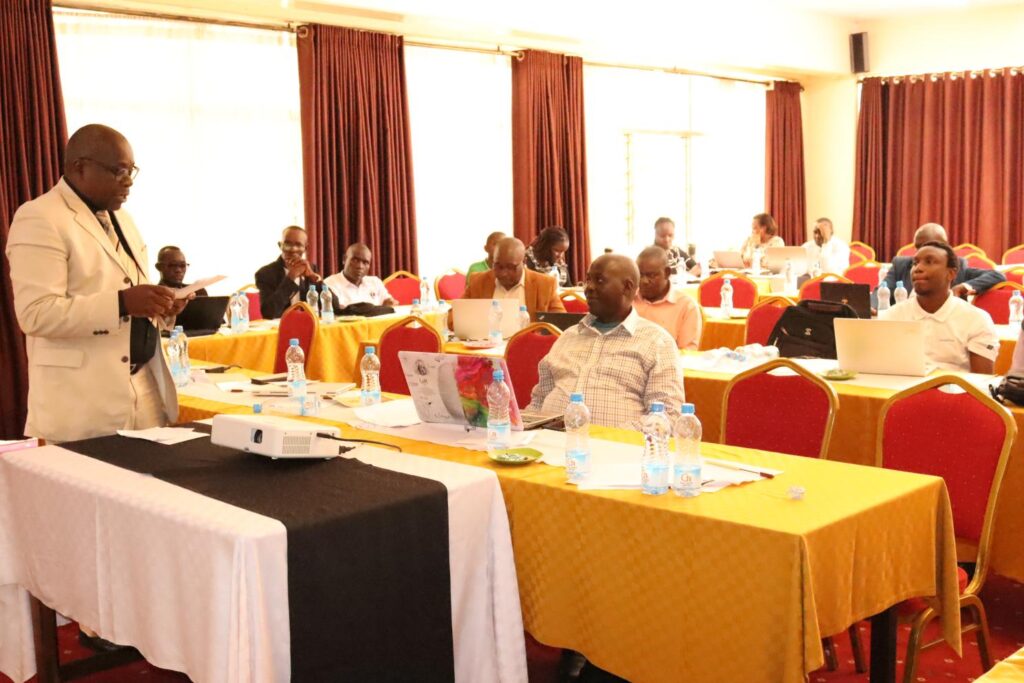
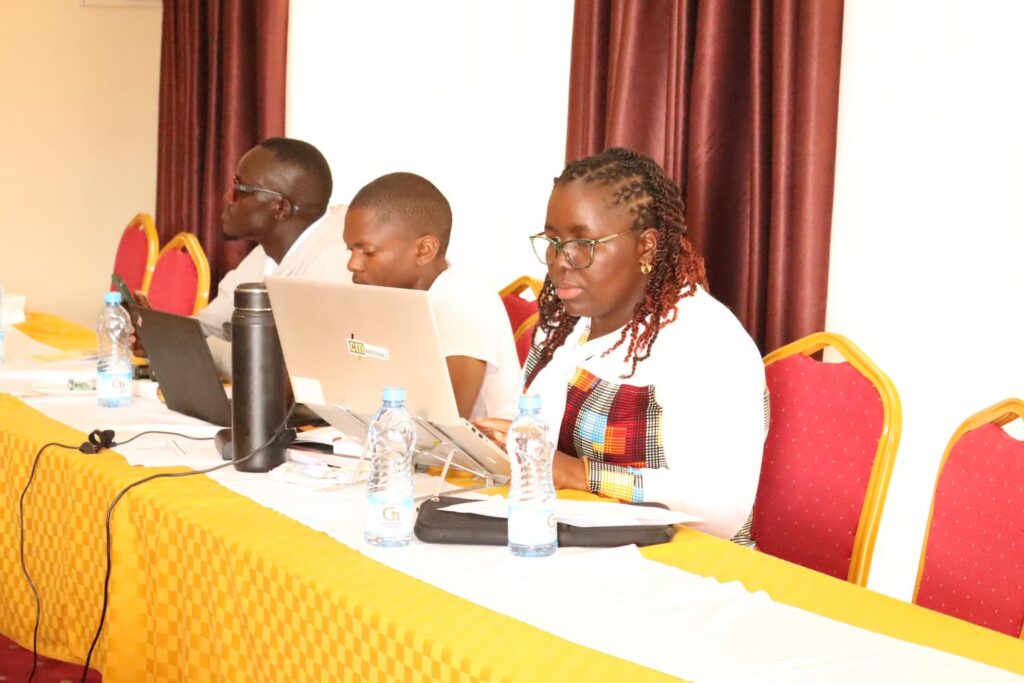
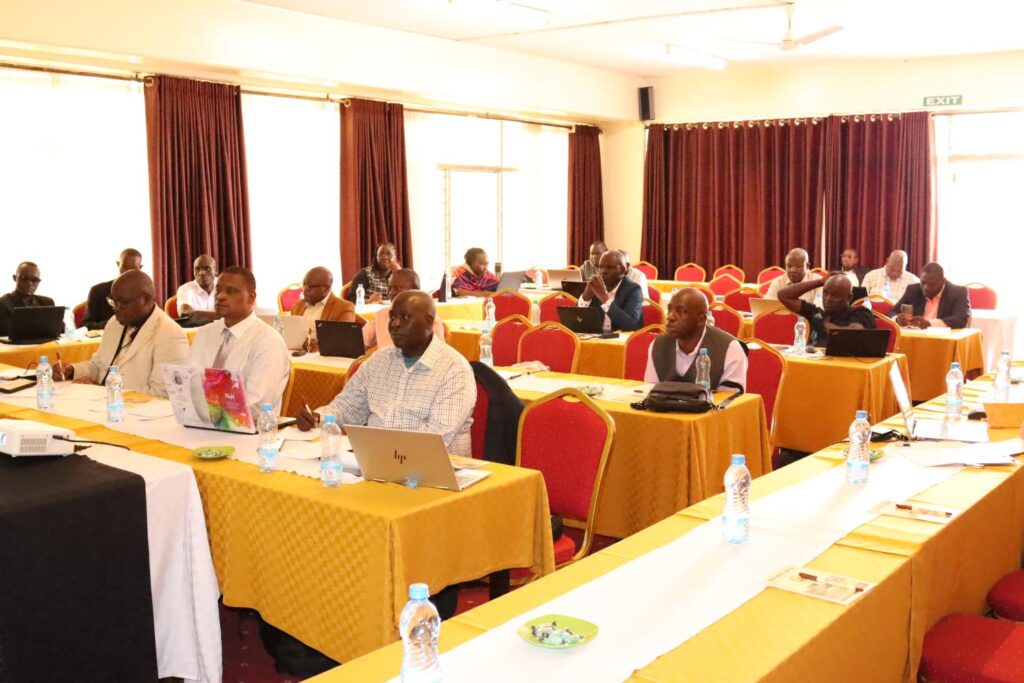
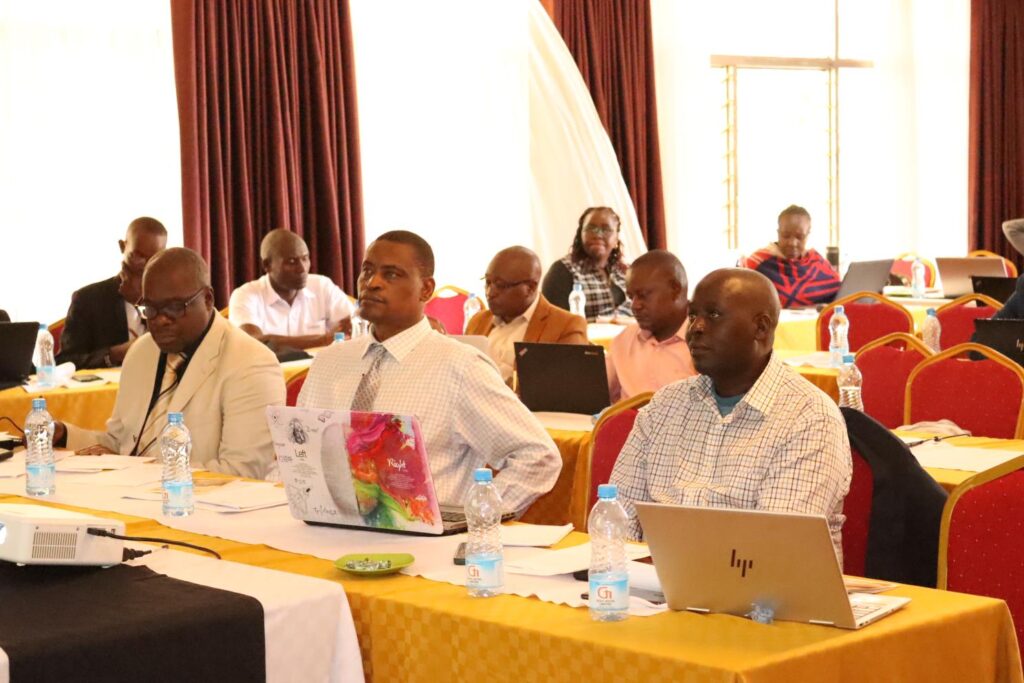
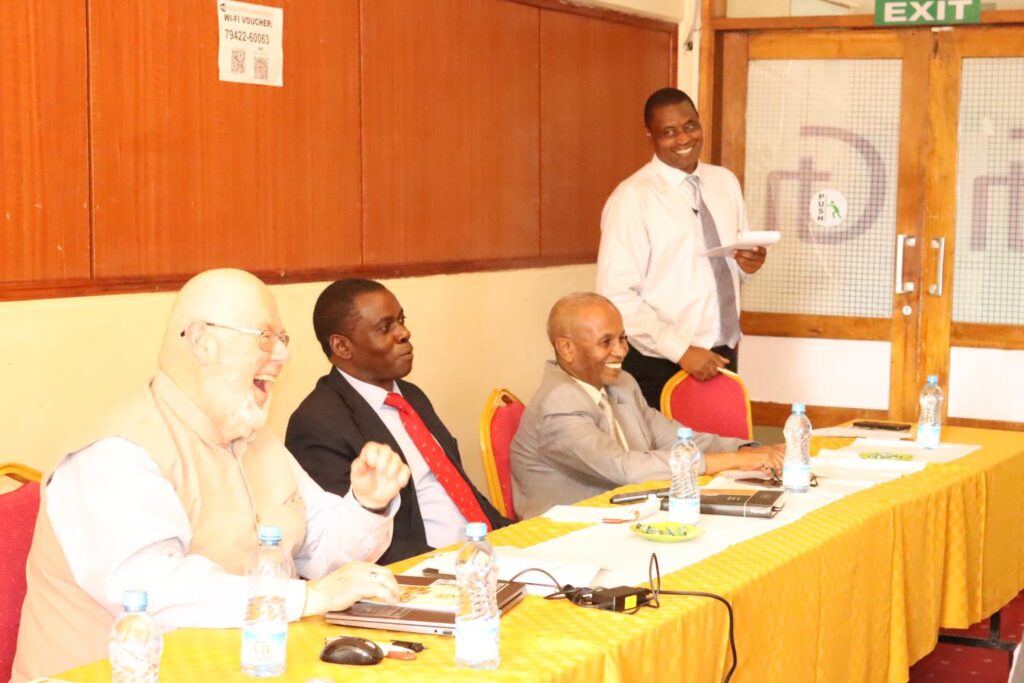
A section of the participants follows keenly.
Notably, the Coordinators of the Consortium comprise Prof. Christopher Maghanga (Kabarak University), Dr. Fanuel Keheze (Pwani University), Dr. Martin Mutie (Chuka University), Dr. Daniel Mateithia (Meru University of Science and Technology), Dr. Francis Gaitho (MMUST) and Dr. Henry Barasa (MMUST).
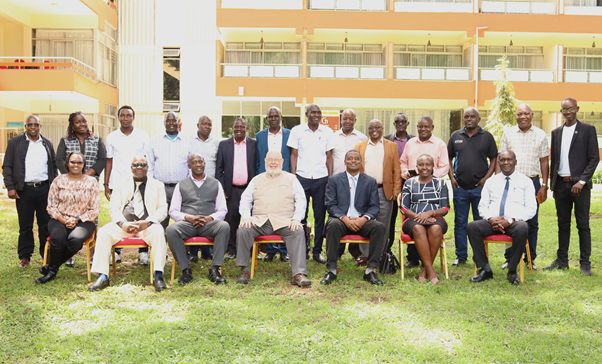
Other participants present during the Workshop were; Prof. Danstone Lilechi (MMUST), Prof. Christopher Maghanga (Kabarak University), Prof. Boniface Ndinya (MMUST), Prof. Pamela Chepkoech Kimeto, Dr. Francis Gaitho (MMUST), Dr. Phillip Nyawere, Dr. Henry Barasa (MMUST), Dr. Edwin Akumu (Kabarak University), Dr. Philip Amuyunzu (MMUST), Dr. Rahab Kamau (MMUST), Daniel Mateithia (Meru University of Science and Technology), Dr. Dismus Wamalwa (Meru University), Dr. Fanuel Keheze (Pwani University), Dr. Martin Mutie (Chuka University), Dr. Samson Omondi (JKUAT), Mr. Evans Ojwak (Medical Physicist-MTRH), Mr. Benjamin Mwangi (Medical Physicist-MTRH), Mr. Aggrey Aningu Wakhule (Chairperson-AMPKen), Mr. Munyau Mulwa, Mr. Daniel Warurii, Ms. Gloria Isendi, Mr. Odoyo Ambrose, Mr. Silas Abok, Mr. Wycliffe Isoe, Ms. Wilkister Barasa, Ms. Georgina Nasimiyu, and Ms. Joy Faith Musanga.
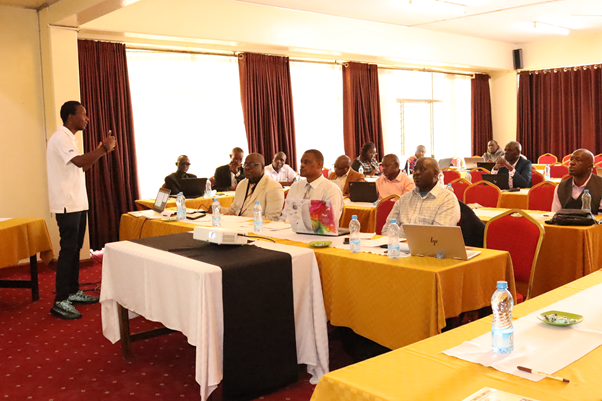
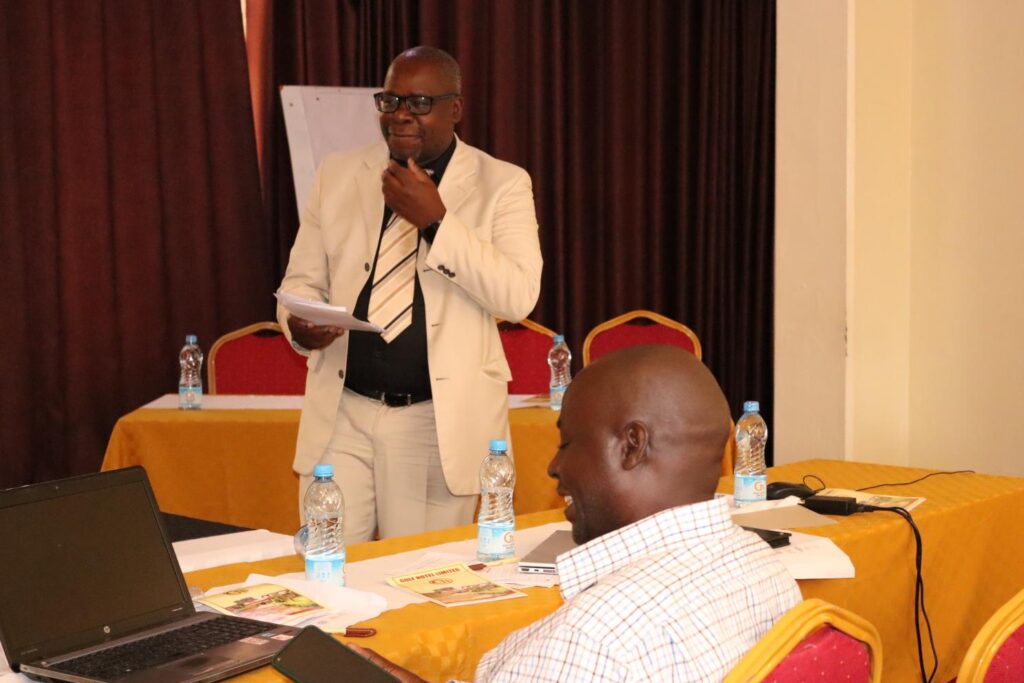
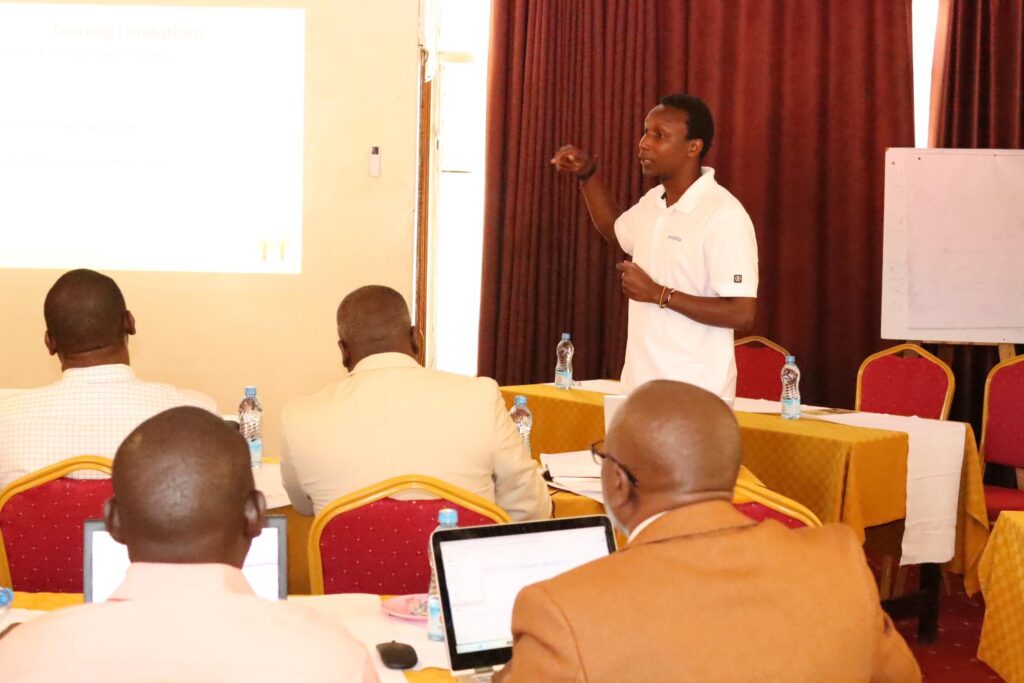
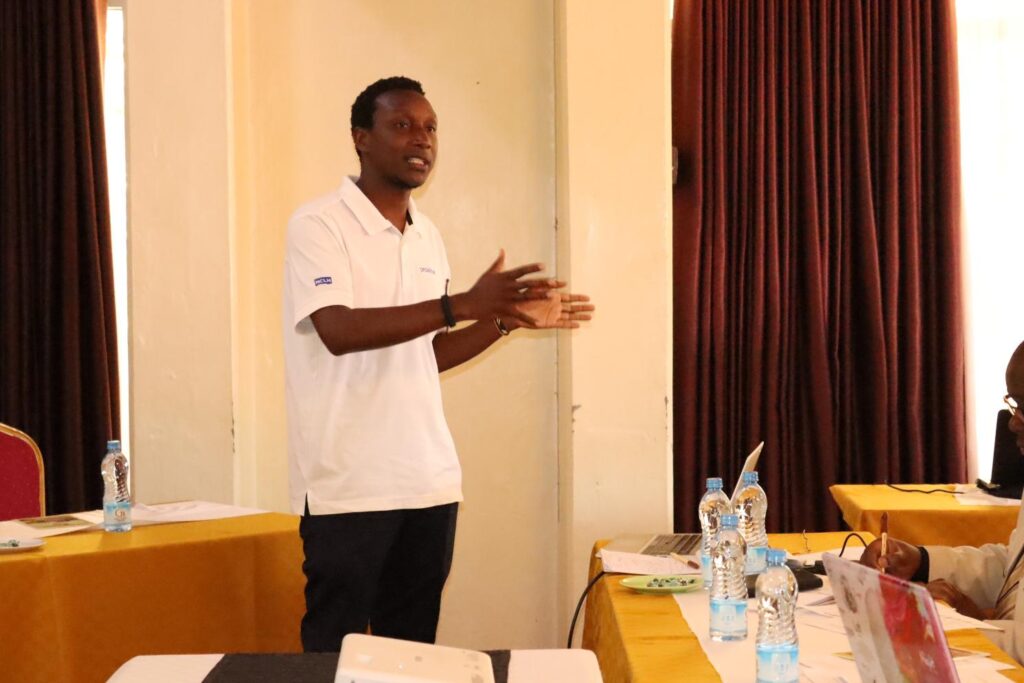
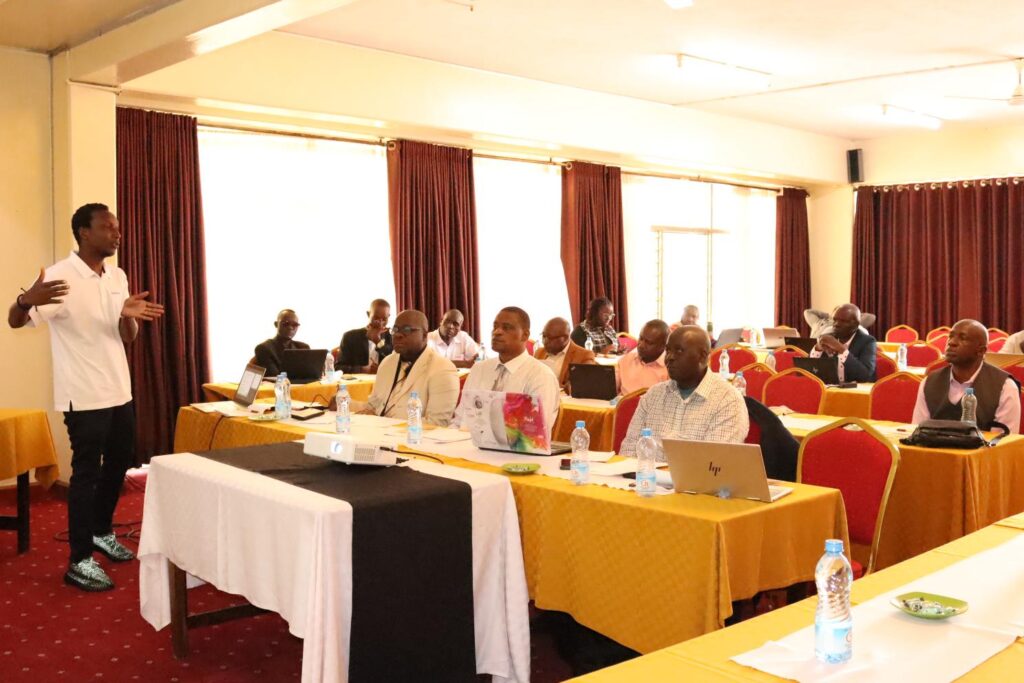
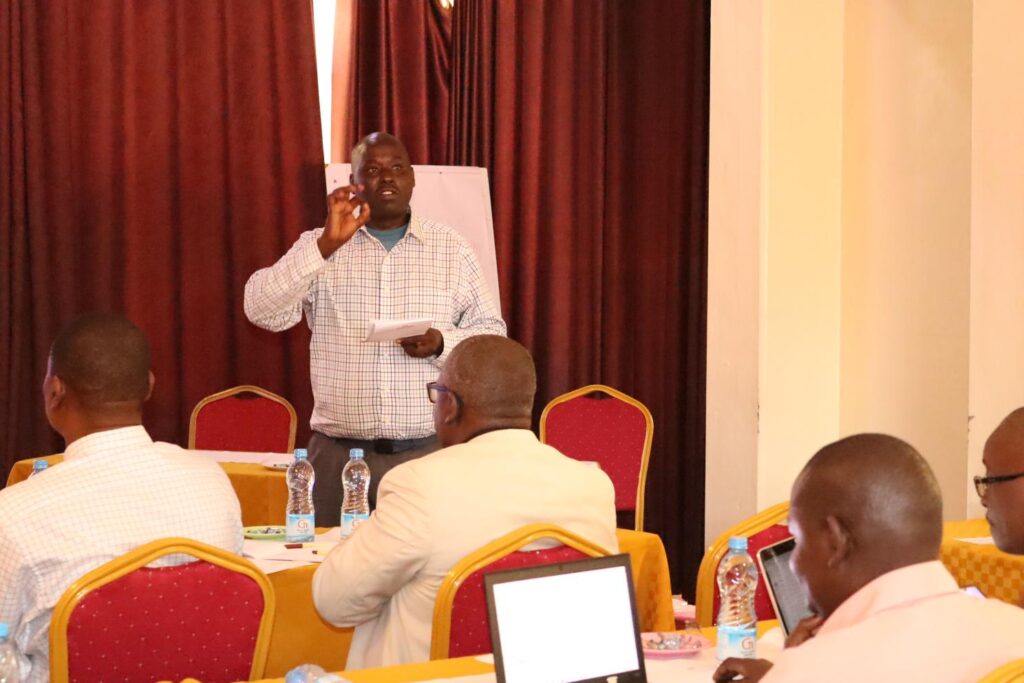
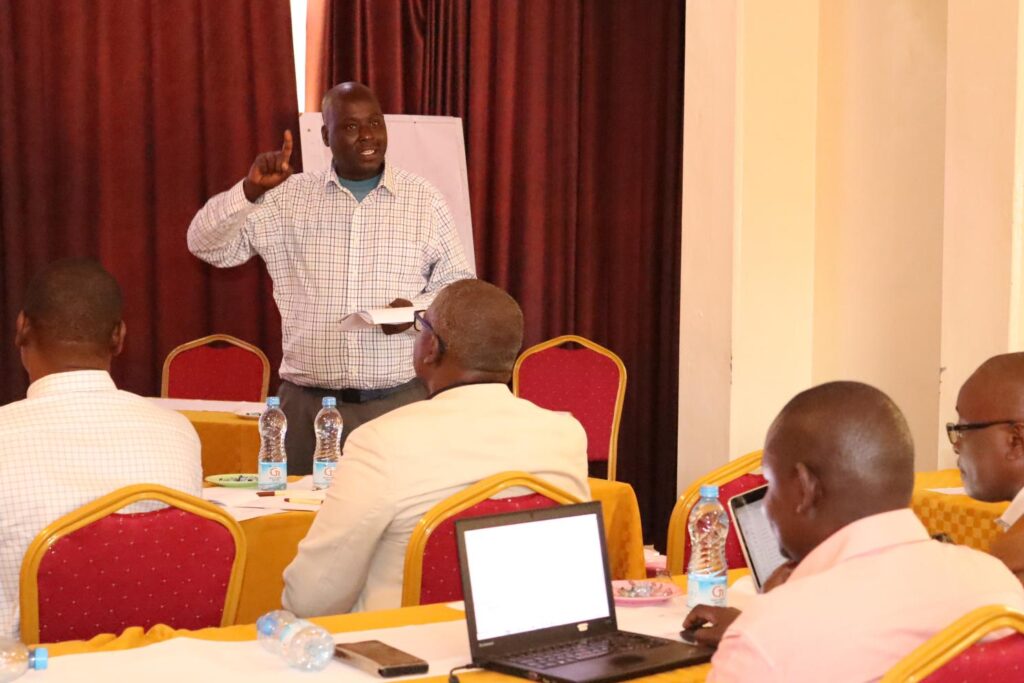
Mr. Benjamin Mwangi, a Medical Physicist at MTRH, makes a presentation.
Medical physics is the essential foundation of radiation therapy and without the expertise of a medical physicist, the treatment simply cannot function. While their work often happens behind the scenes, their role is critical to safety and precision. They are responsible for ensuring all treatment machines are accurately calibrated and that the complex computer calculations for every patient plan are rigorously tested according to clinical protocols. Certainly, the Consortium’s move to establish a coordinated national framework for the Master of Science in Medical Physics, will bridge the current gap in specialized human resources and equipment. This unified approach will ensure that as Kenya expands its cancer care infrastructure, every facility is staffed by experts trained to the highest international standards, ultimately safeguarding patient lives through technical excellence and uniform educational rigor.
By Caren Nekesa and Wangari Wambugu
Photos by Wangari Wambugu