MMUST Rolls Out Intensive Curriculum Design Training for Faculty to Enhance Learner-Centered, Outcome-Based and Industry-Responsive Education
Masinde Muliro University of Science and Technology has launched a series of intensive curriculum design training Workshops for all faculty. Organized by the Directorate of Curriculum Review and Development (CReD), the initiative kicked off with the School of Natural Sciences (SONAS), and the School of Agriculture, Veterinary Sciences and Technology (SAVET). The SONAS and SAVET training, which took place from 21st to 22nd May, 2026 at the Sunset Hotel-Kisumu, aimed to equip faculty with the knowledge, skills and attitudes required to design, review and implement learner-centered, outcome-based and industry-responsive curricula.
At the Sunset Hotel, the Vice Chancellor-Prof. Solomon Shibairo, praised participants’ commitment and high-level engagement throughout the two-day Workshop. “The discussions held here are timely and strategic for the future of the University and higher education in general. As institutions of higher learning, we must rethink, realign and modernize our academic programmes to ensure that they are relevant, flexible and responsive to the needs of the industry,” stated Prof. Shibairo. He further noted that the Workshop focused on compliance with new CBET requirements, repositioning MMUST to produce graduates who are practical, entrepreneurial, technologically adaptive and globally competitive.
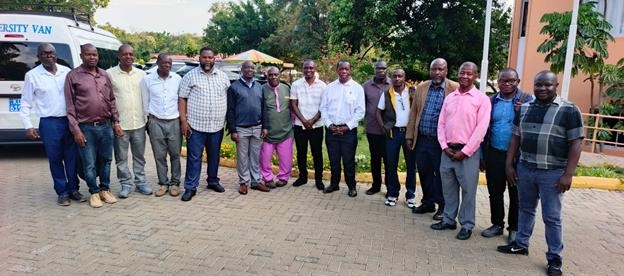
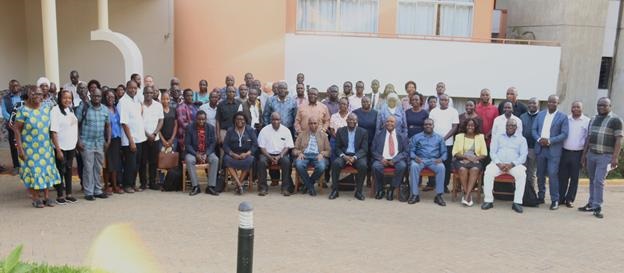
The Vice Chancellor-Prof. Solomon Shibairo (7th from right) with a section of participants at the Sunset Hotel-Kisumu.
“As the Division of Administration and Finance, we remain committed to supporting the necessary institutional frameworks and resources necessary to operationalize Competency-Based Education and Training reforms. The University has launched this initiative, and will conduct quarterly training Workshops to ensure full implementation within the next four quarters,” said the Deputy Vice Chancellor (Administration and Finance), Prof. John Kuria Thuo.
Thanking the University Management for supporting this initiative, the Deputy Vice Chancellor (Academic and Student Affairs), Prof. Hussein Golicha, expressed optimism for the Workshops’ success. “I am happy to see such a large group of scholars seated together for two days, seriously learning. After this Workshop, each faculty member will know exactly what is expected of them,” Prof. Golicha noted, emphasizing that School programme leaders will play a critical role in aligning, preparing and guiding faculty through the CBET transition.
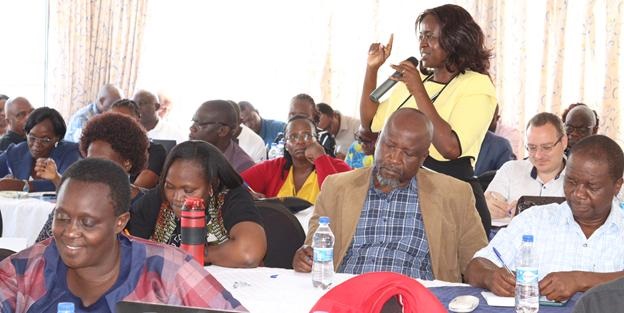
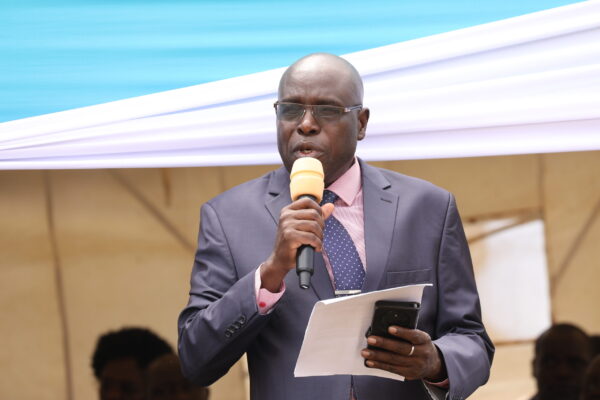
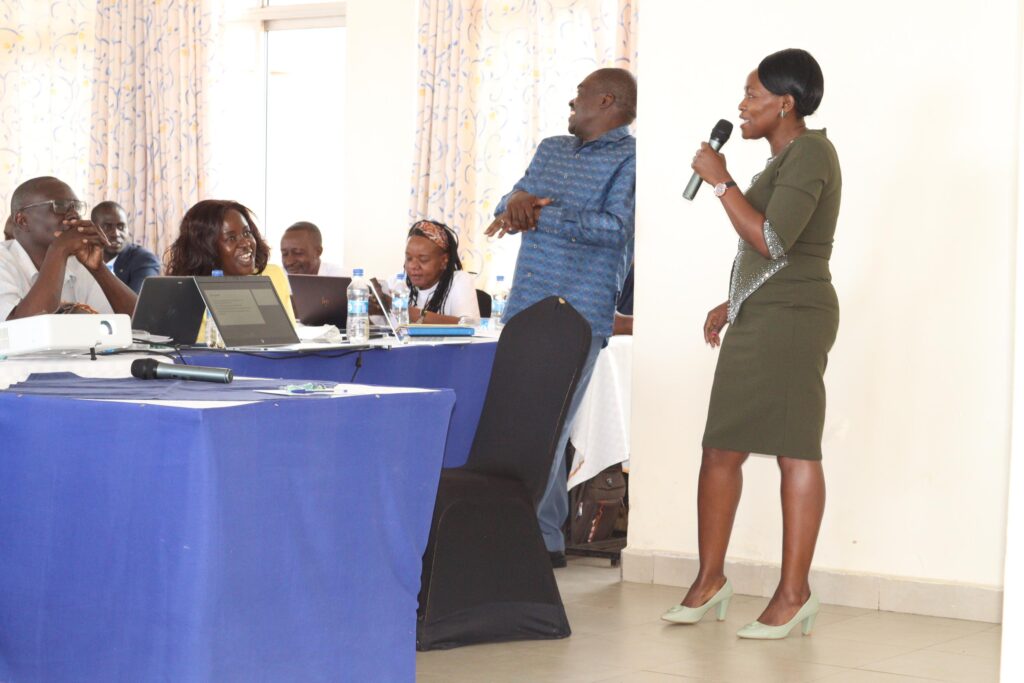
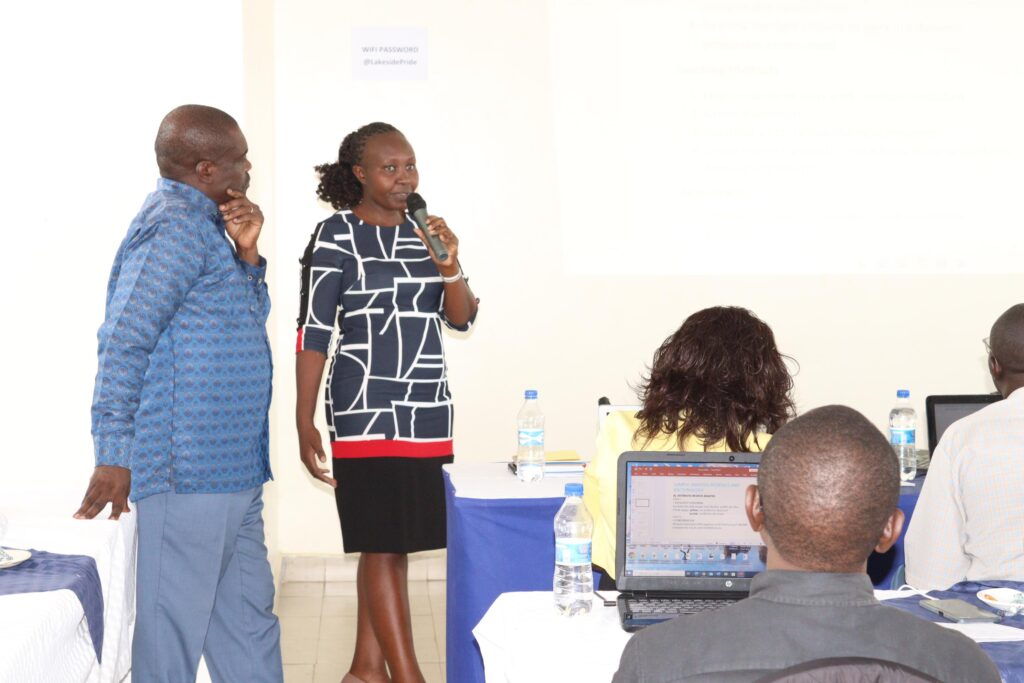
The Director-CReD, Dr. Teresa Okoth, speaks at the Workshop.
“This training is an ongoing initiative that marks only the beginning of a continuous journey,” pointed out the Director-CReD, Dr. Teresa Okoth. Looking ahead, she outlined the critical next steps for the project, which include refining all course outlines to ensure alignment across learning outcomes, content, learning experiences, assessments and resources, alongside the active implementation of learner-centered strategies. In addition, Dr. Okoth highlighted the strategic development of course matrices to systematically identify curricular overlaps, merges or redundancies. She explained, “we will do this while anticipating the Commission for University Education framework. If that framework sets University education to three years, then we will have the knowledge of exactly what courses we are offering in all academic years, and how to effectively scope and sequence them.”
The SONAS and SAVET Workshop was facilitated by Mr. Patrick Andika, who is in charge of consultancy and resource mobilization at the Kenya Institute of Curriculum Development (KICD).“KICD is collaborating with Universities to align their curricula with Competency-Based Education and Training.Research has revealed a significant gap between the skills that Universities should teach and what they actually deliver. Learners must be exposed to experiences that encourage real-world competencies,” stated Mr. Andika. He added that the shift to CBET requires rewriting curricula to ensure learning outcomes and activities are inherently competency-based, noting that lecturers must transition into facilitators, empowering learners to drive practical activities that align with industry expectations.
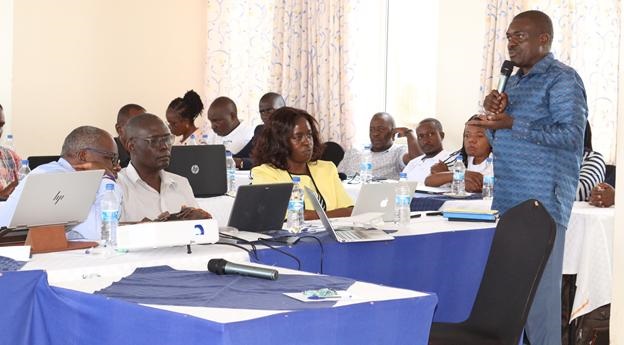
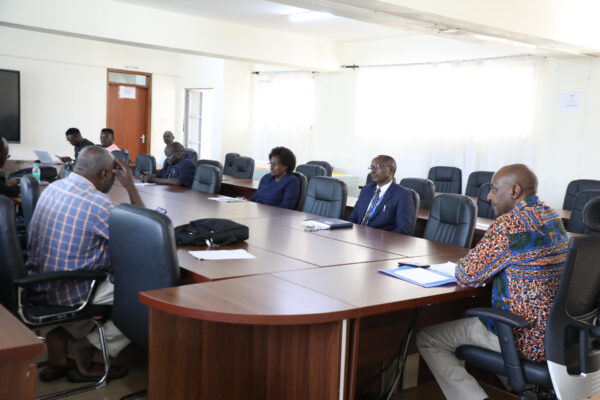
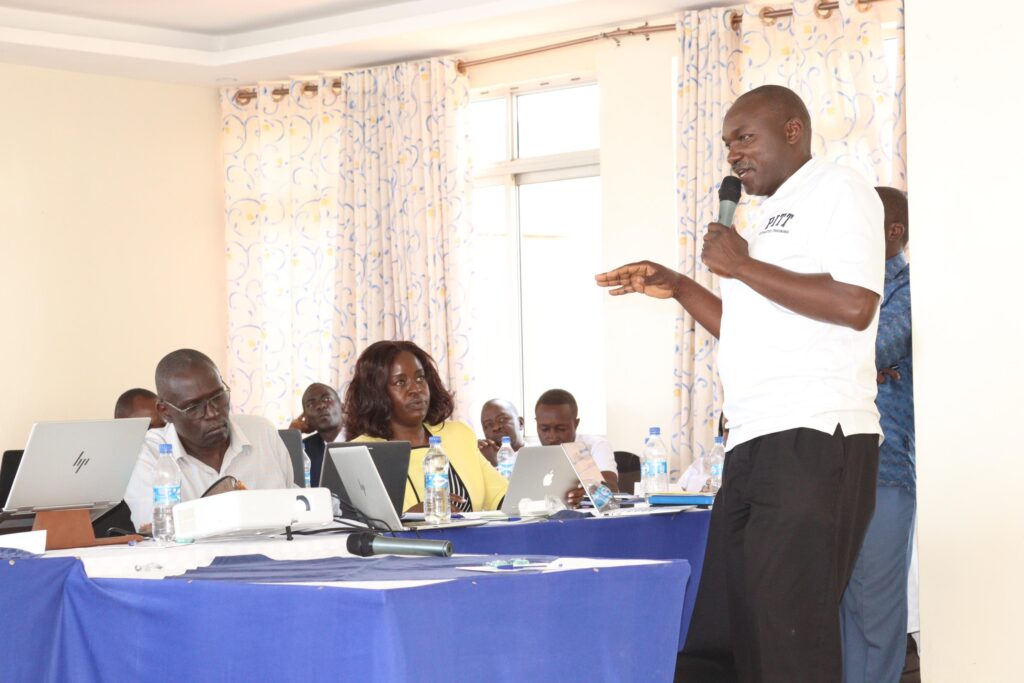
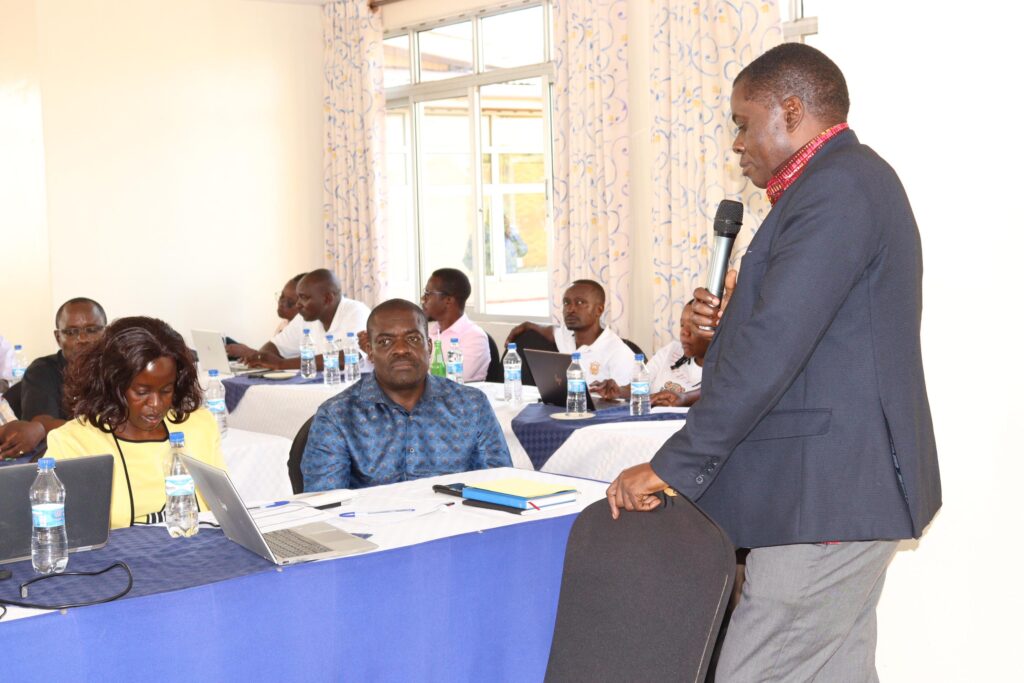
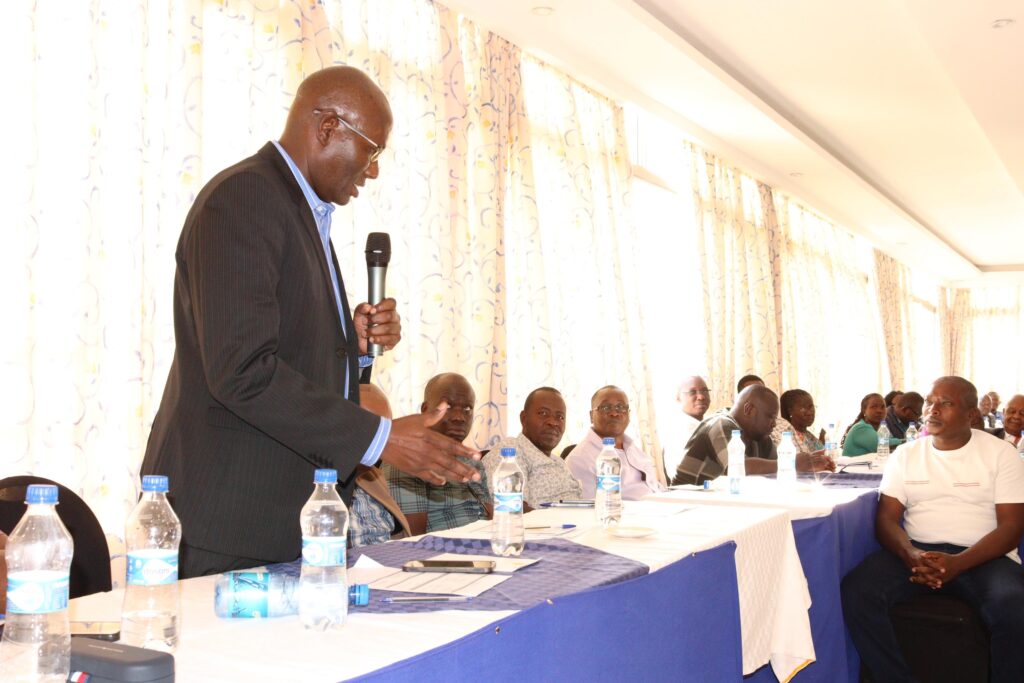
KICD’s Mr. Patrick Andika facilitates a session.
Mr. Andika took the participants through a session on ‘mindset reengineering’, demystifying the core tenets of CBET. He stressed that CBET represents a fundamental shift in pedagogy and approach. Key areas of focus included identifying the specific competencies Universities should cultivate, aligning curriculum to orient learners towards practical skills and desired attitudes, as well as reforming assessment methods to match this new paradigm. He also guided them through the existing learning outcomes in their course outlines, focusing on how to transition them into a competency-based framework.
He highlighted the critical importance of curriculum alignment, saying that if learning outcomes are competency-based, then both teaching strategies and assessments must mirror that same approach. To reinforce this, Mr. Andika challenged the faculty with a key takeaway, “Universities must appreciate that if they want to measure competencies, then they must assess competencies. Do not keep assessing knowledge yet you want the learners to develop competencies.” Equipped with these insights, the faculty members presented their own course outlines, actively critiquing them to identify specific gaps and areas for future improvement.
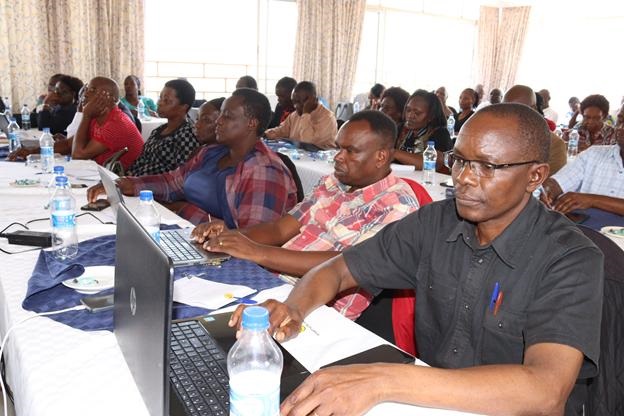
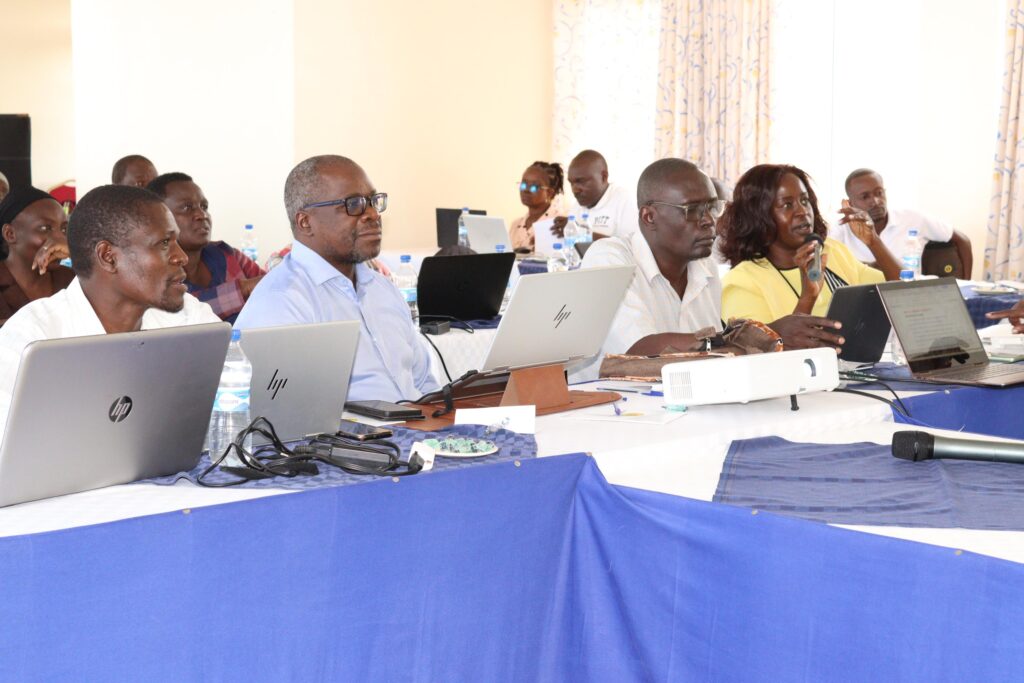
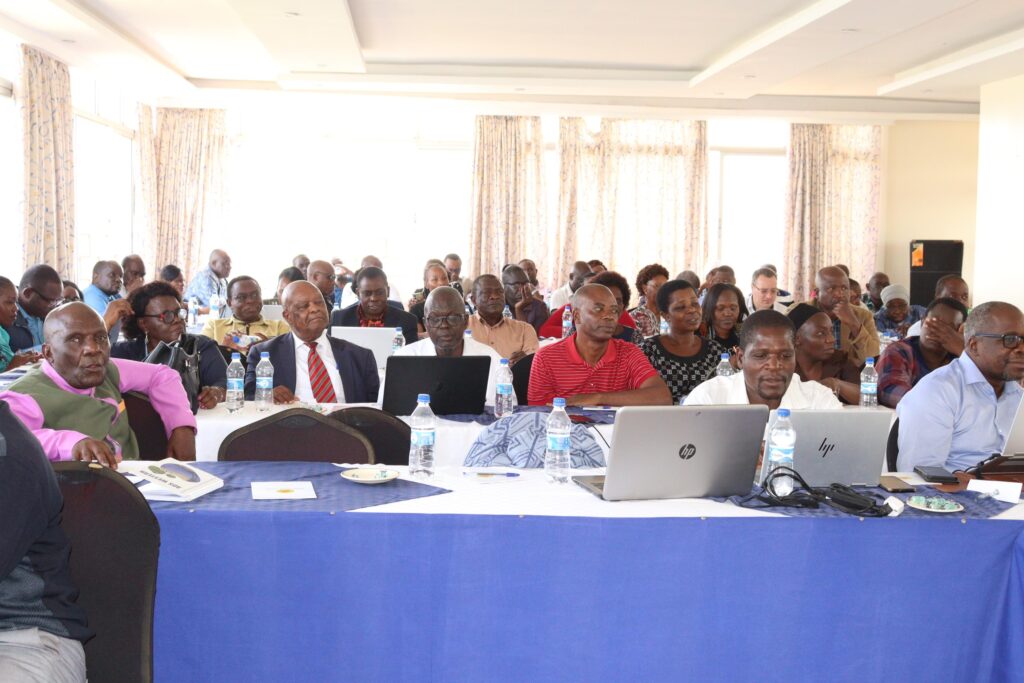
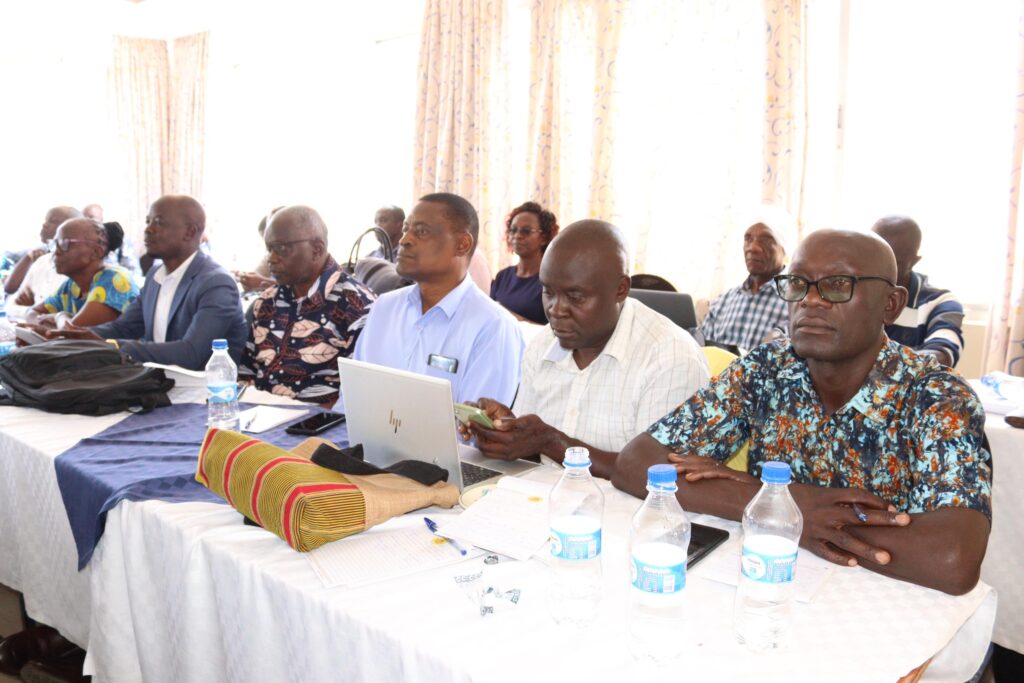
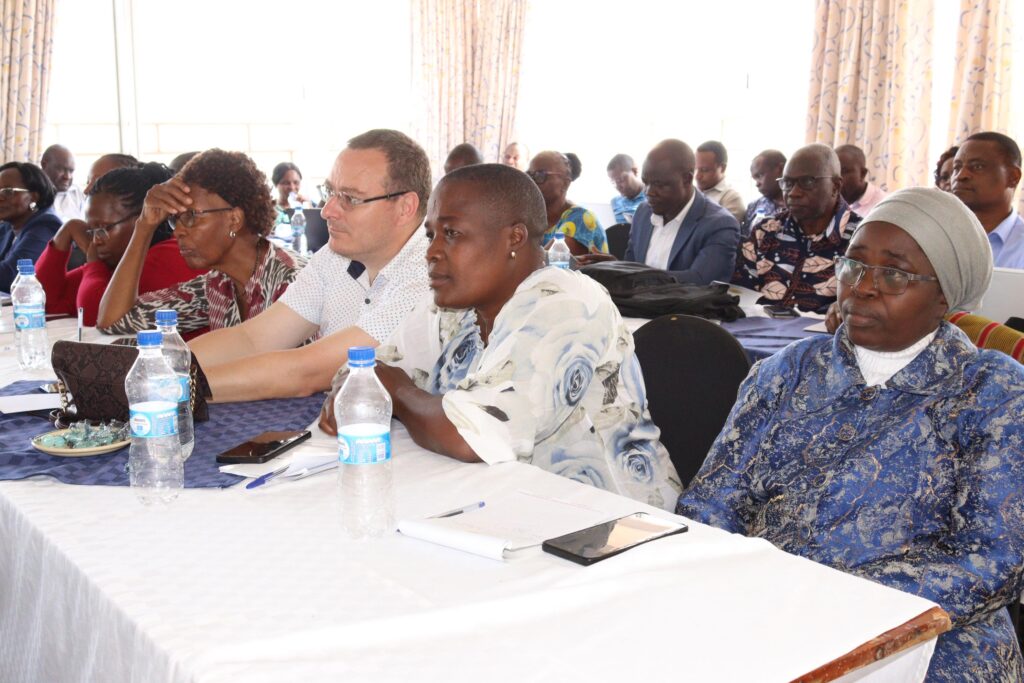
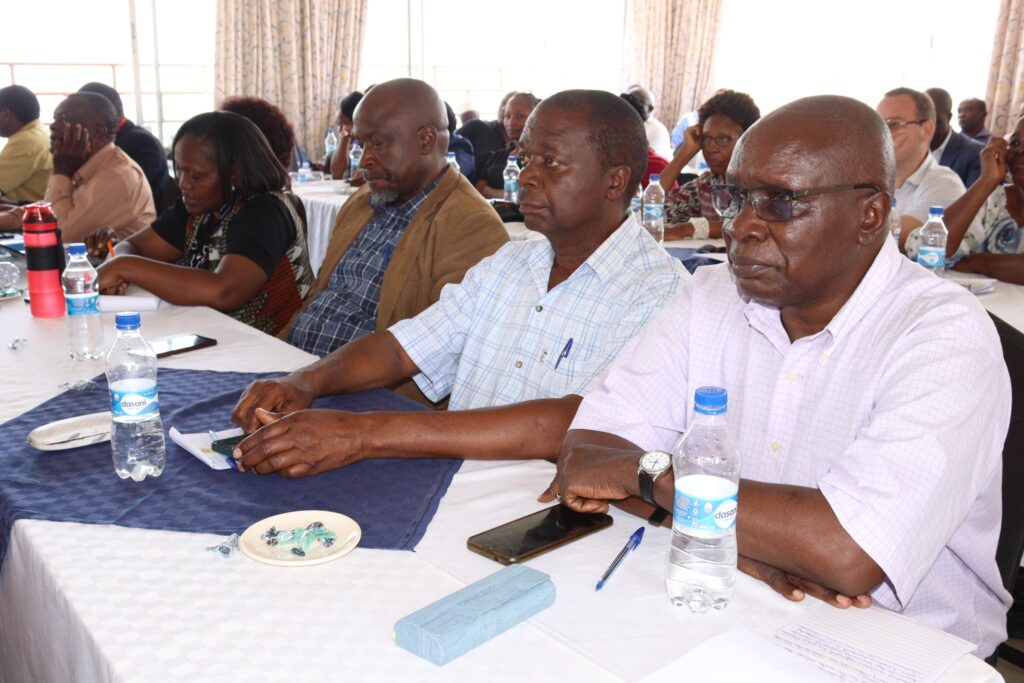
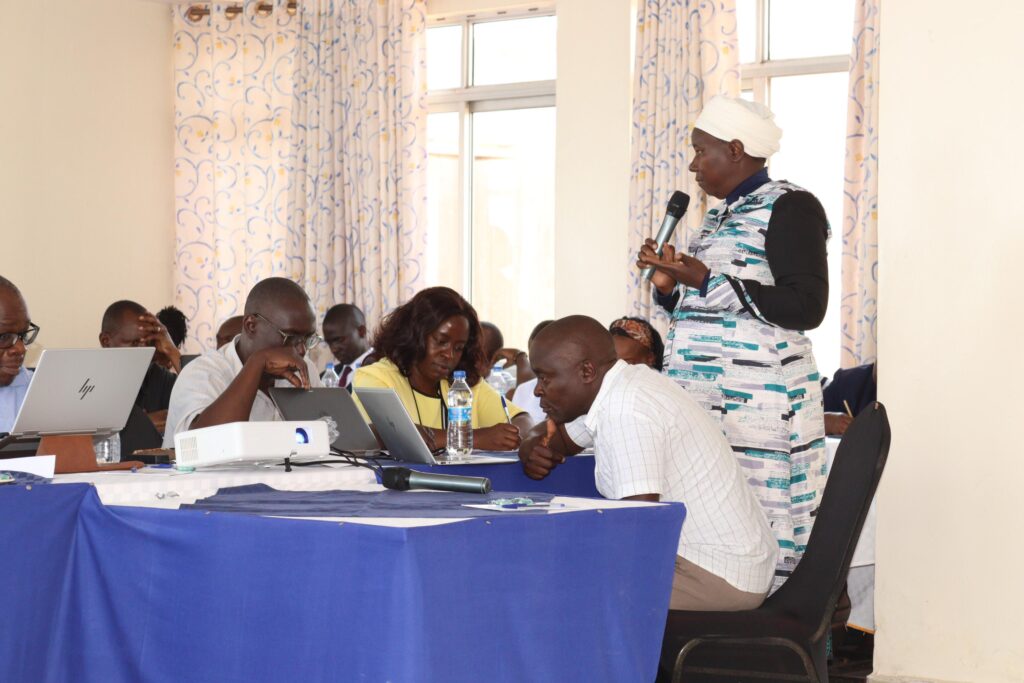
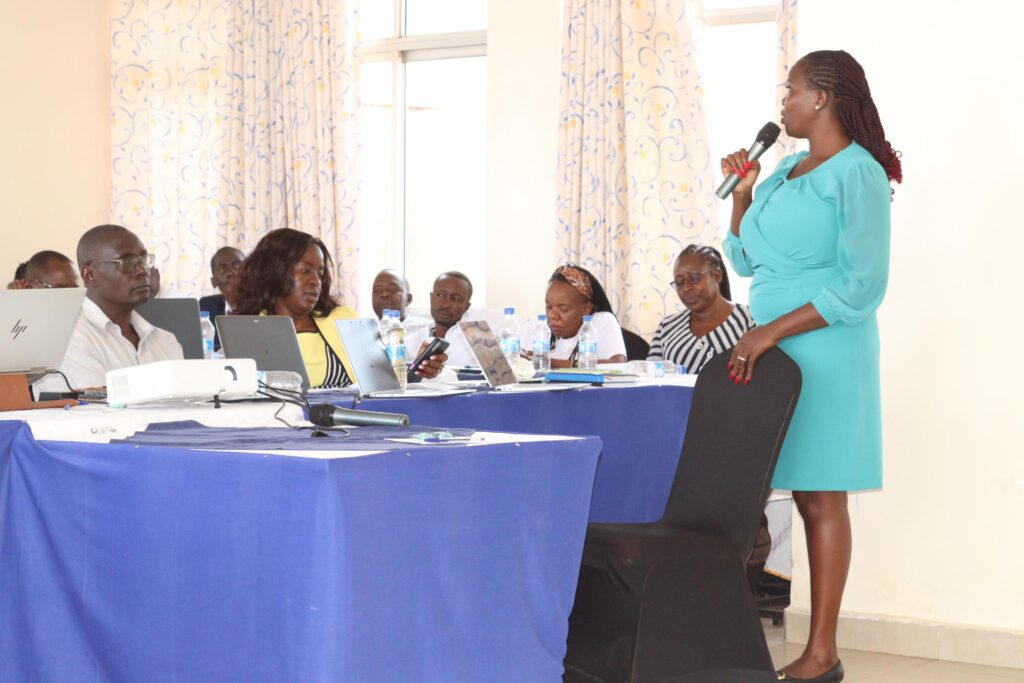
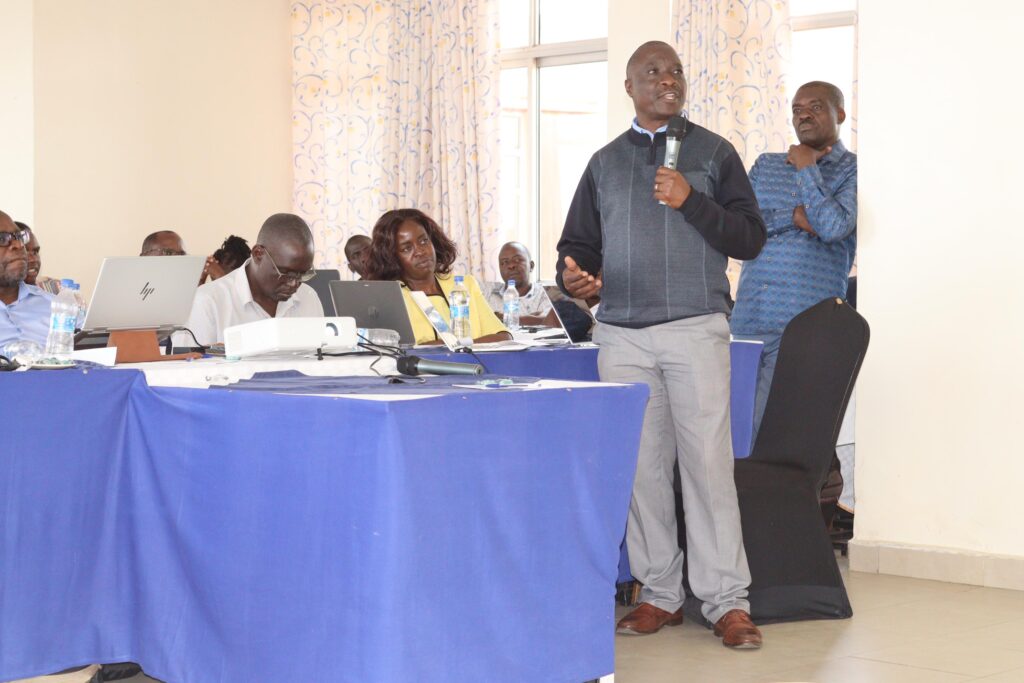
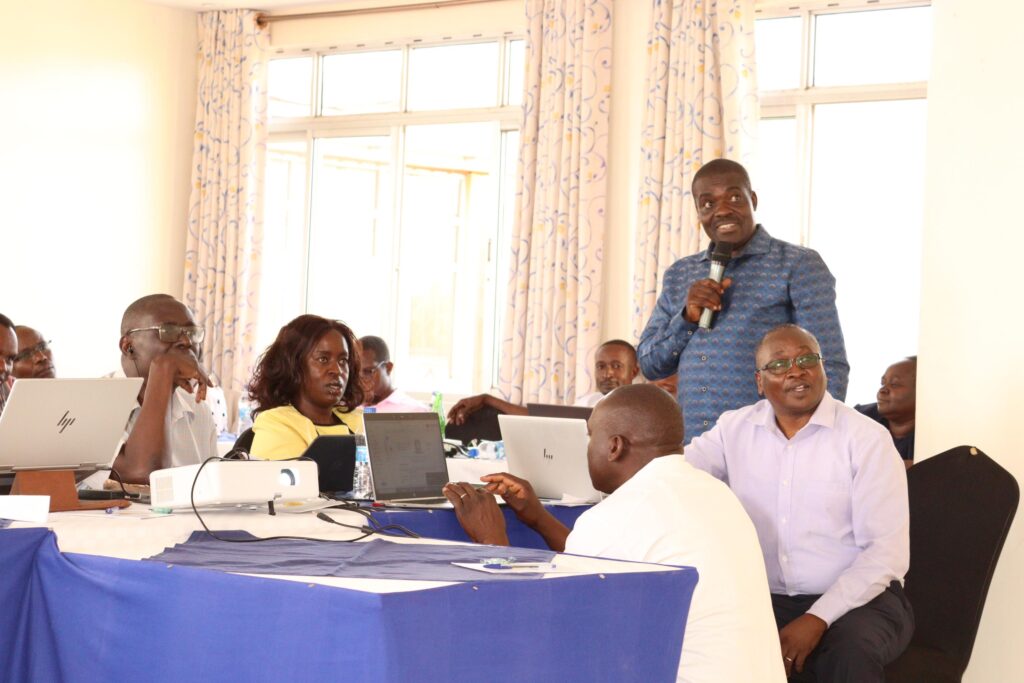
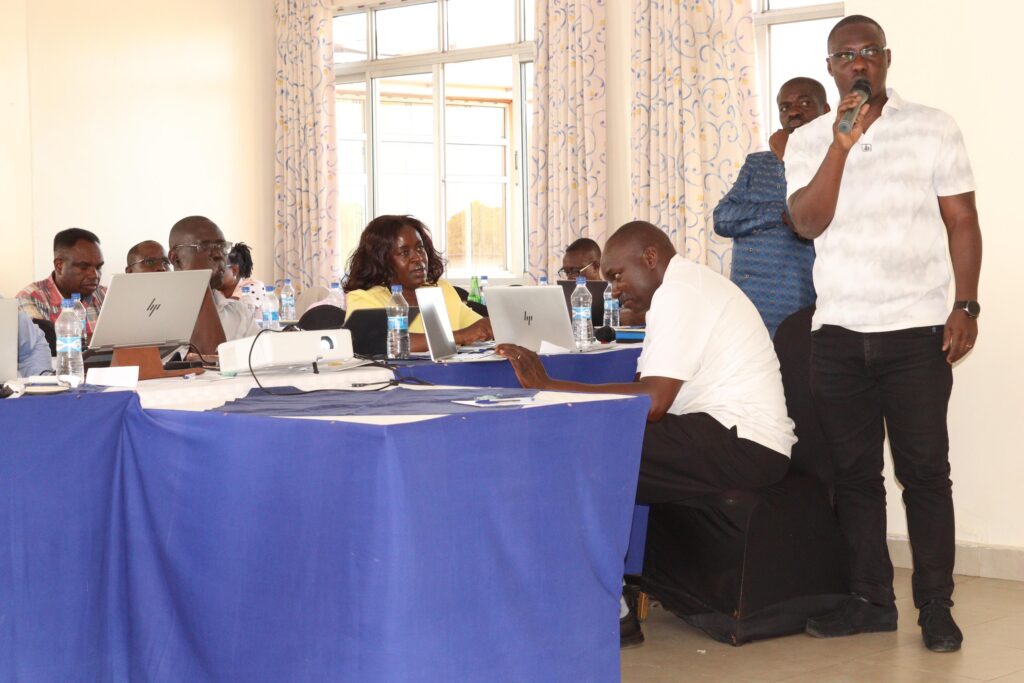
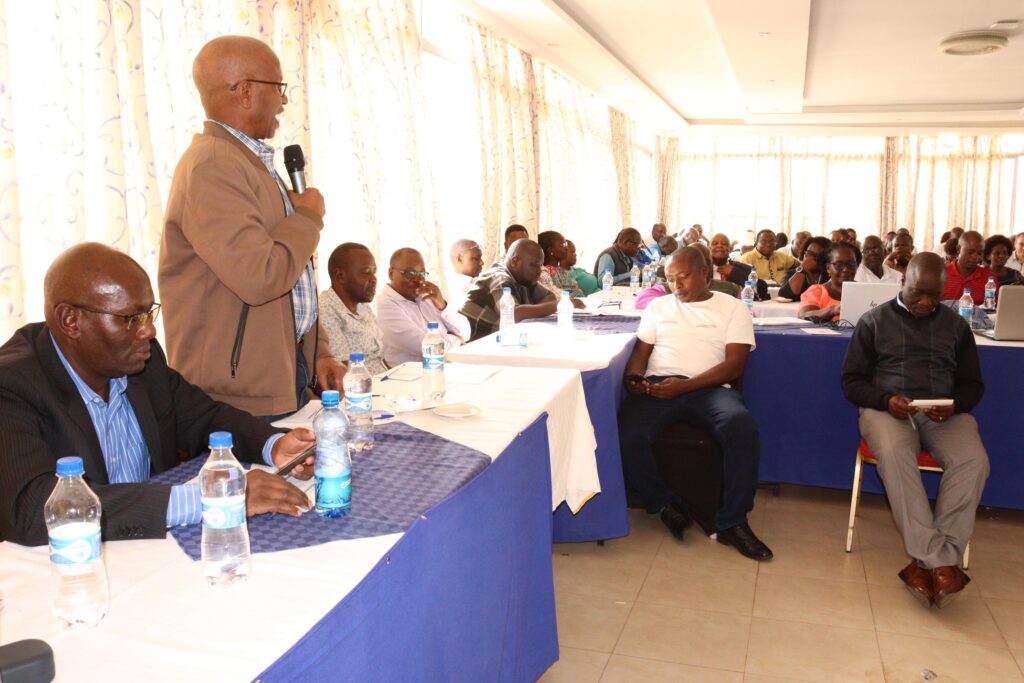
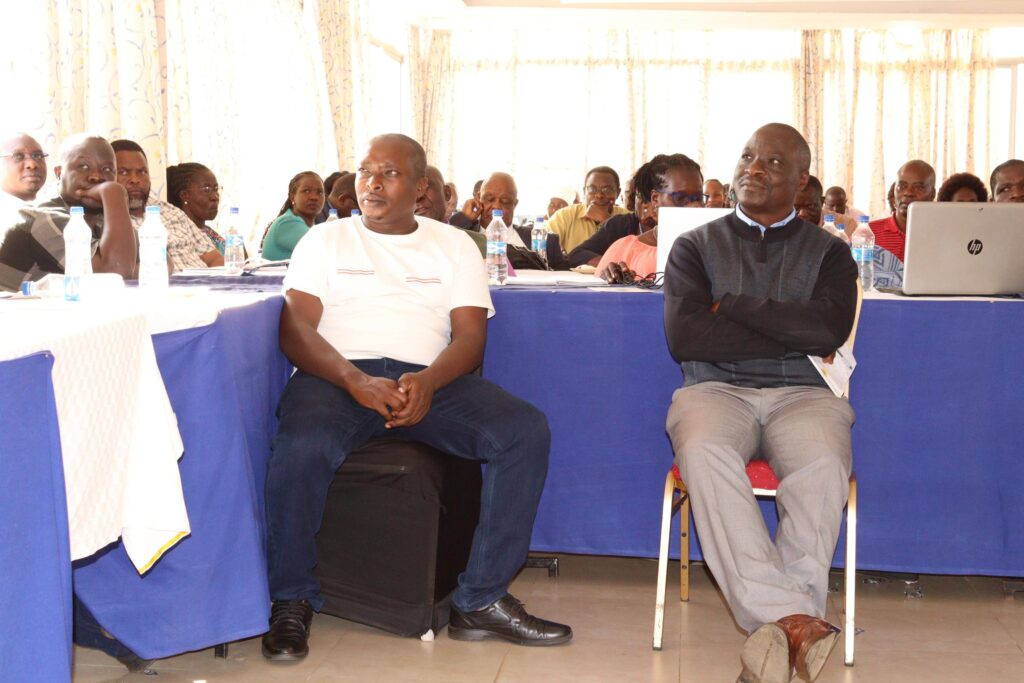
A section of the participants at the SONAS and SAVET Workshop.
Notably, the two-day training Workshop at the Sunset Hotel, themed ‘Building Competency-Based Programmes for Quality Relevance’, involved over ninety (90) participants. Among them were the Director of Quality Assurance-Prof. Lilechi Barasa; Dean, SAVET-Prof. Vitalis Ogema; Dean, SONAS-Dr. Joseph Owino; representing the Registrar (Academic Affairs)-Mr. Zablon Obengo; Heads of various Departments; teaching faculty; and technicians.
This training initiative marks a pivotal milestone in MMUST’s transition to CBET. By modernizing its academic programmes, the University is actively bridging the gap between institutional delivery and industry expectations. There is no doubt that this project will enhance MMUST’s compliance with new regulatory frameworks, while at the same time it produces practical, entrepreneurial and globally competitive graduates equipped with real-world competencies.
By Wangari Wambugu