Health Experts Validate MMUST’s New Community Toolkit Set to Boost Early Detection of Leukemia and Lymphoma Cancers Among Children in Western Kenya
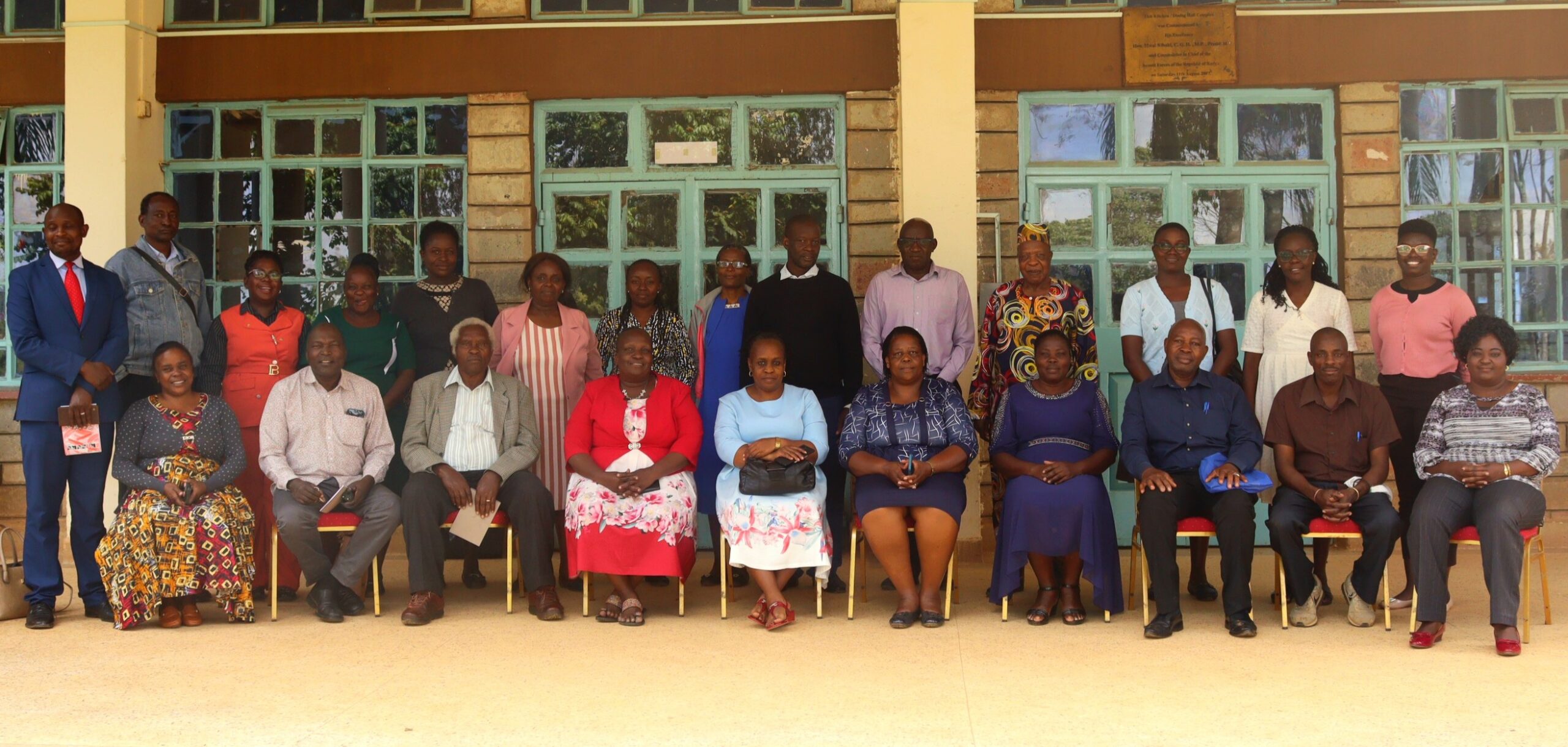
Health stakeholders in the region have validated a new community health worker toolkit developed by Masinde Muliro University of Science and Technology, which is set to enhance early detection, referral, diagnosis and care of childhood leukemia and lymphoma cancers in Western-Kenya. The toolkit is the product of a research project, titled ‘Integration of Community Health Workers Through a Multisectoral Approach in Early Detection, Referral, Diagnosis and Care of Leukemia and Lymphoma Cancers Among Children in Western Kenya’. This project is spearheaded by Dr. Rose Shikuri (Principal Investigator) from the Department of Nutritional Sciences, and funded by the National Cancer Institute of Kenya (NCI-K). On Wednesday, 24th June, 2026, the University hosted a validation Workshop for the draft toolkit. This activity targeted key stakeholders, including County health workers, MMUST experts, traditional healers and faith leaders, who provided critical feedback on the toolkit’s technical accuracy, practicality, cultural acceptability, County implementation readiness, and community usability.
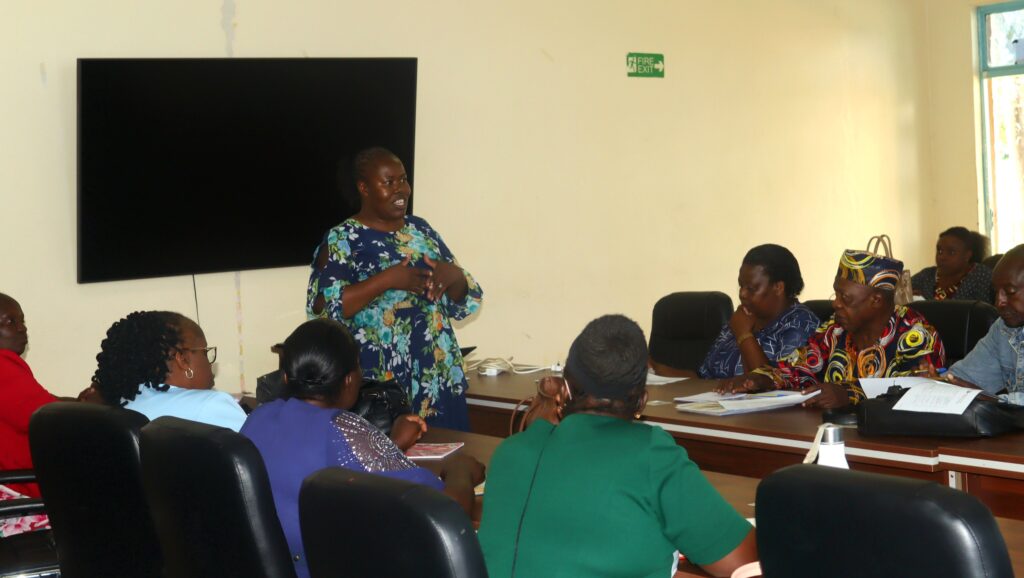
Dr. Jane Situma speaks at the validation Workshop.
Dr. Shikuri, who is also the Chairperson-Department of Nutritional Sciences, said the project provides a practical guide to help healthcare workers recognize early cancer warning signs among children and take appropriate action. “We are developing a community-friendly toolkit to help Community Health Promoters identify childhood cancer early, because early detection saves lives,” she noted, adding that the project is being implemented in Kakamega County.
Giving an overview of the toolkit, the Co-Principal Investigator in charge of nutritional support, Dr. Jane Situma, emphasized the importance of comprehensive care for children diagnosed with cancer. She pointed out that the research project will tackle nutritional deficiencies while providing vital psychosocial support to patients and their families to improve treatment outcomes. Further, she called on households to establish kitchen gardens, saying that they are a sustainable way of accessing nutritious foods and reducing household expenses. “Cancer treatment is already expensive for many families. Kitchen gardening can help reduce food costs, ensuring that children receive the nutrients they need during treatment and recovery,” she stated.
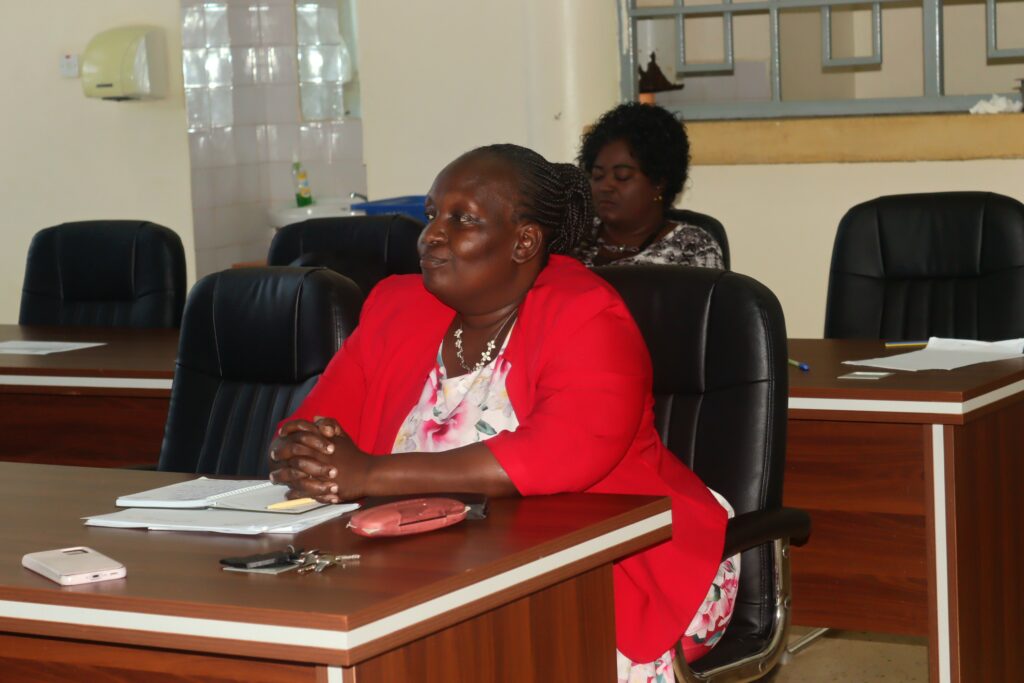
The Principal Investigator, Dr. Rose Shikuri, at the event.
Notably, the MMUST NCI-K-funded research project comprises a team of six (6) members, namely Dr. Rose Shikuri, Dr. Jane Situma, Dr. Humphrey Mabwi, Mr. James Wakungwi Sakwa, Mr. Noah Lawrence Wamukoya and Ms. Rael Mwando (a PhD student).
Certainly, this project marks a major milestone for not just MMUST, but the entire Western region of Kenya. By officially validating the new community health worker toolkit, MMUST is poised to transform pediatric oncology. The initiative will significantly enhance the early detection, referral, diagnosis and care of childhood leukemia and lymphoma, ultimately saving young lives across the region.
By Wangari Wambugu,Simiyu N. Frida & Aluoch Asola
Photos by Gerald Steve