
MMUST and GCA Concludes Youth-Led Climate Adaptation Replication Exercise Across Africa
The Global Center on Adaptation (GCA), in partnership with Masinde Muliro University of Science and Technology (MMUST), has concluded a continent-wide initiative that supported the replication of climate adaptation training by youth-led organizations across Africa. The replication activities formally concluded on 12th December 2025. This project is steered by Dr. Nicodemus Nyandiko.
Courtesy of this initiative, 15 youth-led organizations received EUR 2,000 small grants to replicate climate adaptation training at national and local levels using the GCA Adaptation Training Toolkit. The organizations were selected from the African Youth Adaptation Network, with the aim of strengthening grassroots capacity for climate adaptation through youth leadership.
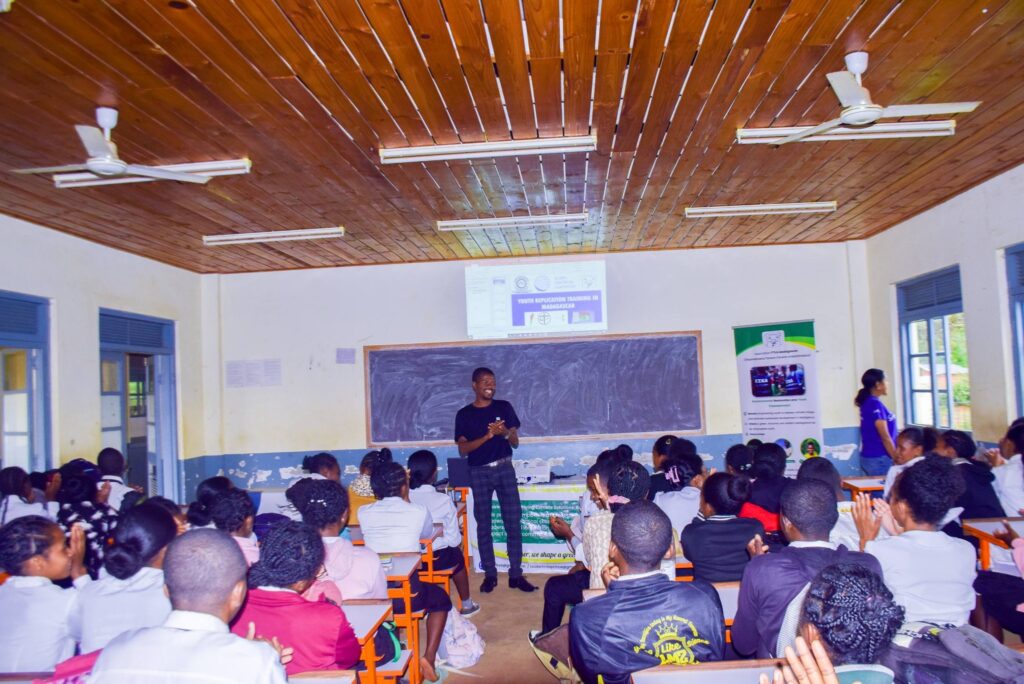
A session of the replication exercise.
The achievements of the programme were highlighted during the closing ceremony of the Pan-African Academy on Climate Adaptation and Leadership, where participating organizations were recognized for their role in advancing practical adaptation skills across the continent. The replicated training was anchored on a standardized model developed through the Youth Academy on Climate Adaptation and Leadership.
The Youth Academy model was developed through a multi-institutional collaboration involving the University of Nairobi, the University of Groningen, and the Kenya School of Government, integrating academic research, policy expertise, and leadership training.
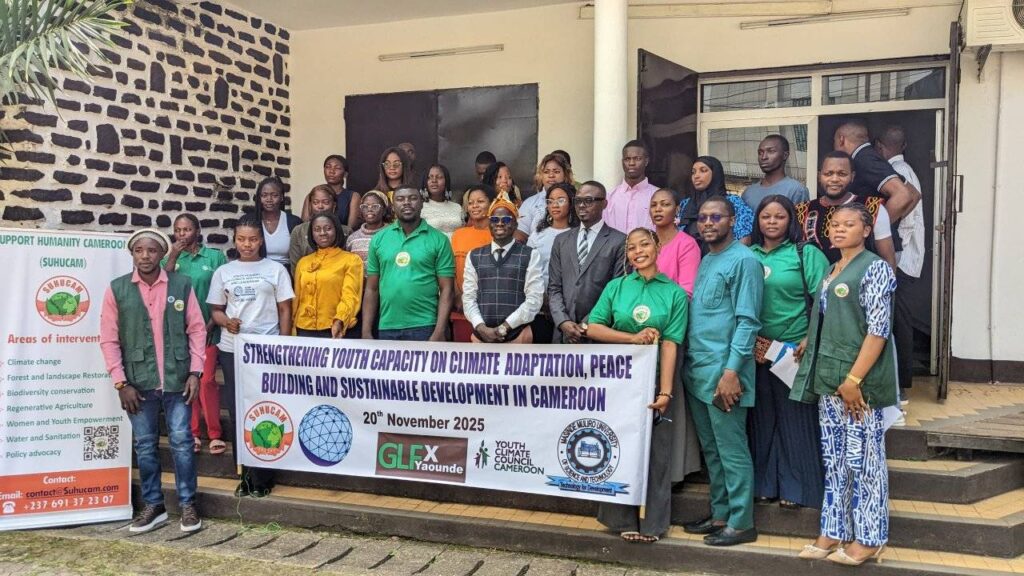
Cameroon youths during their replication activity.
Through the replication phase, climate adaptation training activities were implemented across Egypt, Tunisia, Madagascar, Mauritius, Seychelles, Zimbabwe, Benin, Ghana, Liberia, Mali, Ethiopia, Kenya, South Sudan, Cameroon, and the Democratic Republic of Congo, reaching diverse communities and national contexts.
The programme has trained participants in 50 countries across four continents, awarded 15 small grants to support localized replication, and established a single scalable training model designed for wider rollout across Africa through the Youth Academy framework. The replication activities formally concluded on 12 December 2025.
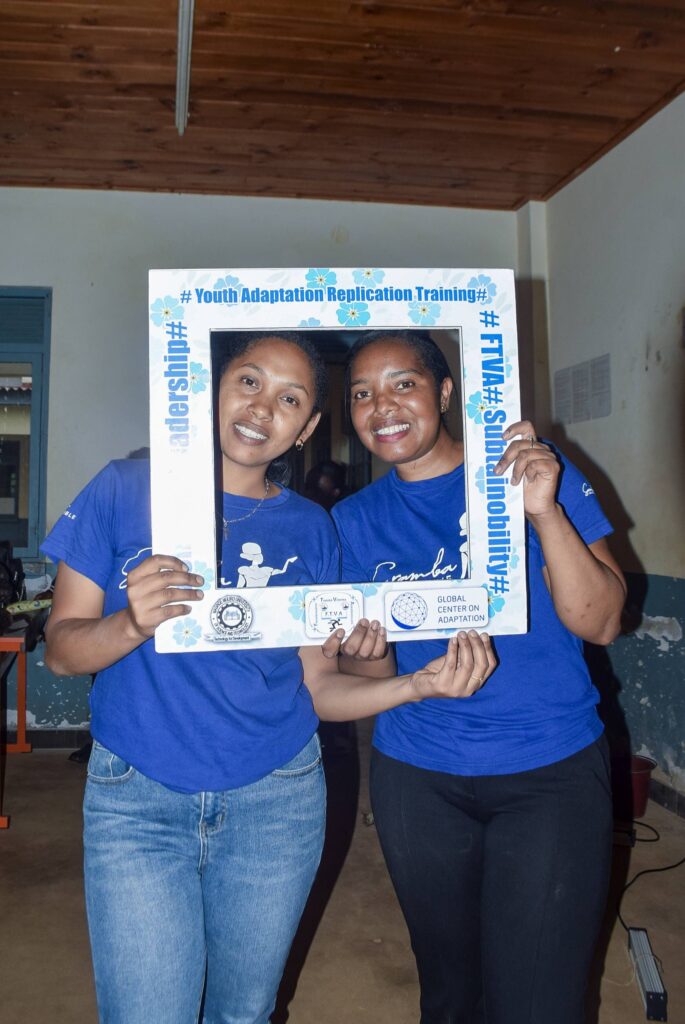
Youths from Madagascar during their replication activity.
The two institutions commended the participating youth-led organizations for their professionalism, commitment, and contribution to strengthening climate adaptation capacity. The successful conclusion of the initiative underscores the growing role of young leaders in advancing climate resilience and supporting evidence-based adaptation efforts across Africa.
By Linet Owuor