
Researchers Attending the Clare Co-Cat Workshop in Kenya Challenged to Embrace Behavioral and Methodological Shifts in the Way Climate Adaptation Research Is Conducted
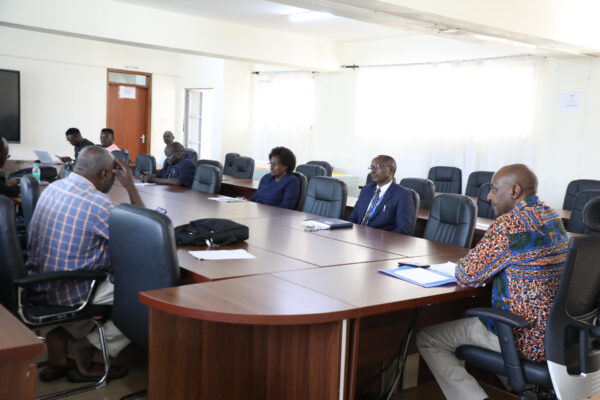
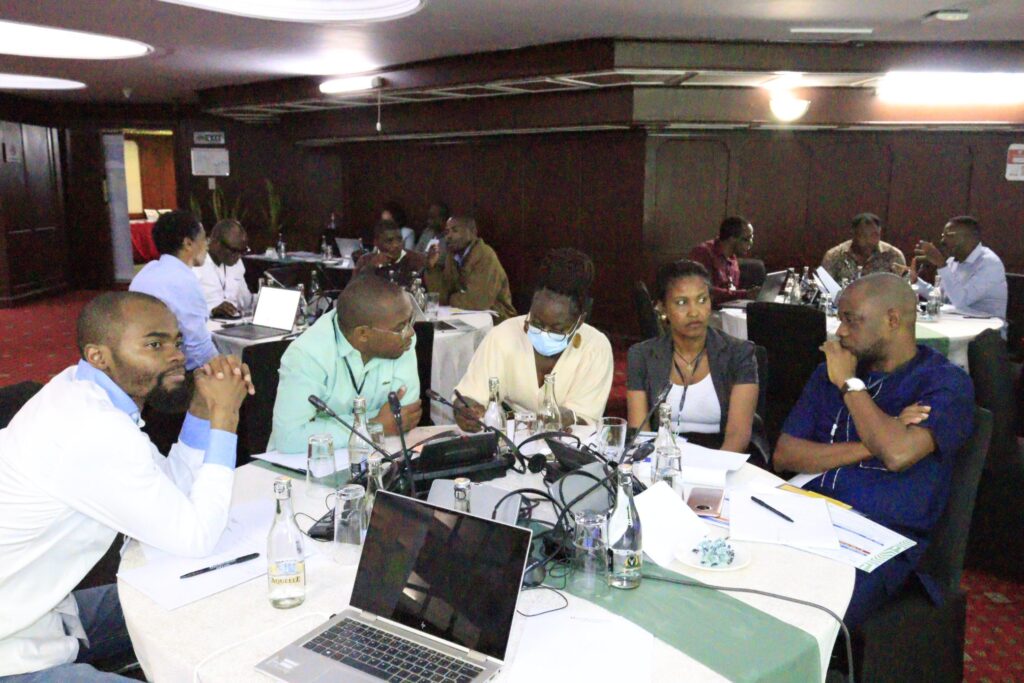
Researchers attending the CLARE CO-CAT workshop at Safari Club, Lilian Towers in Nairobi, Kenya, have been challenged to embrace behavioural and methodological shifts in the way they conduct climate adaptation research. This rallying call for change and forward movement regarding impactful research in the area of climate adaptation research, emanated from several notable speakers right from Wednesday 11th to Friday 13th March, 2026.
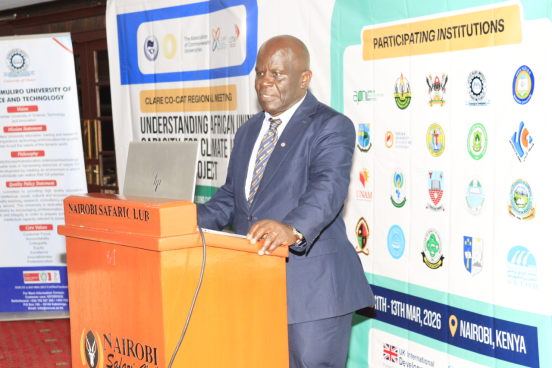
Veteran researcher and scholar, Prof. Peter Bukhala addresses the participants during the official closing ceremony.
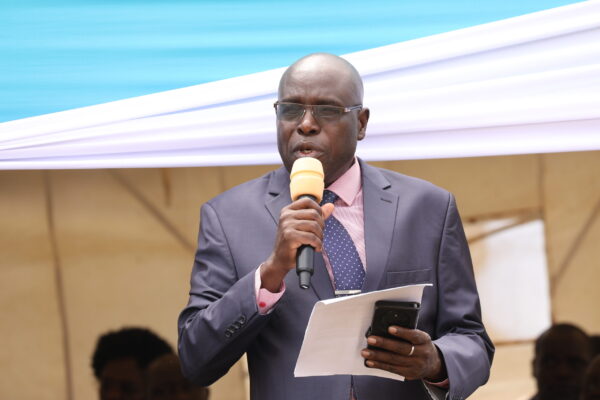
In his remarks, while officially closing the highly attended regional workshop, veteran researcher and scholar, Prof. Peter Bukhala pointed out that climate change continues to pose significant social, economic, and environmental challenges across the African continent. He added that such challenges can only be tackled using new, innovative solutions that enable communities and governments to respond effectively to climate-related threats.
Dr. Justin Pulford of the Liverpool School of Tropical Medicine with MMUST’s Prof. Bukhala during the second day of the workshop.
“There exists strong research potential within African universities and therefore it is necessary to create platforms where scholars can collaborate, share experiences, and learn from one another. From the presentations and discussions in this CO-CAT workshop, it is clear that the work being undertaken by the researchers can significantly strengthen the continent’s research capacity and policy engagement in climate adaptation. Let us continue working together to enhance African universities capacity in climate adaptation research,” said Prof. Bukhala.
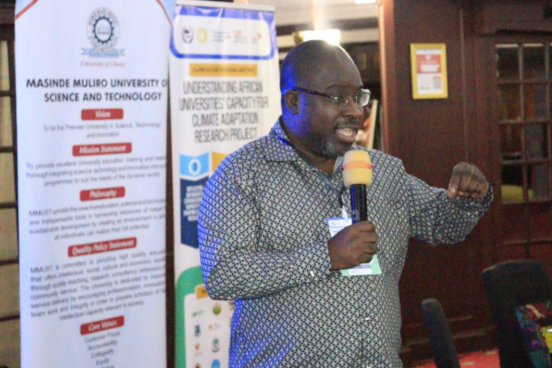
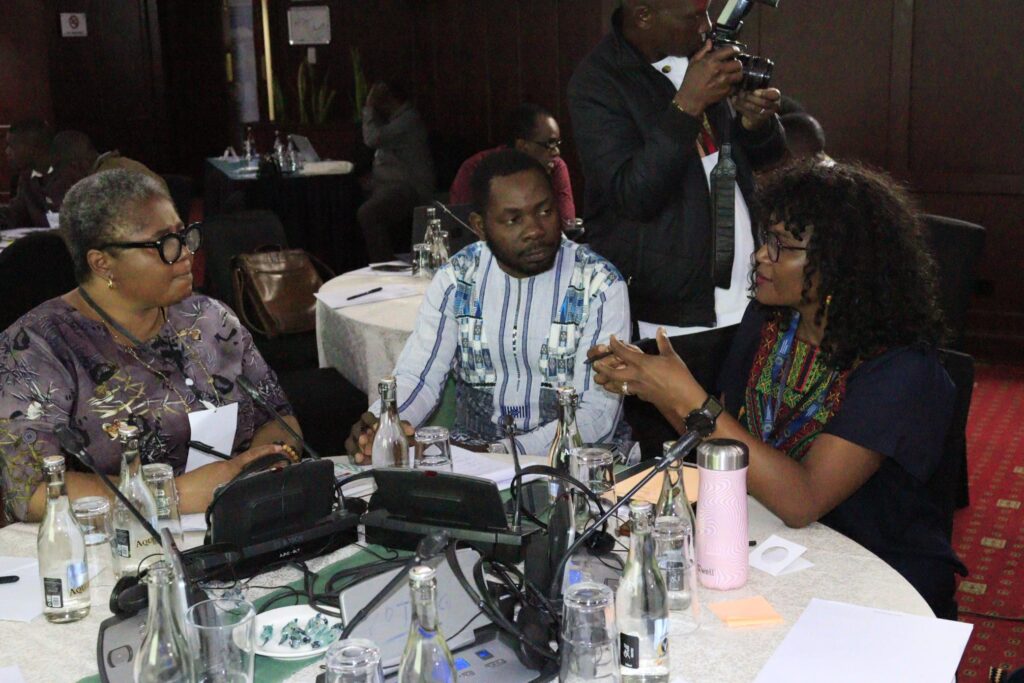
Prof. Ato Armah explains a point during the workshop.
Equally, presentations from Prof. Ato Armah and Prof. Angela Akorsu decried the imperative need for researchers in Africa to shift their behaviour and methodology in climate adaptation research. Prof. Akorsu noted that researchers must critically interrogate their positionality and reflect on how research processes are designed, including sampling methods, framing of research questions and the overall approach to conducting studies.
“In addition to gender being a fundamental identity marker, it can reinforce vulnerabilities. We must make sure that our research is as scientific as possible and that we use not only factual information and evidence but also do away with our biases,” she advised.
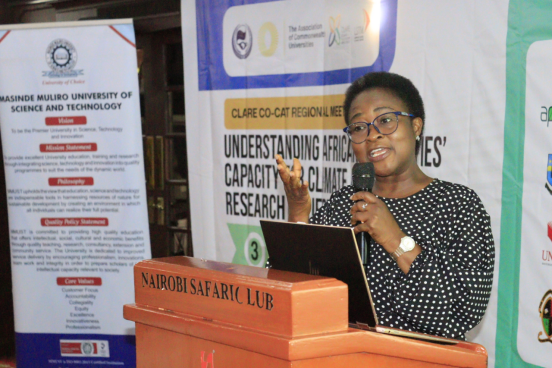
Prof. Angela Akorsu engages participants on the last day of the workshop.
Similarly, Prof. Armah explained that the CLARE CO-CAT tool that has been co-created will help equip universities with the techniques necessary for effective climate adaptation research. “The fundamental essence of CO-CAT is to enable institutions to engage in honest, structured reflection on their readiness to deliver climate adaptation research at scale and to position themselves as credible, long-term partners in national and regional adaptation efforts,” stated Prof. Armah.
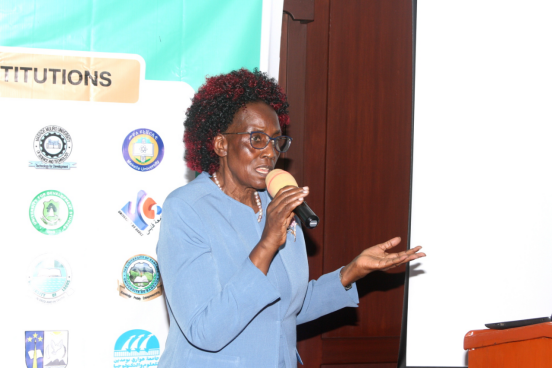
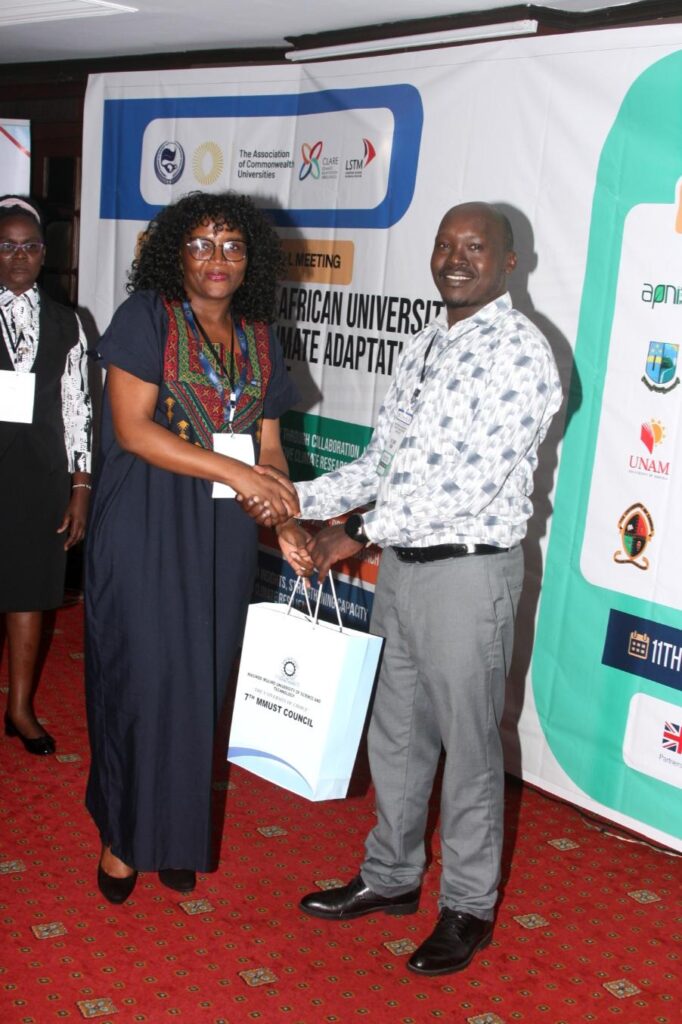
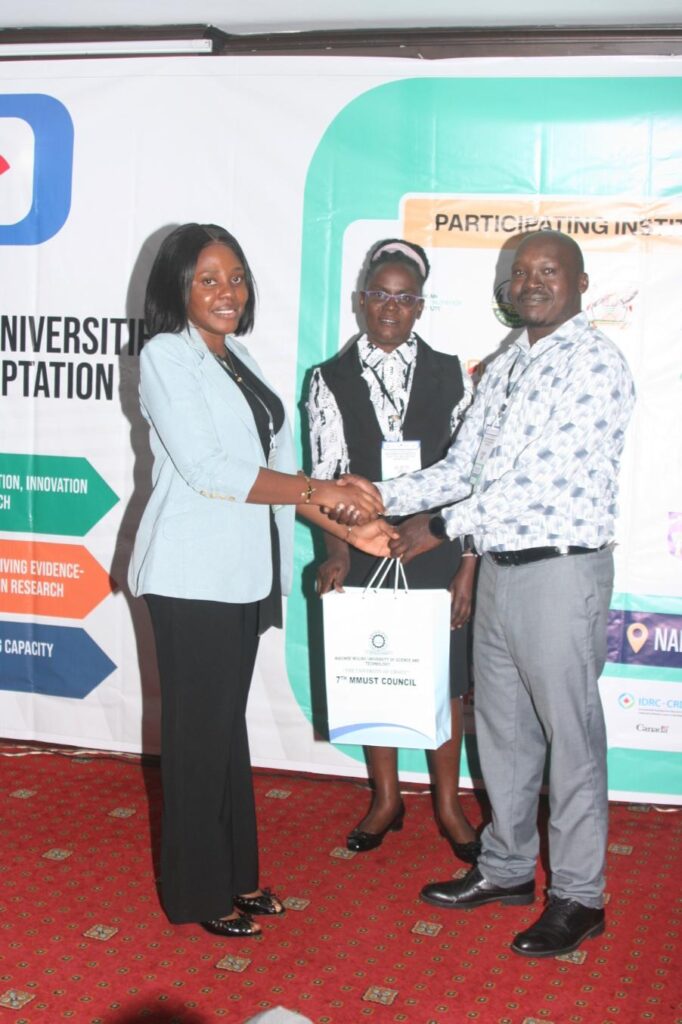
Prof. Josephine Ngaira ushers guests to be awarded during the closing ceremony.
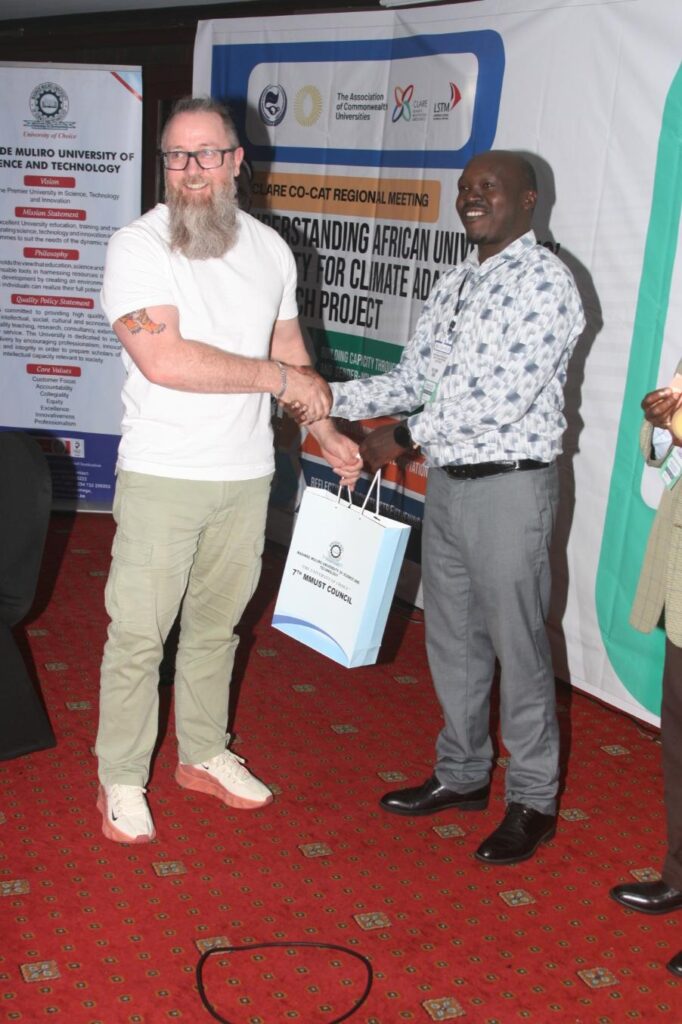
The highly productive workshop was punctuated with brain teasers and other meaningful activities, including, awarding of gifts to the members of the implementing body- AAU, among them the PI of the entire project, Prof. Ato Armah; Coordinator of the Project, Ruth Issambo Nyarko, and Dr. Justin Pulford of the Liverpool School of Tropical Medicine. An award was also given to Ms. Hayley Price-Kelly, who was representing IDRC.
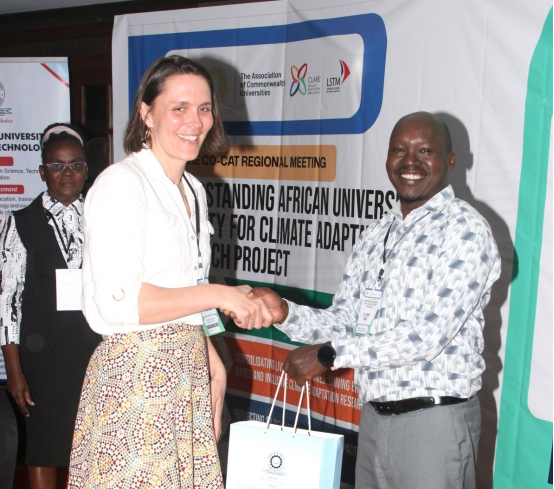
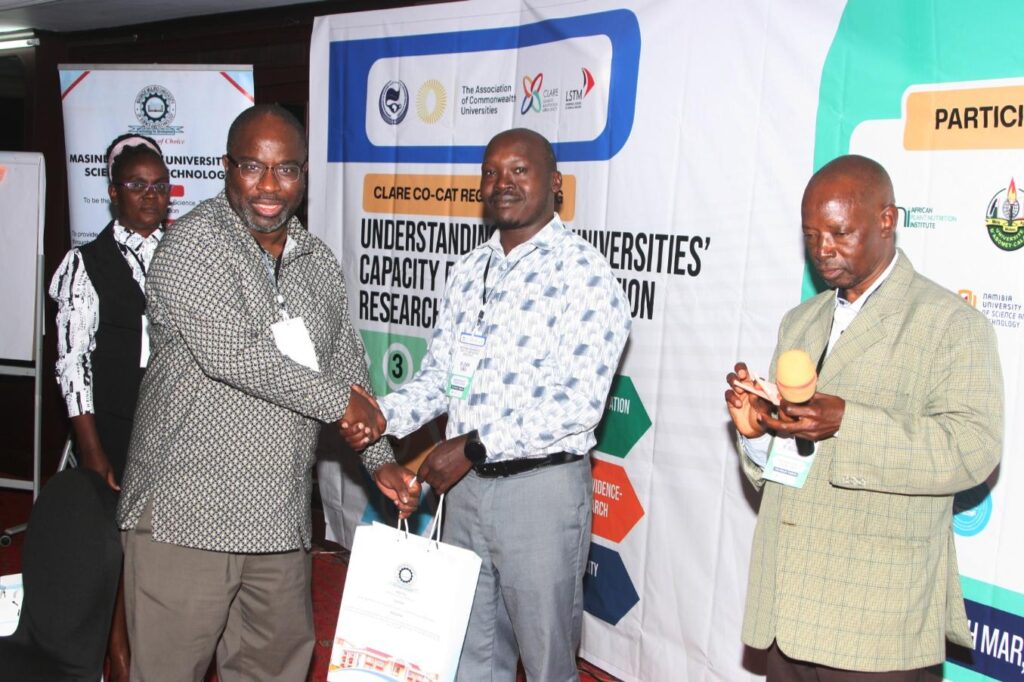
Ms. Hayley Price-Kelly of IDRC receives a gift bag from MMUST’s Dr. Edwin Kanda.
Another workshop for Principal Investigators will be held in Central Africa in June this year. In addition, after finalizing on the tool, the next steps will include engagement of members of the project in exchange programmes across different countries in Africa.
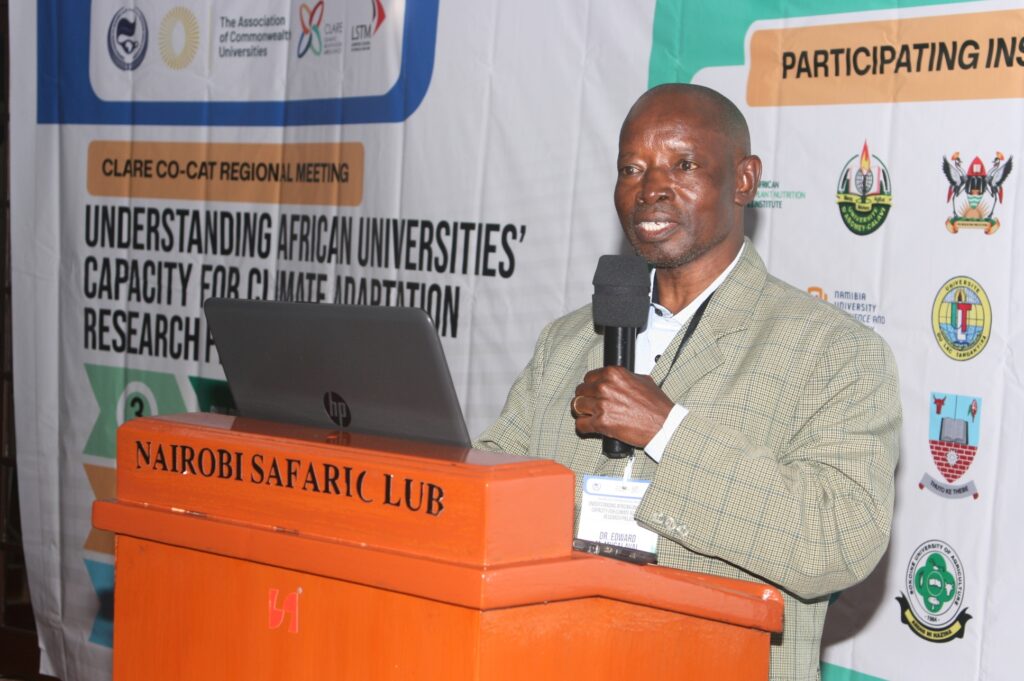
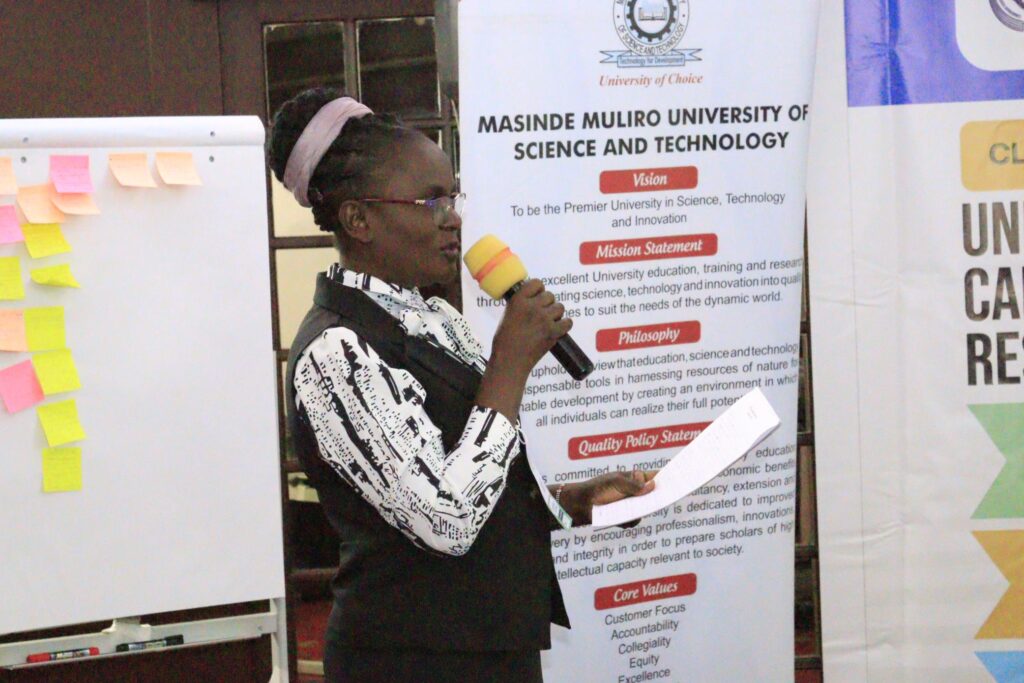
Dr. Edward Mugalavai, the Project Lead at MMUST speaks at the event.
The CLARE CO-CAT workshop is undoubtedly a significant turning point in the regional and global dialogue regarding climate adaptation research. The incorporation of gender, equity and inclusivity as part of the scientific rigour, conceptual development and adaptation systems indeed signals a new epoch in the realm of climate adaptation research. Such workshop outcomes, coupled with the highly impactful CLARE CO-CAT tool, will certainly catapult research efforts into useful outcomes for the benefit of Africa and humanity.
By Dr. Lydia Anyonje and Caren Nekesa