INNOVATIVE HANDS-ON SOAP-MAKING PROJECT BY MMUST AND CASE WESTERN RESERVE UNIVERSITY- USA IN PARTNERSHIP WITH STEMPOWER SET TO EMPOWER STUDENTS IN KAKAMEGA COUNTY
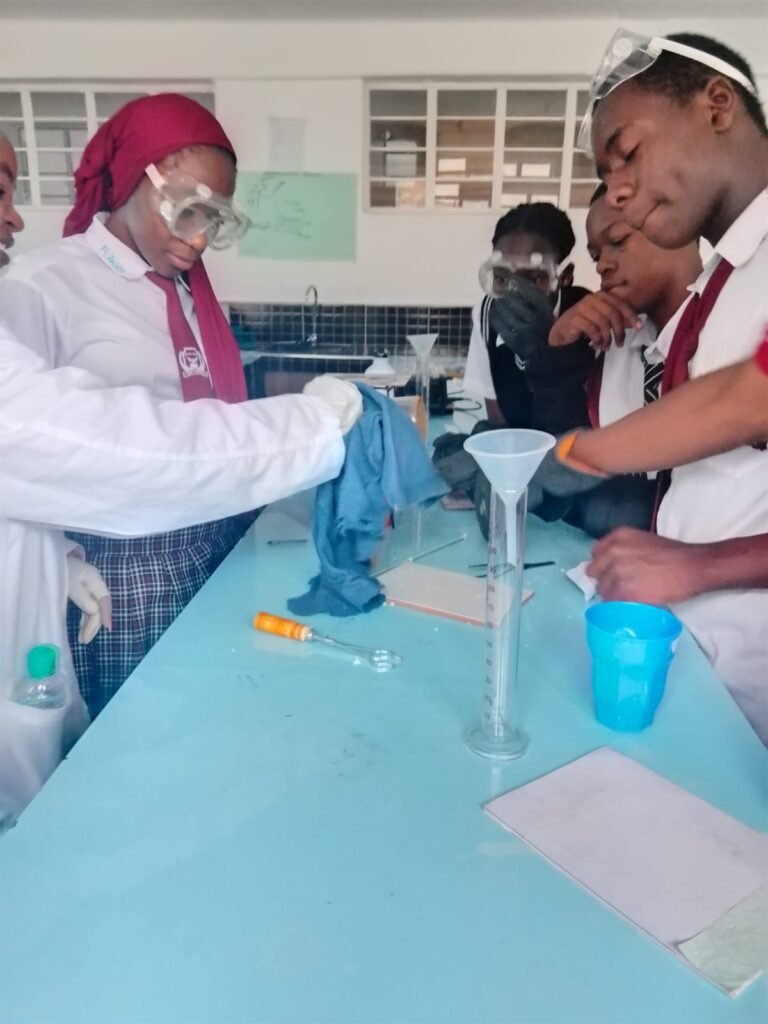
The Masinde Muliro University of Science and Technology (MMUST) STEM Centre and Case Western Reserve University-USA, have partnered with STEMpower in empowering secondary school students through an innovative hands-on soap-making project. The project, steered by Dr. Rahab Kamau (MMUST PI) and Dr. Maxwell Mageto (Coordinator, MMUST STEMpower Centre), is a STEM outreach program that combines science, practical skills and entrepreneurship. Titled, ‘Micro-factory Project Dealing with Preparation of Value-Added Bar Soap’, the project will run for one (1) year. In the first two (2) months alone, 115 students from six (6) secondary schools in Kakamega County have been reached and equipped with requisite skills gained through experiential learning and practicums.
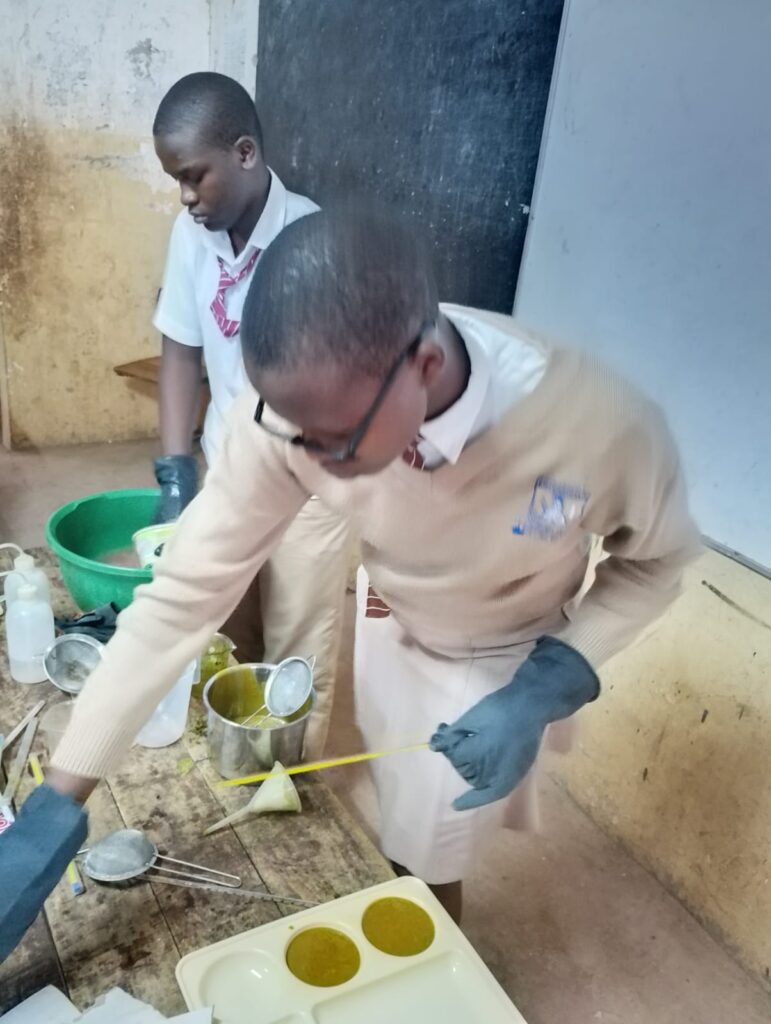
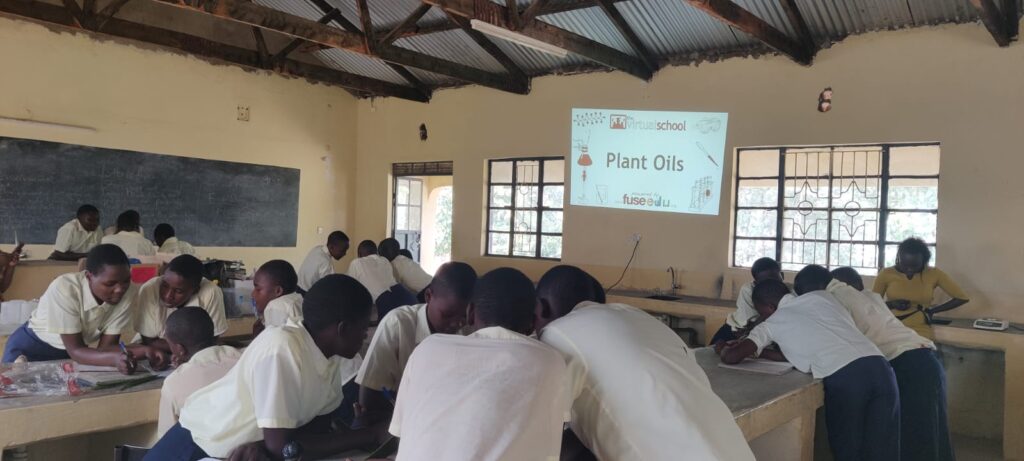
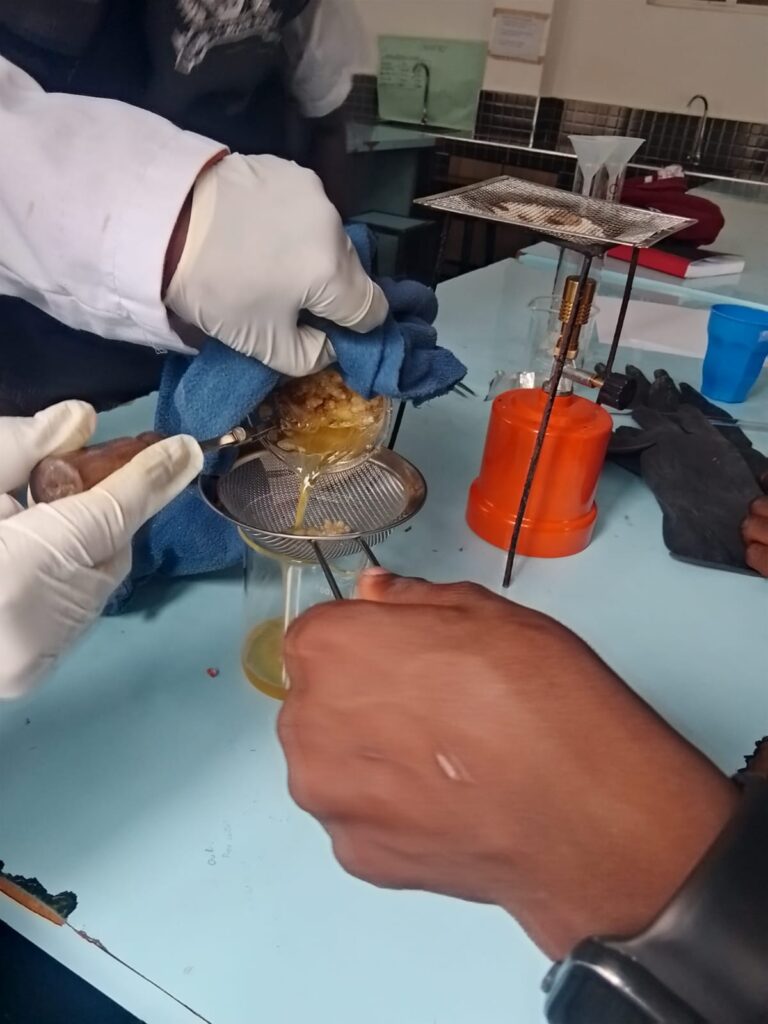
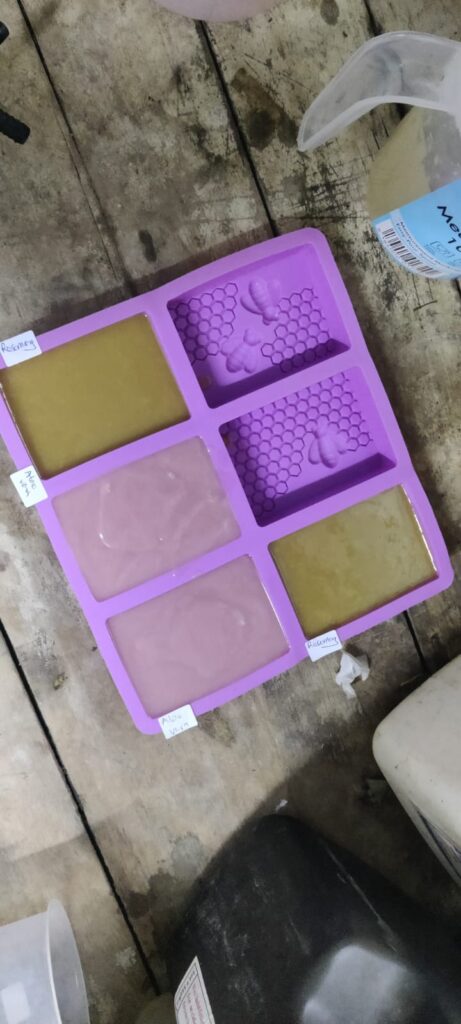
According to Dr. Mageto, who is also one of the facilitators in the project, this initiative is part of the University’s outreach agenda to transform the surrounding communities. “We are empowering high school students to make their own soap using natural products, which are easily available in their environment. Through hands-on soap making, also known as saponification, we impart chemistry concepts, such as hydrophobic and hydrophilic effects, neutralization reactions, polar and non-polar materials, mixtures, solubility, stoichiometry, as well as chemical reactions involving Sodium Hydroxide,” says Dr. Mageto.
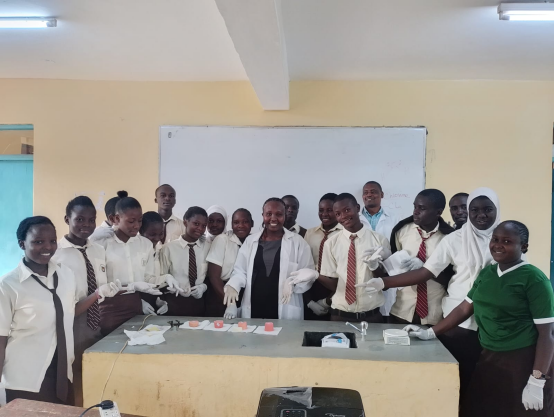
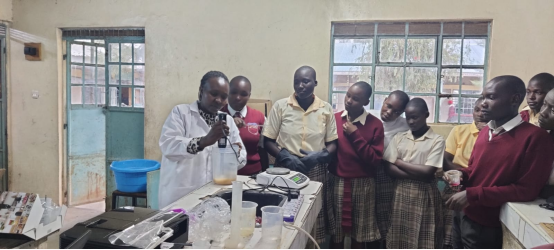
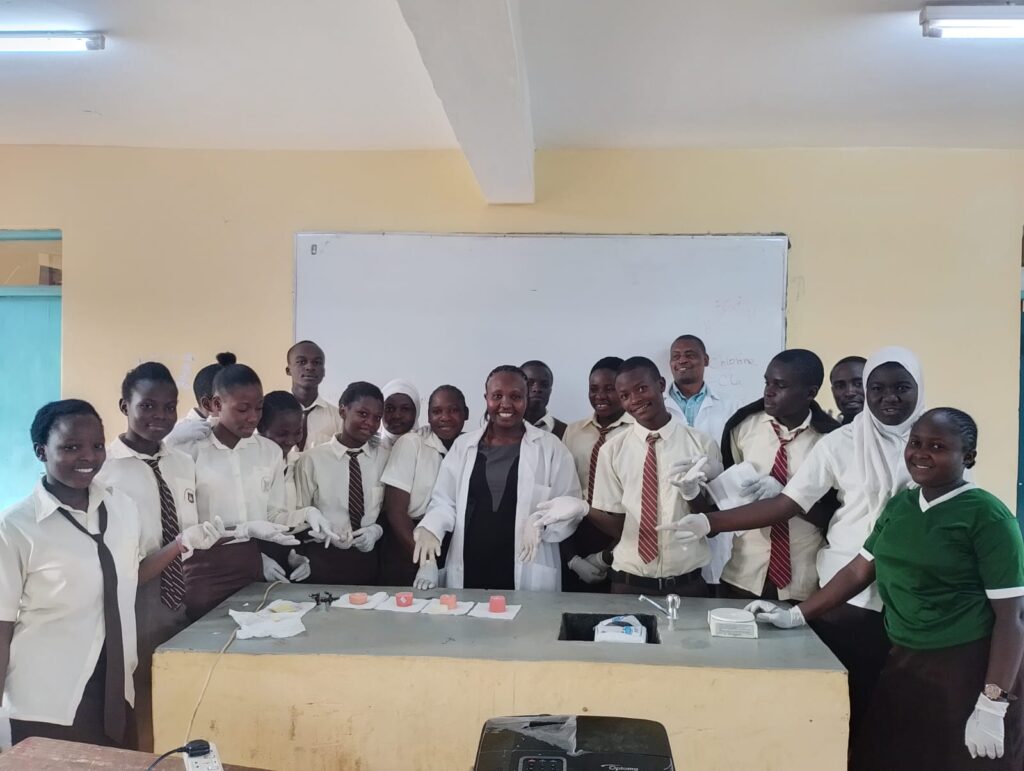
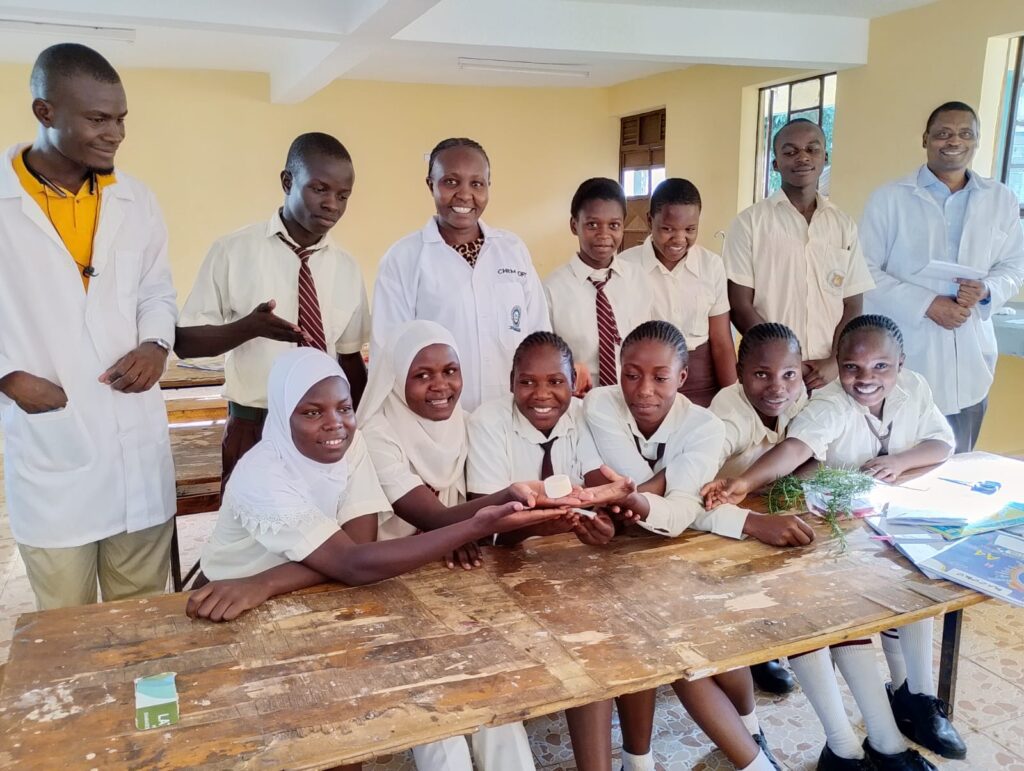
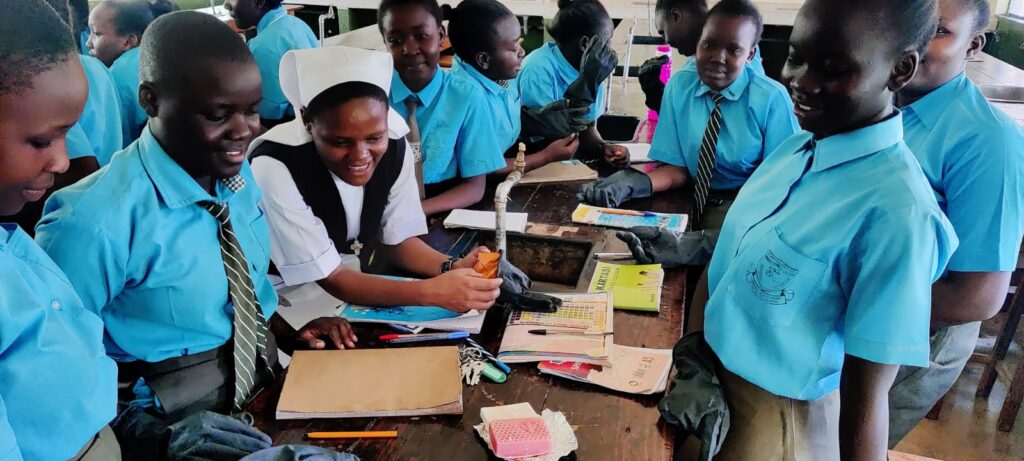
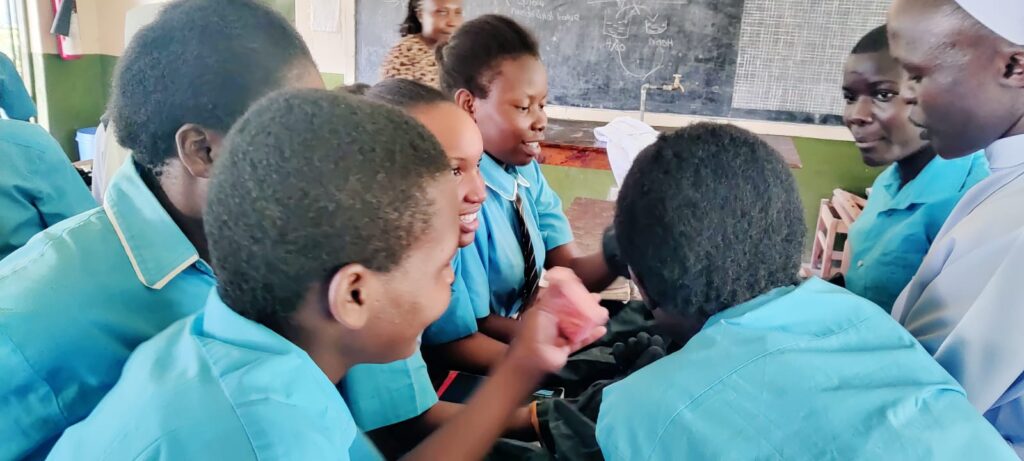
Dr. Rahab Kamau and Dr. Maxwell Mageto with students in the lab.
Beyond scientific learning, the initiative also introduces students to entrepreneurship and business fundamentals. Participants receive training on product branding, marketing strategies, pricing and financial literacy, including how to develop profit and loss accounts. These skills help students understand how scientific innovation can translate into viable business opportunities.
In an interview with the MMUST Directorate of Corporate Communications and Marketing crew, Dr. Kamau revealed that the project is funded through STEMpower International. “We are determined to reach as many students as possible, popularizing the STEM subjects and showing them that science can be a viable source of income. We spend 15 hours per week to engage a group of 20 students in every school and to date, the program has delivered over 51 hours of STEM training through the 8-module curriculum that we have developed to cover all the activities in the project,” she stated.
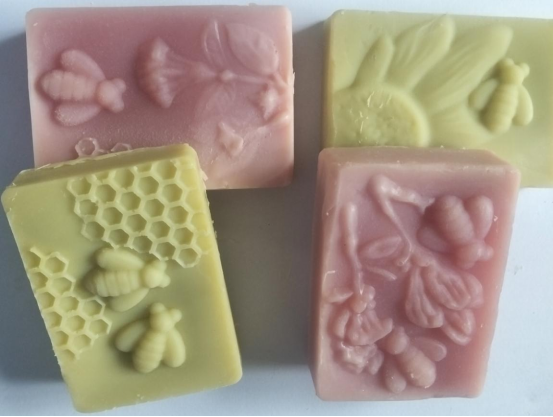
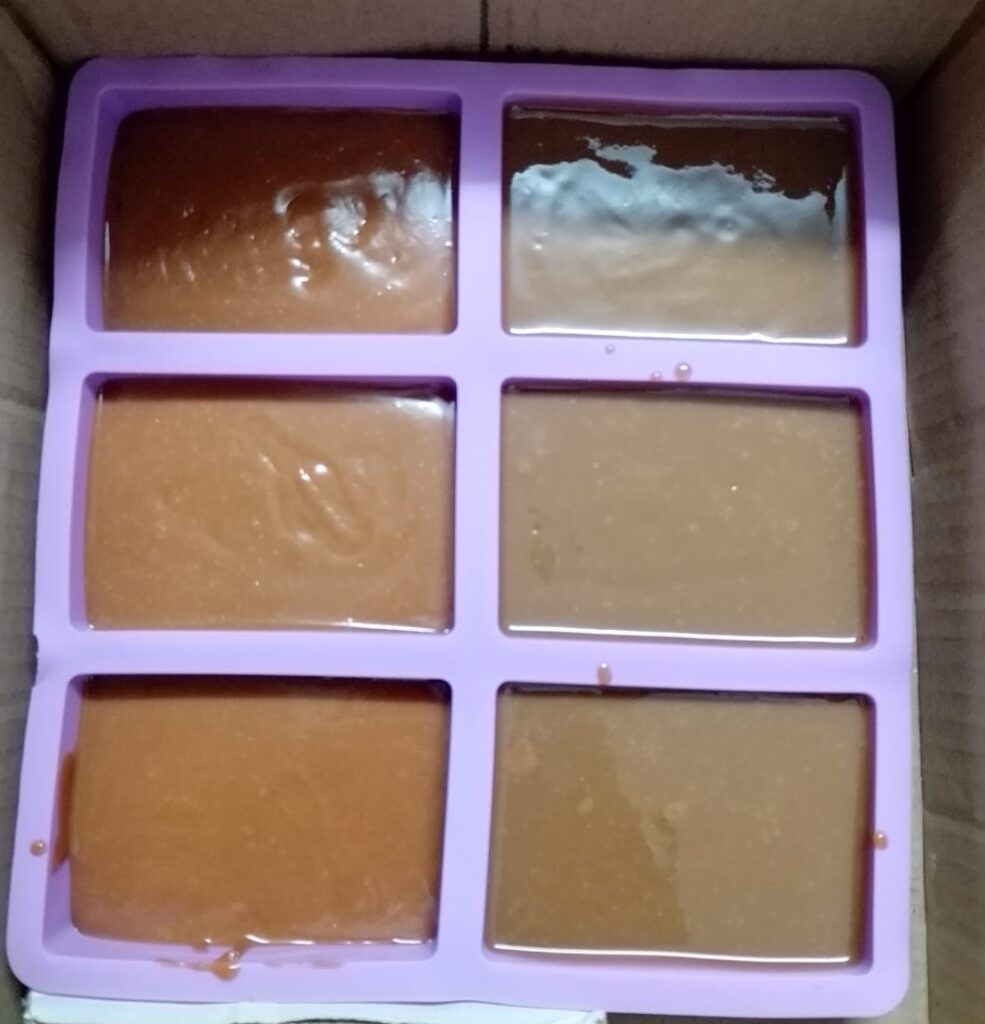
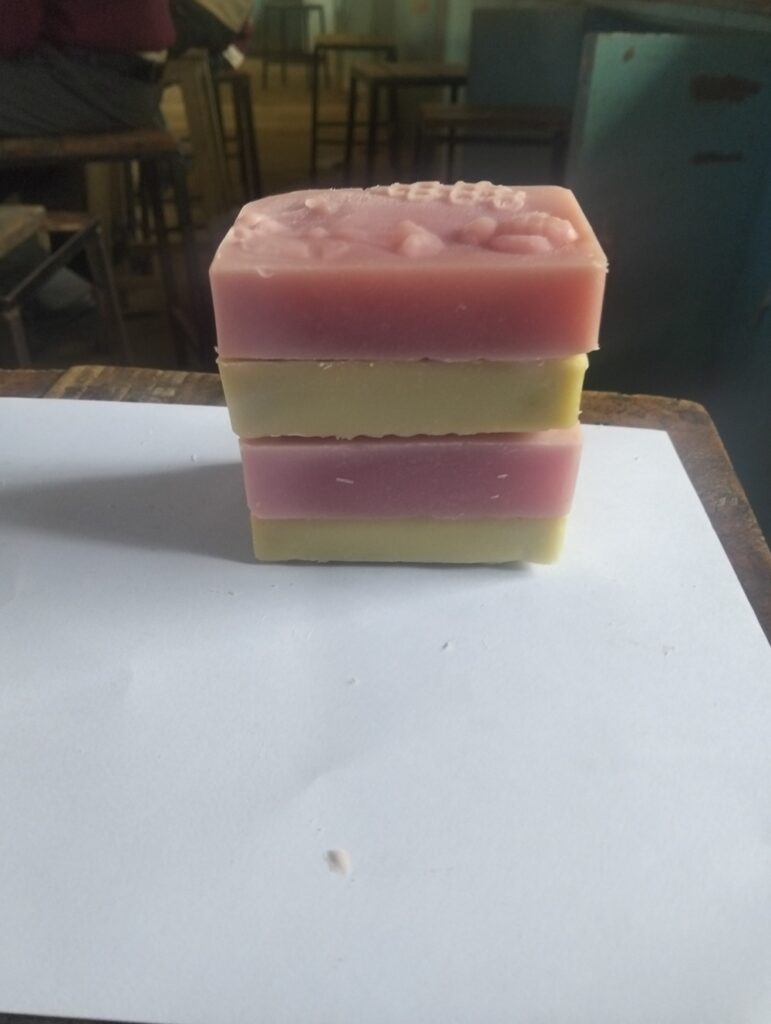
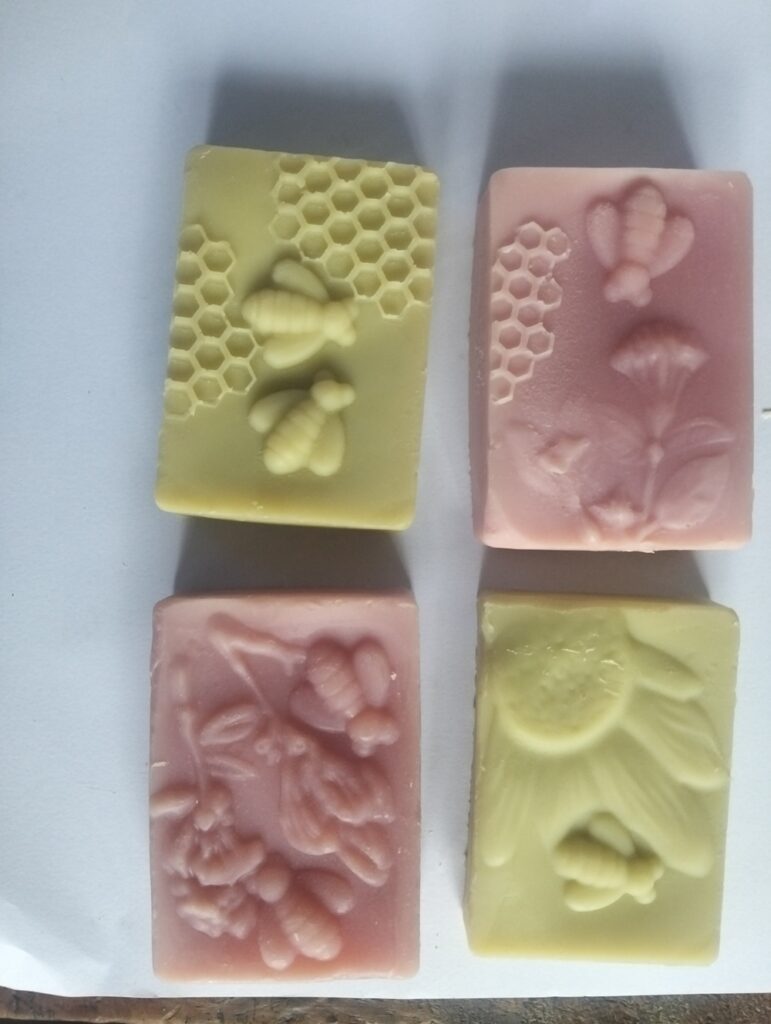
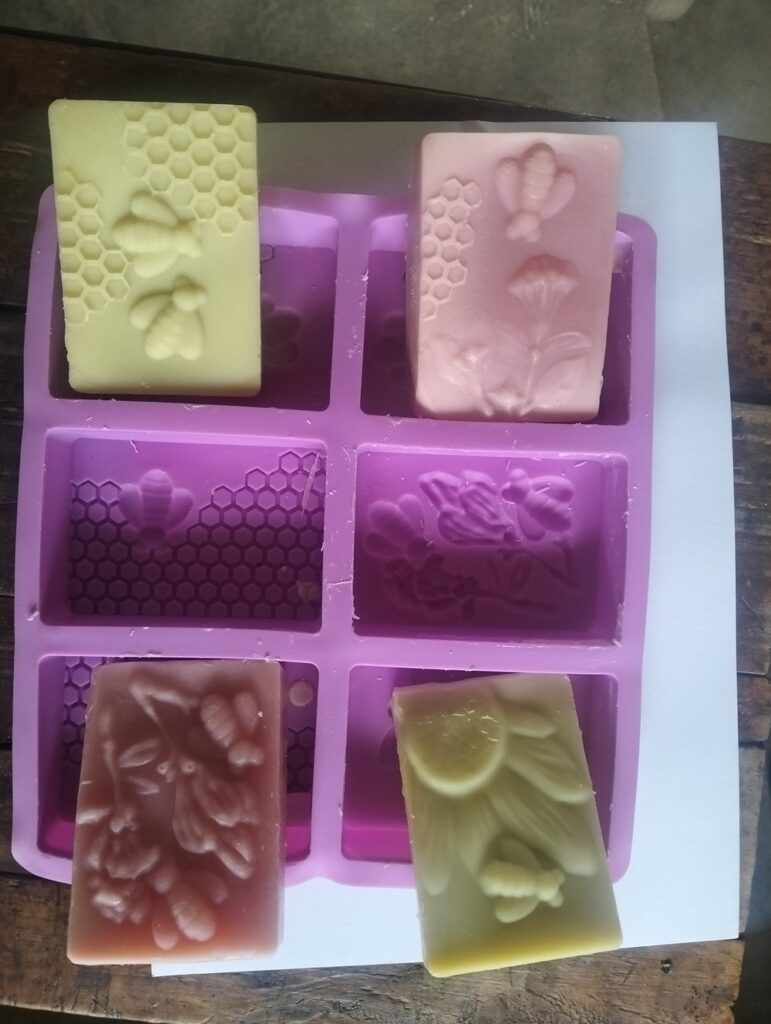
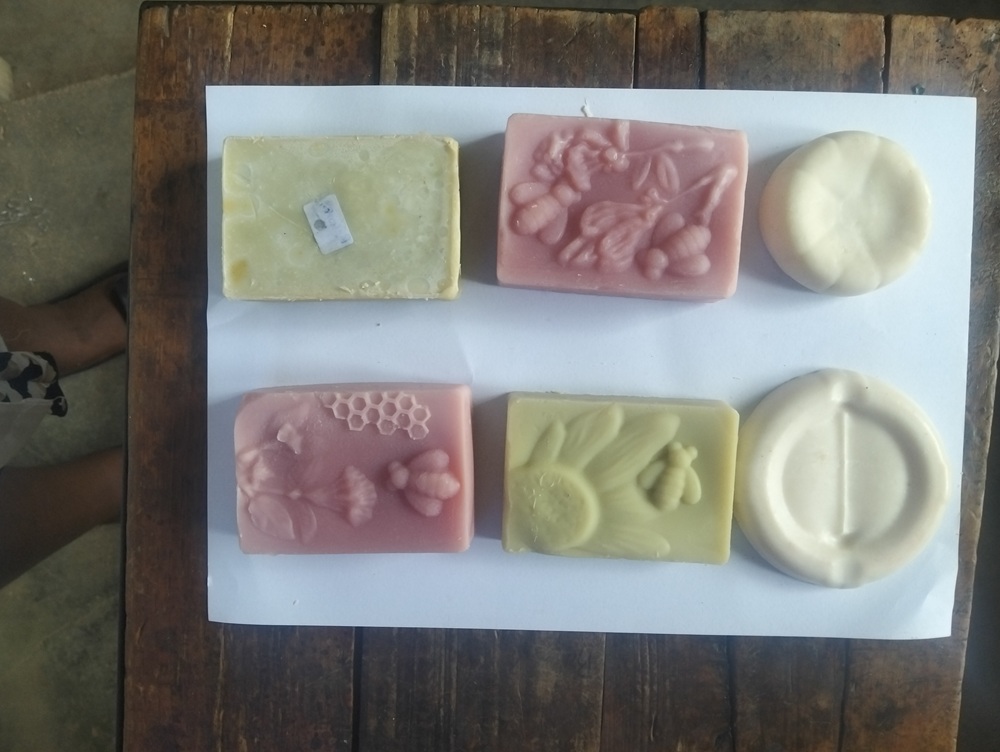
Samples of the soaps made by students.
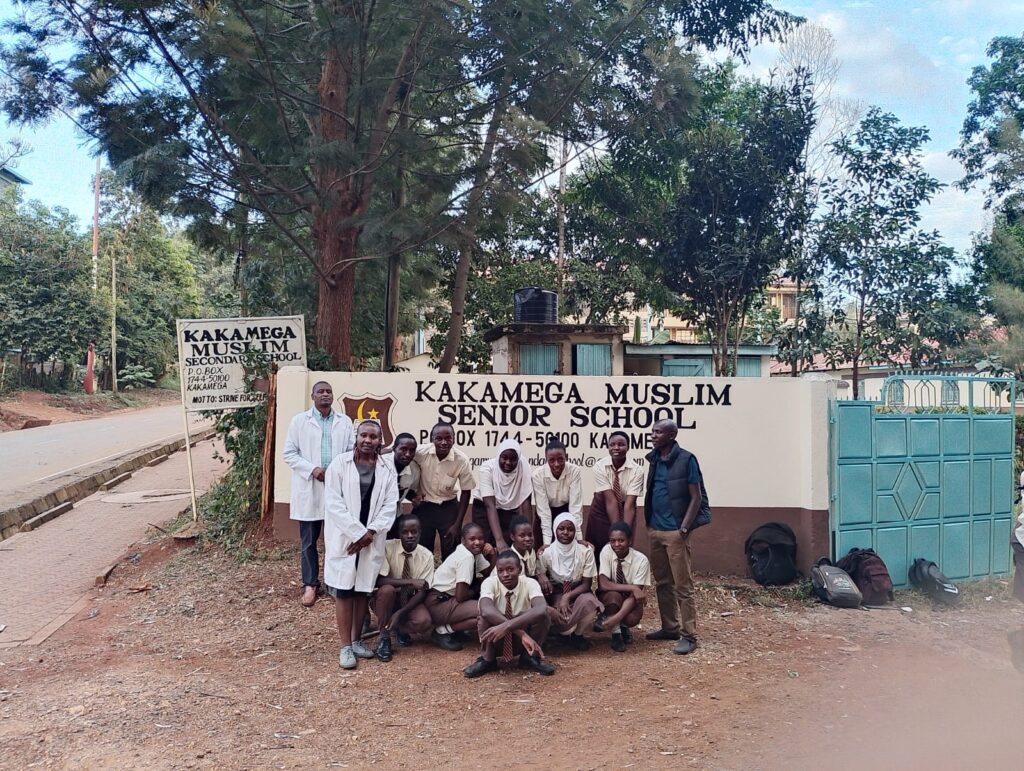
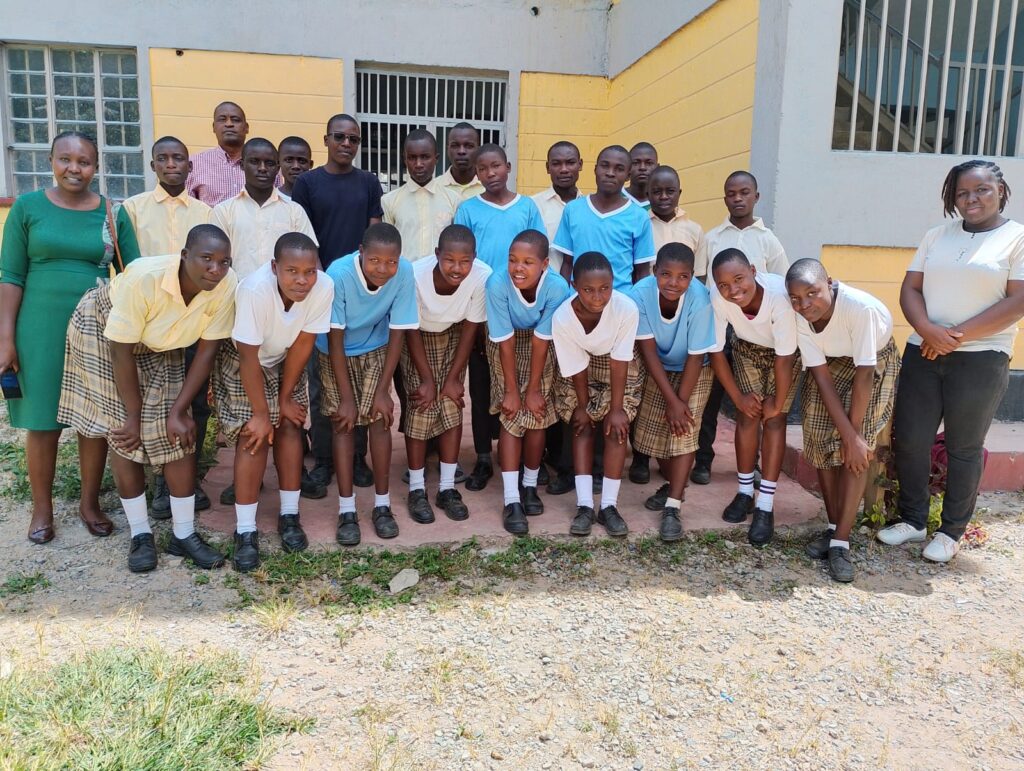
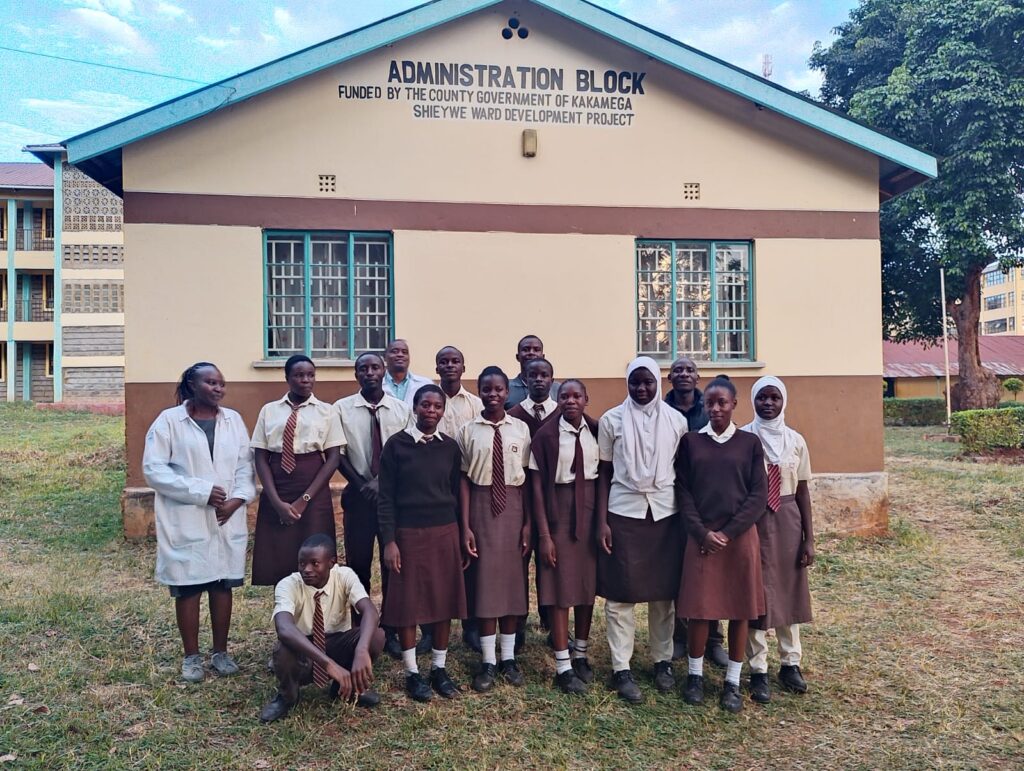
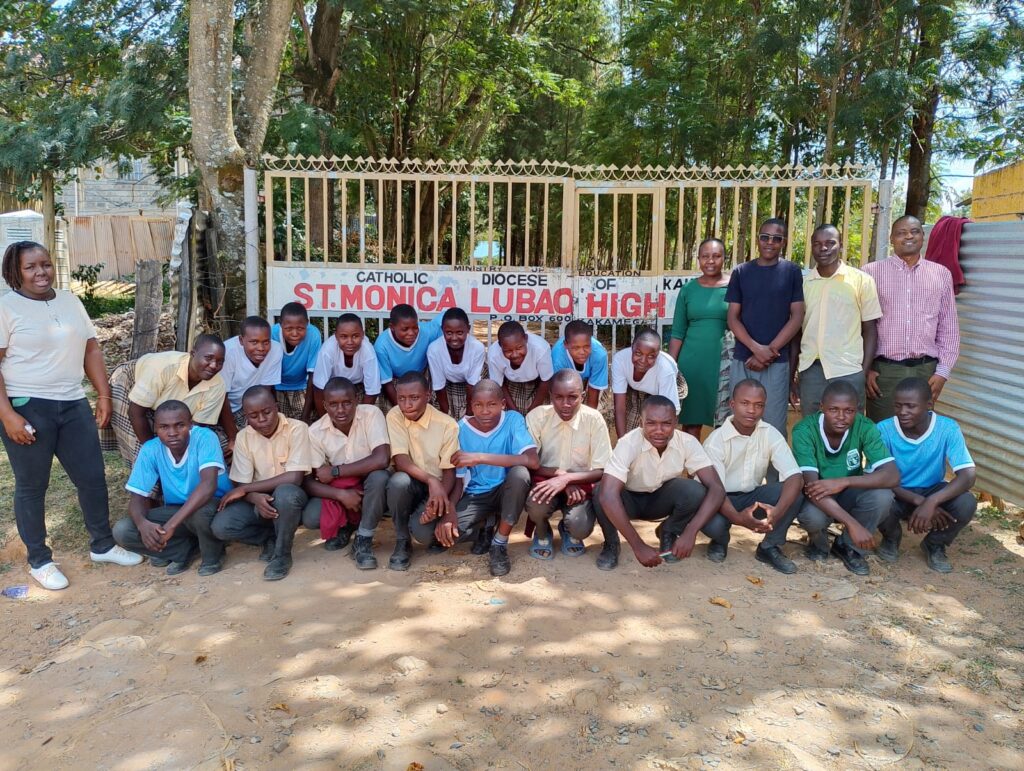
Since 19th January, 2026, the MMUST STEM Centre has been actively engaging students from six neighboring secondary schools on chemistry and physics concepts demonstrated through the soap-making process. The initiative introduces students to the science of saponification, allowing them to explore how chemical reactions and physical principles are applied in real-world product development. Participating schools include Kakamega Muslim Secondary School, St. Monica Lubao Secondary School, Ebwambwa Secondary School, Mwiyala Secondary School, St. Joseph’s Girls Secondary School, and Fesbeth Secondary School.
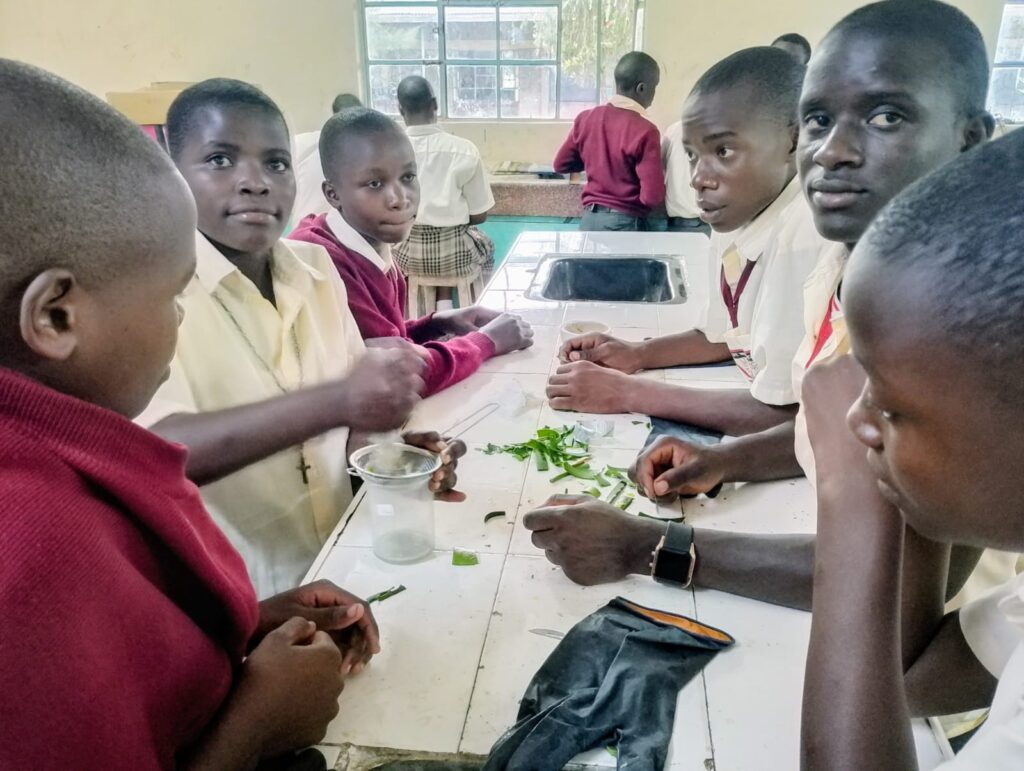
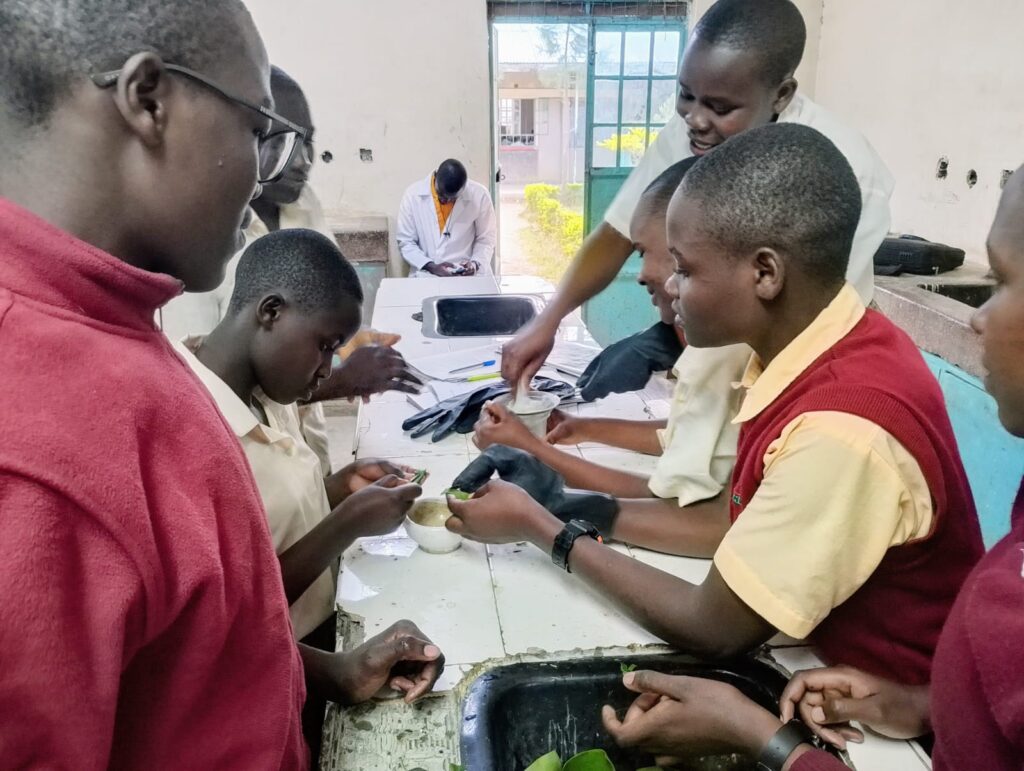
This soap-making capacity building initiative for young secondary school students is indeed a viable contribution to the country’s development agenda and the implementation of Competency-Based Education. The fact that students have been able to extract products from natural resources such as aloe vera and have formulated value-added soaps, shows the immense potential of such projects to create meaningful change in the society.


By Dr. Lydia Anyonje and Wangari Wambug