MMUST Researchers Pilot Climate Adaptation Assessment Tool as Experts Call for Action on Research Findings
Researchers from Masinde Muliro University of Science and Technology (MMUST) have commenced the piloting of the Climate-focused Organizational Capacity Assessment Tool (CO-CAT) under the ‘Understanding African Universities’ Capacity for Climate Adaptation Research’ (CLARE) Project, in a move aimed at strengthening universities’ capacity to generate, implement, and institutionalize climate adaptation solutions. The 3-day technical meeting, taking place from 3rd to 5th June, 2026, at Wigot Gardens in Kisumu County, has convened the MMUST CLARE CO-CAT research team, led by the Principal Investigator (PI), Dr. Edward Mugalavai, and Co-Principal Investigator (Co-PI), Prof. Josephine Ngaira, alongside researchers from the School of Disaster Management and Humanitarian Assistance (SDMHA), representatives from the Kakamega County Government’s Department of Disaster Management, and other key stakeholders involved in climate adaptation and resilience initiatives.
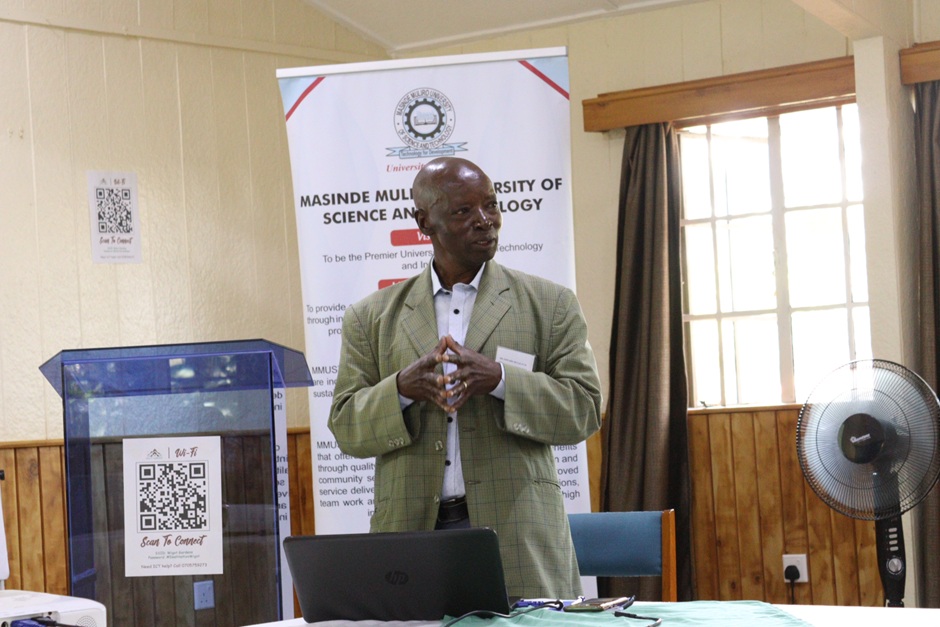
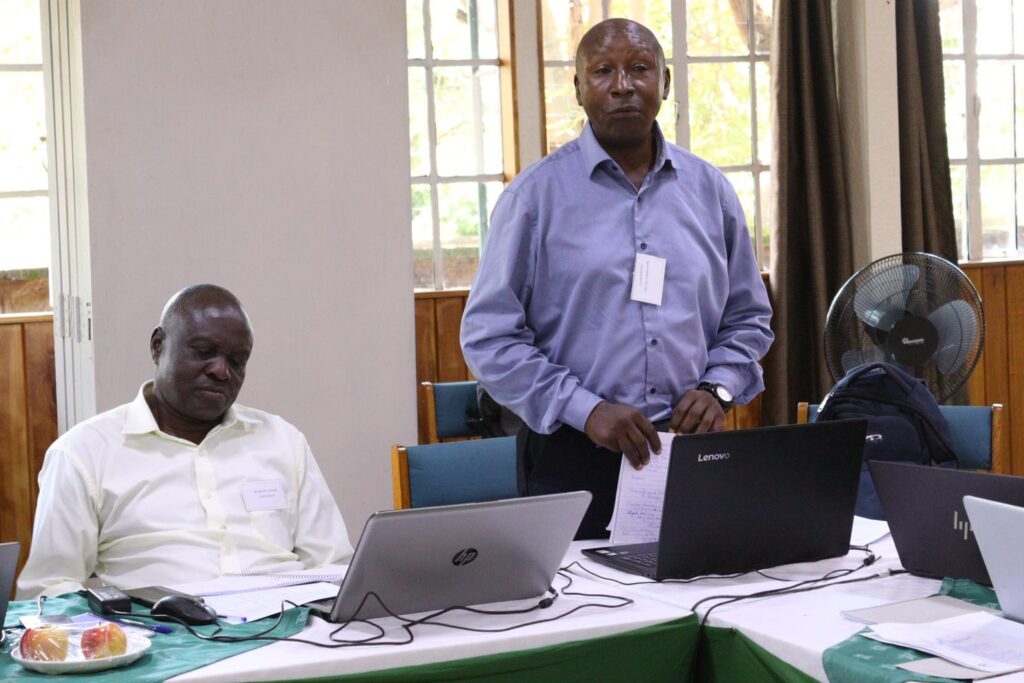
The MMUST CLARE CO-CAT Project PI, Dr. Edward Mugalavai speaks at the event.
“The CO-CAT Tool is a modular, role-sensitive, and evidence-based assessment framework that evaluates our institution’s capacity across ten interrelated competency domains critical to effective climate adaptation research and action, including, Climate Science & Technical Capability, Adaptation Science & Systems Thinking, Interdisciplinary & Cross-Sectoral Collaboration, Gender, Equality, & Inclusion (GEI), Policy & Institutional Engagement, Communication & Stakeholder Engagement, Leadership & Strategic Planning, Monitoring, Evaluation, Learning (MEL), Organisational Capacity Building, and Resource Mobilization. It provides us with a structured and evidence-driven means for us as an institution to identify our strengths, gaps, and opportunities in climate research and guide capacity-building interventions,” said Dr. Mugalavai, as he guided the participants through the process of identifying and generating evidence to support MMUST’s assessment under the CO-CAT framework.
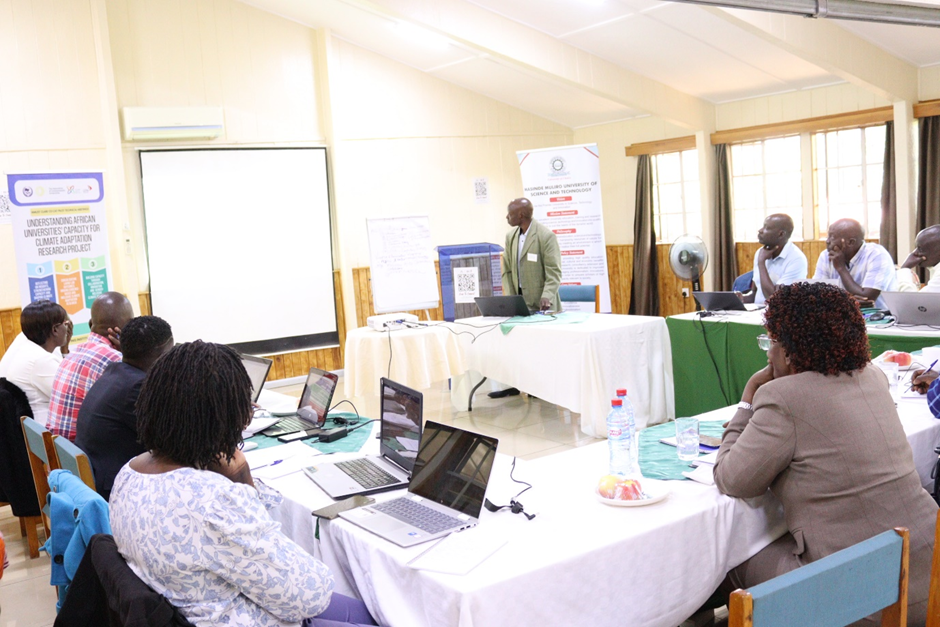
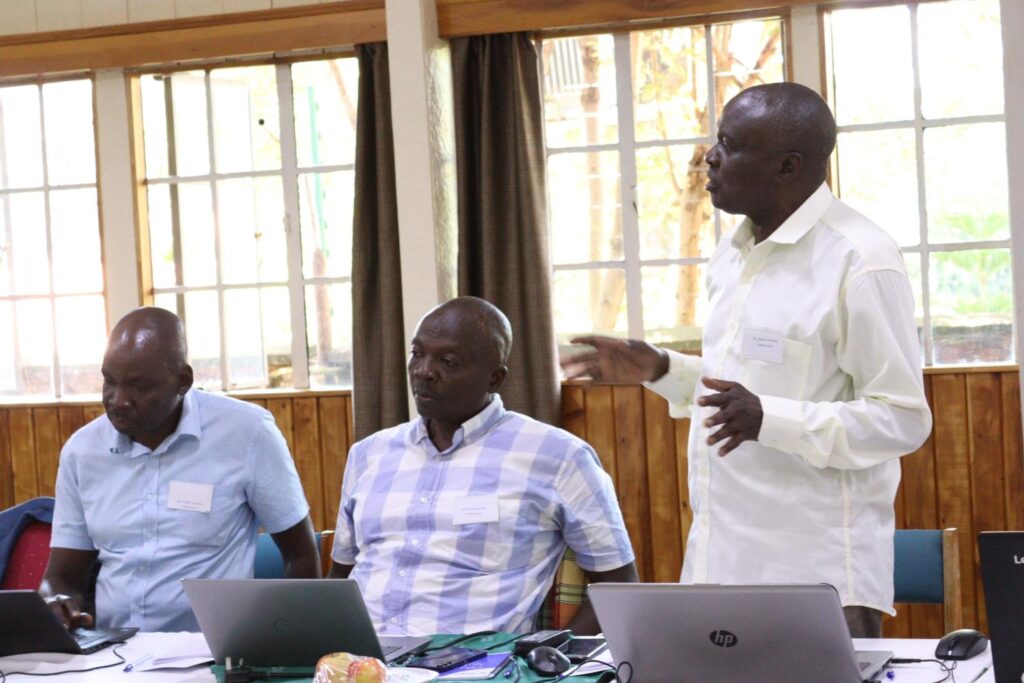
Dr. Edward Mugalavai participants in identifying and documenting evidence for the CO-CAT Tool.
Speaking during the official opening of the event, Prof. Josephine Ngaira stressed the urgency of translating climate adaptation research into practical interventions, saying that although African Universities have generated extensive knowledge on climate change, much of the research remains underutilized. She also observed that Africa bears a disproportionate burden of climate change impacts despite contributing the least to global carbon emissions.
“Many African universities have conducted valuable climate-related research, but the findings often end up on shelves instead of informing policy and practice. If we implemented these findings, we would be better prepared to address recurring challenges such as drought, desertification, and other climate-related disasters. The purpose of this technical meeting is to identify and document evidence of climate adaptation efforts within MMUST, including policies, statutes, structures, programmes, and institutional practices, while assessing their effectiveness and impact,” stated Prof. Ngaira.
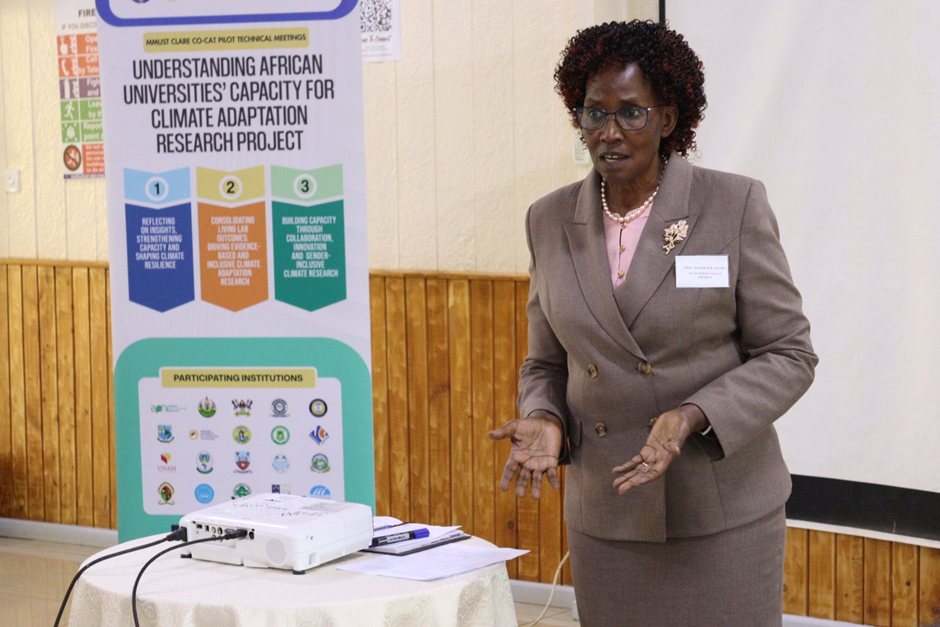
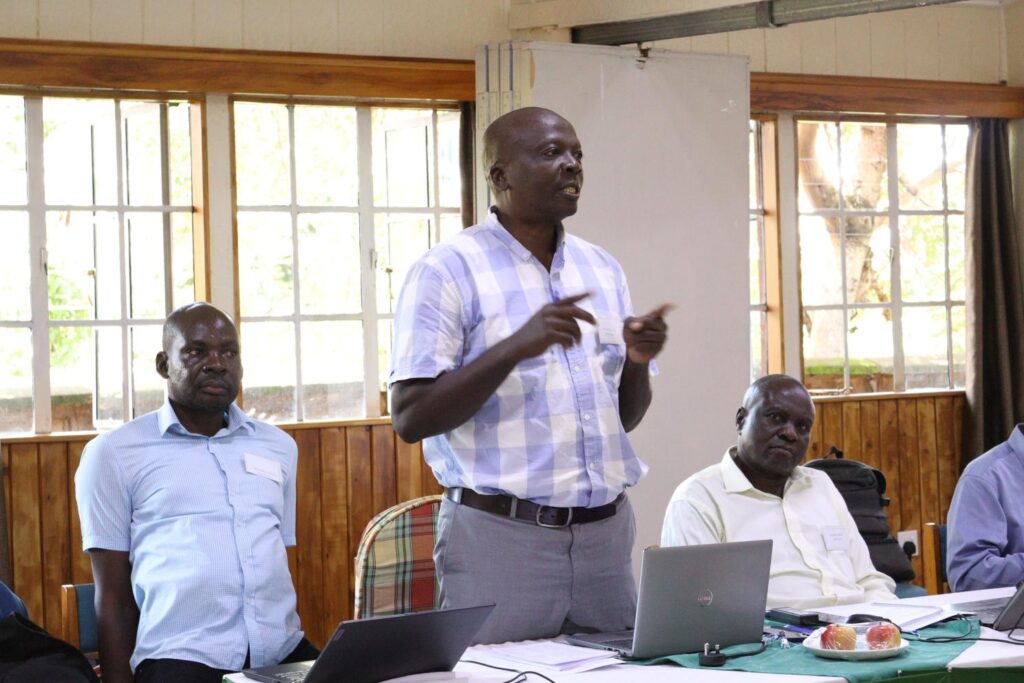
The Project’s Co-Principal Investigator, Prof. Josephine Ngaira, facilitating during one of the sessions.
Drawing inspiration from the late environmentalist and Nobel Peace Prize awardee Wangari Maathai, Prof. Ngaira further urged researchers to pursue meaningful societal impact, advising that climate adaptation efforts should focus on preventing and mitigating climate-related challenges, rather than merely responding to disasters after they occur. “Prof. Wangari Maathai is remembered not for the number of papers she published, but for the impact she made through the Green Belt Movement. Similarly, our research should not remain in publications; it should influence policies, institutions, and communities,” she remarked.
“The Division of Planning, Research and Innovation is the pillar for the development of the University. It has anchored MMUST globally through networks, grants, knowledge dissemination, and cutting-edge research,” noted Prof. Peter Bukhala. He congratulated the MMUST CLARE CO-CAT research team for successfully hosting the project’s inaugural international forum in 2025 in Nairobi.
While discussing the importance of the CLARE CO-CAT Project, he further noted that the initiative will provide African universities with an opportunity to assess their preparedness to address climate change challenges through research, teaching, and community engagement. He echoed prior sentiments, explaining that the assessment will help institutions identify existing capacity gaps in areas such as funding, infrastructure, expertise, technology, and institutional policies related to climate adaptation.
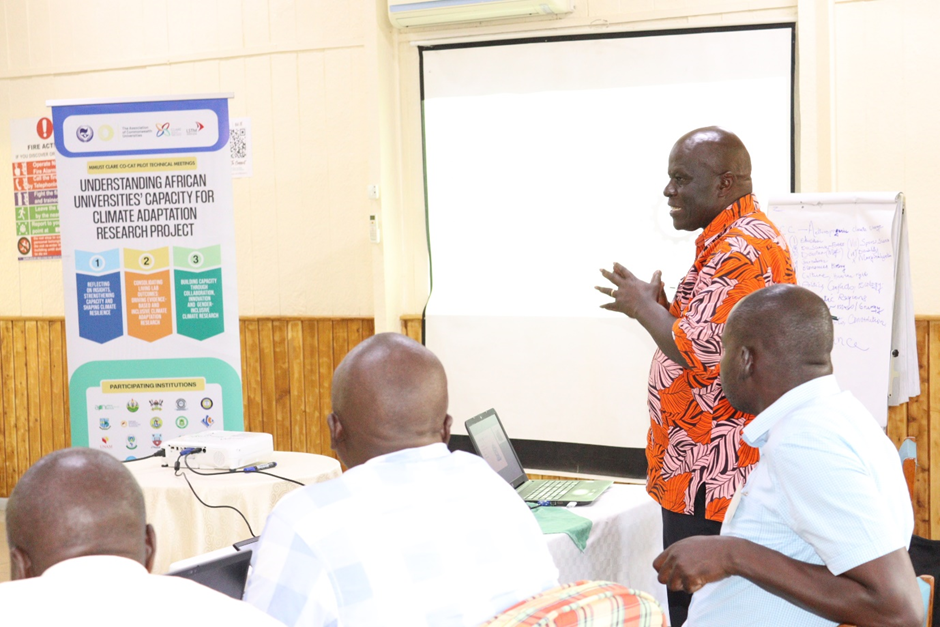
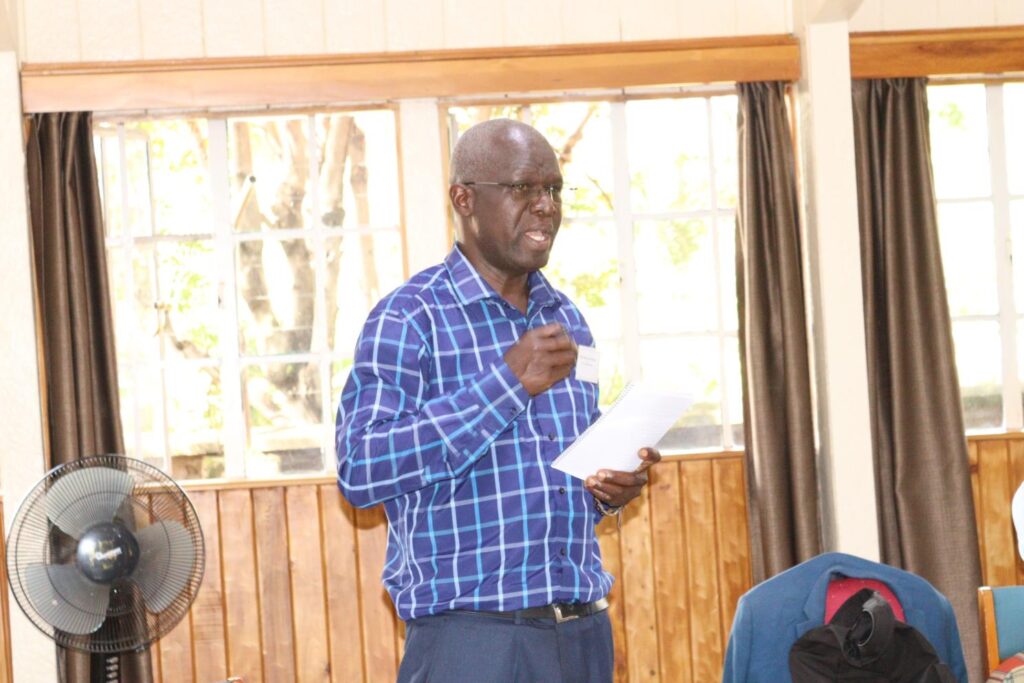
Prof. Peter Bukhala making a presentation during the event.
According to Prof. Bukhala, the findings generated through the project will contribute to strengthening climate-related research, informing curriculum development, and enhancing the integration of climate adaptation and sustainability concepts into academic programmes. He further challenged the research team to leverage innovative data collection approaches, including the Living Lab methodology, to build researchers’ capacity and generate practical solutions, which respond to emerging climate challenges and other areas of research.
“The skills we are gaining from this project is not only important for the current study but will also lay a foundation for future climate-related research and interventions within our institutions and communities,” he asserted.
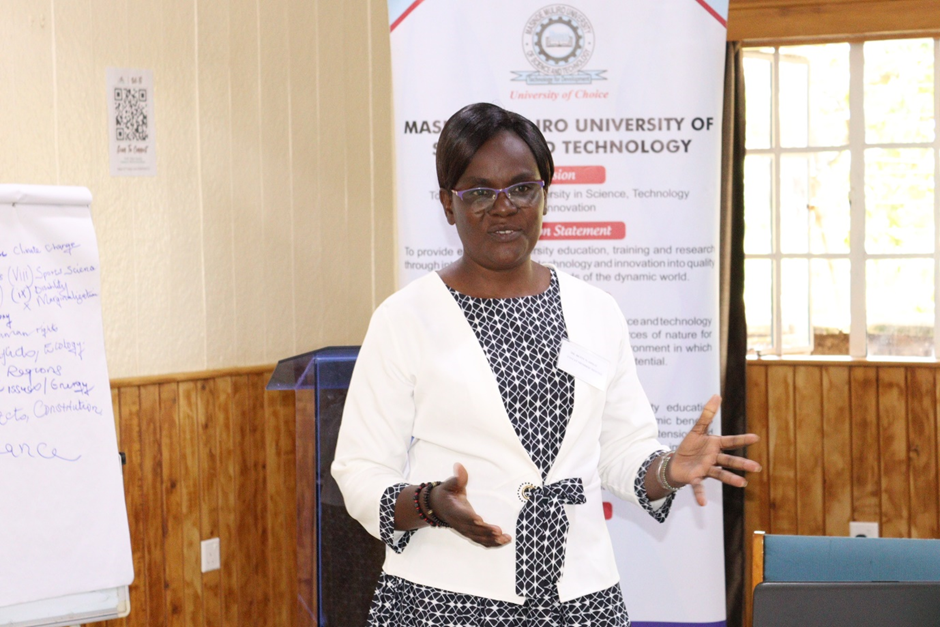
The Project’s mentee, Dr. Betty Opilo sharing her experience of the project.
Other presentations during the meeting included, ‘Mandate of the School of Disaster Management and Humanitarian Assistance in Supporting the Project’ by the Dean, Dr. Ferdinand Nabiswa, and ‘Experience of the Project’ by the Project mentee, Dr. Betty Opilo, who shared insights and lessons gained through her involvement in the initiative.
The deliberations continue today, with participants identifying and documenting evidence demonstrating MMUST’s capacity to generate, implement, and institutionalize climate adaptation solutions.
Story and Photos by Caren Nekesa