MMUST Researchers Conduct Capacity-Building for Primary School Teachers to Transform STEM Learning Through Astronomy
Masinde Muliro University of Science and Technology (MMUST) researchers spearheaded a two-day Teacher Capacity-Building Workshop on STEM and Astronomy for primary school teachers in Kisumu East Sub-county. The project titled ‘Inspiring STEM Engagement through the Support of Astronomy Programs in Primary Schools in Kisumu County, Kenya,’ is led by the Principal Investigator Prof. Boniface Ndinya. It seeks to enhance science learning among learners from Grade One to Grade Six by leveraging astronomy as an innovative and engaging entry point into environmental science and integrated science. The other members of the research team include Dr. Bernard Wakhu Rapando-Co-Principal Investigator, Dr. Philip Amuyunzu and Dr. Caroline Ayoti. This workshop held on 18th and 19th July 2026, at Shekinah Gardens-Kisumu, is supported through a €10,000 grant awarded by the International Astronomical Union (IAU) through its Office of Astronomy for Development (OAD).
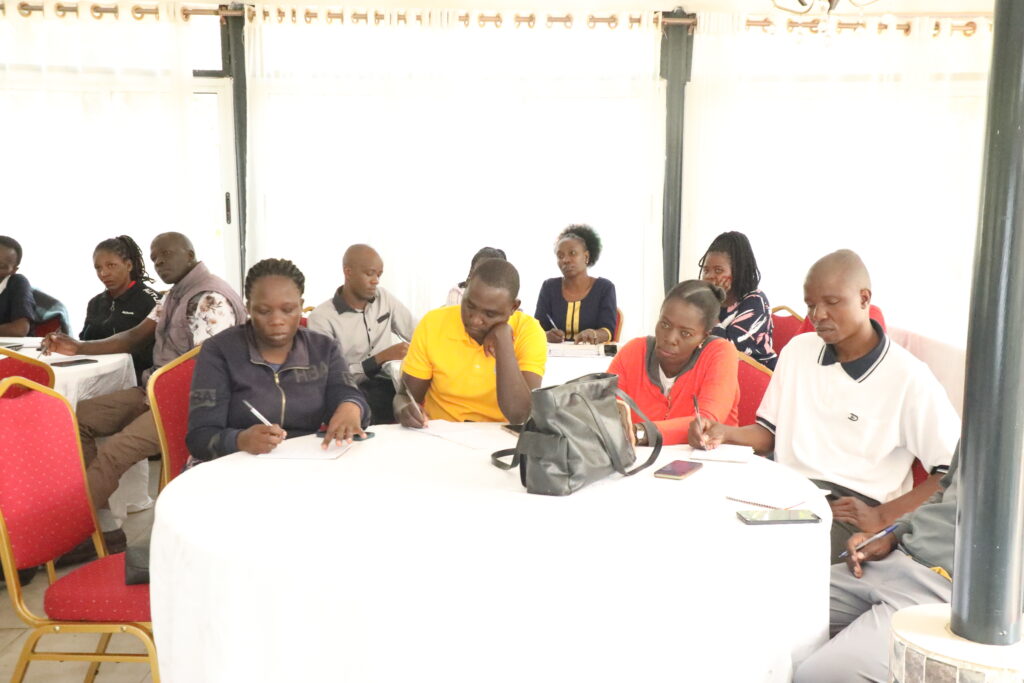
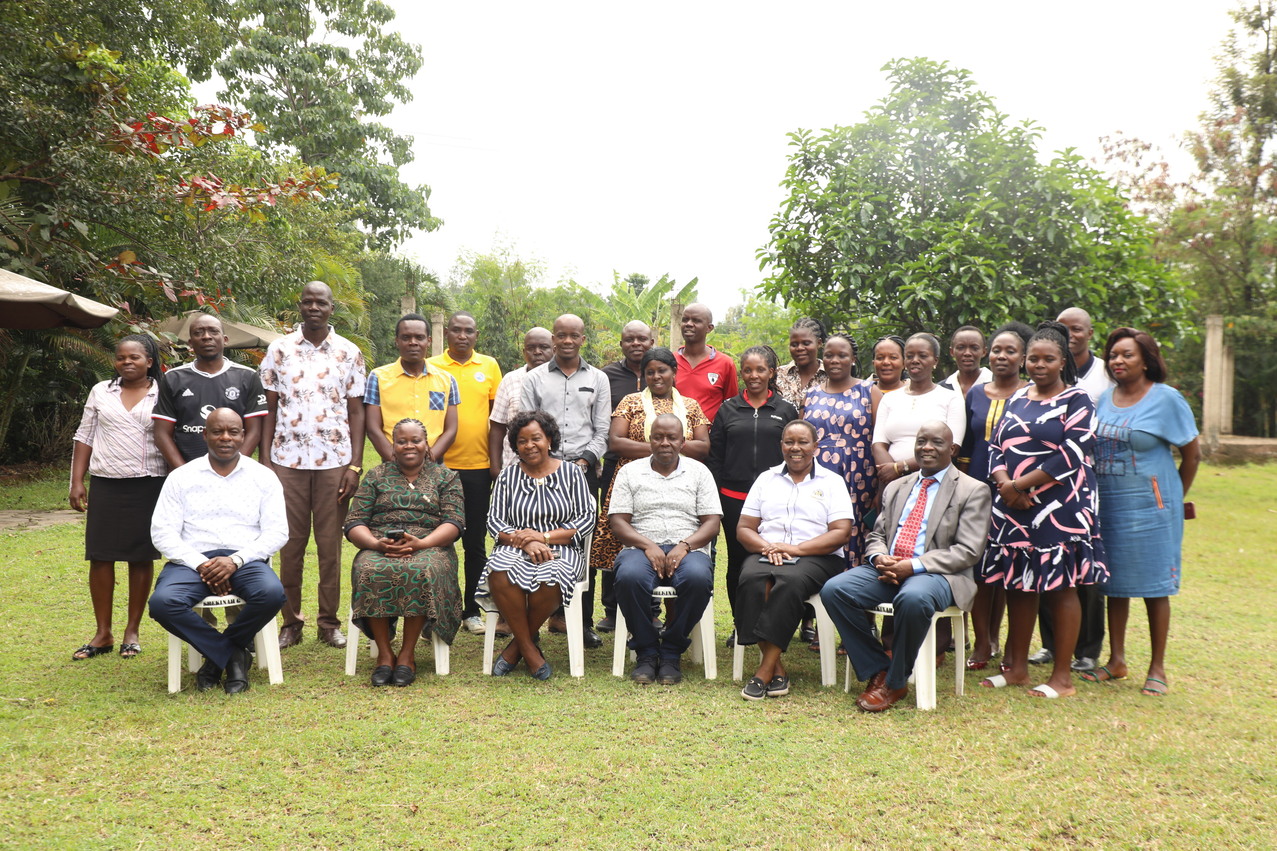
A section of the participants keenly follow the workshop presentation.
The event was graced by the Teachers Service Commission (TSC) Sub-County Director Ms. Ruth Ouma who lauded MMUST for extending its research beyond the University to equip teachers with learner-centred pedagogical approaches that foster scientific curiosity, creativity and critical thinking among young learners. Her counterpart Ms. Leah Ochuka- Curriculum Support Officer counterpart, encouraged the participants to take full advantage of the training by actively engaging in the learning sessions and applying the knowledge and skills acquired in their classrooms.
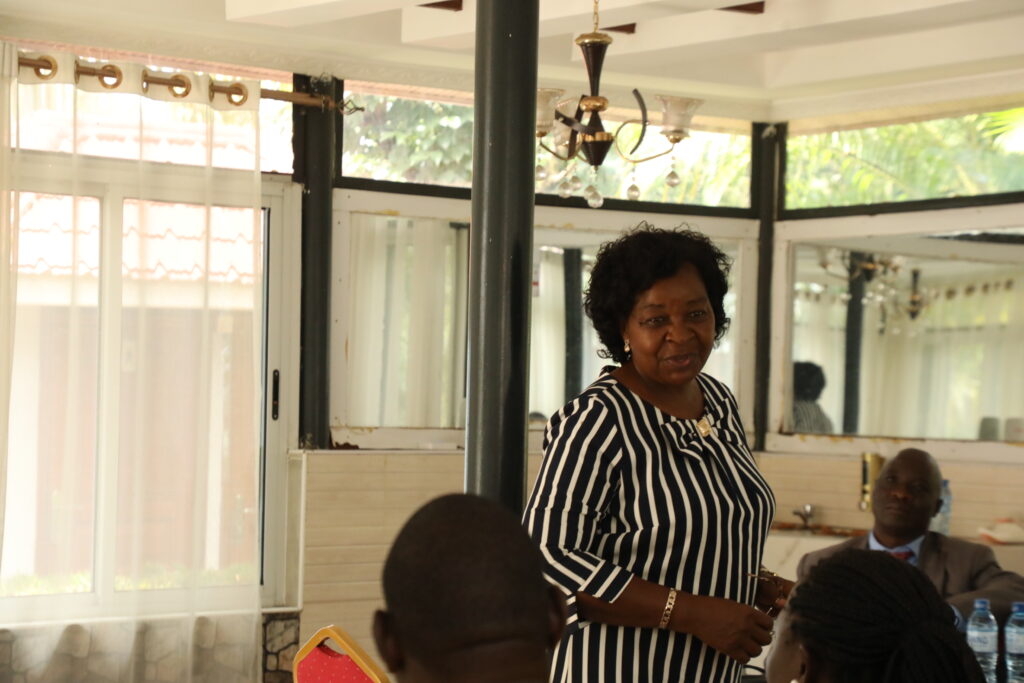
The Teachers Service Commission (TSC) Sub-County Director Ms. Ruth Ouma addresses participants.
Presenting the workshop objectives, Prof. Ndinya highlighted the project’s key findings, noting that learners have a strong interest in astronomy despite the subject being underrepresented in the school curriculum. He observed that many teachers require additional training to effectively deliver astronomy-related content and emphasized that astronomy provides an ideal context for implementing the Competency-Based Education (CBE) curriculum by nurturing inquiry, creativity, critical thinking and problem-solving skills.
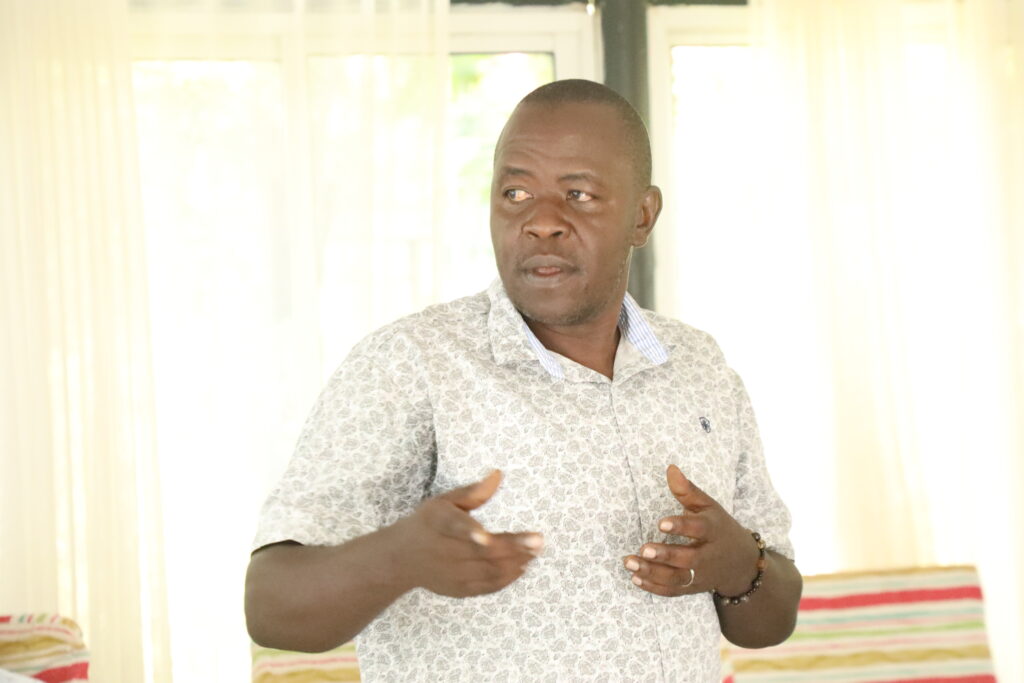
The Project Principal Investigator Prof. Boniface Ndinya makes a presentation during the workshop.
The workshop featured interactive presentations and practical demonstrations designed to enhance teachers’ capacity to integrate astronomy into classroom instruction using learner-centred approaches. During one of the interactive sessions on ‘Understanding the Sun, Earth and the Moon System,’ Dr. Amuyunzu encouraged teachers to adopt authentic assessment strategies aligned with the Competency-Based Education (CBE) curriculum. He advised them to assess learners through observation checklists, portfolios and peer assessment, noting that these approaches provide a more holistic evaluation of learners’ knowledge, practical skills and competencies.
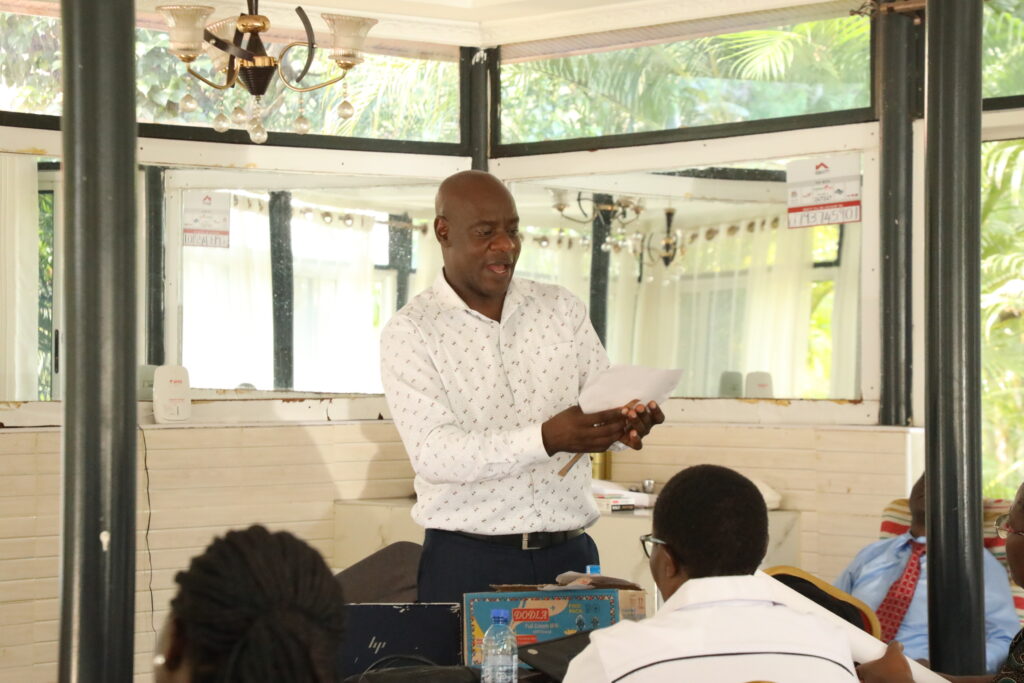
Dr. Philip Amuyunzu demonstrates a practical session during the event.
Similarly, Dr. Wakhu Rapando led a session on ‘Introduction to the Universe,’ where he emphasized that astronomy offers learners a unique opportunity to explore the origins, structure and vastness of the universe enabling them to develop critical thinking skills. He encouraged teachers to simplify complex astronomical concepts through practical demonstrations, locally available teaching resources and hands-on activities that spark learners’ curiosity and deepen their understanding of science. “ By any means CBE should not be allowed to degenerate into 8-4-4. Teachers should not cover the curriculum, they should uncover it to unravel the content to the learners, ” said Dr. Rapando.
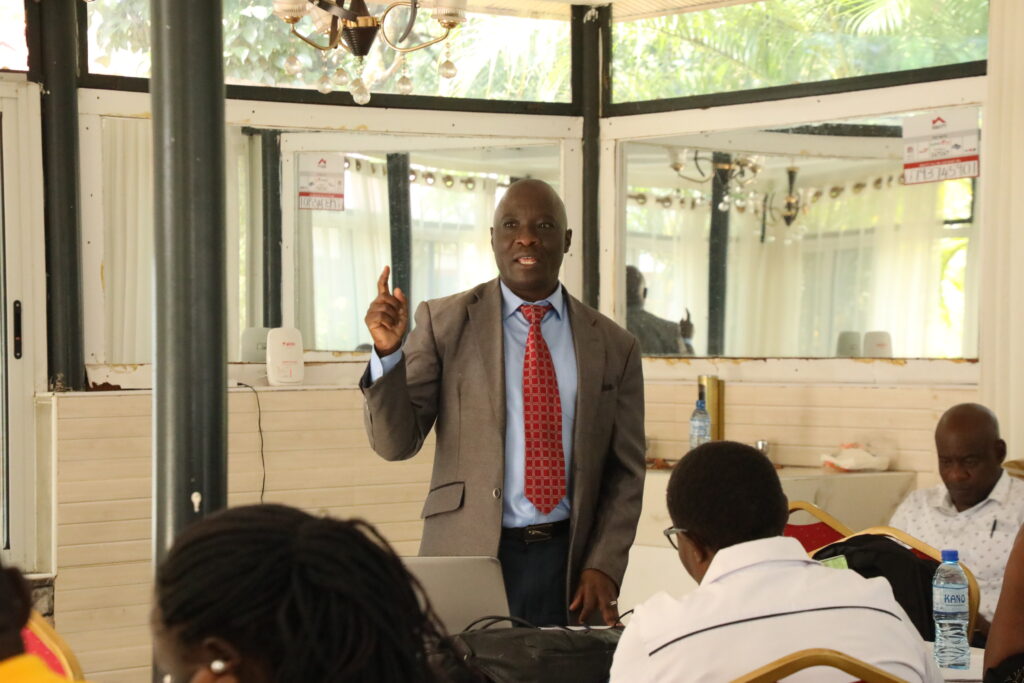
The Co-Principal Investigator-Dr. Bernard Wakhu Rapando stresses a point to the participants.
Speaking during one of the plenary sessions, Dr. Caroline Ayoti encouraged the teachers to adapt the innovative teaching approaches to their unique classroom contexts. She emphasized the importance of continuous collaboration among teachers, schools and the University in advancing quality STEM education through astronomy.
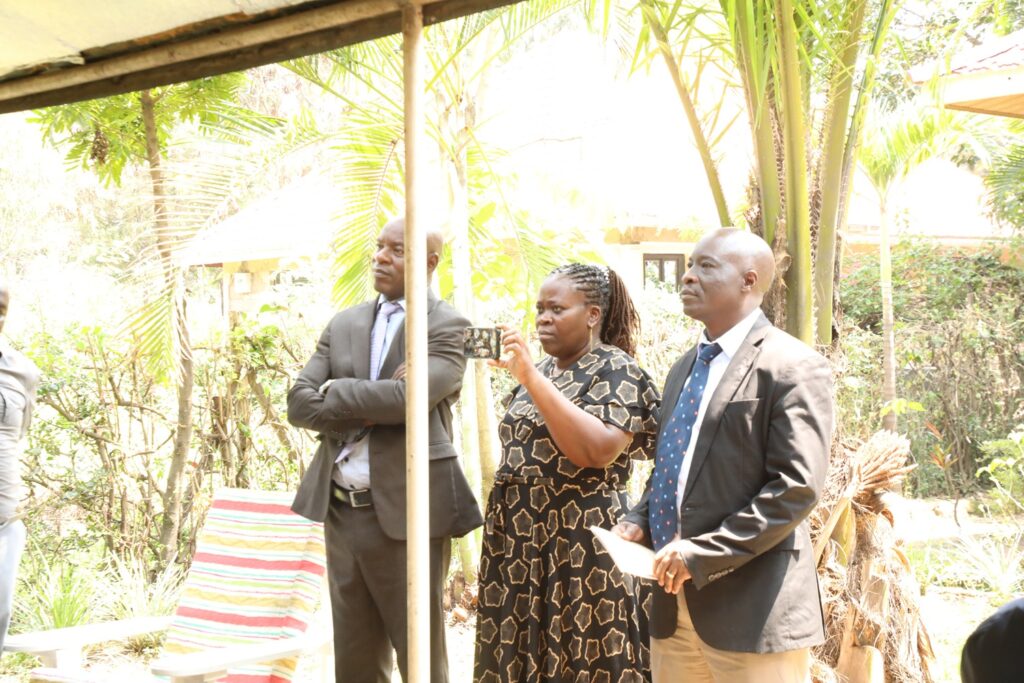
Dr. Philip Amuyunzu, Dr. Caroline Ayoti and Dr. Benard Rapando keenly follow a group presentation.
The second day of the workshop focused on practical application, with participants receiving hands-on training on the effective use of astronomy teaching kits to enhance classroom instruction. The researchers provided binoculars and other astronomy learning equipment to the participants. The teachers also engaged in inquiry-based STEM activities designed to demonstrate how astronomy concepts can be integrated into learner-centred lessons.
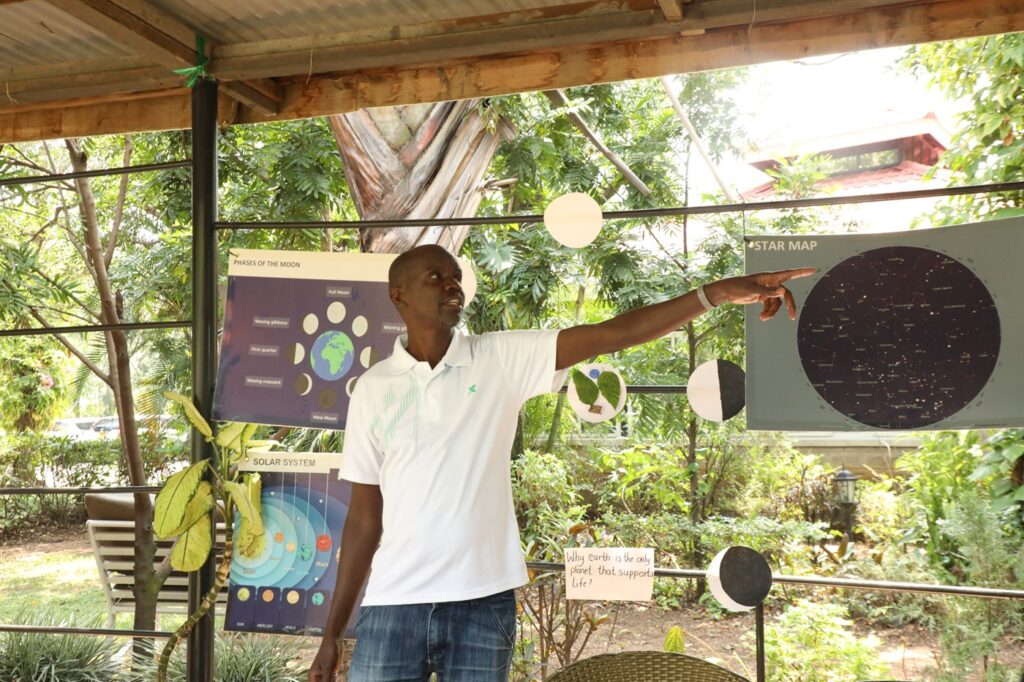
One of the participants makes a presentation during an interactive session.
In addition, participants explored strategies for establishing and sustaining astronomy clubs in their respective schools as platforms for nurturing learners’ curiosity, creativity and sustained interest in Science, Technology, Engineering and Mathematics (STEM).
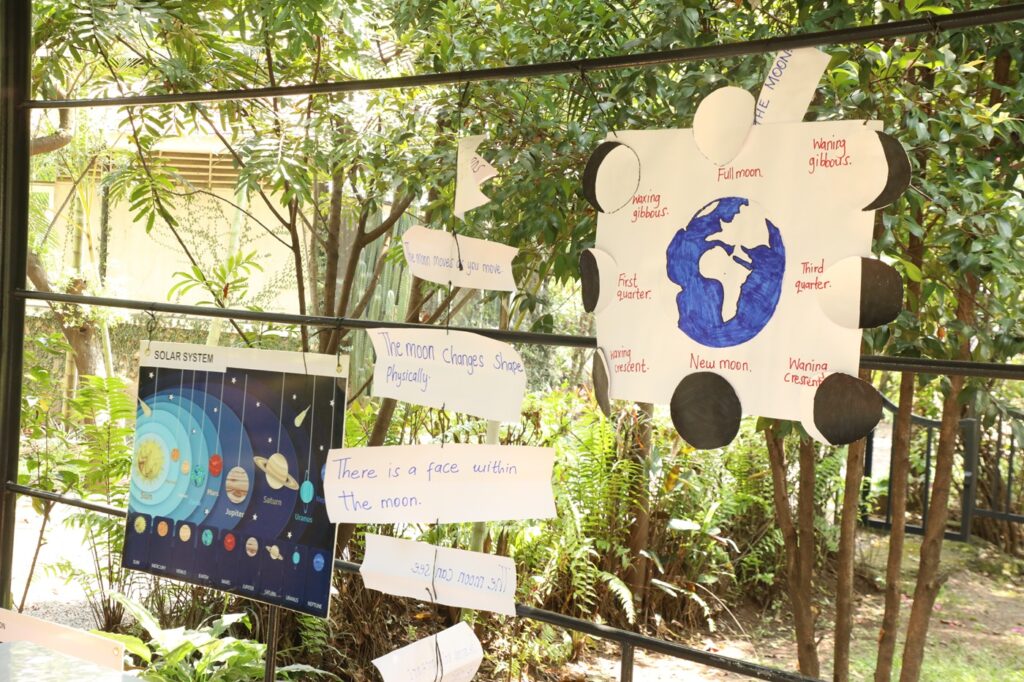
Astronomical learning kits prepared by the teachers.
The workshop forms part of MMUST’s commitment to community service and knowledge exchange. Through such initiatives, the University continues to work closely with schools and local communities to strengthen teaching capacity, promote innovative STEM education to inspire the next generation of scientists.
By Linet Owuor

You may also like