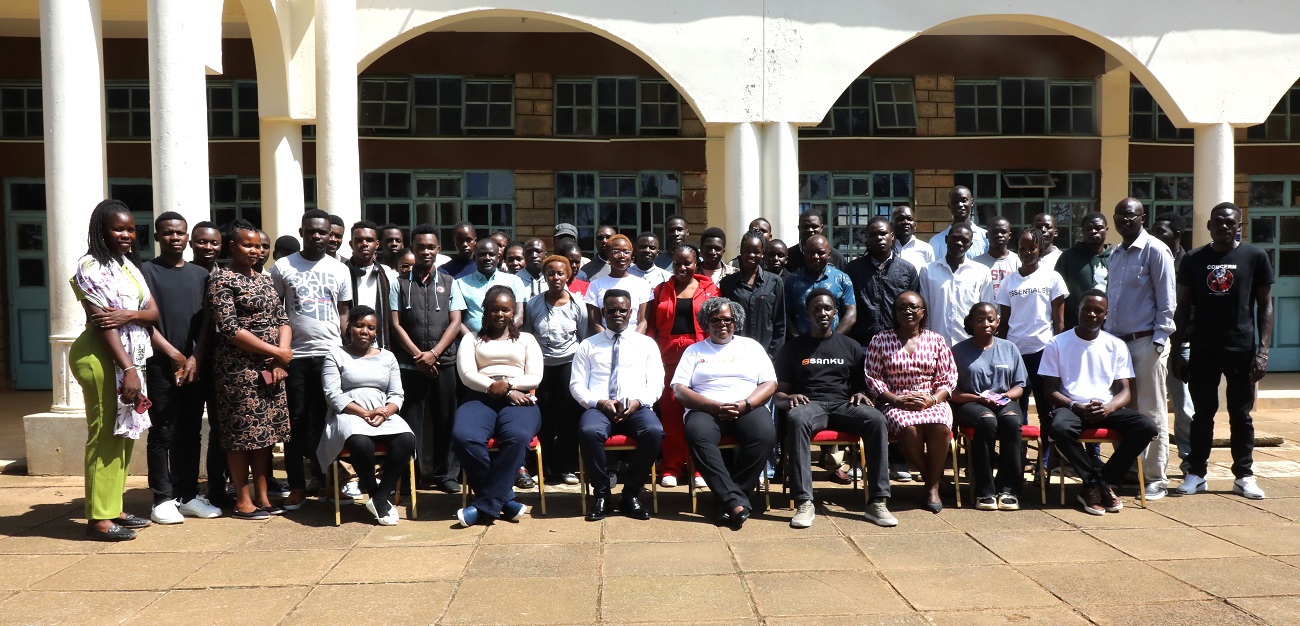
MMUST Hosts Sanku National Duka Survey Training Aimed to Advance Food Fortification Research in Western Kenya
Masinde Muliro University of Science and Technology (MMUST), through the School of Nursing, Midwifery and Paramedical Sciences (SONMAPS), today 23rd July 2026 hosted the Sanku National Duka Survey Research Assistants Training Programme. This training, coordinated by Dr. Damaris Ochanda, brought together 59 research assistants from ten counties across the Western and Nyanza regions including Bungoma, Busia, Homa Bay, Migori, Kisii, Nyamira, Kisumu, Siaya, Kakamega and Vihiga counties. Sanku, an international organization operating in Kenya, Tanzania and Ethiopia, with its headquarters in Westborough, USA. It is at the forefront of promoting food fortification to increase access to essential vitamins and minerals through partnerships with governments, private sector millers and academic institutions.
The training is part of the Sanku’s nationwide initiative aimed at assessing the availability and market penetration of fortified maize and wheat flour brands across all 47 counties in Kenya. The survey is expected to generate evidence that will strengthen food fortification efforts, inform strategic business development, and support national initiatives to address malnutrition. The event was officially opened by the Dean, School of Nursing, Midwifery and Paramedical Sciences -Mr. John Arudo. He emphasized that the National Duka Survey will generate valuable evidence to strengthen food fortification initiatives and improve nutrition outcomes across Kenya. He commended Sanku for partnering with institutions of higher learning in implementing the project.
Reiterating the Dean, Dr. Damaris applauded Sanku for partnering with universities in the implementation of the National Duka Survey. She noted that universities are hubs of research and innovation, making them ideal partners in initiatives that seek to address national development challenges. Dr. Ochanda noted that the collaboration will not only generate credible data to inform food fortification but will also enhance the University’s contribution to improving public health and nutrition outcomes across the country.
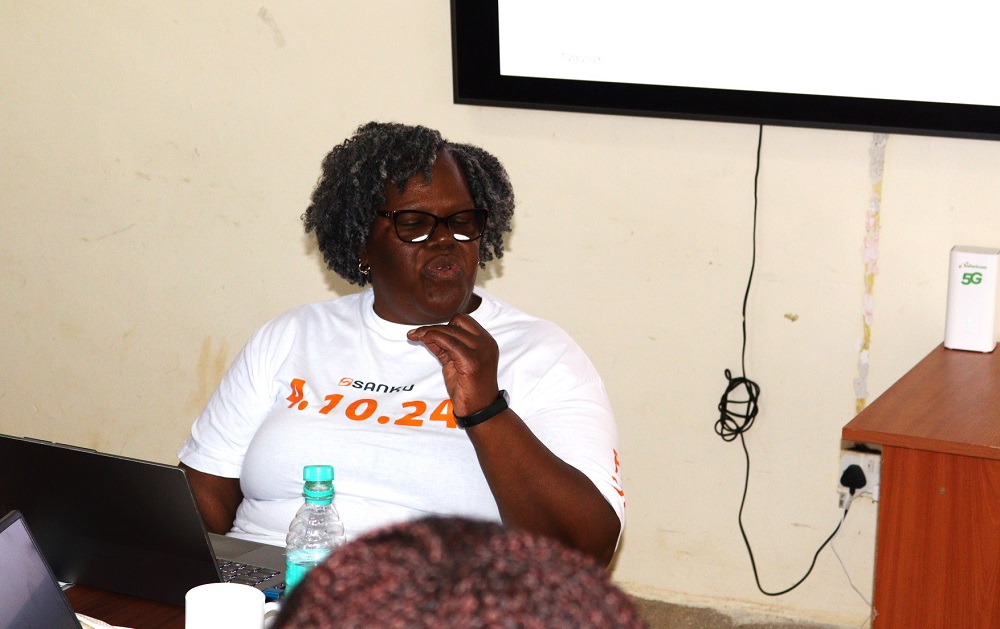
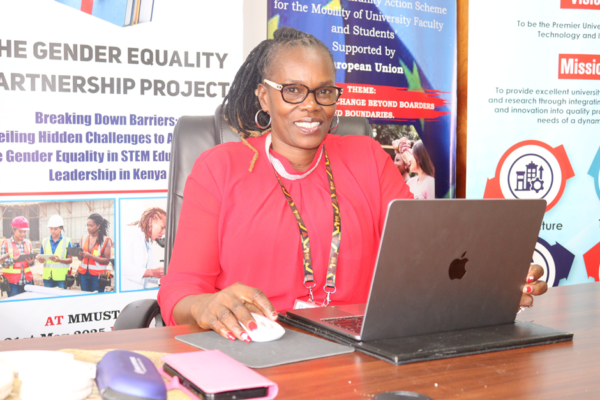
Ms. Purity Chebet from Sanku makes a presentation during the training.
Presenting during the training, Ms. Purity Chebet from Sanku took the research assistants through the CommCare mobile data collection platform, equipping them with the practical skills required to accurately collect, capture and submit survey data in the field. She emphasized the importance of maintaining high standards of data quality, accuracy and professionalism throughout the exercise. Ms. Chebet also encouraged the participants to serve as good ambassadors for food fortification by helping to raise awareness of its role in addressing micronutrient deficiencies to improve the health and nutrition of communities, particularly among children and pregnant women.
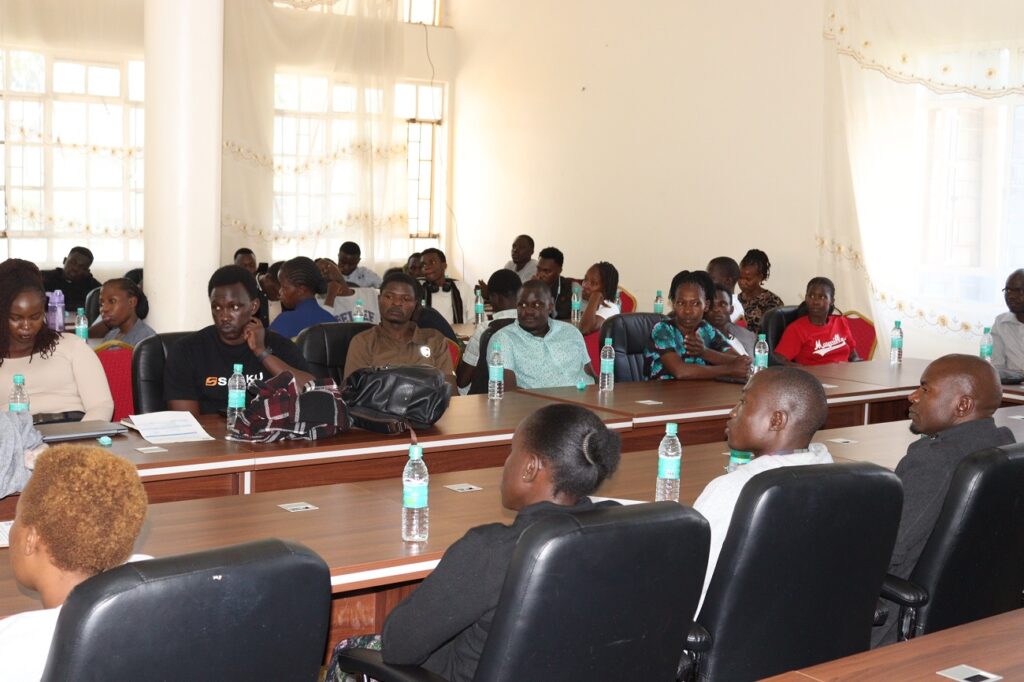
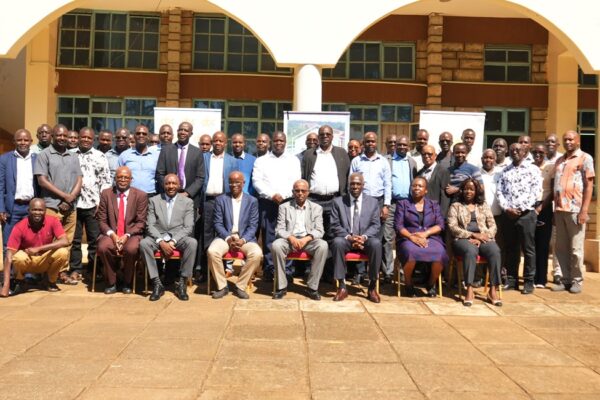
A section of the participants during the training.
The other notable personalities present during the training included the Nyanza and Western Region Project Coordinator, Ms. Felistus Mutambi, Ms. Emma Moraa and Mr. Dennis Maiyo, who led various technical sessions during the training.
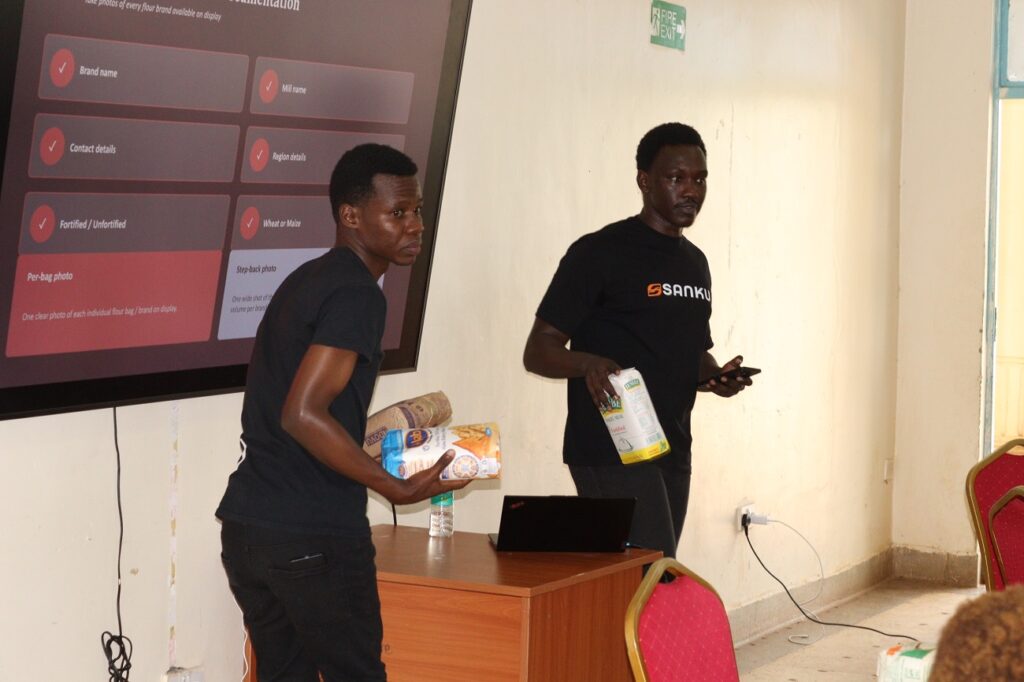
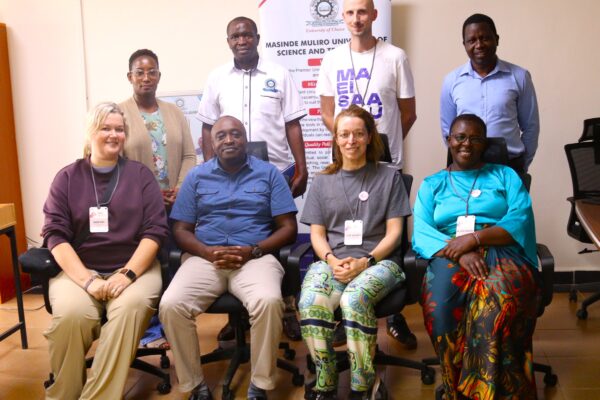
Other facilitators from SANKU engage the participants at the training.
Malnutrition continues to pose a significant public health challenge across Africa, with millions affected by undernutrition, micronutrient deficiencies, and the increasing prevalence of overnutrition. In Kenya, maize and wheat flour remain staple foods for most households, making food fortification one of the most cost-effective interventions for improving nutritional outcomes, particularly among children and pregnant women.
By Linet Owuor and Griffin Okwaro
Photos by Griffin Okwaro