MMUST Commemorates UNESCO World’s Indigenous Peoples Day, Honoring Traditional Midwifery and Cultural Heritage
On 10th August 2026, Masinde Muliro University of Science and Technology (MMUST) joined the global community in commemorating the UNESCO International Day of the World’s Indigenous Peoples. The event’s theme ‘Honoring Indigenous Midwives: Safeguarding Life and Well-being,’ featured the indigenous Ogiek, Kony, Sengwer, Aror, Talai and Marakwet communities to celebrate indigenous knowledge, cultural heritage (Isukuti dance), maternal health, forest conservation and community well-being. This exciting event was organized by the Institute of Indigenous Knowledge, Cultural Studies and Climate Change- (IIKCSCC) led by the Director, Prof. Josephine Ngaira. The commemoration provided a platform to recognize the invaluable contribution of indigenous communities whose knowledge, expertise and practices have not been adequately exposed for Identification, preservation, documentation and recognition.
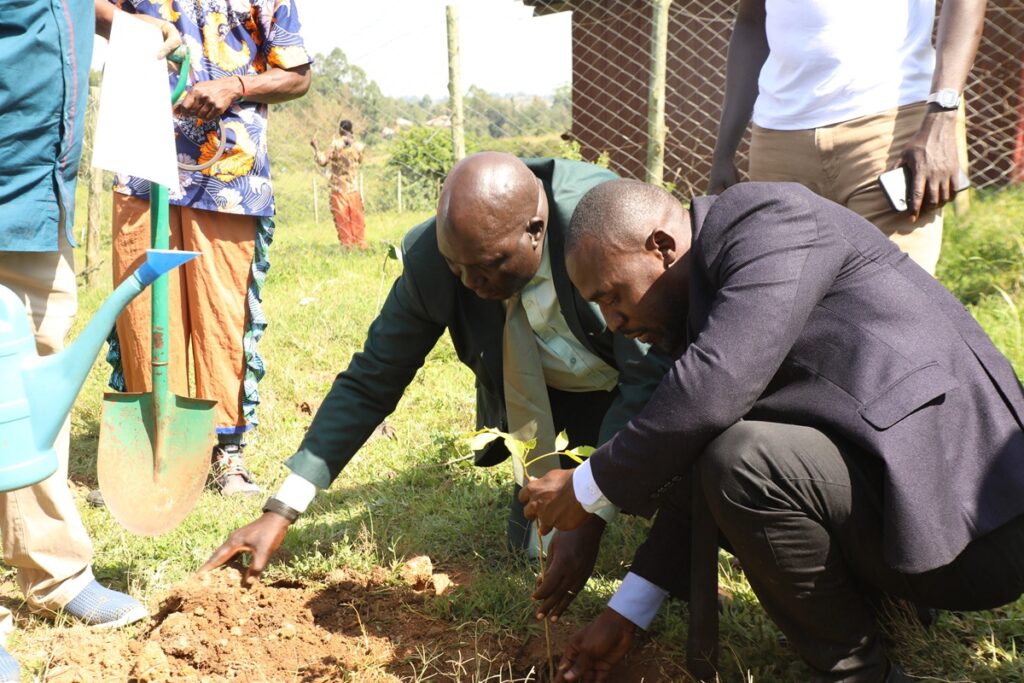
The DVC-PRI-Prof. Christopher Ngacho plants a tree at the MMUST’s Approved grounds.
The event commenced with planting of the 2200 indigenous tree seedlings at the Approved school grounds as part of the University’s commitment to fulfilling the Presidential directive of planting 15 billion trees by the year 2032. The tree-planting session was coordinated by Dr. Edward Mugalavai, (Coordinator of the Greening Initiative). This exercise was led by the Deputy Vice Chancellor, Planning, Research and Innovation- Prof Christopher Ngacho. Other participants included Director IIKCSCC Prof. Josephine Ngaira, Prof. Peter Bukhala, Dr. Dennis Ochieno, Dr. Lydia Anyonje, Dr. Peter Cherop, Dr. Betty Opilo; the Kenya Forest Service (KFS) represented by Mr. Stephen Chessa, KVSO represented by Mr. Linus Omondi, Dr. Majimbo Benedictoh (herbalist) and members of the Indigenous communities (Ogiek, Sengwer, Talai, Aror, Kony, Marakwet). For indigenous communities, trees and forests are a source of cultural identity, food security, medicine and livelihoods.
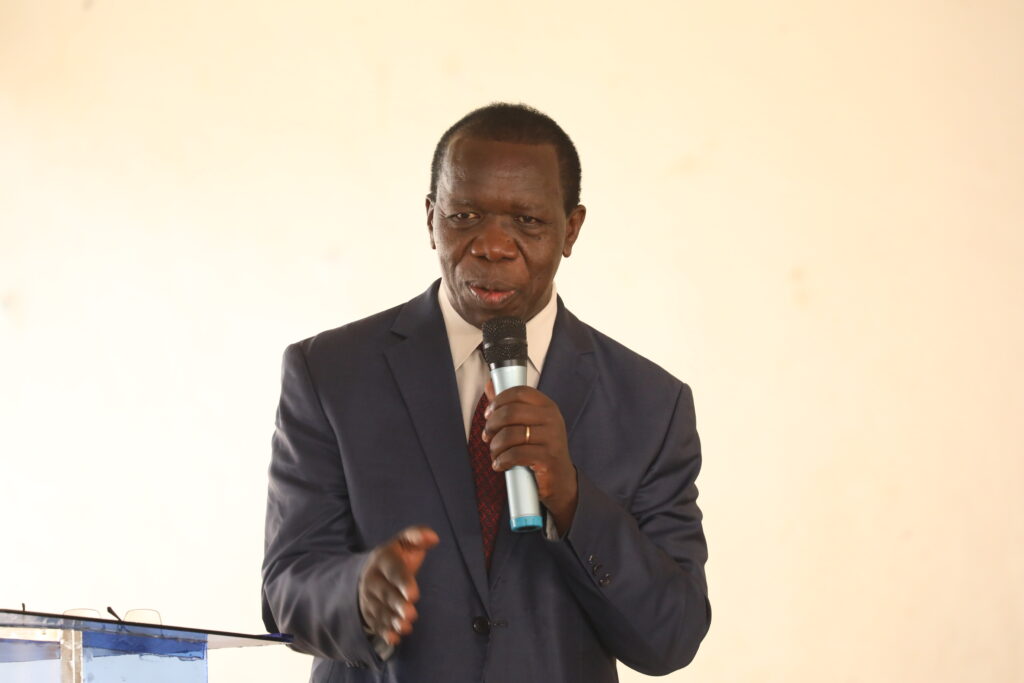
The Vice Chancellor, Prof. Solomon Shibairo addresses participants at the event.
The event was graced by the Vice Chancellor, Prof. Solomon Shibairo, who delivered the keynote address, highlighting the importance of bridging academic and medical training with indigenous knowledge systems. Prof. Shibairo noted that indigenous knowledge constitutes a valuable repository of community-based experience and expertise that can complement contemporary academic, medical and scientific knowledge when appropriately researched, documented and applied. He called for stronger collaboration between universities and indigenous communities to facilitate knowledge exchange, research and innovation to ensure that indigenous knowledge is respected, preserved and transmitted to future generations.
The DVC-PRI-Prof. Christopher Ngacho speaks at the event.
Reiterating the Vice Chancellor’s sentiments, the Deputy Vice Chancellor, Planning, Research and Innovation (DVC-PRI), Prof. Christopher Ngacho, underscored the need for the University to strengthen research, innovation and documentation of indigenous knowledge systems, noting that such efforts can contribute significantly to preserving the rich cultural heritage and knowledge of indigenous communities.
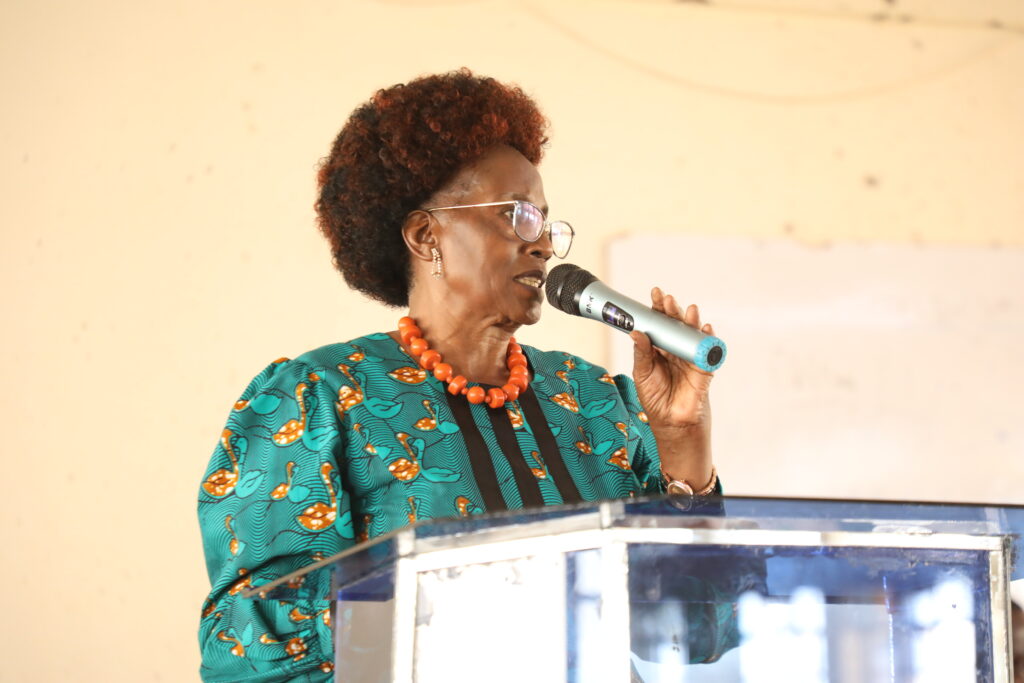
The Director- (IIKCSCC), Prof. Josephine Ngaira makes a presentation during the event.
Presenting on the importance of this celebration, the goals and objectives of IIKCSCC, Prof. Josephine Ngaira highlighted the commitment of the institute to preserving the rich cultural heritage while advancing innovative, community-driven solutions to the challenges of climate change. She emphasized that the goals of the institute center around empowering grass-root communities to protect their cultural heritage, building bridges between indigenous wisdom and modern scientific innovations, driving local and global climate action through culturally rooted solutions to promote sustainable development and, strengthen the recognition and application of indigenous knowledge systems.
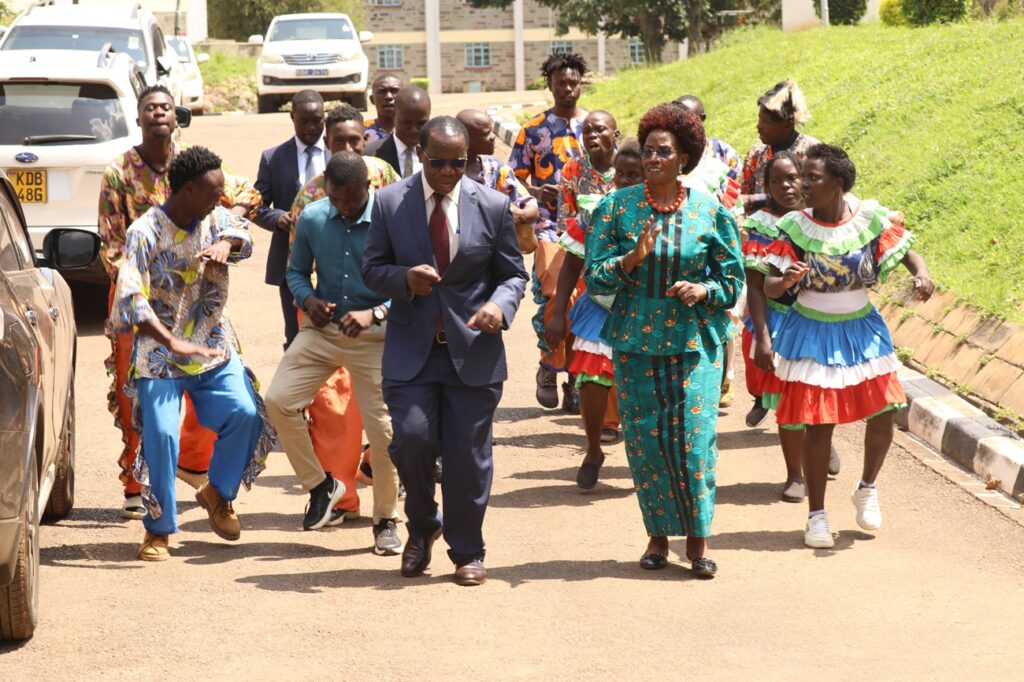
The Vice Chancellor, Prof. Solomon Shibairo and the Director- (IIKCSCC) Prof. Josephine Ngaira accompanied by Isukuti dancers arrival at the event.
She noted that the Directorate’s mandate is closely aligned with UNESCO’s Local and Indigenous Knowledge Systems (LINKS) programme, which recognizes the critical role of indigenous and local knowledge in addressing contemporary environmental, social and developmental challenges. Prof Ngaira emphasized that commemorating the UNESCO 9th August raises global awareness of indigenous peoples’ rights, protects cultural heritages, promotes equality and protects against marginalization of the indigenous peoples who make up only 6% of the global population and represent about 15% of the extremely poor global population.
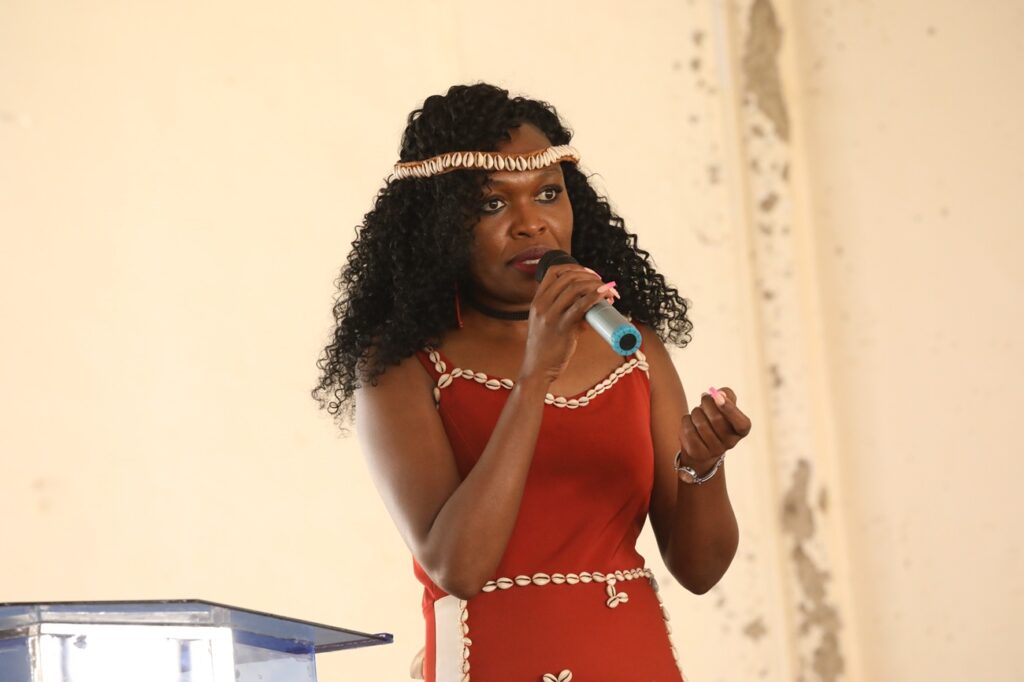
The Director of the Science Park, Innovation and Incubation Centre (SPIIC), Dr. Tecla Sum speaks at the event.
The Director of the Science Park, Innovation and Incubation Centre (SPIIC), Dr. Tecla Sum, moderated a panel discussion featuring the Ogiek, Sengwer, Aror, Talai, and Marakwet indigenous midwives who shared and demonstrated oral histories and lived experiences on traditional maternal healthcare practices. The discussion explored a range of topics, including prenatal and postnatal care, the use of forest-based medicines, traditional practices and rituals surrounding childbirth, paternity identification, family planning and the intergenerational transmission of indigenous knowledge. Dr. Sum appreciated the University Management for recognizing, inviting and giving a platform to indigenous communities living in the forests to share their rich cultural practices with the University community, describing the initiative as a novel and important step towards preserving and promoting indigenous knowledge systems.
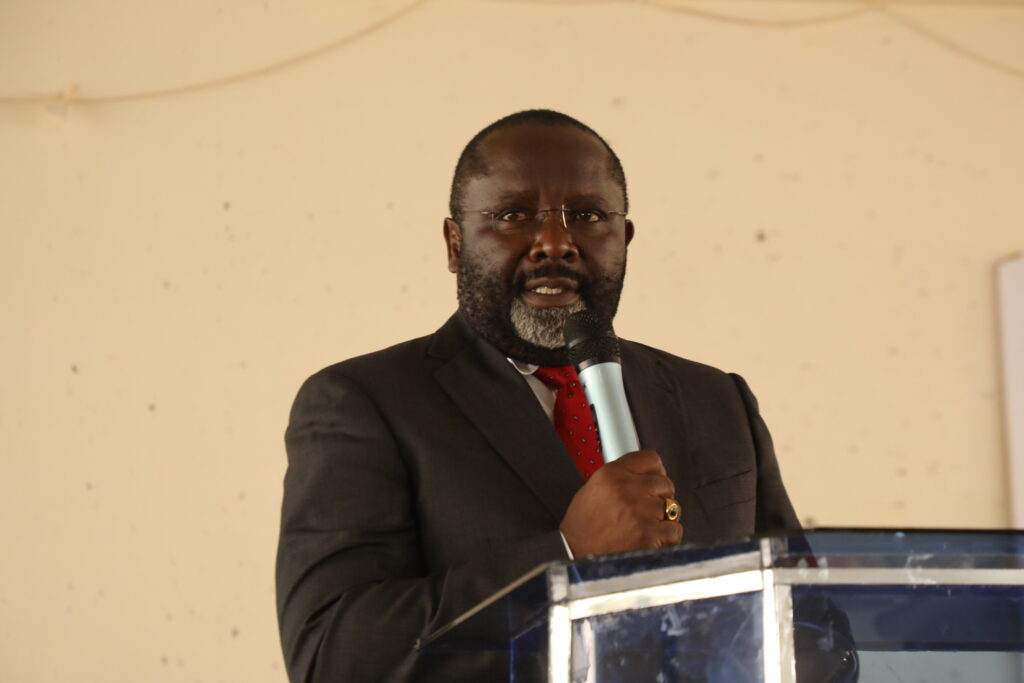
Mr. James Wakungwi Sakwa makes his remarks at the celebration.
Mr. James Wakungwi Sakwa, (Chairperson of the Kakamega County Public Service Board), who presented on ‘Kakamega Forest governance and cultural practices. Stressed the importance of involving local and indigenous communities in forest conservation and protecting the cultural practices and knowledge associated with the forest.
Dr. Majimbo Benedictoh, a herbalist from Kakamega County, delivered an engaging presentation, sharing indigenous approaches to preserving Kakamega Forest. He highlighted traditional methods used by local communities to protect and sustainably use the forest through preservation of medicinal and fruit trees, shrines for cultural ceremonies and only collecting firewood from old and dry trees.
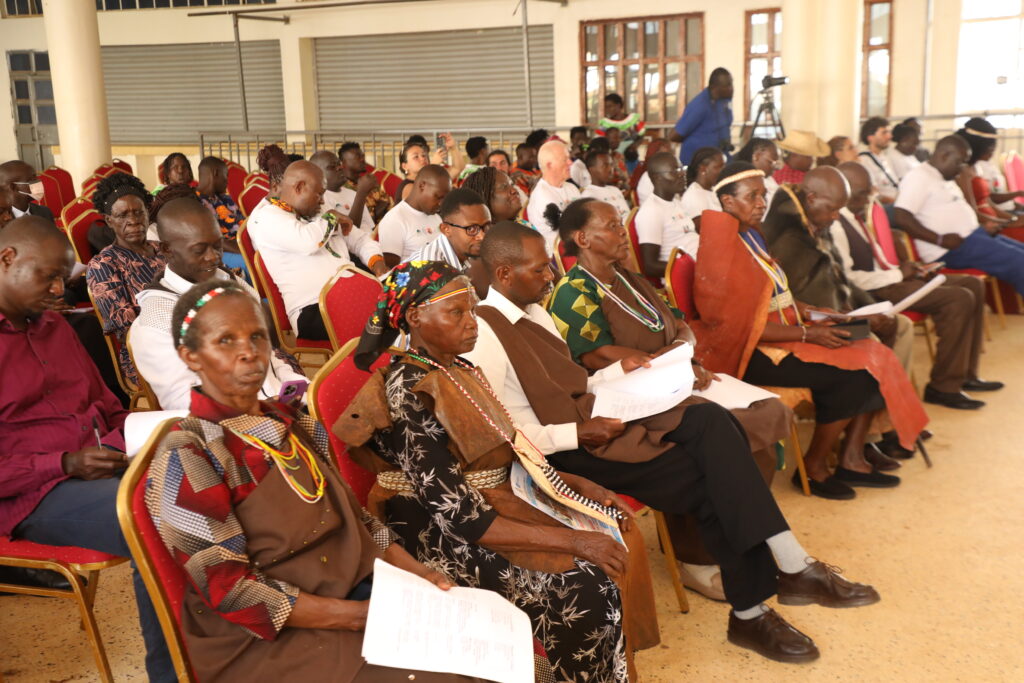
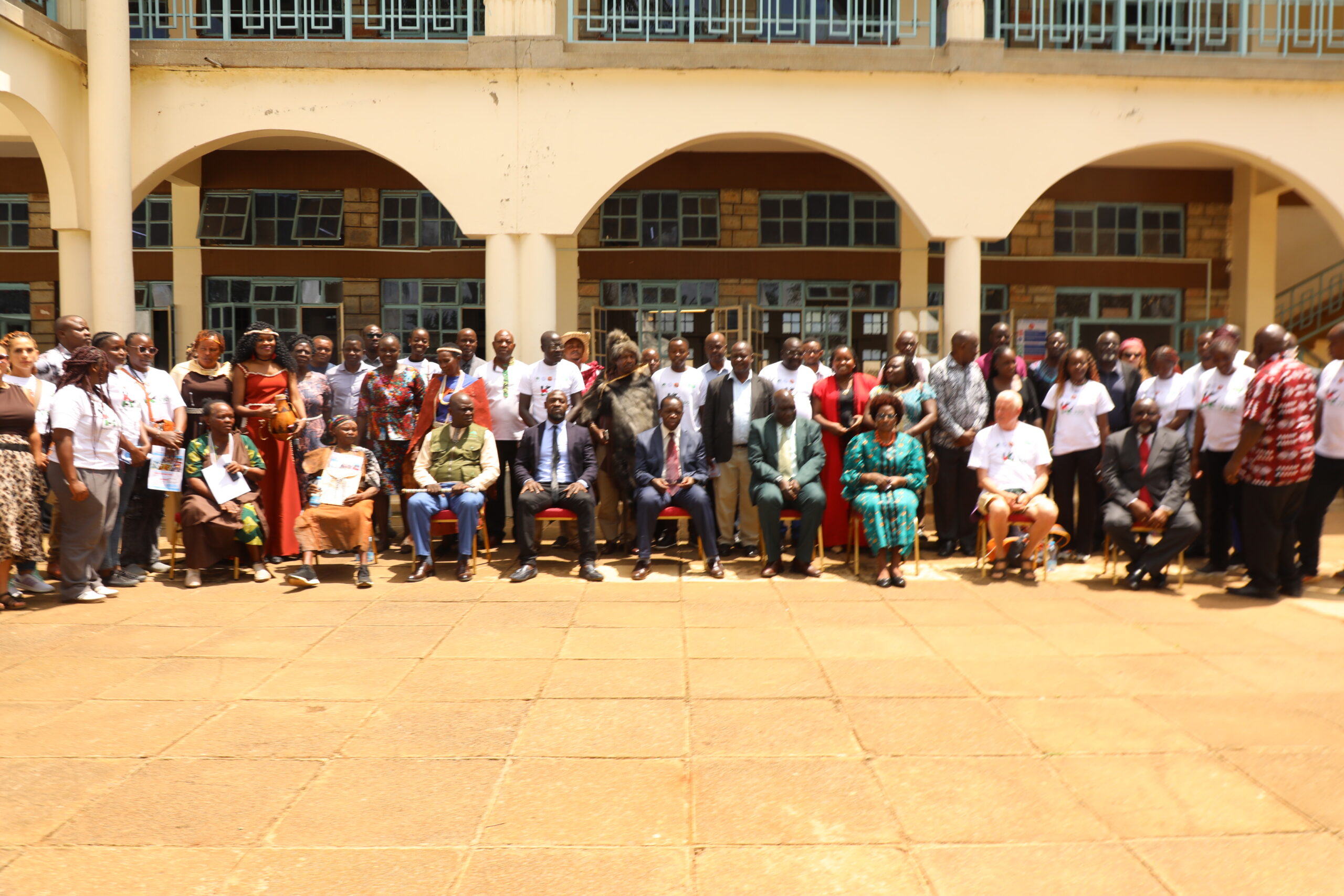
A section of the participants at the event.
Representing Fr. Dr. Kizito Muchanga, Mr. Larry Chiteyi outlined the origin and meaning of Isukuti dance. He emphasized that although the dance is today practiced by other Luhya communities, it is culturally an Idakho and Isukha dance. He explained that the name Isukuti arose from the interaction between local communities and early colonial visitors who watched the energetic performance and remarked, “It is good,” which the locals heard and adopted as Isukuti. The Isukuti dancers presented different movements, ululations (sigalagala), songs and drumbeats performed during various ceremonies, including wars, weddings, circumcision, bullfighting and funerals.
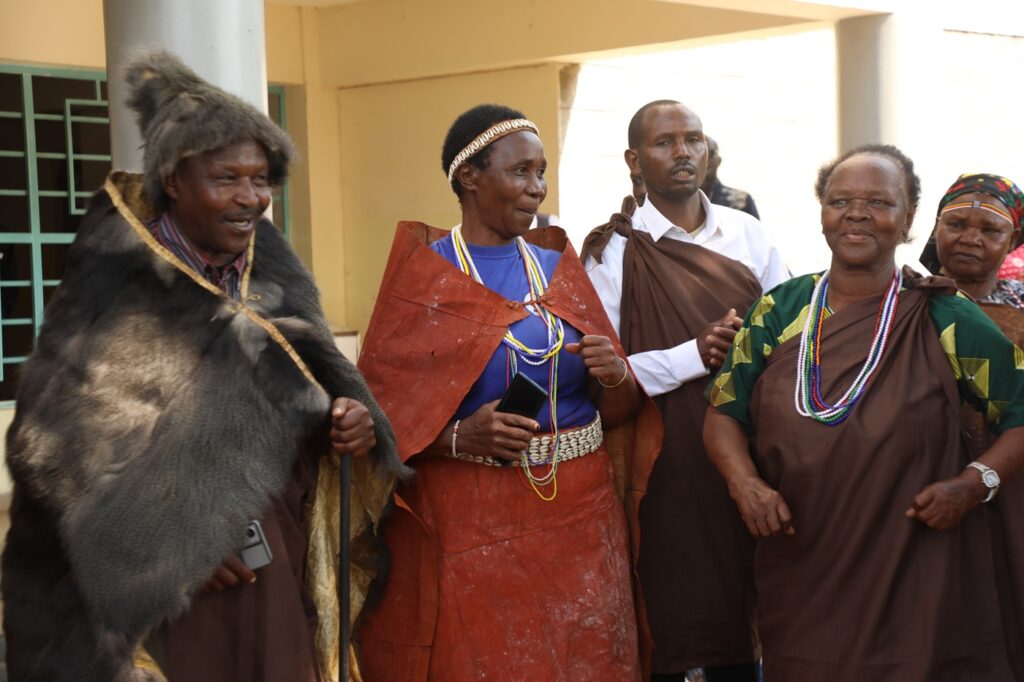
Members of the indigenous communities at the event.
The participants reflected on the importance of documenting, preserving and promoting indigenous knowledge while ensuring that indigenous communities remain central to conversations concerning their heritage, health and livelihoods. The discussions were moderated by Prof. Stanley Omuterema and Dr. David Barasa, who guided the sessions and facilitated meaningful engagement among participants. Prof. Omuterema is leading a collaboration project with KVSO on Kakamega Forest Conservation.
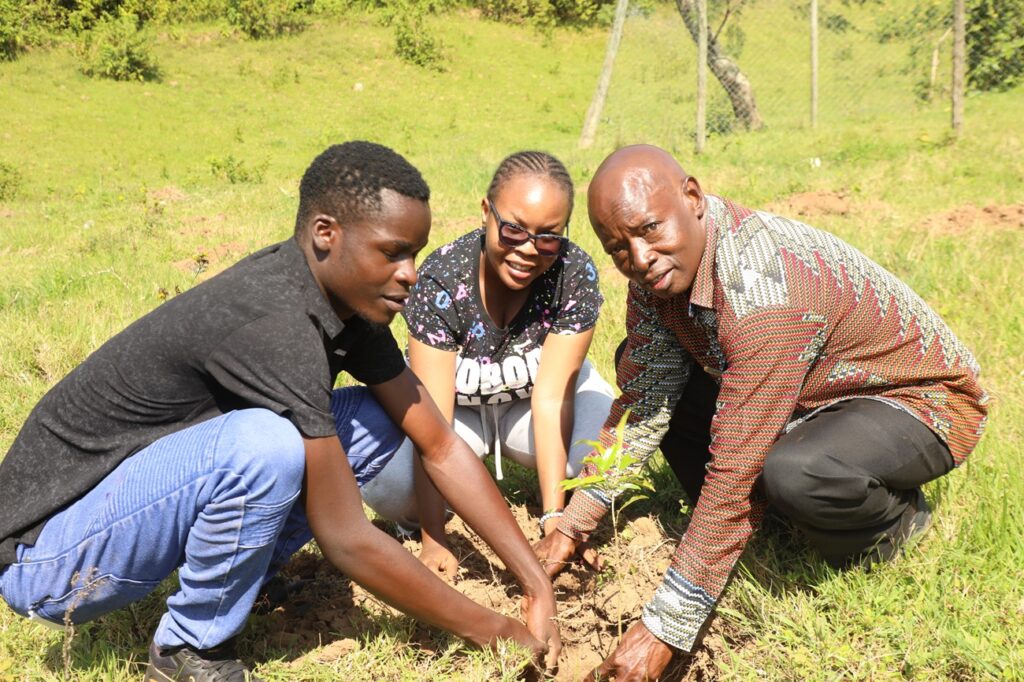
Dr. Edward Mugalavai and two MMUST students planting a tree.
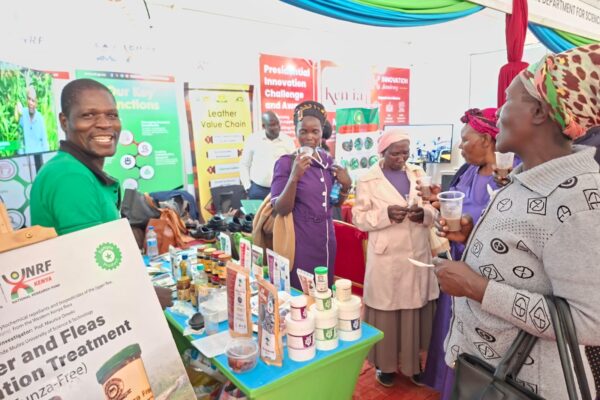
Participants also visited exhibition stands hosted by herbalists Mr. Julius Otech (Ogiek) and Mr. Benedicto Majimbo (Isukha), who displayed, explained and sold various herbal medicines used to address diabetes, arthritis, hypertension, fertility issues, memory loss, energy enhancement, mosquito repellence and other prevalent health concerns.
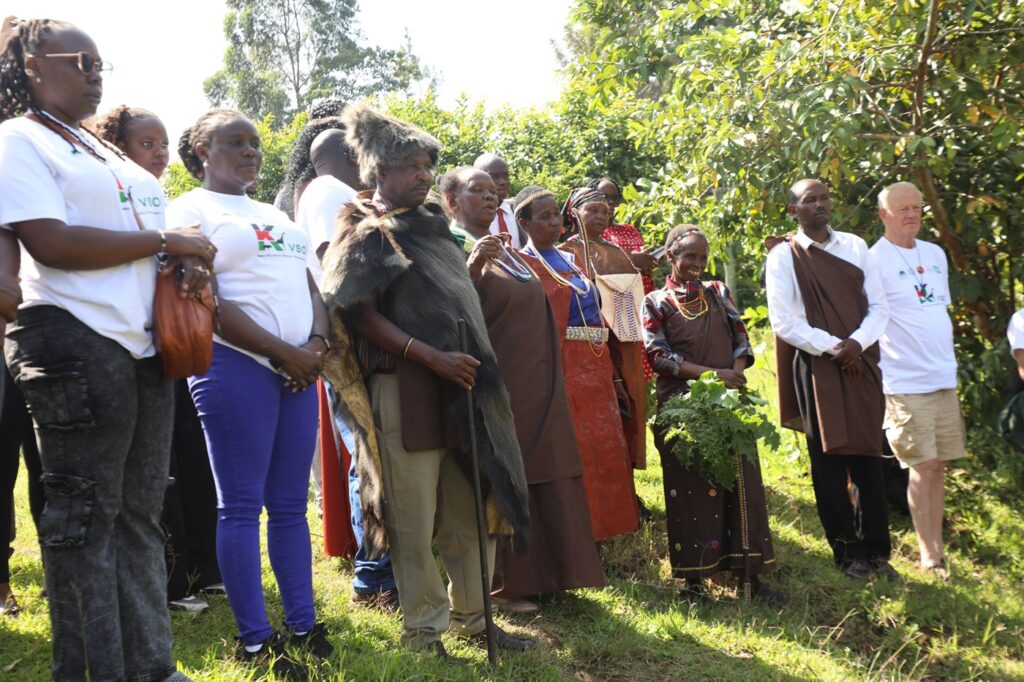
Participants from KVSO and indigenous communities during the tree planting exercise.
The highlight of the commemoration was a special lunch, Indigenous African Dishes prepared and served by River Isiukhu Camp, also known as Lawino 2000. The culinary experience complemented the day’s focus on indigenous knowledge and cultural heritage, offering participants an opportunity to experience traditional African cuisine while celebrating the rich cultural identity and heritage of indigenous communities.
By Linet Owuor
Photos by Shiundu Masafu