MMUST Hosts VIVITA Team to Advance Estonia-Funded €135,000 Girls’ Digital Skills Project
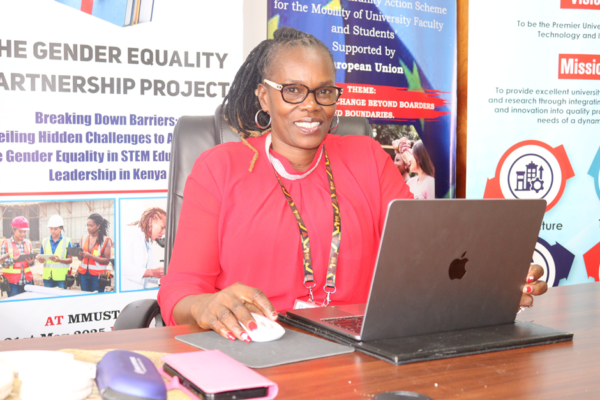
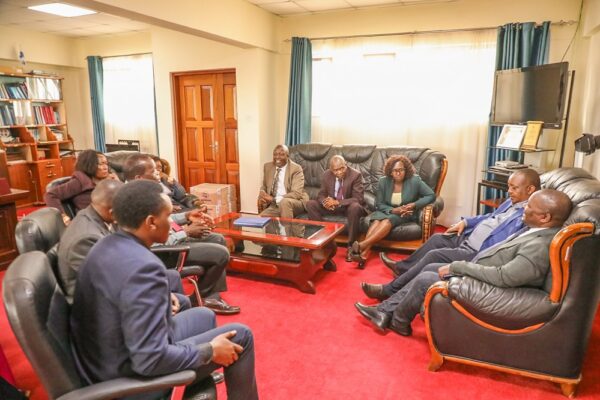
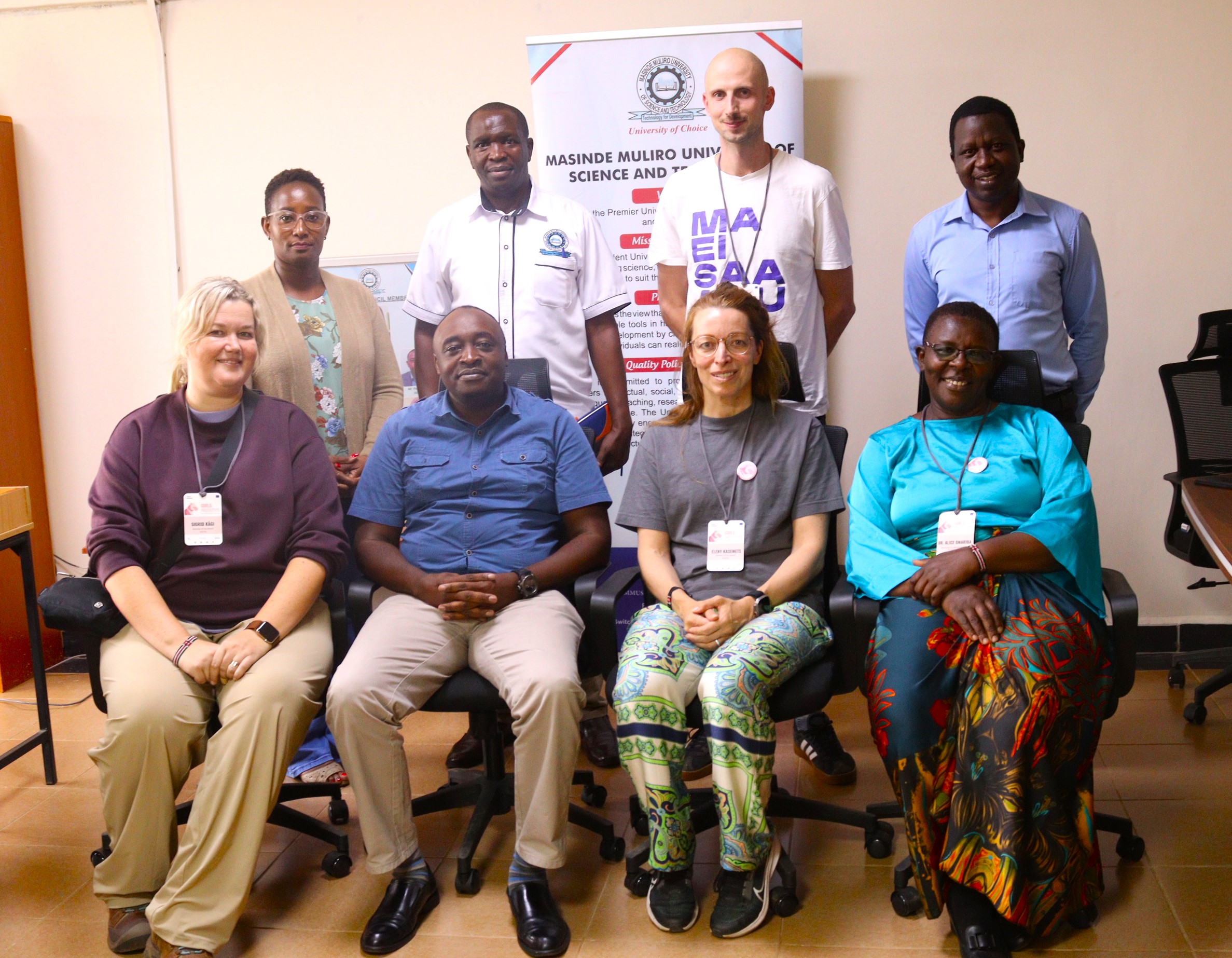
Masinde Muliro University of Science and Technology (MMUST) on Friday, 18th September 2026, hosted a high-level delegation from the VIVITA team for a courtesy call at the Office of the Deputy Vice Chancellor, Planning, Research and Innovation (DVC PRI). The meeting marked a major implementation milestone for the newly launched €135,000 regional project titled, ‘From Access to Agency: Enhancing Inclusive Digital Skills for Gender-Responsive Education Transformation in Kenya and Uganda.’ The visiting delegation comprised Eleny Kasemets, Joonas Riisalu and Sigrid Kägi from VIVITA, alongside Dr. Alice Omariba from Murang’a University of Technology (MUT). The delegation was received by the Director, Research and Postgraduate Support- Prof. Francis Orata, who was representing DVC PRI. MMUST’s dedicated project team is led by Prof. Judah Ndiku, Prof. Joseph Nasong’o, Dr. John Nyangaresi, Dr. David Barasa, and Dr. Evans Oruta.
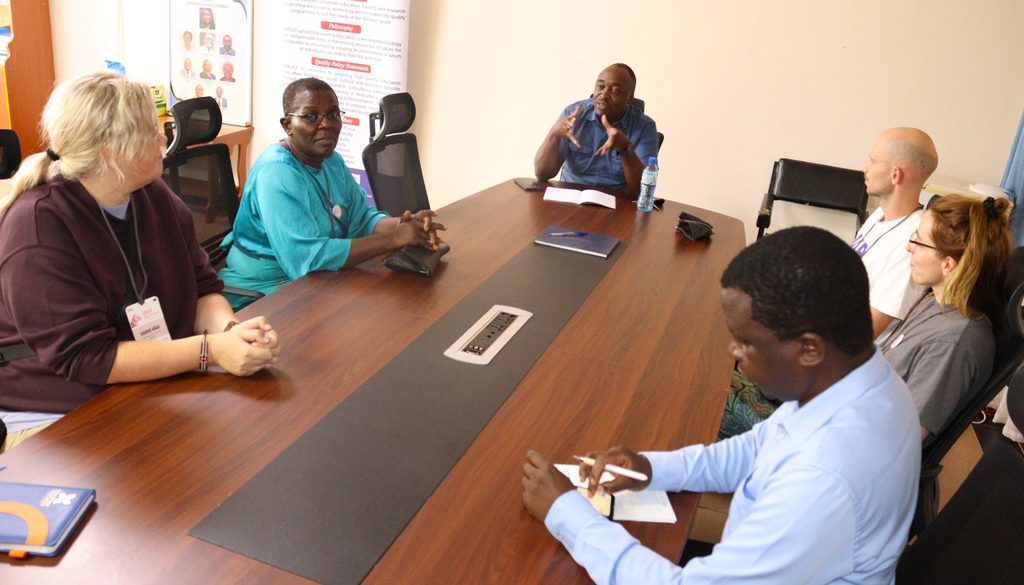
Prof. Francis Orata speaks during the meeting.
Prof. Orata welcomed the VIVITA delegation to MMUST, expressing appreciation for the partnership on a project that seeks to strengthen inclusive digital skills and contribute to gender-responsive transformation in education. This strategic consultative visit focused on solidifying the project’s operational blueprints. The initiative addresses persistent regional gaps, including online safety hazards, poor cyber-hygiene, and the historical underrepresentation of girls in technological fields.
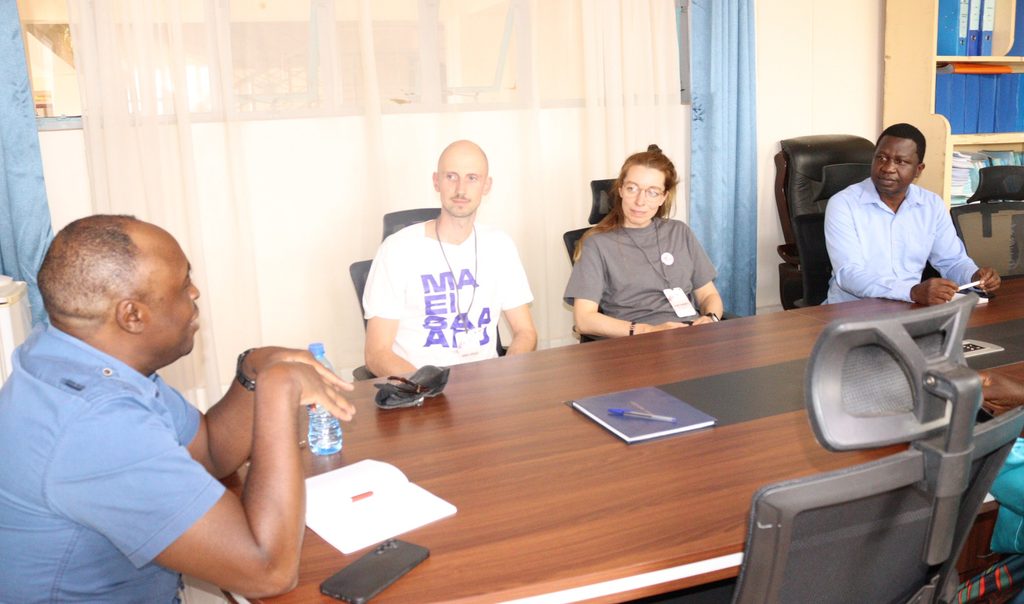
Prof. Francis Orata speaks during the meeting.
The 20-month initiative is funded by the Estonian Centre for International Development Cooperation (ESTDEV). It is led by VIVITA, an Estonia-registered applicant, in collaboration with Murang’a University of Technology, MMUST, Kisii University, and Makerere University. As a collaborating partner, MMUST directly oversees the grassroots rollout of project activities at Mahiakalo Junior School in Western Kenya.
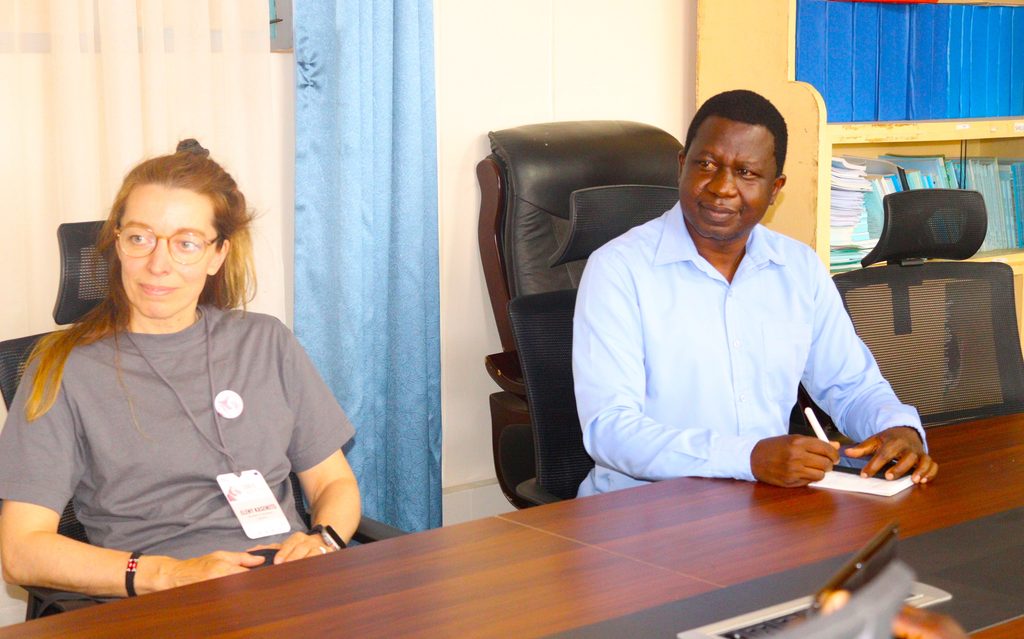
Dr. David Barasa and Eleny Kasemets.
Throughout its implementation, the project is designed to engage more than 180 girls through inclusive STEM/STEAM clubs, guaranteeing that participants complete comprehensive, relevant digital skills courses. To build practical, real-world experience, the training curriculum intentionally pairs technical problem-solving tasks with vital local green priorities.
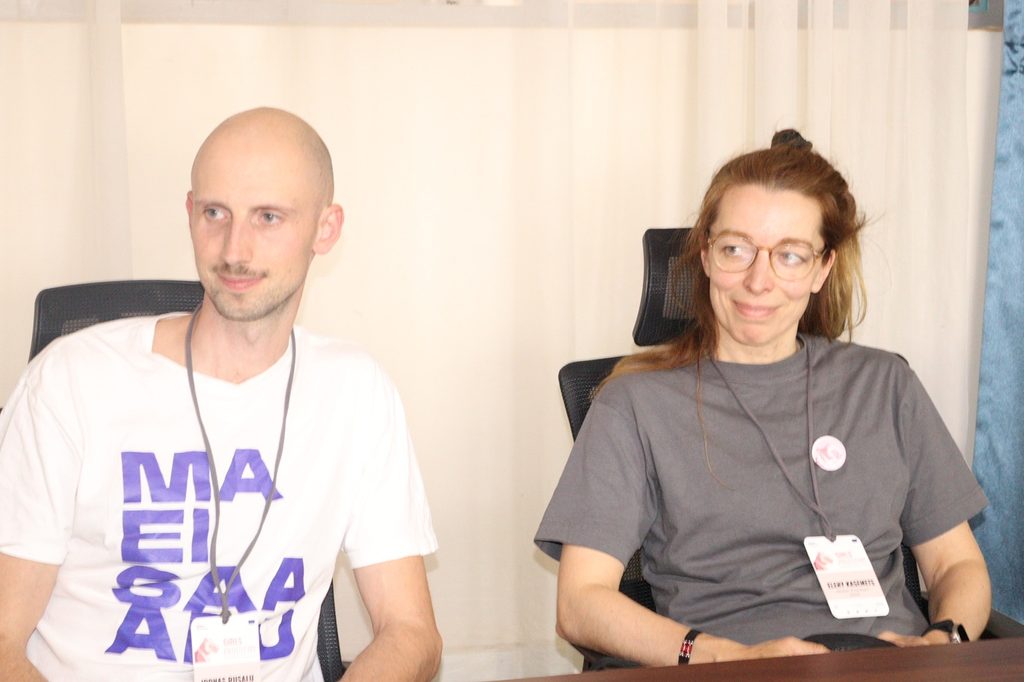
Eleny Kasemets and Joonas Riisalu at the meeting.
Courtesy of the funding, the inter-university consortium has already successfully trained 16 teachers across 8 participating schools in Kenya and Uganda. These educators are now equipped to deliver specialized modules centered on gender-responsive, inclusive STEM pedagogy, responsible AI awareness, and robust cyber-hygiene. With implementation now underway, MMUST and its partners will continue working together to equip learners and educators with the requisite digital skills and competencies needed to thrive in an increasingly digital world.
By Linet Owuor

You may also like