MMUST Among the Only Nine Hubs Across Africa Hosting the Inaugural African Fellowships for Research in Indigenous and Alternative Knowledge
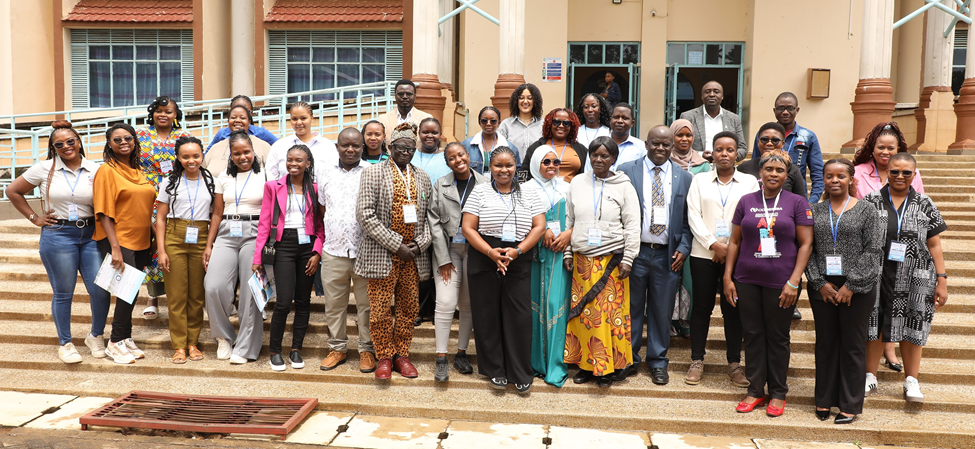
Masinde Muliro University of Science and Technology (MMUST) is one of the only nine hubs across Africa hosting the Inaugural African Fellowships for Research in Indigenous and Alternative Knowledge (AFRIAK). Today, 3rd March, 2026, the University officially welcomed thirty (30) Fellows representing 11 African nations, including Lesotho, Malawi, Cameroon, South Africa, Zimbabwe, Botswana, Sierra Leone, Tanzania, Ghana, Somalia, and Kenya. The Fellows will be stationed at MMUST and within Kakamega County until 31st March, 2026 to conduct research grounded in indigenous and local realities.
A section of participants keenly follow the presentations.
AFRIAK is a programme spearheaded by Council for the Development of Social Science Research in Africa (CODESRIA) with support from the Mastercard Foundation as part of the Foundation’s commitment to advancing education and skills development for young people in Africa. The initiative is built on the conviction that training a new cadre of young scholars with the capacity to generate and apply knowledge derived from Indigenous and local realities is the key to producing contextually grounded, innovative, and usable data for Africa’s development. The programme also promotes recognition, validation, and integration of Indigenous and alternative knowledge systems into mainstream research, policy, and practice.
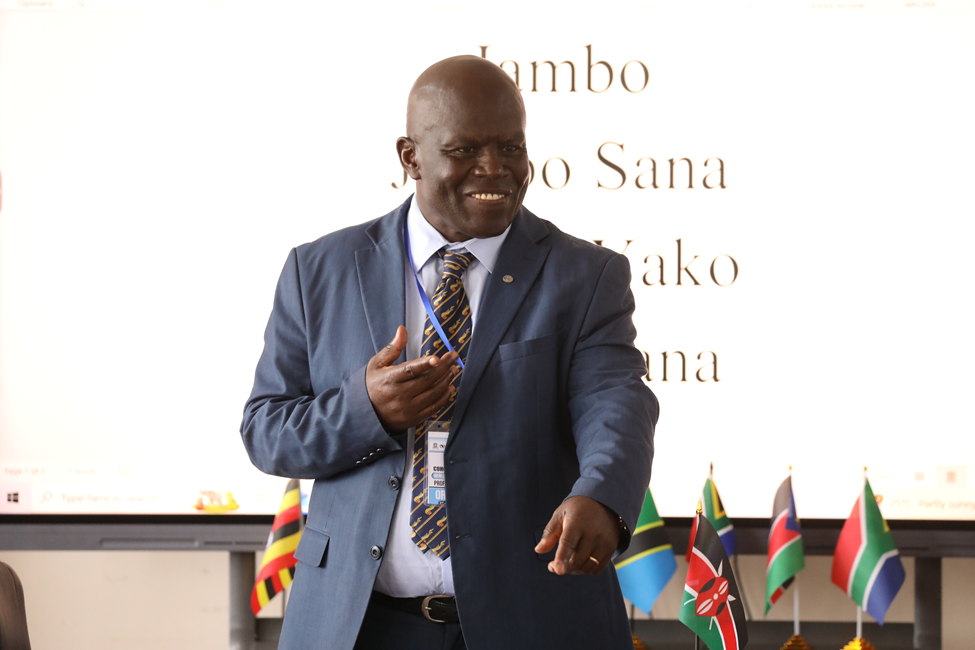
The Deputy Vice Chancellor Planning, Research and Innovation, Prof. Peter Bukhala address the fellows.
Speaking during the orientation workshop, the Deputy Vice Chancellor Planning, Research and Innovation, Prof. Peter Bukhala emphasized the strategic importance of South-to-South academic networks. “Currently the global emphasis is on strengthening south-to-south networks. The things we want to learn should relate directly to us as Africans. We must work together as Africans so that our knowledge systems, customs and behaviors are preserved and encouraged for the future generation,” said Prof. Bukhala.
He also expressed joy in seeing young scholars prioritize research on African culture over the western. “I am happy to see young people encouraged to discuss and research African issues, connecting their scientific inquiries to our heritage. We are retracing our steps and doing what is necessary for this generation and those to come,” he added.
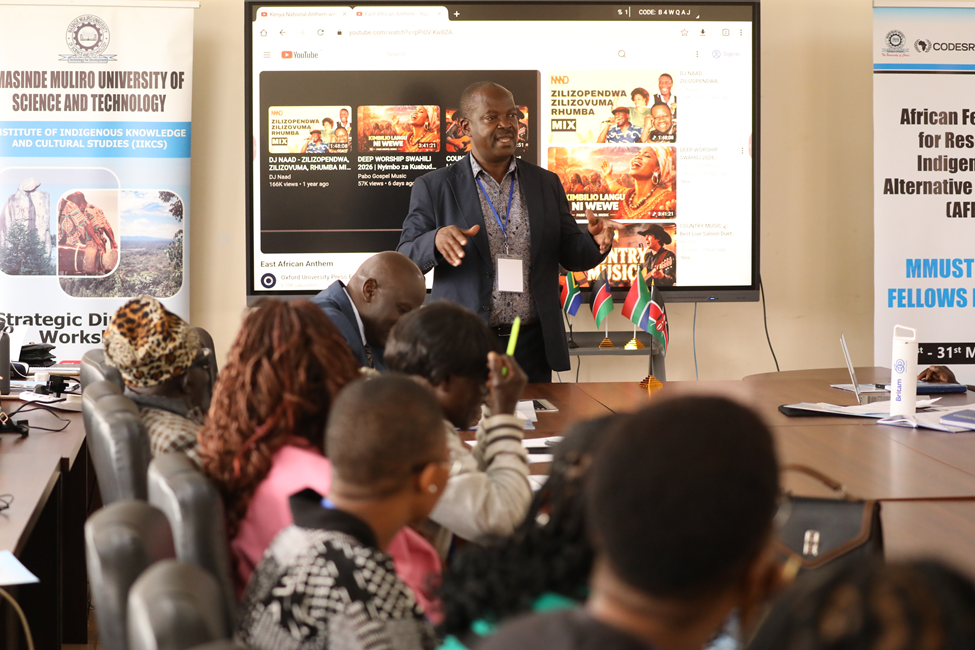
The Registrar Planning, Research and Innovation, Dr. Collins Matemba makes his remarks.
Echoing Prof. Bukhala’s sentiments, the Registrar Planning, Research and Innovation, Dr. Collins Matemba formally received the delegation, expressing the University’s delight in hosting such a diverse group of scholars.
On her part, the Deputy Director, IIKCSCC, Dr. Lucy Mandillah highlighted the multidisciplinary nature of the residency, noting that the fellows’ diverse background in culture language, and systemic expertise will enrich the co-creation of knowledge.
“We are going to transform this residency into a truly Pan-African intellectual space where knowledge is co-created across the borders. The vision of AFRIAK is grounded in retaining, validating and advancing indigenous and alternative knowledge systems and this programme seeks to nurture a new generation of scholars who generate knowledge rooted in Africa realities. I encourage you to see yourselves not just as researchers, but as custodians of knowledge and transformative intellectuals who will change the continent,” stated Dr. Mandillah.
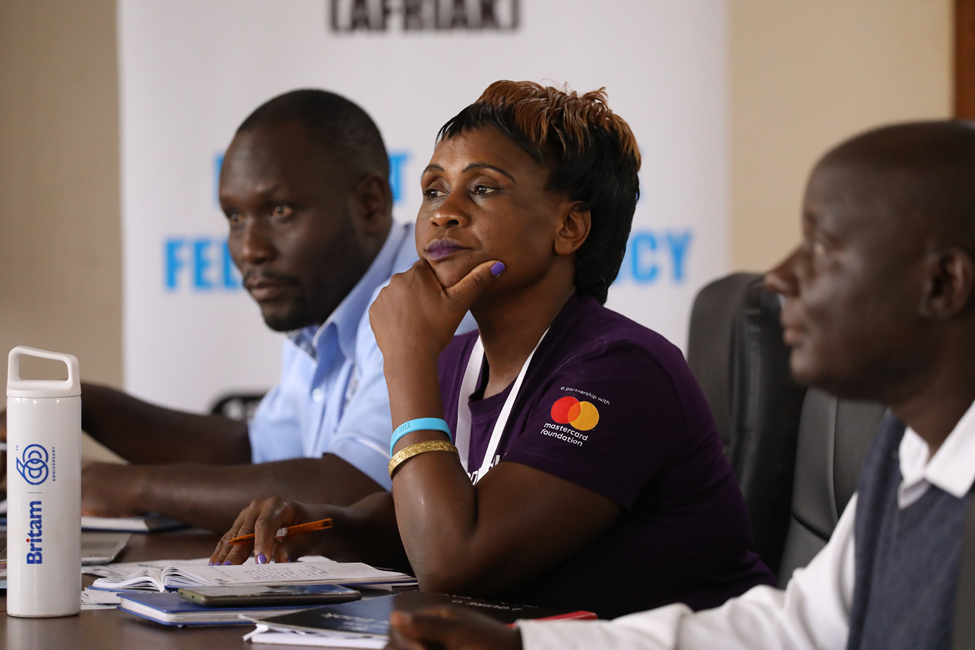
The Deputy Director, IIKCSCC, Dr. Lucy Mandillah (seated centre) keenly following the discussions.
Dr. Mandillah encouraged the Fellows to embrace the diversity of the group. “This is not a closed up program. We must be ready to learn from one another, respect diverse epistemologies, and remain open-minded,” she added.
It is worth noting that during their month-long residency, the Fellows will participate in a rigorous schedule of mentorship sessions, workshops with Indigenous Knowledge Keepers, research-policy dialogues, and field visits, to help bridge the gap between academic theory and Kenyan realities. Their research focuses on the key core clusters including, Indigenous Pedagogies & Curriculum Transformation; Indigenous Health & Medical Knowledge; Gender, Sexuality & Feminist Indigenous Epistemologies; Epistemology, Language, Arts & Ways of Knowing; and Community Engagement, Youth & Knowledge Transmission.
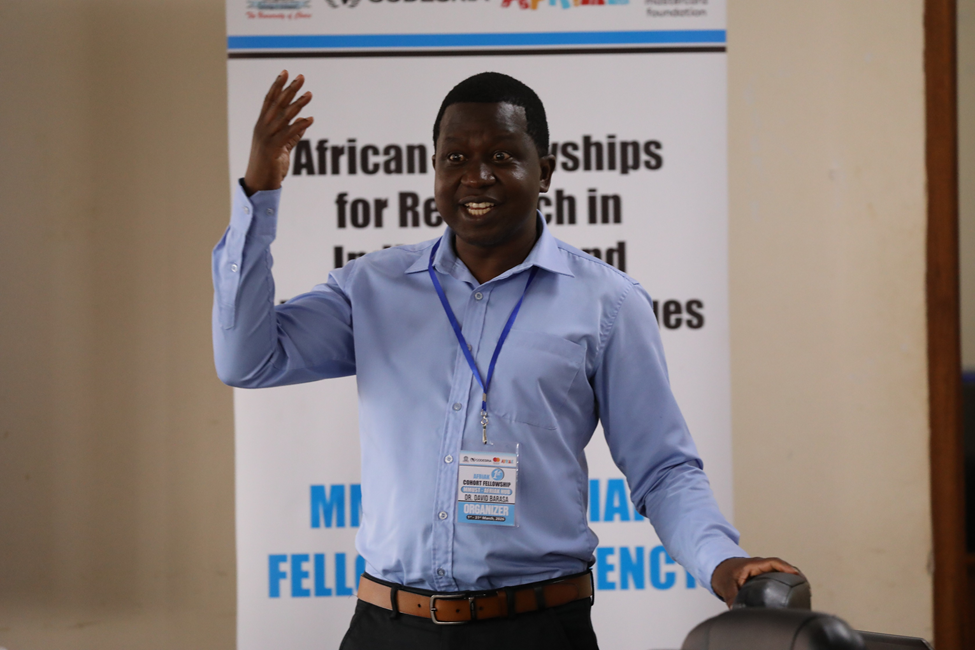
The Associate Dean SASS, Dr. David Barasa makes his presentation.
To prepare for their stay in Kenya, the fellows completed an intensive orientation featuring presentations from key departments such as Health, Security, and ICT. The program concluded with a guided tour of the campus.
The evening will culminate in a formal dinner where the fellows will interact with MMUST Deans and Directors to identify additional mentors who will support with their research concepts.
By Caren Nekesa
Photos by Shiundu Masafu