
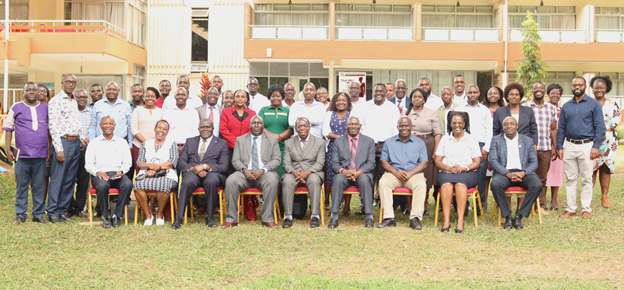
MMUST Sensitizes Cost Centre Heads on University Performance Metrics in a Bid to Cascade Workplace Productivity Improvement Measures to Departmental Level
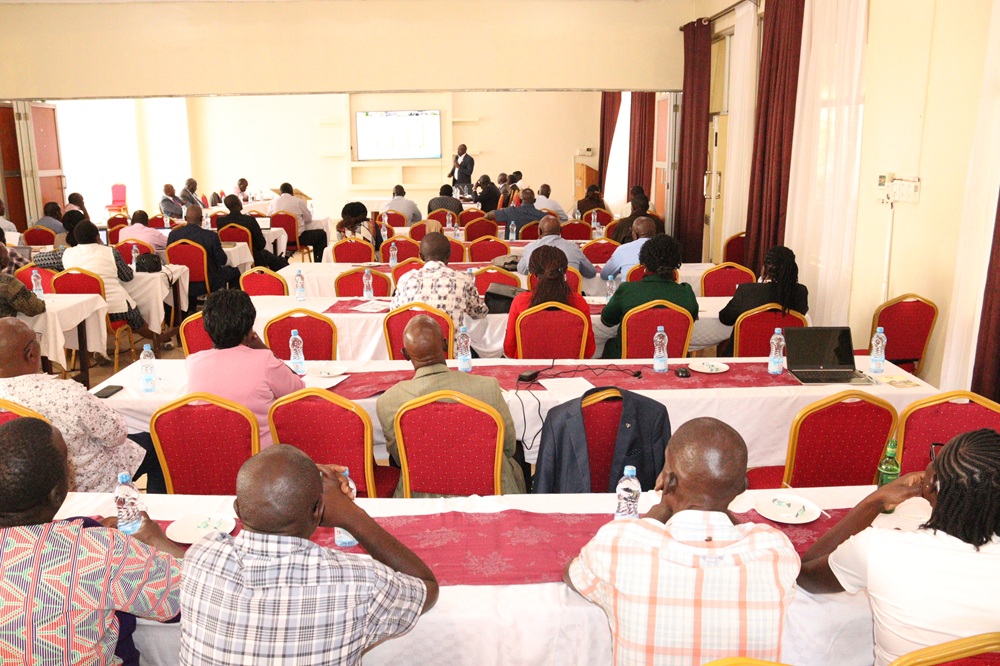
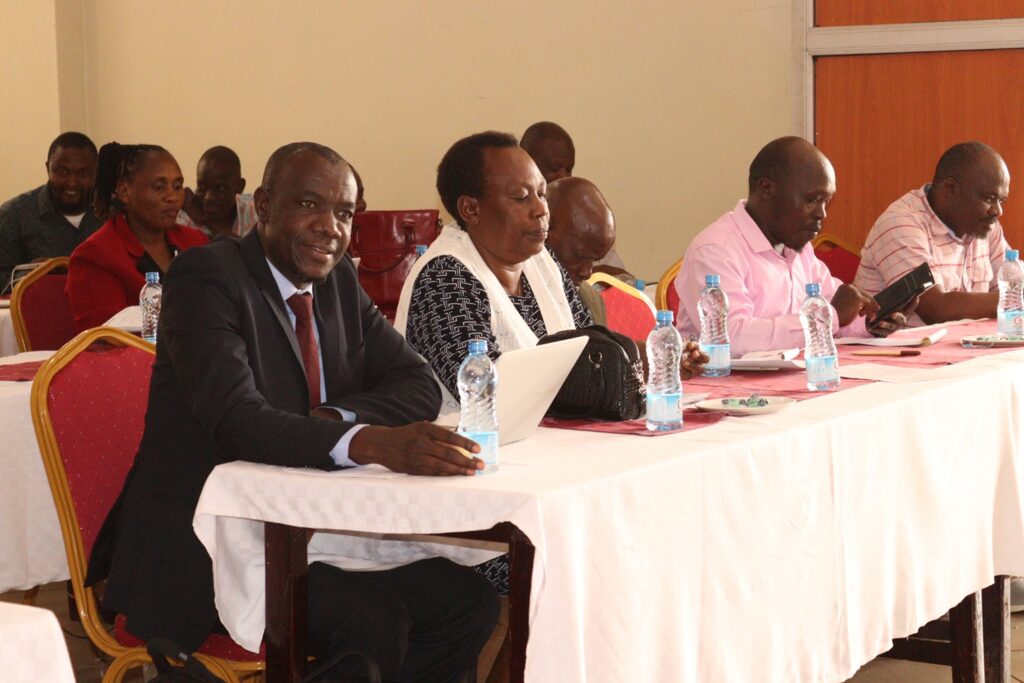
Masinde Muliro University of Science and Technology has sensitized Chairpersons of Departments (CoDs) and Heads of Cost Centres on the MMUST Performance Metrics in a bid to cascade workplace productivity improvement measures to the Departmental Level. This was during a two-day Workshop, held from 29th to 30th June, 2026 at the Golf Hotel-Kakamega, which saw the University Management, Deans, Directors and CoDs discuss productivity mainstreaming and improvement strategies. The Workshop was graced by the Vice Chancellor, Prof. Solomon Shibairo, who noted that the productivity of the institution calls for concerted efforts from all sections.
Giving the status update on infrastructural development at MMUST, Prof. Shibairo observed that the University has continued to improve on its overall performance over the years. “Workplace productivity improvement measures and evidence compilation has been done at the managerial level and I am glad to see it cascaded to departmental level. This will go a long way in ensuring ownership, support and understanding of our performance indicators,” said the Vice Chancellor.
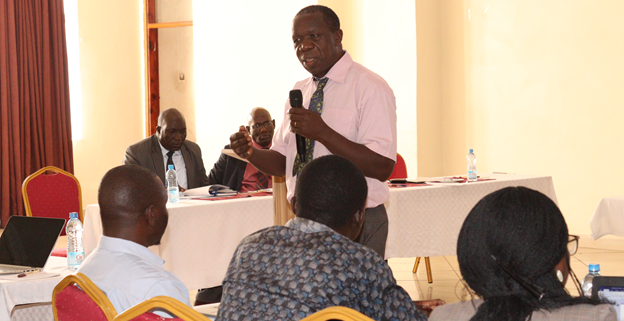
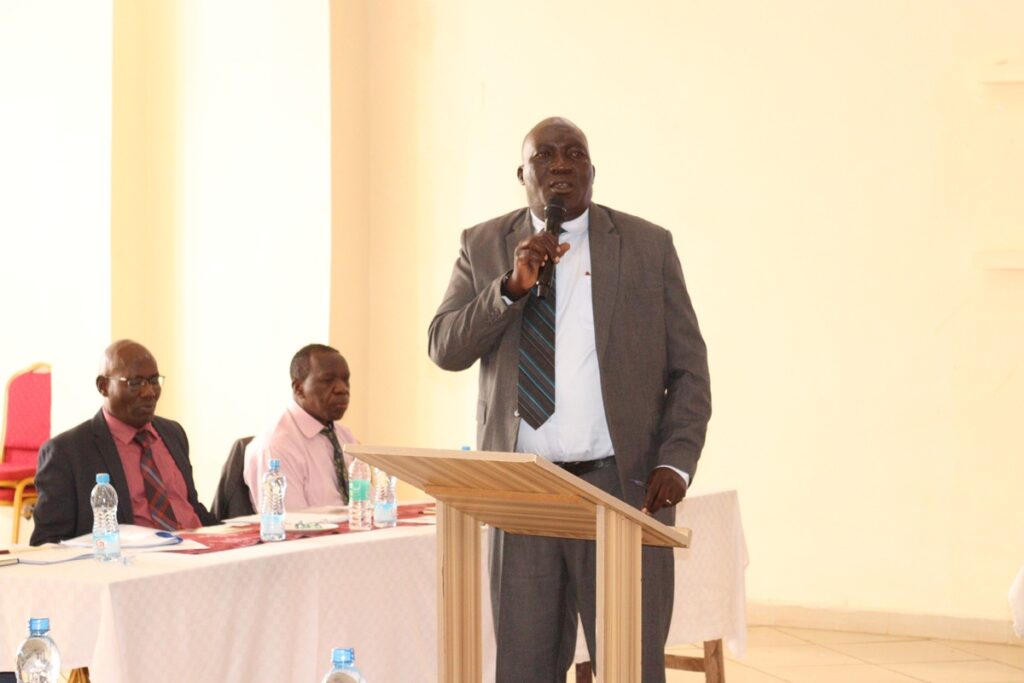
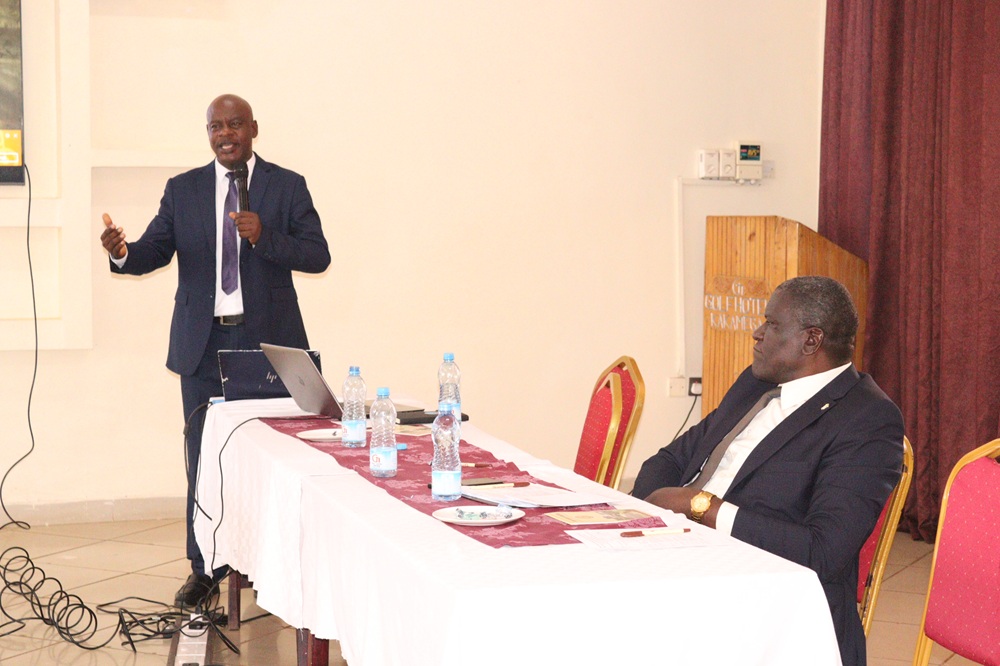
The Vice Chancellor, Prof. Solomon Shibairo, addresses Workshop participants.
The Deputy Vice Chancellor (Administration and Finance)-Prof. John Kuria Thuo, emphasized that cascading workplace productivity improvement measures is more than just a compliance exercise, as it is a conscious commitment to performance and institutional accountability. “As a public institution that has been allocated Government resources, we must consistently demonstrate that all our departments are performing effectively. We have a continuous responsibility to show strict accountability for the resources deployed to us,” stated Prof. Thuo.
The Director-Performance Monitoring and Evaluation (PME), Comm. Prof. Joseph Nasongo, reiterated the need to cascade productivity mainstreaming to the grassroots and staff levels, ensuring true ownership of the process by all stakeholders. Prof. Nasongo highlighted the 2026/2027 Financial Year performance guidelines received from the Office of the Prime Cabinet Secretary. He urged the participants to work towards achieving their targets in order to ensure that the University moves from the ‘very good’ to the ‘excellent’ category in the next evaluation. “We have been doing well in our performance contracts and I am happy to note that we are on course. Having maintained a ‘very good’ rating for some time, our next milestone is to elevate our performance to ‘Excellent’. This Workshop is a key strategy to get us there, as it provides a platform for us to identify exactly where we must focus our efforts and improve,” he added.
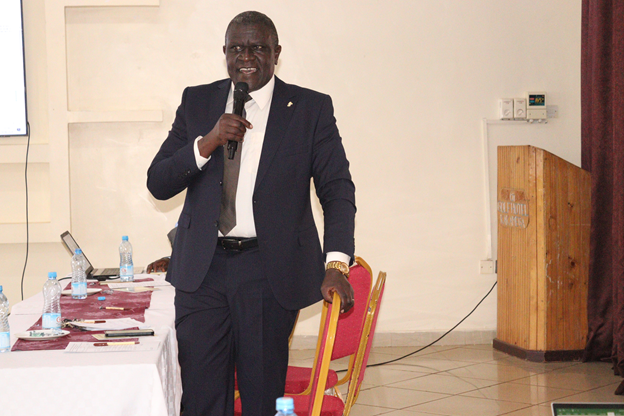
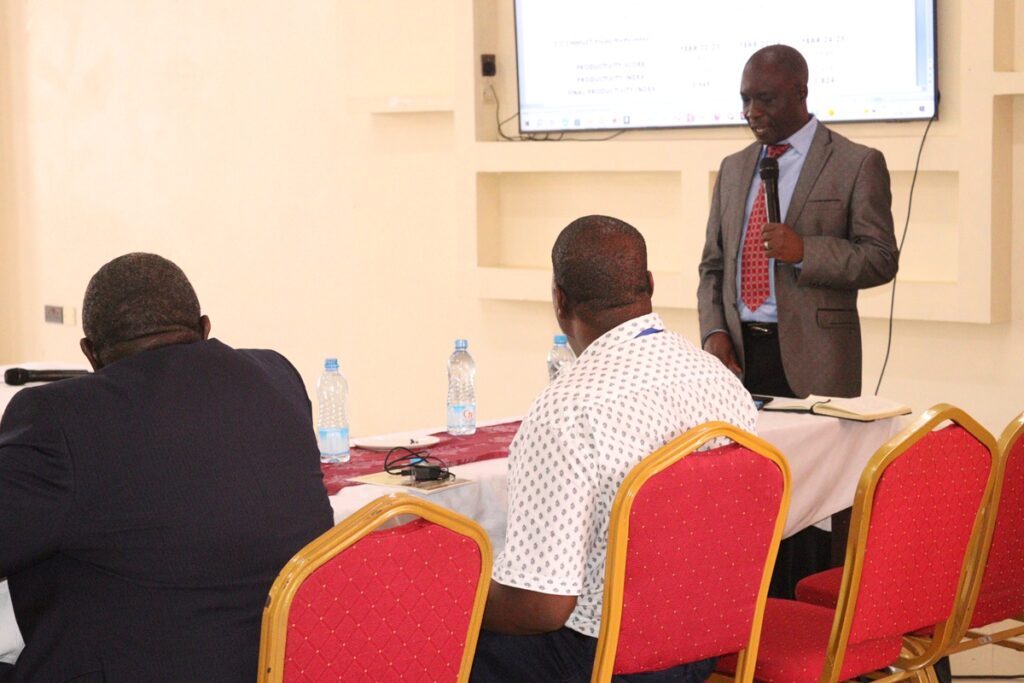
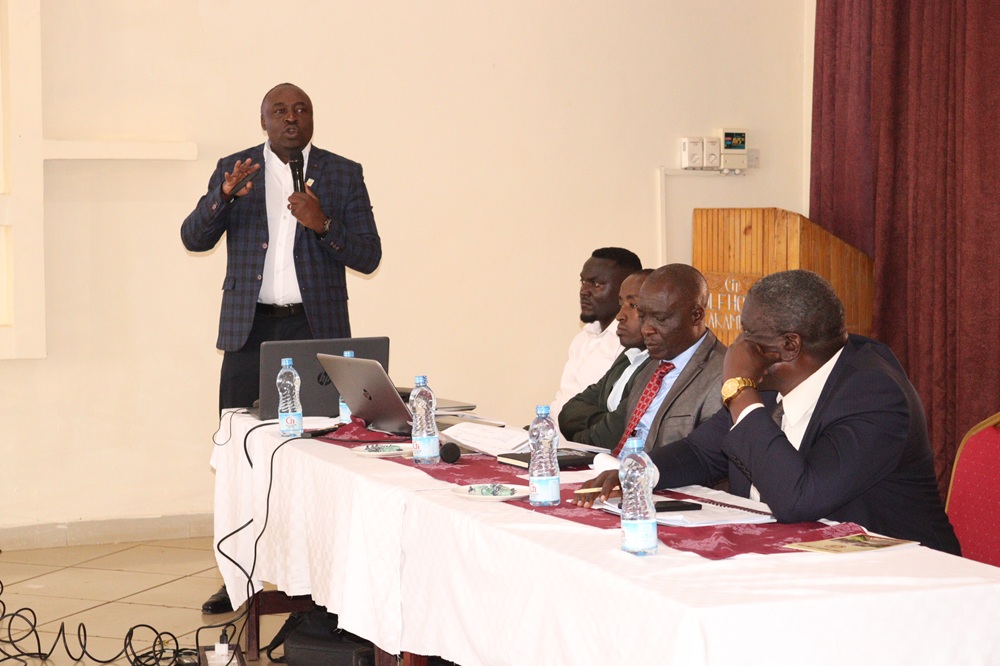
The Director-Performance Monitoring and Evaluation (PME), Comm. Prof. Joseph Nasongo, speaks at the event.
“Productivity is about improvement, making our institution more attractive, effective and efficient. At MMUST, we have a total of 14 metrics, which have been drawn from our vision, mission, objectives and core values to guide our operations. Such Workshops offer us an opportunity to identify the challenges that we face, measures we have taken and counter measures we have prioritized to ensure efficiency in our systems. In productivity, people don’t fail, but systems fail,” remarked the Coordinator-Productivity Mainstreaming, Dr. Rapando Wakhu Bernard.
The topics covered during the two-day Workshop included; the Productivity improvement framework; Requisition process and Zero Based budgeting; Community outreach; Customer relations management systems; Digital infrastructure; Attraction of research grants and research incentives uptake procedures; Quarterly reporting, analysis and evidence compilation; and Verifiable evidence in productivity NPCC & PME.
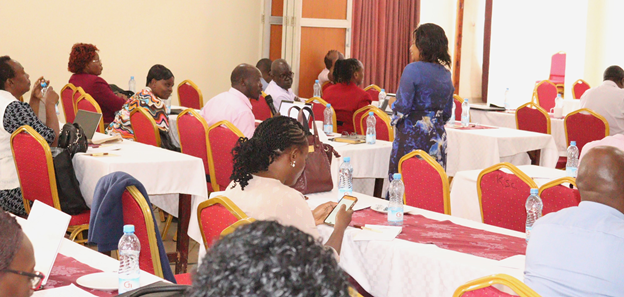
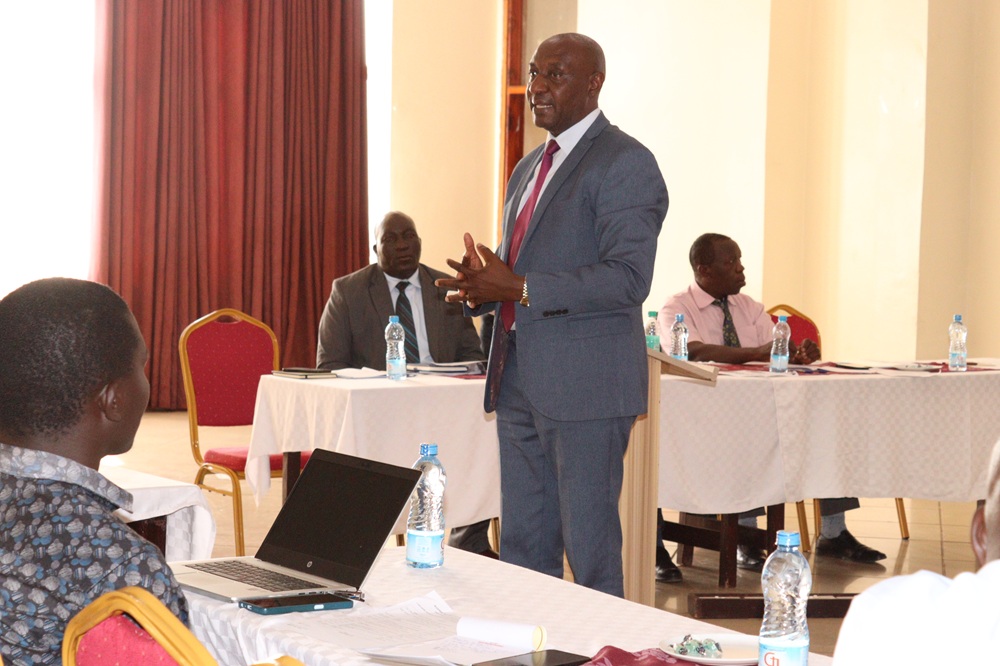
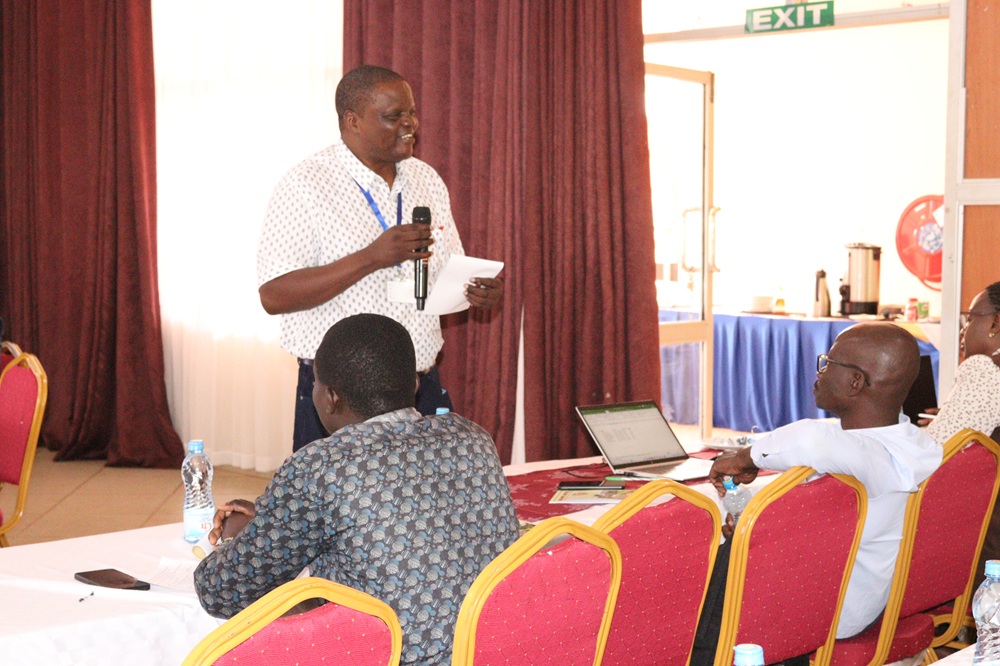
MMUST Finance Department’s Ms. Stella Kabuga facilitates a session at the event.
By cascading workplace productivity improvement measures down to the departmental level, MMUST is ensuring that all sections participate and have a clear understanding of performance indicators. Certainly, this will go a long way in enhancing the overall institutional efficiency and building a culture of accountability and high performance across the University.
By Caren Nekesa and Wangari Wambugu
Photos by Wangari Wambugu