
MMUST Champions HIV, Mental Health Awareness and Early Screening of Non-Communicable Diseases among the Staff and Students

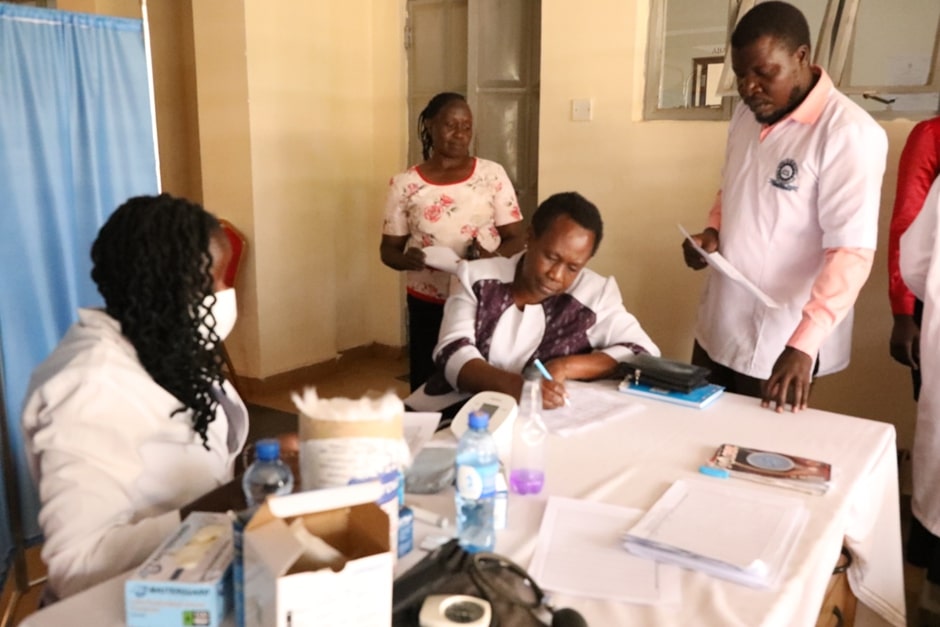
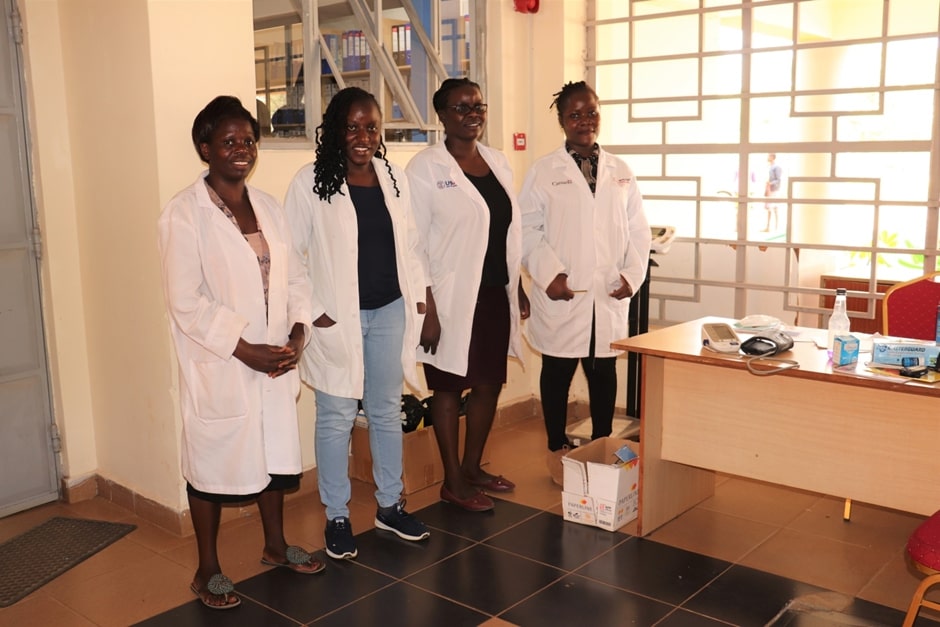
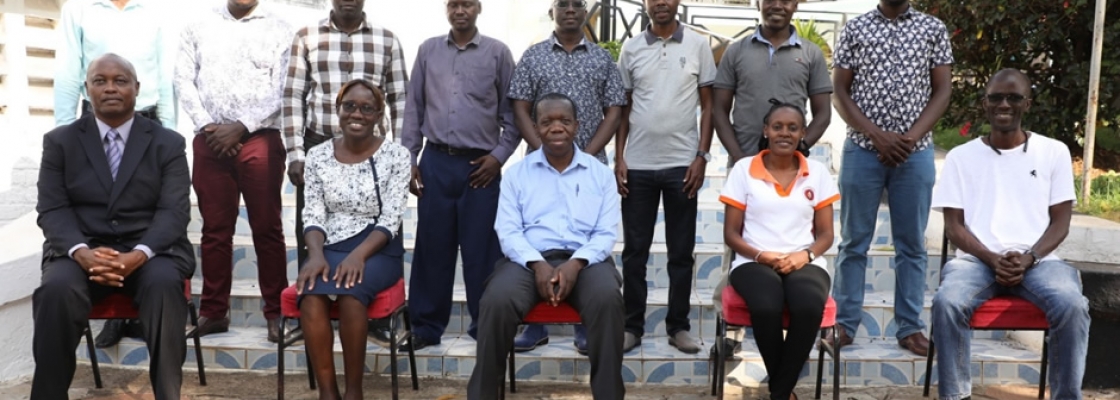
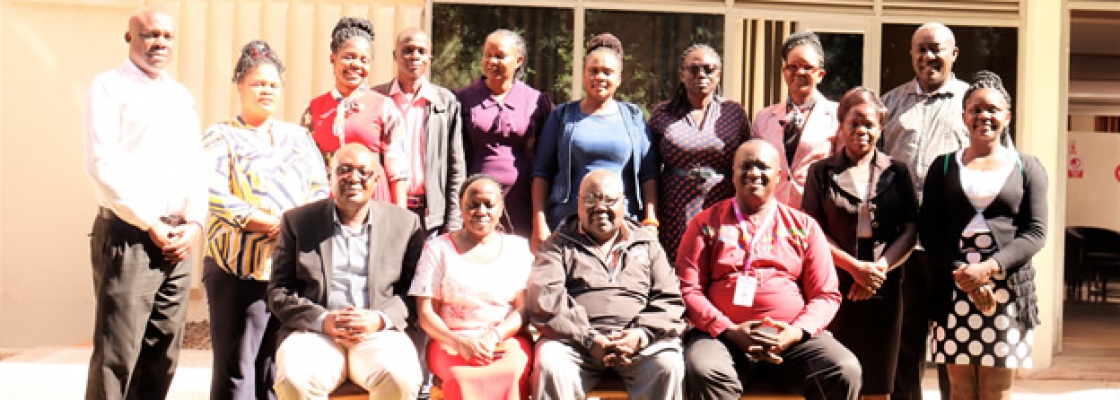
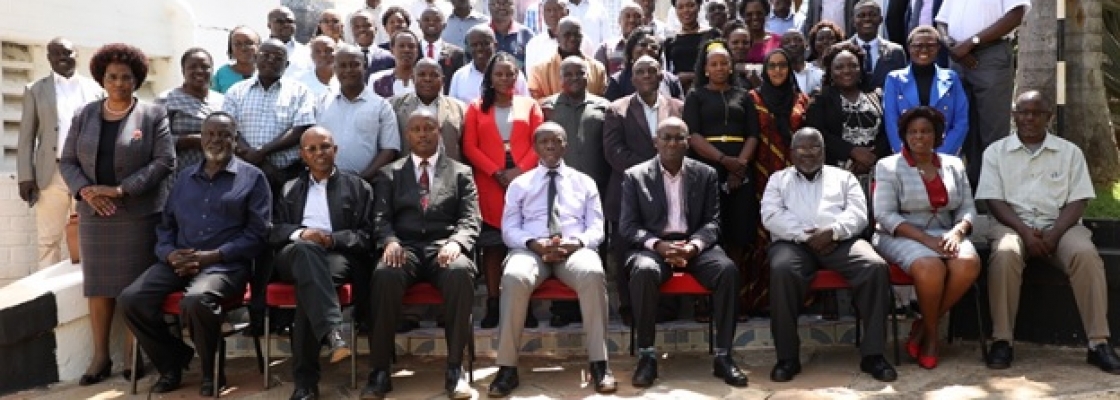
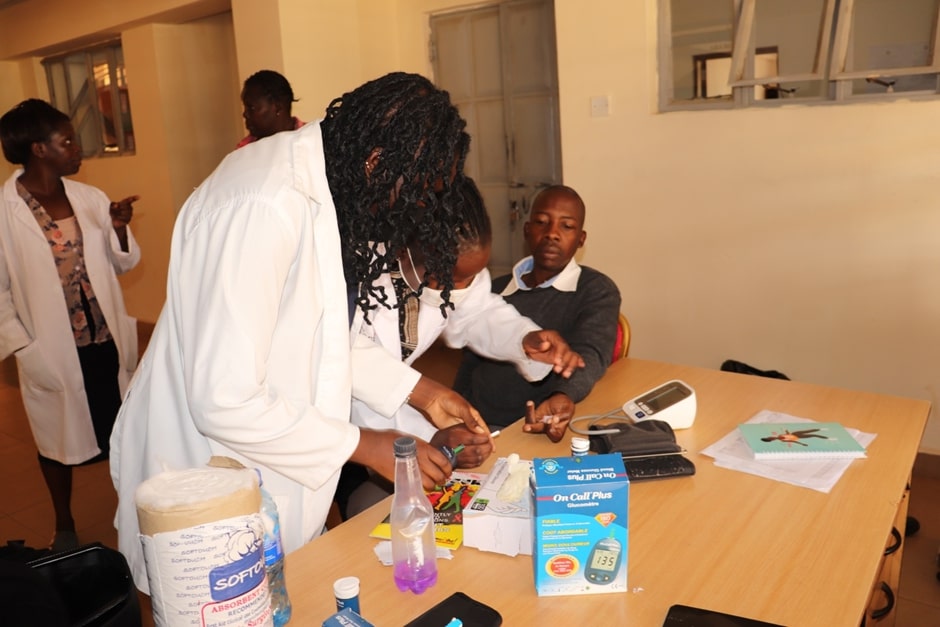
A section of the MMUST healthcare workers poses for a group photo at one of the service stations.

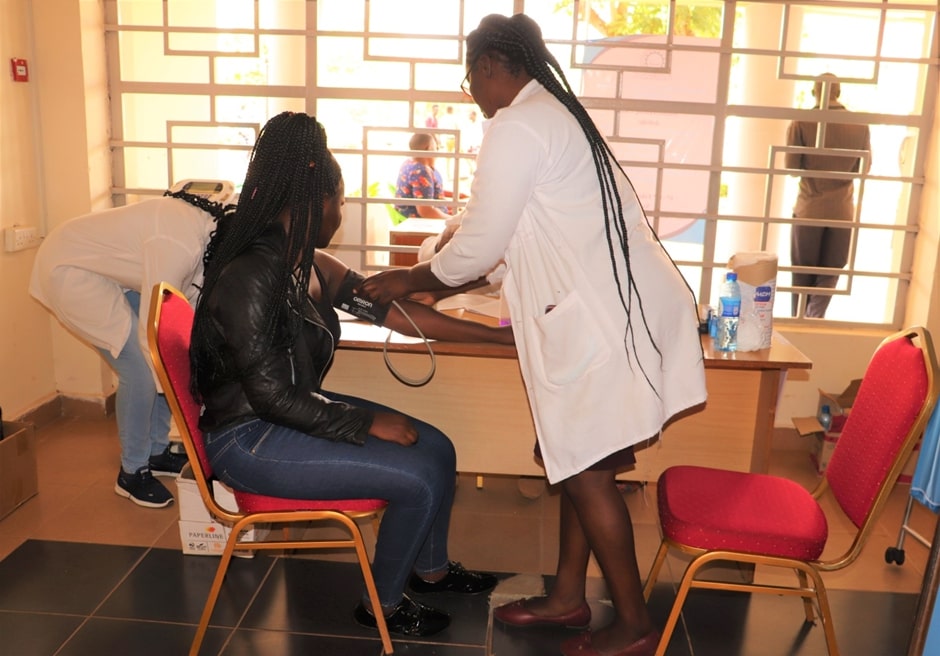
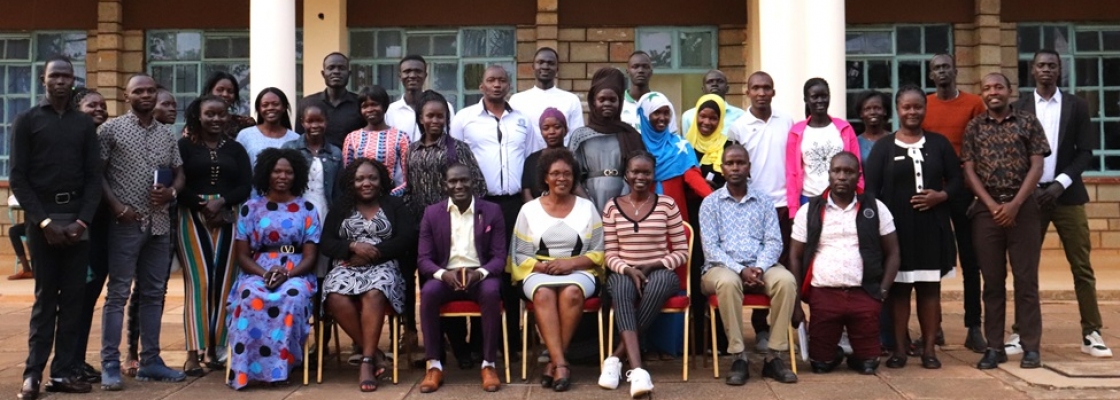
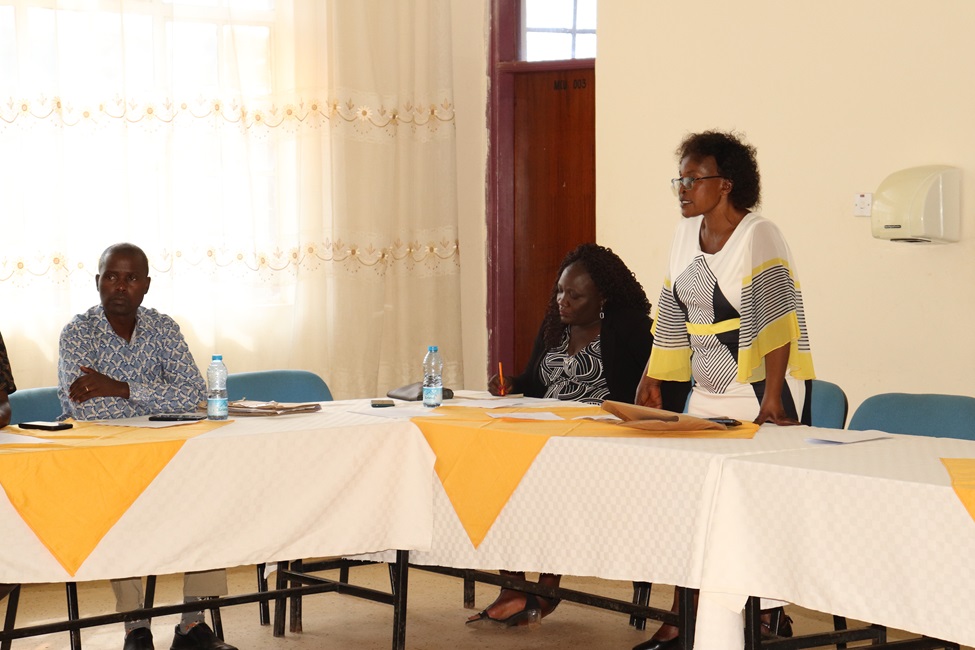
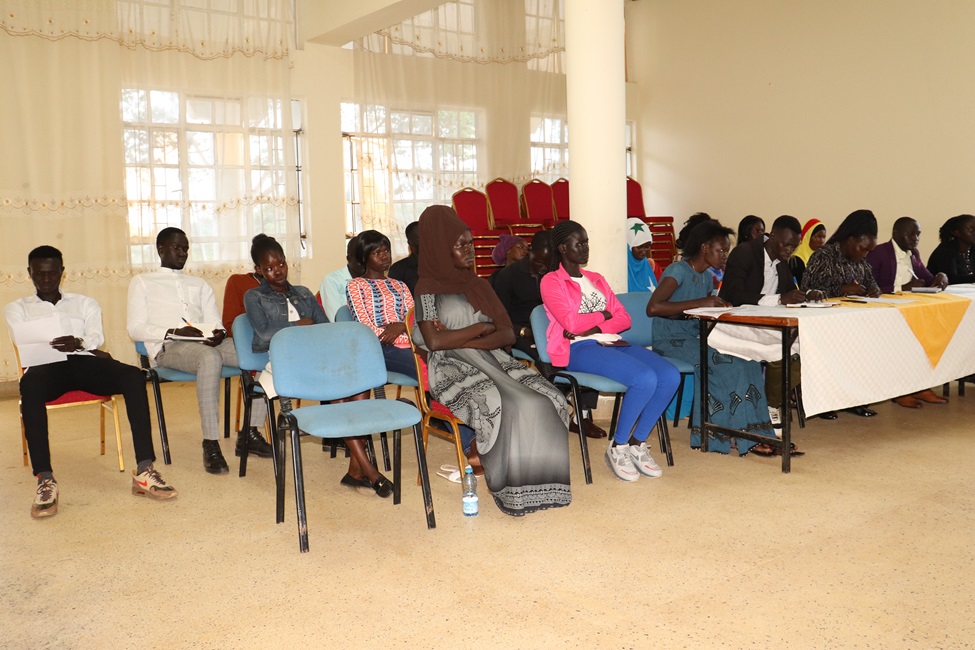
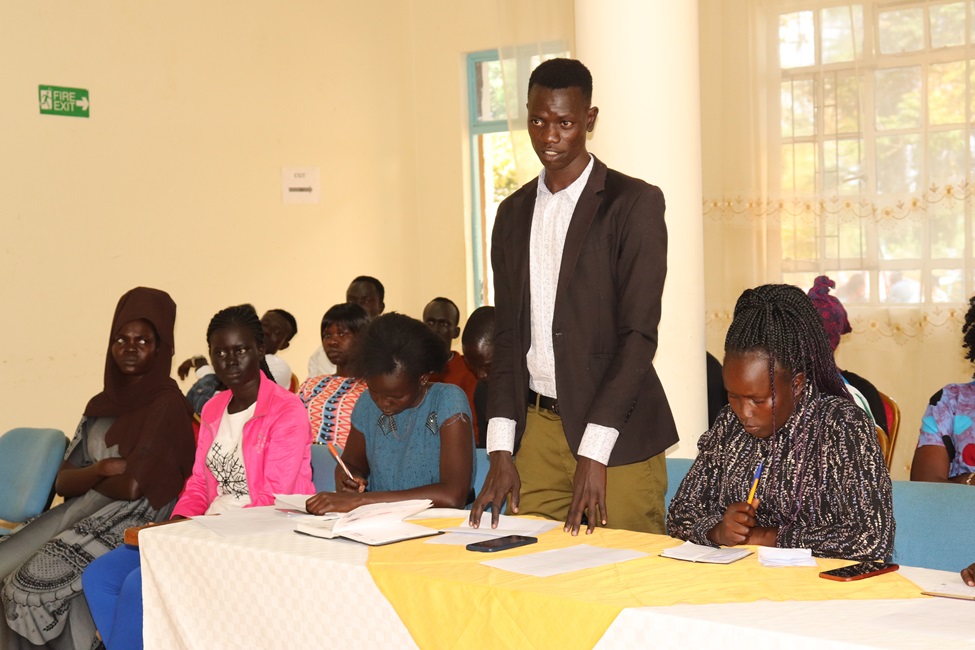
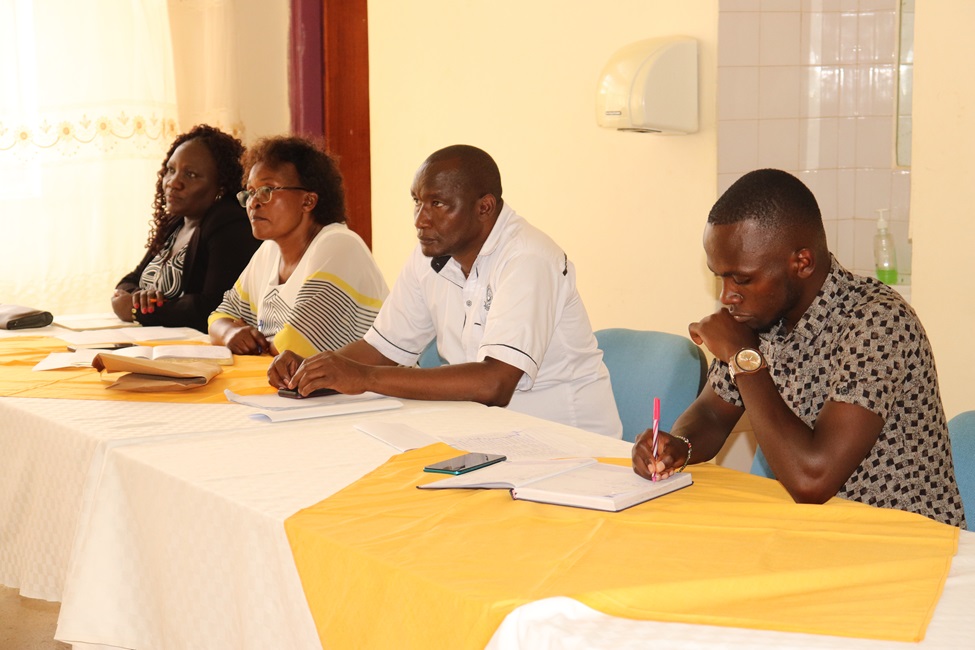
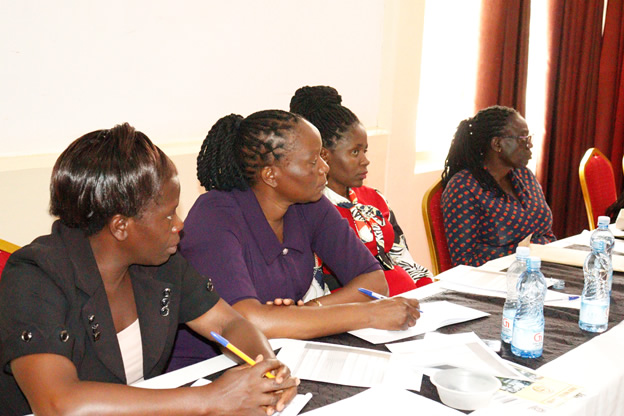
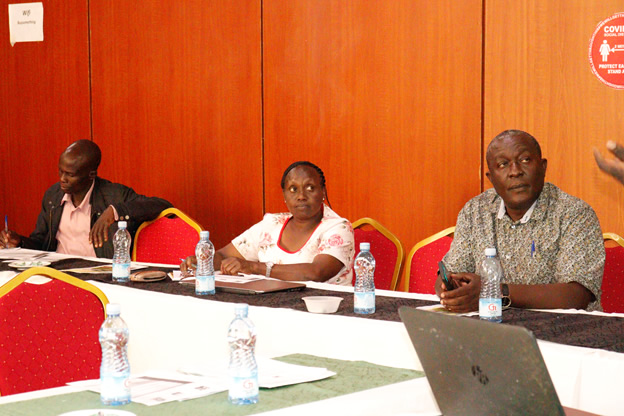
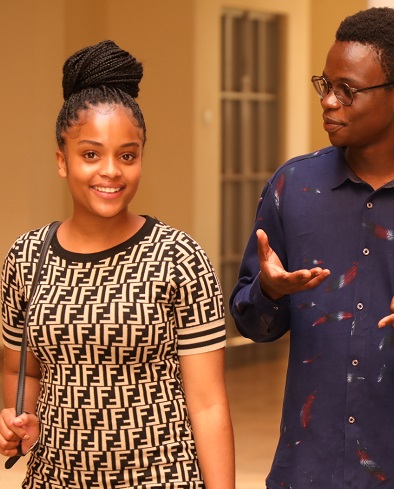
MMUST’s Aids Control, Gender, and Disability Mainstreaming Unit have continued to champion HIV, Mental Health Awareness, and early screening of non-communicable diseases among the staff and students during the five-day annual exercise. The event dubbed, ‘Health Week took place at the main campus from 6th to 8th February, 2023 and extended to the Bungoma and Webuye campuses on 9th and 10th February 2023 respectively. This was aimed at providing an opportunity for the University fraternity to understand their health status, as well as to sensitize them on the need for the adoption of early screening as a method to counter the severity of given medical conditions by engaging in early treatment or intervention.

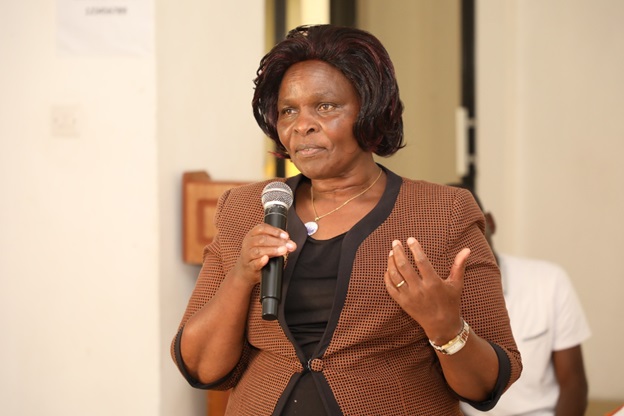
Speaking during the exercise, the Coordinator, AIDS Control, Gender and Disability Mainstreaming Unit, Prof. Gladys Mengich, expressed her joy over the turnout of the participants, saying that they surpassed this year’s expectations. Prof. Mengich emphasized the relevance of early screening and testing, stating that it is important to everyone since it enables early detection of disease in people who do not show any signs of the disease itself.

“Health screening can help an individual to find out if they have any underlying disease or condition or if they are at a high risk of developing the same, even if they feel healthy and do not exhibit any symptoms. The result, which is usually early detection, followed by treatment and good control of the condition in most instances results in better outcomes and lowers the risk of serious complications. Additionally, in some instances, patients have more treatment options, lower medical costs, and even higher chances of survival,” said Prof. Mengich.

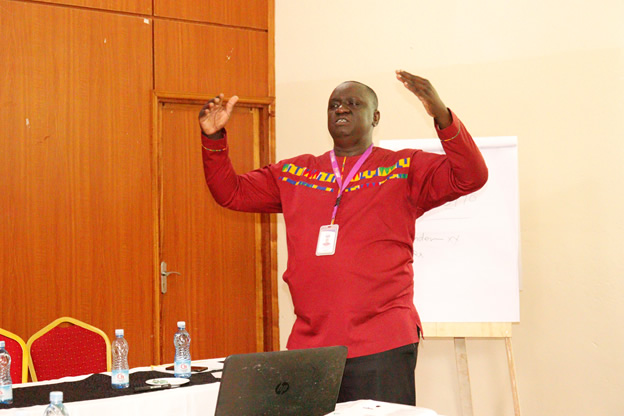
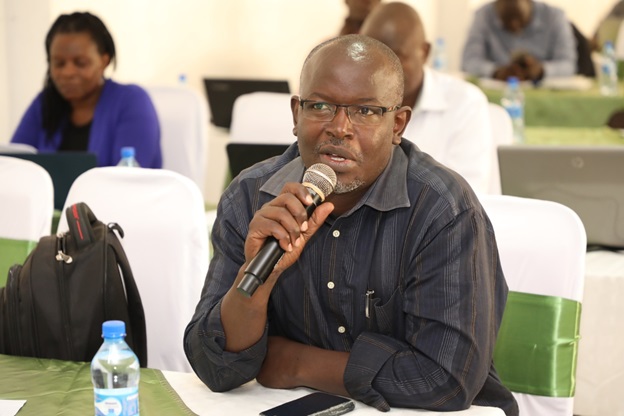
While addressing the participants, one of the University’s Senior Clinician, Dr. Felix Ambuche, spoke extensively on cervical cancer and mental health. Dr. Ambuche noted that cervical cancer is preventable and curable upon early detection, yet it is still among the most common type of cancer claiming the lives of women across the world.

“Some of the risk factors for getting cervical cancer include; early sexual intercourse, multiple sexual partners, first family history of cervical cancer, and comorbidities such as HIV infections. However, enough research has not been conducted on the use of family planning as a cause for this novel disease, hence we cannot say for a fact that it causes cervical cancer,” said Dr. Ambuche.

According to the World Health Organization (WHO), Non-communicable diseases (NCDs) mainly cardiovascular diseases, diabetes, cancers, and chronic respiratory diseases are the leading cause of death worldwide. They represent 7 of the 10 main causes of death equivalent to 74% of all deaths globally, which includes more than 15 million people who die prematurely every year from a major NCD between the ages of 30 and 69 years; 85% of these premature deaths occur in low and middle-income countries.

As a result, Dr. Ambuche stressed the fact that Cancer is easier to treat when it is detected before it spreads throughout the body. He recommended a number of preventive measures, including screening at regular intervals which he says, are determined by the age and needs of every individual.

“Screening is very important as it helps in the identification of cancer-causing cells and allows for timely intervention. Women need to identify their age group and other factors such as the need to determine how often to get screened. It is recommended that women of ages 21 to 29 go for screening at least after every two years while those above 45 years, do the same yearly. This is because they are at a stage where there are high chances of any malignancy in the body beginning to erupt. If at any point, one was treated for Cervical Intraepithelial Neoplasia (CIN), a precancerous condition in which abnormal cells grow on the surface of an individual’s cervix, then they need to do screening after every six months,” he explained.

Research further indicates that mental health conditions including anxiety, stress, depression, and psychosis, as well as neurological and substance use disorders, account for a quarter of all non-fatal disease burden, and more than 700 000 people die as a result of suicide each year. In Kenya, it is estimated that one in every 10 people suffer from a common mental disorder and the number increases to one in every four people among patients attending routine outpatient services to be suffering from depression and anxiety disorders.

However, since the emergence of the COVID-19 pandemic, there has been an increasing appreciation of the value of mental health. In Kenya for instance, we saw the establishment of a Mental Health Taskforce in 2019, which has implemented a number of reforms to improve care for those with mental health conditions. MMUST, through the AIDS Control, Gender, and Disability Mainstreaming Unit, has come out strong to ensure that staff and students gain access to all-around services including gender issues, counseling, and disability mainstreaming. The University has continued to ensure the availability of a health team, which comprises doctors, counselors, and social workers who are highly professional and present for both staff and students.

HIV has continued to be a major global public health issue. According to the UNAIDS, progress in the prevention and treatment of HIV-infected patients is faltering around the world, putting millions of people in grave danger. Eastern Europe and Central Asia, Latin America, the Middle East, and North Africa have all seen increases in annual HIV infections over several years. UNAIDS further reveals that the pace of progress in reducing new HIV infections, increasing access to treatment, and ending AIDS-related deaths is slowing down. In 2021, 1.5 million people were newly infected with HIV, 38.4 Million people were living with HIV and 650 thousand people died of AIDS-related illnesses. 

It is high time we take heed of the precautionary measures put in place to reduce the risk of spreading these illnesses. MMUST has taken a step in the right direction and we continue to encourage staff and students to be responsible for their health by knowing their HIV/AIDS status and screening for non-communicable diseases as frequently as possible. By doing this, the University will certainly curb the high prevalence of non-communicable diseases among staff and students and have a working population of healthy people who can deliver.

MMUST International Students Hold One-day Workshop in an Effort to Address Issues Pertaining to Their Welfare

MMUST staff pose for a group photo together with the international students, outside the University’s Main Catering Unit.

Masinde Muliro University of Science and Technology’s international students have held a one-day Workshop in an effort to address issues pertaining to their welfare in the University. The Workshop, which took place on Wednesday, 8th February, 2023, is the second one of its kind that the Directorate of International Relations and Academic Linkages (DIAL) has organized.

Speaking during the event, the Director DIAL, Dr. Catherine Aurah, stated that the international students are a group that the University appreciates. “This Workshop is conducted in order for international students to connect with the University Management, for the students to share their experiences studying in MMUST,” said Dr. Aurah, adding that such a meeting is a platform for the International Students Guild (ISG) leadership to formally communicate with their members.

MMUST INTERNATIONAL STUDENTS 2

Dr. Catherine Aurah gives her remarks during the Workshop.

“In case you have any welfare issues, such as accommodation and catering, feel free to visit our offices,” said Mr. Oscar Waswa, who was representing the dean of students, Dr. Bernadette Abwao. Mr. Waswa encouraged the international students to actively participate in the University activities like sports, drama as well as clubs and associations, so that they don’t feel left out.

The Director, Directorate of Corporate Communications and Marketing (DCCM), Dr. Lydia Anyonje, reiterated that international students are a great asset to the University, saying that her office is dedicated to increasing the number of these students through marketing. “There is a need for the University to organize a marketing campaign that will not only involve the national and international students, but also our alumni,” she stated.

MMUST INTERNATIONAL STUDENTS 3

A section of MMUST international students follow keenly during the Workshop.

Further, the Director DCCM, said that her team has been discussing having an international students open day, to fully focus on these students, and to showcase all activities associated with them. “During this event, we shall have a set of activities and special projects to work on across the departments,” said Dr. Anyonje, adding that she will work together with other sections to advocate for an international students’ docket within MMUSO, so that their issues are addressed directly.

“We appreciate the international students’ diplomacy in handling issues and commend them for always visiting our customer care desks for assistance. We intend to include them in our upcoming Customer Service week set for the first week of October. We will also include them in our five-year anniversary celebration since we first established the custom care office,” said the Marketing Officer, Mr. James Muriithi.

MMUST INTERNATIONAL STUDENTS 4

ISG Chairman, Mr. Christopher Oromo, gives his remarks at the Workshop.

The ISG Chairman, Mr. Christopher Oromo, presented a report on the number of international students that have joined MMUST in the last seven (7) years. Some of the issues raised by Mr. Oromo during the event included the lack of a proper international students’ office to address their problems. “We have also been having issues with the delay of our exam results which sometimes worries our sponsors,” he added. The ISG female and male representatives, Ms Gloria Tamanok and Mr. Yousif Kalo, respectively, suggested that the University should put in place measures that ensure international students are guided especially during admission days. Additionally, they proposed to have an International students open day and other activities such as tree planting, benchmarking and field trips in order for them to interact more.

MMUST INTERNATIONAL STUDENTS 5

From left; Dr. Lydia Anyonje, Dr. Catherine Aurah, Mr. James Muriithi and Mr. Jeremy Muriira.

Also present during the Workshop included; the Director of Privately Sponsored Students, Learning Centres and Campuses, Prof. Ondiek B. Alala, who was representing the Deputy Vice Chancellor (Planning, Research and Innovation), Prof. Charles Mutai, the University Chaplaincy, Rev. Fr. Dr. Kizito Muchanga, Mr. Manoah Bornface, who was standing in for the Ag. Chief Security Officer, Dr. Julius Mabia, MMUSO Gender and Special Interest Secretary, Mr. Jeremy Muriira, Ms. Dorine Ambetsa, Mr. Nelman Monari, Ms. Verna Kungu and Mr. Daudi Kioko.

By Sheila Ivayo and Mary Wangari Wambugu

Photos by Wangari Wambugu

MMUST Tamasha 2023 Kicks off with Pomp And Colour!!

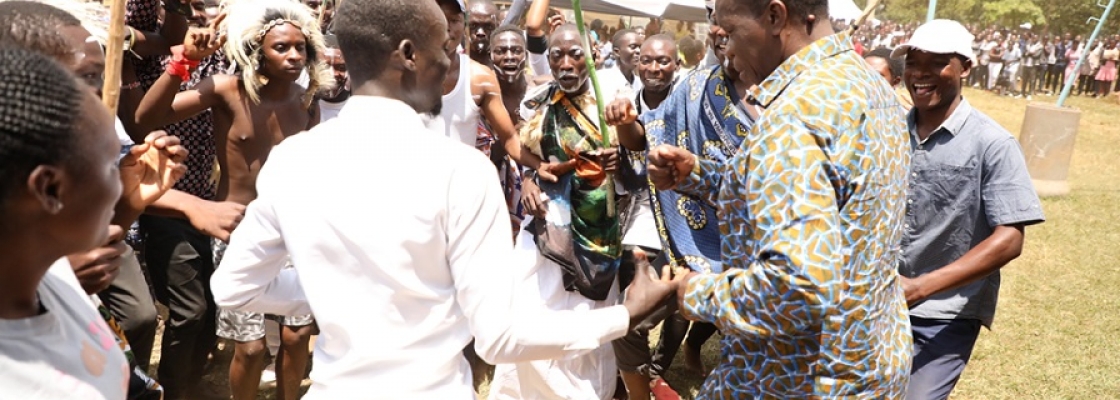
We are delighted to inform you that the Masinde Muliro University of Science and Technology’s Tamasha Cultural Festivals 2023 has kicked off today, 8th February, 2023. The event, which will go up to Sunday, 12th February, 2023, was flagged off by the Vice Chancellor, Prof. Solomon Shibairo.

Below please find more photos of the event.

MMUST Steps up Efforts to towards Acquisition of Clean and Affordable Energy

Prof. Solomon Shibairo with University Solar Photovoltaic Energy Project Committee members during  the workshop in Kisumu Hotel, Kisumu County.

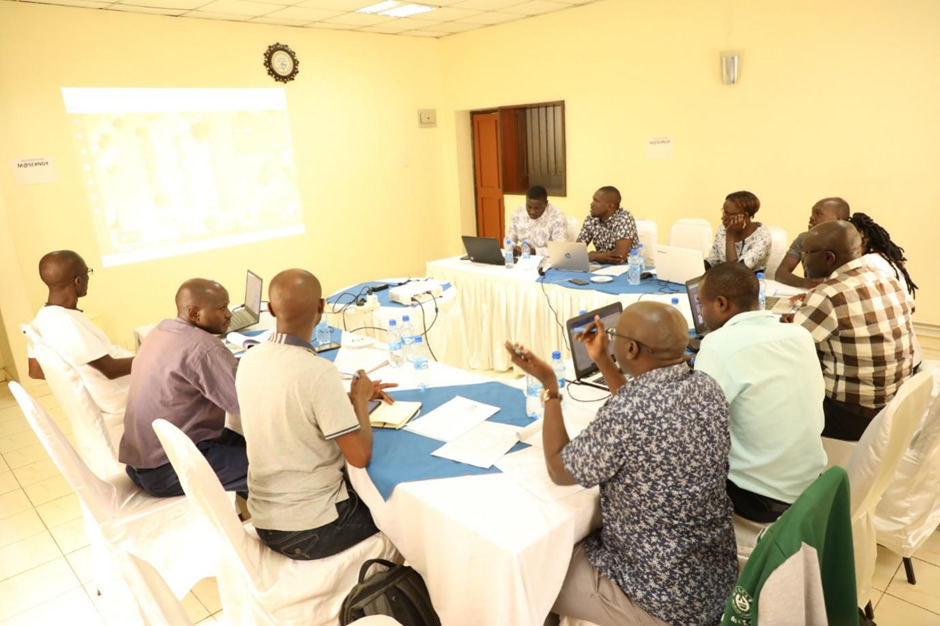
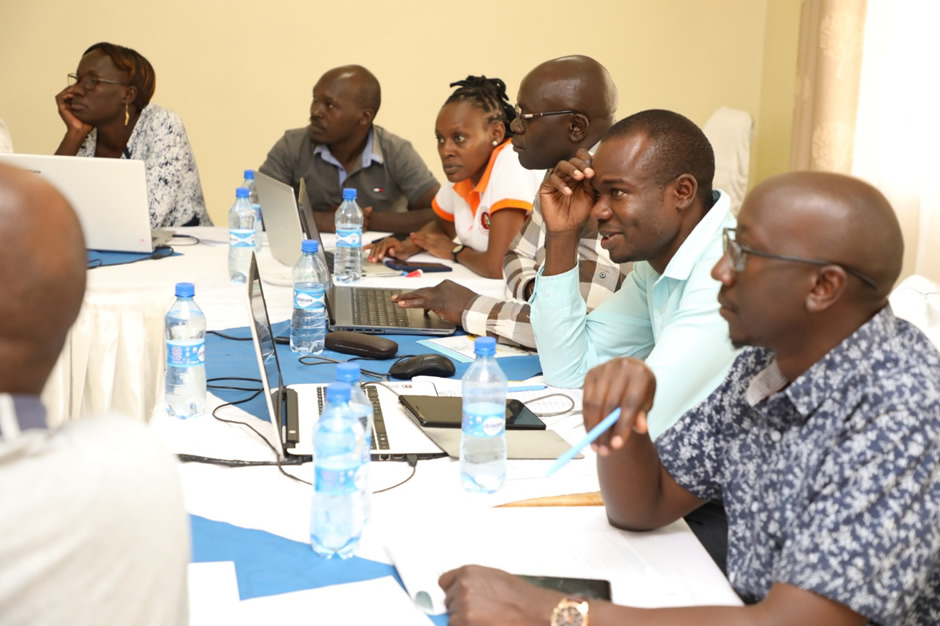
Masinde Muliro University of Science and Technology is at the front-line in actualization of the Sustainable Development Goal number seven (7) – Affordable and Clean Energy. A team of Engineers from the University led by the Chairman, University Solar Photo Voltaic Energy Project committee, Dr. James Owuor, held a two-day workshop from 2nd to 3rd February, 2023 in Kisumu Hotel. The aim of the workshop was to develop technical specifications and an implementation plan for the Solar Power project in the University.

Speaking at the workshop, the Vice Chancellor, Prof. Solomon Shibairo commended the team of engineers for spearheading such an important project in the University. Prof. Shibairo noted that most institutions are in financial crisis and a major contributor to this is high cost of electricity. “We have seen electricity bills run to millions in some institutions. If as a University we can embrace this technology and save on the funds used in the electricity bills, then it is a major boost to us,” said Prof. Shibairo.

Additionally, Prof. Shibairo highlighted the benefits of using solar energy, saying that it is clean hence to our environment. “Currently there are a lot of emissions into the air. If most organizations can embrace this form of energy, then no greenhouse gas emissions will be released into the atmosphere. This is because the sun provides a clean as well as high amount of energy than we’ll ever need,  hence making it a very important source of energy as we shift towards clean energy production,” added Prof. Shibairo.

National Gender and Equality Commission Equips11

The Deputy Vice Chancellor Planning Research and Innovation (DVC PRI), Prof. Charles Mutai was impressed with the strides, the committee had made. Prof. Mutai stressed on the need to embrace Solar energy, saying that as a renewable CO2-free power source, the environmental impact of solar power is significantly smaller than other power generation methods. Prof. Mutai assured the participants of the University managements’ unwavering support of the project to its finality.

According to the United Nations Environmental Programme (UNEP), Energy is the dominant contributor to climate change, accounting for around 60 per cent of total global greenhouse gas emissions. In an effort to help reduce this and in compliance with SDG No 7 on access to clean and affordable energy, and SDG No 13 on climate action, MMUST intends to go green in all its operations and attain ISO 14000 on environmental management systems. Today, we are proud that we have began the journey of attaining this goal, through the implementation of a Solar Photovoltaic (PV) power generation system, which is first of the many that are yet to come.National Gender and Equality Commission Equips12 

A section of University Solar Photo Voltaic Energy Project Committee members

In the current financial year, the University management has earmarked the ABA and library buildings to be solar powered. This will result in reduction of current electricity bills in the University, as well as ensure reliable and stable power supply with a reduced carbon footprint.

Other members present at the workshorp were: Eng. George Otula Nyagwa - Solar Consultatnt, Hillary Shikuba - Kakakmega County Public Works, Dr. Peter T.Cherop, Dr. Janet Oyaro Dr. Cedric Okinda Dr. Edwin Kanda, Dr. Celine Omondi, Mr. Wilberforce Alube Mr. Enock Odondi, and Mr. Patrick Kivale.

By Shiundu Masafu 

National Gender and Equality Commission Equips Mmust's Gender Mainstreaming Committee With Relevant Skills to Enhance Compliance to Gender Equality at the Institution

Workshop participants at Golf Hotel-Kakamega.

 The National Gender and Equality Commission (NGEC) has equipped Masinde Muliro University of Science and Technology’s Gender Mainstreaming Committee (GMC) members with relevant skills to enhance compliance with gender equality at the institution. The committee underwent a two-day intensive training workshopon 2 and 3 February 2022 at the Golf Hotel-Kakamega. The workshop was facilitated by the Western Regional Facilitator, NGEC, Mr. Davis Ochieng Okeyo.

The event which was organized by the committee Chairperson, Prof. John Shiundu was geared towards building capacity for relevant, effective, efficient, and sustainable gender mainstreaming in the institution; introducing the GMC to gender concepts, policy, procedures, and practices as per the regulatory requirements.

NATIONAL GENDER AND EQUALITY COMMISSION EQUIPS2

A section of the participants following the presentations.

In his opening remarks, the Director of Privately Sponsored Students Programmes (PSSP), Prof. Benedict Alala who was representing the Deputy Vice- Chancellor, Planning, Research, and Innovation, noted that it is important to equip members with strong advocacy as well as sensitization knowledge and skills in gender parity. He challenged the committee to prove to the University why they embrace gender equality.

“As a division of research, there is a need for integrating gender in research and our policies, ensure equality in service delivery, and establish gender balance at all levels in the University,” said Prof. Alala.

Speaking during the workshop, Mr. Okeyo pointed out that the training fosters continuous improvement and learning while enabling the committee to track the progress of gender equality in the University. He advocated for gender equality at all levels of the disabled, children, marginalized, and the minority to re-enforce the constitutional law of inclusivity.

NATIONAL GENDER AND EQUALITY COMMISSION EQUIPS3

The Western Regional Facilitator-NGEC, Mr. Davis Ochieng Okeyo.

Further, Mr. Okeyo discussed the key roles of senior management of the University as to-; develop gender-related policies on sexual harassment; establish a functional GMC; plan and budget for GM programs, projects, and actions; guide the implementation of the GM strategies, programs, and projects and actions; ensure adherence by all staff to GM requirements; as well as monitor implementation and ensure GM reporting is done in conformity with the set national guidelines.

Prof. Shiundu acknowledged that gender parity should be considered in the fields of research, governance as well as departments.  He emphasized the need for more efforts to influence the management to strike a balance on the female gender two-third rule in the University.

“We have been looking forward to this training and we can agree that it was learner-centered. The committee is committed to scaling up and mainstreaming practices in gender management in terms of decision-making; creating linkages with other institutions enrolled in gender to promote equity and mainstreaming of gender. This has been a very resourceful session. I urge you to promote this unit to become an institute to create more impact in the University as well as attract more donors. We are pleased and ready for the task ahead of us,” said Prof. Shiundu.

NATIONAL GENDER AND EQUALITY COMMISSION EQUIPS4

A section of the Gender Mainstreaming Committee (GMC) members.

Additionally, the Coordinator, AIDS Control, Gender and Disability Mainstreaming Unit, Prof. Gladys Mengich emphasized that every team should be well balanced adding that the institutional management should look for a mechanism to balance gender in all aspects. She advocated for partnerships in the area of gender balance and assured an improvement in the performance of the committee.

Notably, some of the topics addressed encompassed; Overview of the Gender Mainstreaming Committee {GMC} Terms of Reference {ToR}’Laws and Policies governing Gender Equality and Mainstreaming in Kenya’‘Intersectionality’, ‘Strategies for Working with Schools and Departments to Tackle Inequity, Harassment, and Sexual Violence’ as well as ‘Progress update on the University Gender Policy and SGBV Policy’.

The Gender Mainstreaming Committee members present during the workshop were; Prof. Kenneth Otieno, Dr. Lucy Mandillah, Dr, Arnette Okoth, Dr. Seline Ooko, Dr. Philip Mukonyi, Ms. Tabitha Sishia, Ms. Eunice Pundo, Ms. Gavin Nyarotso, Ms. Elizabeth Simiyu, Mr. Levy Wanyama, Mr. Kennedy Anjieho, and Ms. Adelaide Imbuka.

NATIONAL GENDER AND EQUALITY COMMISSION EQUIPS6

Gender Mainstreaming Committee (GMC) members during a group discussion.

As part of the training, members focused broadly on experiences and lessons learned on gender mainstreaming in many different sectors. They noted that sexual harassment at the place of work is constituted of offering benefits for sexual advancements, unwanted sexual advancements, threats or retaliation to ‘No’, suggestive gestures, derogatory comments, and body positioning.

Certainly, gender equality and social inclusion are no longer just buzzwords in development jargon. This is a timely venture that aims to build the skills and knowledge of participants in mainstreaming gender. It is also an opportunity to operationalize its commitment to gender as a cross-cutting issue.

By Verna Awuor and Linet Owuor

Photos by Linet Owuor; 

MMUST Postgraduate Students Receive Scholarships Courtesy of Acces, Kenya.

The Executive Director, ACCES, Mr. Kevin Fadum making a point during the meeting.

Two (2) of Masinde Muliro University of Science and Technology’s postgraduate students have received scholarships, courtesy of the African Canadian Continuing Education Society (ACCES), Kenya. This was revealed during a courtesy call made to the Vice Chancellor, Prof. Solomon Shibairo, by the Executive Director, ACCES, Mr. Kevin Fadum, on Monday, 30th January, 2023. Mr. Fadum was accompanied by the Program Manager, Mr. Anthony Kikubu Mutevane, who is also an alumna of MMUST. The two (2) presented the awards to the Vice Chancellor before the University Management Board (UMB), which was in for its weekly meeting.

Speaking during the event, Prof. Shibairo emphasized that Kenya will never go wrong with many learners joining higher education. “Today, the transition rate from high schools to universities stands at 37% - 40% in Canada. In Finland, over 50% of students join University while approximately 40% of the student population are enrolled in vocational programmes. In the Philippines the student transition rate stands at 66%. In Kenya, the transition rate is not as high and this does not imply that we should normalize failing,” said the Vice Chancellor.  

“When people join higher education, it changes their way of thinking. The more we have educated people, the better we are,” he stated, adding that countries such as India and China, invested in higher education and their economies are stable, with China having the second largest economy in the world.

WhatsApp Image 2023 02 01 at 12.23.43

The Vice Chancellor together with the University Management Board, as they hosted the ACCES team.

The Deputy Vice Chancellor (Planning, Research and Innovation), Prof. Charles Mutai, thanked the ACCES team for sponsoring MMUST students. “Thank you for sponsoring our students. The initiatives that you are doing in our communities are the best ways to bring change and improvement into our societies,” he said. Further, Prof. Mutai encouraged the ACCES team to keep up the good work and commended them for extending such support to postgraduate students.

The Deputy Vice Chancellor (Academic and Students Affairs), Prof. Hussein Golicha, echoed Prof. Mutai’s sentiments, as he thanked the ACCES team for the support they are giving to Kenya’s children.

The Executive Director, ACCES, could not agree more. “Our students are the future of this Country. Attaining an undergraduate degree is great but, we need to encourage the younger generation to pursue higher levels of learning so that they can be better leaders in the society,” said Mr. Fadum.

WhatsApp Image 2023 02 01 at 12.23.45

The Vice Chancellor shakes hands with the Executive Director, ACCES.

It is worth noting that funds used by ACCES in supporting students in western region are usually obtained from donors. Additionally, the postgraduate scholarships are only awarded to bright and needy students who have benefited from ACCES for their undergraduate studies.

As the old adage goes, it really is far better to give than to receive. The knowledge that you are helping others is hugely empowering and, in turn, can make you feel happier and more fulfilled bearing in mind the impact your donation is making out there. It is no secret that today, hundreds of thousands of learners have been dropping out of the education system annually despite the much-hyped 100% transition policy introduced by the government in 2017. Lending a hand can help you support a child to stay in school. Let us purposely live a life of giving. 


By Caren Nekesa
Photos by Mary Wangari Wambugu

MMUST Hosts Newcastle University Doctorate Research Fellow as He Undertakes Field Research in Kenya

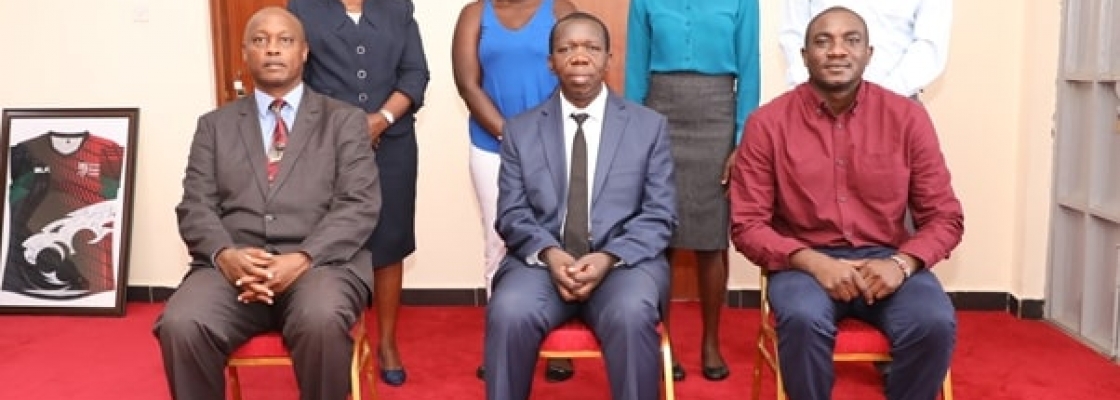
Masinde Muliro University of Science and Technology is hosting a Doctorate Research Fellow from Newcastle University, UK, as he undertakes his PhD fieldwork research in Kenya, courtesy of the Commonwealth Scholarship scheme.  The Doctorate Research Fellow, Mr. Julius Olumeh, was received on Thursday, 26th January 2023, by MMUST’s renowned Researcher in the Department of Biological Sciences, Dr. Dennis W. Ochieno who is his co-supervisor during his stay in Kenya.    

It is important to note that Dr. Ochieno will be co-supervising the student jointly with his supervisors from Newcastle University who include: Dr. Dave George, a senior lecturer and reader in precision agriculture, crop protection and integrated pest management; Dr. Kirsty Mclnnes, a researcher in molecular dynamics of crop, pest and disease  interactions for Integrated pest management; and Dr. Beth Clark, a social research scientist exploring evidence based methods in public perceptions motivating food choices, innovations and technology for sustainable production.

OLUME2

Mr. Julius Olumeh pays a courtesy call to the Vice Chancellor, Prof. Solomon Shibairo.

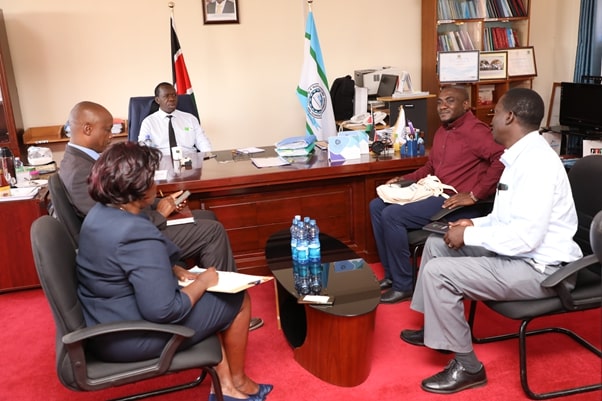
In an effort to acquaint Mr. Olumeh with the University, he paid a number of courtesy calls to the Office of the Vice Chancellor and the Division of Planning, Research and Innovation (PRI), where he was received by Prof. Solomon Shibairo and Prof. Charles Mutai respectively. Speaking during the courtesy call to the Office of the Vice Chancellor, Prof. Solomon Shibairo, gleefully welcomed Mr. Olumeh to MMUST and reassured him that he is in good hands.

“I am aware that the UK, in many other ways through the Kenya-UK Health Alliance, has been looking for partners. My vision is to see MMUST become a research University. We have embarked on a mission of ensuring that MMUST staff and students cultivate a culture of research that can directly impact on people’s lives. I will be delighted to engage in further conversations that will lead to the realization of this mission. We are happy to have you here, welcome to MMUST,” said Prof. Shibairo.

The Deputy Vice Chancellor (PRI), together with the Registrar (PRI), Prof. Alice Ndiema, also welcomed the researcher to MMUST, stating that they were delighted with this collaboration and added that they anticipated more partnerships.

Mr

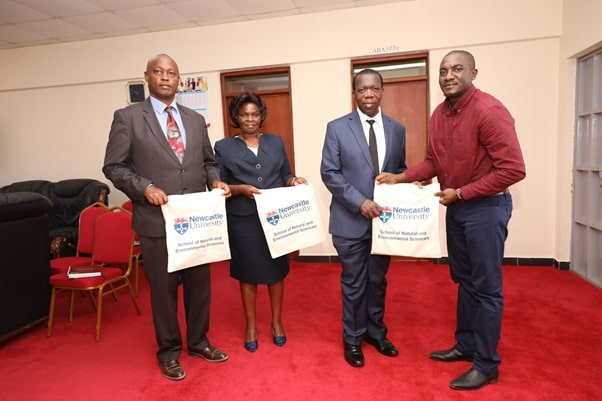
Mr. Olumeh gifts MMUST staff Newcastle University-branded bags.

“We are a University that believes in research and collaboration. As our vision states, ‘To be the premier University in Science, Technology and Innovation’, research plays an important role in ensuring that we are the pace-setters. You have our full support and commitment towards this course, and we look forward to learning so much from Newcastle University as we explore other possible areas of collaboration,” stated Prof. Mutai.

Dr. Ochieno, who is also MMUST’s Coordinator of Webometrics and short courses, was happy to note that the team from Newcastle University found MMUST from a touch of a button. “Truly the website works,” he stated, adding that he is enthusiastic about working with the doctorate research fellow.

“Despite Mr. Olumeh being registered as a student at the University of Newcastle, we accept him as our own student, anchored at the Centre for African Medicinal and Nutritional Flora and Fauna (CAMNFF),” said Dr. Ochieno as he welcomed Mr. Olumeh to MMUST.

Speaking during the meetings, Mr. Olumeh briefed the attendees of his passion for agriculture entomology and crop protection for improved food security and sustainable production. He noted that his specialization is in Biocontrol of Invasive Pest, Sustainable Agriculture, Environment Conservation & Management as well as Biosciences sectors including: IPM in Crop and Animal Systems, Quarantine Protocol, Biocontrol agents, Biotechnology, Agribusiness and Agro-markets. Following this background, Mr. Olumeh stated that he will be in the country for two months where he will be working to develop bio-pesticide options for control of tomato pests and expanding horticultural farming into organic systems. His research will result in creation of better markets for African farmers as well as help them to reduce insecticide use, which he says has known health problems.

Mr. Olus2

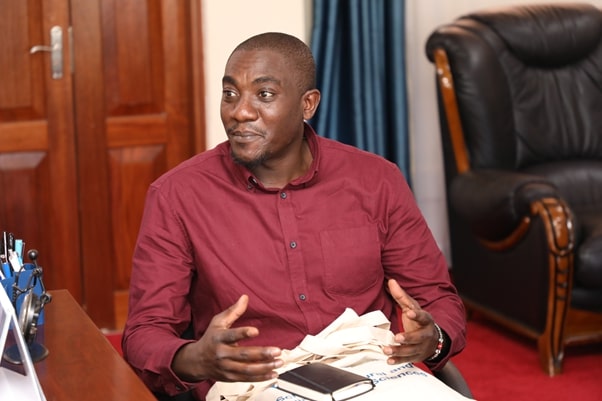
Mr. Olumeh gives his remarks during a courtesy call with the Vice Chancellor.

“Newcastle University was keen on ensuring that I find a study partner who is closer to the study site, Bungoma County. As we searched for possible partners we could collaborate with, one of my supervisors, Dr. Dave George, who is a senior lecturer and reader in precision agriculture, crop protection and integrated pest management suggested that we find someone to work with in MMUST. As we searched through MMUST’s website, Dr. Ochieno’s profile popped up with very interesting and great publications on crop protection and entomology. We had a very in-depth discussion within the University on his work and how it aligns to mine and that caught the University’s interest which led to communication with the Office of the Vice Chancellor MMUST,” said Mr. Olumeh. He further revealed that Newcastle University is keen on developing partnerships and he looks forward to seeing more interactions between the two institutions.

Further, he commended Dr. Ochieno for being responsive towards their inquiries. He urged other Universities to respond in a timely manner to inquiries made from possible international partners, saying that this will be a game changer as we look to attract international collaborators.

Mr. Olumeh gifts MMUST3

The Deputy Vice Chancellor (Planning, Research and Innovation) gives remarks during a courtesy call at his office.

It is worth noting that the two (2) institutions are in pursuit of expanding this collaboration to go beyond Mr. Olumeh’s PhD fieldwork research. A move that will possibly see them work with other faculties such as the School of Medicine, considering the fact that Newcastle University was recently ranked first in cancer research in the UK.

“Newcastle University is big in cancer research. We were ranked number one in cancer research in the UK this year. This is also a very viable area for collaboration as you are expanding your school of medicine,” noted Mr. Olumeh. In response, Prof. Mutai acknowledged that his collaboration with MMUST is indeed the beginning of good things, and it is from here that MMUST will continue to build its niche in research.

MMUST has grown into a global player in academics, research and innovation and we can only achieve higher levels of standards by building progressive partnerships with well-established institutions such as the Newcastle University. Certainly, this is a sign of good things to come.


By Caren Nekesa

Photos by Shiundu Masafu 

Collection of Students’ Smart Cards

The Deputy Registrar (Academic Affairs), Mr. Zablon Obengo would like to inform all students whose Biodata were captured by Equity Bank Staff for processing of Students' Smart Cards that their cards are ready for collection.
You are therefore requested to collect your Smart Cards from Monday, 30th January to Friday 3rd February 2023 at 9 am behind the Library.
 
Attached, please find a list of names and a memo for your reference.
 

MMUST Carries Out Strategic Plan Review to Chart Out Roadmap for the Next Five Years!

MMUST team at Kisumu hotel during the Strategic Plan Review Workshop.


Masinde Muliro University of Science and Technology has carried out Strategic Plan Review for 2022/2023 to 2026/2027, geared towards charting out the roadmap on which the institution will be anchored for the next five years. The well attended workshop, which was organized by the Division of Planning, Research and Innovation, through the office of Registrar, Planning, Research and Innovation, involved close to 80 participants from diverse departments in the University. The two- day workshop that was conducted from Thursday 19th to Friday, 20th January, 2023, was officially opened by MMUST’s Vice Chancellor, Prof. Solomon Shibairo.

The participants of this important workshop, who were drawn from various departments, directorates and sections, were taken through the Strategic Plan’s historical background, the key fundamental issues, situational analysis as well as the key result areas and implementation framework. The facilitators included Prof. Alice Ndiema, Prof. Judah Ndiku, Prof. Robert Egessa, and Dr. Dishon Wanjere.

Speaking at the workshop, Prof. Solomon Shibairo stressed on the need to leverage on ICT by infusing it in all our programs and processes in the University. He pointed out that during this period, MMUST, must align its plans with the 5 pillars underpinning the operations of the current government, which are: Agriculture, Healthcare, Micro, Small and Medium Enterprise (MSME) Economy, Digital Superhighway and Creative Economy , Housing and Settlement.

 MMUST Carries Out Strategic Plan Review2

Prof. Solomon Shibairo following proceedings during the Strategic Plan Review workshop in Kisumu Hotel.

“Let us invest in unique programmes such as Biomechanics, Mechatronics and Gold Mining. We must take advantage of our networks and linkages to steer the development of our University development projects such as the Student Centre, Senior Common Room, and the 10,000 units promised by Kenya’s President, H.E. Dr. William Samoei Ruto. However, we should not over- rely on the government for funding. Instead, every University must look for alternative sources of income. That is why MMUST established the Chancellor’s Endowment Fund,” stated the Vice Chancellor.

MMUST Carries Out Strategic Plan Review3

The Registrar, Planning Research and Innovation, Prof Alice Ndiema presenting during the Strategic Plan Review Workshop in Kisumu.

The Deputy Vice Chancellor, Planning, Research and Innovation, Prof. Charles Mutai, whose Division is steering the review process, revealed that the drafting of this Strategic Plan started in July 2022 by a team of experts from the University and that this Workshop was organized to allow interrogation of the document by stakeholders and heads of various sections for purposes of ownership and quality.

Reiterating the importance of specifying what is to be delivered by the Strategic Plan, the Deputy Vice Chancellor, Administration and Finance- Prof. Kuria Thuo as well as the Deputy Vice Chancellor, Academic and Student Affairs- Prof. Hussein Golicha encouraged participants to ensure that their areas are clearly stipulated in the document so that implementation is straight forward and guaranteed.

“The key success factors for all Strategic Plans is implementation. Culture eats Strategy for breakfast. This means that the manner in which the implementation is done informs whether or not the objectives of the Strategic Plan will be achieved,” advised Prof. Thuo.

The 2022/2023 - 2026/2027 Strategic Plan Review Workshop was spearheaded by Prof. Charles Mutai. Other members of the Stategic Plan Committee were: Prof. Alice Ndiema, Prof. Judah Ndiku, Prof. Robert Egessa, Dr. Dishon Wanjere, Mr. Antony Sang, Dr. Eglay Tsuma, Dr. Lydia Anyonje, Dr. Catherine Aurah, Dr. Immaculate Ayodo, CPA Elkanah Kinyor, Ms. Irene Aluku, Mr. Jeffry Miima, Mr. Canon Odhiambo and Mr. Shiundu W. Masafu. Other critical members involved in the organization of the Strategic Plan Review Workshop included Ms. Florence Ogwang, and Mr. Eick Wendo.

MMUST Carries Out Strategic Plan Review4
Chairman UASU, Dr. Jairus Odawa discusses a point during the workshop
The Strategic Plan will support the positive transformation of the University’s operations and procedures in addition to providing strategic direction for this period. As the workshop came to a close today, it was clear that the gist of the Strategic Plan is to re-engineer the University’s programs and processes in tandem with the evolving dynamics in the global higher education sector. This robust Strategic Plan has the potential to catapult MMUST into the realm of higher education giants.

By Lydia Anyonje and Shiundu Masafu
Photos by Shiundu Masafu 

Connect with us

P. O. BOX 190-50100, Kakamega

  • dummy+254   702597360/1
                     733120020/2
                          

  • dummy info@mmust.ac.ke 

frame

Report Corruption